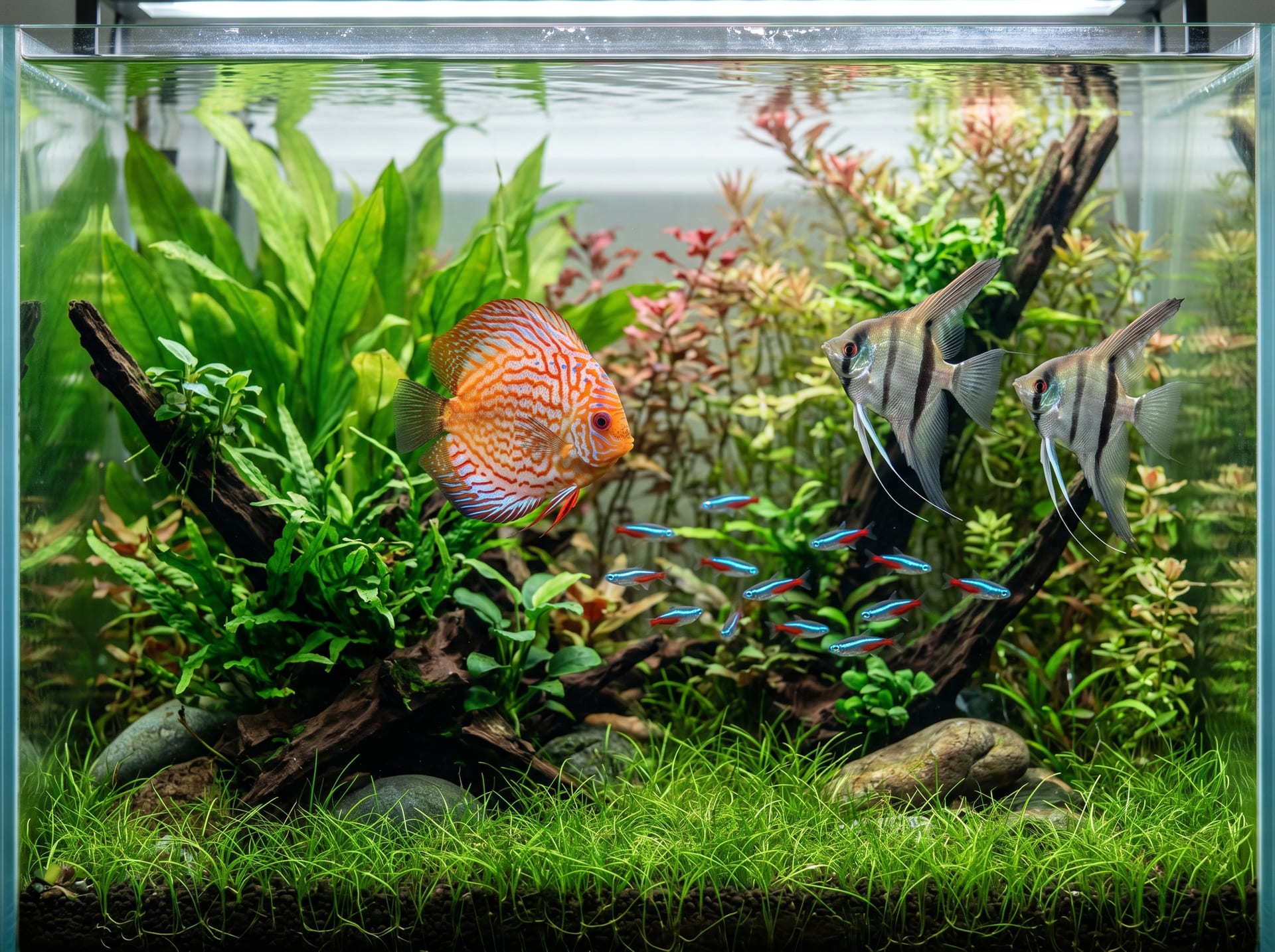
Other Tropical Fish
The "other tropical fish" category encompasses a wide variety of species beyond the most common ones, each with unique behaviors and appearances. Since water quality, temperature, and tank size requirements vary greatly depending on the species, it is important to research the specific fish before bringing it home. Discovering these diverse tropical fish can greatly enrich your experience in the aquarium hobby.
0% commission on your first sales!Register by September 30, 2026 and your first 2 sales are commission-free!
Breeder Wanted!
List on BreederDirect and sell directly to customers nationwide!
Our 6 Transparency Commitments
All Tropical Fish listings include water quality, temperament, and tank size information from verified Breeder.
- Origin Disclosed
- Real Photos
- Water Quality Disclosed
- Recommended Tank Size
- Temperament Disclosed
- Breed Line Disclosed
Browse all 27 breeds
Water Type
Care Level
No listings match your filters
Adjust your filters, or get notified when new listings arrive.
Getting alerts is free with a member account. When new listings match your saved search, we'll notify you by email and in-app.
Browse other categories
Verified breeders (preview)
Are you raising tropical fish?
Register as a breeder and connect with buyers directly.
Apply as a breederAbout Other Tropical Fish
The "Other Tropical Fish" category brings together an extraordinary range of species that fall outside the most familiar names in the hobby. Native habitats span the globe—from the blackwater tributaries of the Amazon to fast-flowing streams in Southeast Asia and the great rift lakes of Africa. Externally, species range from slender, arrow-shaped bodies and elaborate flowing fins to those armored with rigid, plate-like scales. Temperaments are equally diverse: some are peaceful and well-suited for community tanks, while others are fiercely territorial and best kept alone. The appeal of this category lies in the chance to keep rare or little-known species that few other hobbyists maintain—a deeply personal and rewarding pursuit. Researching each species' unique water chemistry, diet, and habitat requirements is itself part of the enjoyment, and even seasoned aquarists regularly encounter species that challenge and surprise them.
7 things to know before welcoming a Other Tropical Fish
1Conditions Vary by Species
Tropical fish have varying requirements for temperature, pH, and water hardness depending on the species. Research the natural habitat and ecology of the fish you are considering before purchase. When keeping multiple species in one tank, choose fish with similar water condition requirements.
2Check Tank Size Needs
Even small species may need more space when kept in schools, and some species grow quite large as adults. Check the expected adult size before purchase and prepare a tank that can accommodate them long-term. Overcrowding leads to poor water quality and stress.
3Research Compatibility
Some tropical fish are highly territorial or prone to aggression toward other fish. When mixing species, choose fish with similar temperaments, sizes, and dietary habits to reduce conflict. Avoid keeping strong predatory species with small fish.
4Filtration and Water Changes
A proper filtration system and regular water changes are essential for keeping tropical fish healthy. As a general guideline, replace one-quarter to one-third of the tank water once a week. Regular filter maintenance also helps maintain stable water quality.
5Initial and Ongoing Costs
Initial setup costs include a tank, heater, filter, and lighting. Ongoing expenses such as electricity, food, and consumables like filter media add up each month. Rare or large species can be more expensive, so plan your budget in advance.
6Quarantine New Fish
When adding new fish, it is recommended to keep them in a separate quarantine tank for one to two weeks to prevent disease from spreading to existing fish. Observe them during this period and transfer to the main tank only if no issues appear. Quarantine is especially important for rare or imported species.
7Feeding Types and Methods
Tropical fish have varying dietary needs, and some may require a combination of pellet food, frozen food, and live food. Overfeeding is a major cause of water quality deterioration, so offer only what fish can consume in two to three minutes, once or twice a day. Remove any uneaten food promptly.
Frequently asked questions about Other Tropical Fish
- Q.Can beginners keep rare or unusual tropical fish?
- A.Some unusual species are relatively beginner-friendly, but many require careful water management and specialized diets. It is advisable to start with a species that has ample care information available, get comfortable with basic tank maintenance, and then progress to more demanding fish.
- Q.Can multiple different species share the same tank?
- A.Whether species can cohabit depends greatly on the combination. Fish with similar water preferences, temperaments, and swimming zones tend to coexist more peacefully. Always research the behavior of each species in advance and consult shop staff or reputable references to verify compatibility.
- Q.What tank size is appropriate?
- A.Required tank size depends on the adult size of the fish and the number kept. As a general guideline, small species (under 5 cm) suit 30–60 cm tanks, medium species need 60–90 cm, and large species require 90 cm or more. Overcrowding degrades water quality and causes stress, so always choose a tank with ample room.
- Q.What should I do if my fish becomes sick?
- A.As soon as you notice something wrong, move the affected fish to a quarantine tank to prevent spreading illness. Observe symptoms such as white spots, reddened fins, or abnormal swimming, then consult a specialist fish shop or veterinarian before using medication. Early detection and prompt action are key to recovery.
- Q.Is it possible to enjoy breeding these fish?
- A.Some species breed relatively readily in captivity, but spawning conditions—including water temperature, water chemistry, spawning sites, and fry diet—vary considerably by species. If breeding is your goal, research the specific requirements of your chosen species thoroughly using books or reliable sources before attempting it.
Useful tools for Other Tropical Fish care
More in this category
Can't find the one you're looking for?
Post your wishes for free and breeders with matching animals will contact you with introductions.