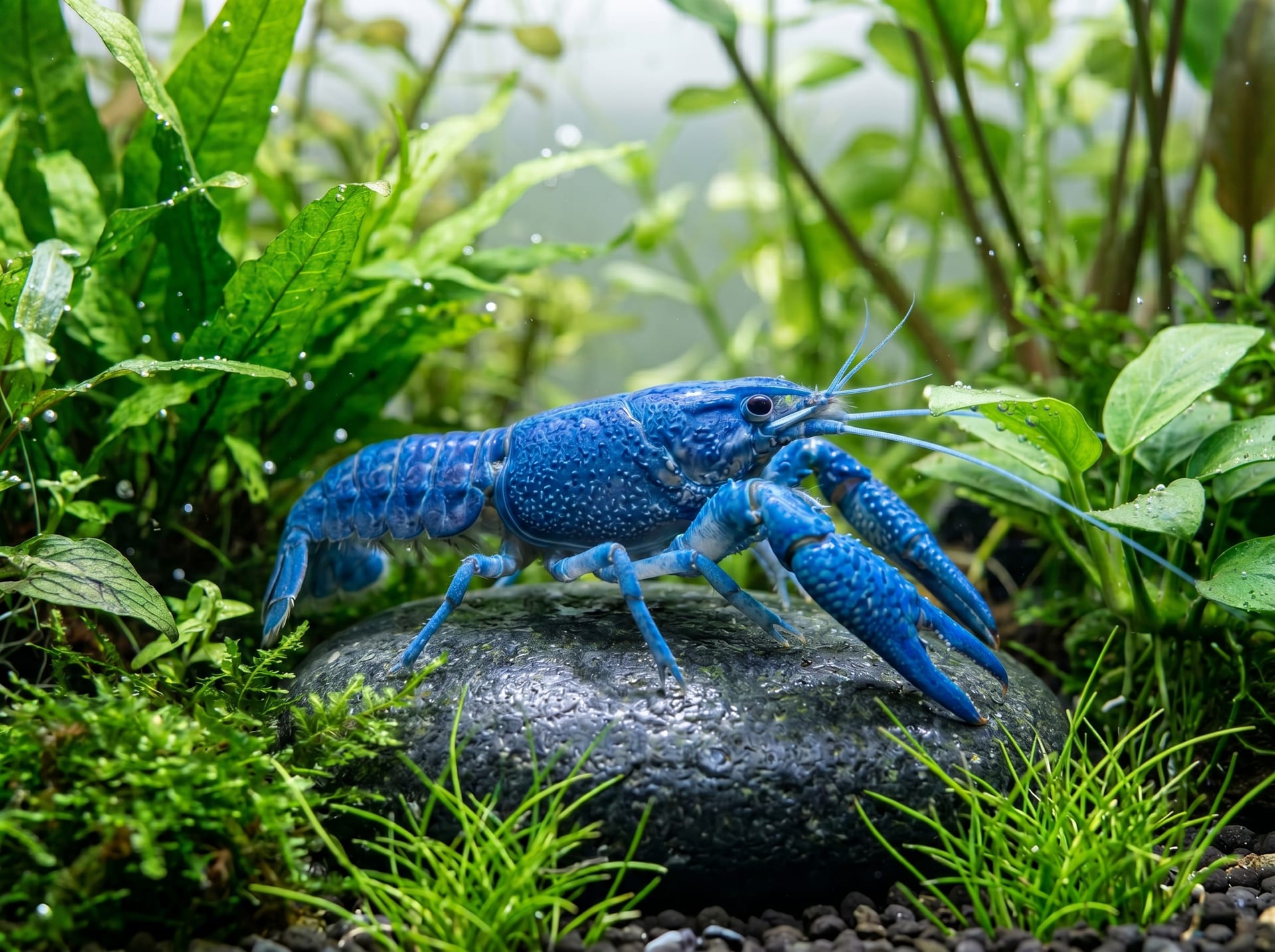
Crayfish
Crayfish are hardy crustaceans prized for their vivid colors and distinctive claws, making them a popular choice for beginners. Their curious, active behavior makes them endlessly entertaining to observe. A wide range of color variants — blue, white, orange, and more — are available alongside the classic red species.
0% commission on your first sales!Register by September 30, 2026 and your first 2 sales are commission-free!
Breeder Wanted!
List on BreederDirect and sell directly to customers nationwide!
Our 6 Transparency Commitments
All Tropical Fish listings include water quality, temperament, and tank size information from verified Breeder.
- Origin Disclosed
- Real Photos
- Water Quality Disclosed
- Recommended Tank Size
- Temperament Disclosed
- Breed Line Disclosed
Browse all 27 breeds
Water Type
Care Level
No listings match your filters
Adjust your filters, or get notified when new listings arrive.
Getting alerts is free with a member account. When new listings match your saved search, we'll notify you by email and in-app.
Browse other categories
Verified breeders (preview)
Are you raising tropical fish?
Register as a breeder and connect with buyers directly.
Apply as a breederAbout Crayfish
Crayfish belong to the class Crustacea and are found in freshwater habitats worldwide, with over 600 known species. In Japan, the American crayfish was introduced during the Meiji era as food for bullfrogs, eventually establishing wild populations and becoming a beloved creature for generations of children. In recent years, selectively bred color morphs in blue, white, yellow, and red have entered the hobby, elevating crayfish to sought-after collectible crustaceans. Their most defining physical feature is a pair of well-developed claws used for defense, foraging, and burrowing. In temperament, crayfish are active and inquisitive, constantly exploring every corner of the tank. Their appeal as pets lies in their hardiness and the richness of observable behavior: molting, feeding, and territorial displays all unfold right in front of you, offering a window into instinct-driven life that captivates keepers of all experience levels.
7 things to know before welcoming a Crayfish
1Keep Them Solo
Crayfish are highly territorial and tend to attack or cannibalize tankmates, including other crayfish. The safest approach is one crayfish per tank. They are especially vulnerable right after molting, so cohabitation requires extra caution.
2Molting Needs Care
Crayfish molt regularly to grow, and their bodies are extremely soft and vulnerable immediately after. Leave the old shell in the tank as a calcium source. Reduce feeding around molt time and avoid sudden changes in water quality.
3They Escape Easily
Crayfish are surprisingly agile climbers and will escape through any gap in the tank lid. Use a tight-fitting cover and seal openings around tubing and wiring. Escapes can be fatal quickly due to drying out, so always double-check your enclosure.
4Water Quality Matters
While crayfish tolerate some water variation, they are sensitive to ammonia and nitrite buildup. A proper filtration system and weekly partial water changes help maintain a stable environment. Ideal water temperature is around 15–25°C; prolonged heat can cause health issues.
5They Eat Plants & Substrate
Crayfish are omnivores and will readily consume aquatic plants and organic matter in the substrate. Live plants rarely survive in a crayfish tank — opt for artificial decorations, driftwood, or rocks instead. Fine gravel or sand makes cleaning easier.
6Provide Hiding Spots
Crayfish instinctively seek shelter when molting or stressed. Provide at least one hiding spot per crayfish — clay tubes, driftwood, or rock caves work well. Adequate cover reduces stress and can improve coloration and activity levels.
7Cost to Expect
Crayfish prices range from a few hundred yen for common varieties to tens of thousands for rare color morphs. Initial setup costs — tank, filter, and heater for winter — typically run 5,000–15,000 yen. Food costs are low (a few hundred yen per month), but factor in electricity if you use a heater.
Frequently asked questions about Crayfish
- Q.What is the average lifespan of a pet crayfish?
- A.With proper care, pet crayfish typically live around 3 to 5 years. Lifespan varies considerably depending on species, individual genetics, and the quality of husbandry. Consistent water quality and a balanced diet are the most important factors for longevity.
- Q.Is a crayfish easy to keep for a first-time owner?
- A.Crayfish are generally manageable for beginners who can handle basic aquarium maintenance. They are hardy, rarely fall ill, and accept widely available foods. As long as you secure the tank lid and keep them in a solo setup, they are relatively trouble-free pets.
- Q.Where can I buy selectively bred crayfish morphs?
- A.Specialty aquarium stores often carry color morphs, and purchasing directly from breeders is another viable option. Rarer colors tend to have limited availability, so checking stock updates regularly is worthwhile. Buying from a breeder allows you to verify the animal's living conditions and health before purchase.
- Q.Why do crayfish sometimes fail to molt successfully?
- A.The most common causes are calcium deficiency, sudden changes in water parameters, and disturbance during the molting process. Leaving the shed exoskeleton in the tank and performing only small water changes can help prevent issues. Once molting begins, observe quietly and avoid handling the crayfish or increasing water flow.
- Q.Can crayfish be kept with goldfish or tropical fish?
- A.Cohabitation is generally not recommended. Crayfish pose a significant risk of injuring or preying on fish, especially slow-moving or bottom-dwelling species. If you do attempt it, provide ample space and hiding spots, and observe the tank daily for any signs of aggression or injury.
Useful tools for Crayfish care
More in this category
Can't find the one you're looking for?
Post your wishes for free and breeders with matching animals will contact you with introductions.