Tropical Fish Encyclopedia — 71 Species Directory
Encyclopedia of popular tropical fish species with care guides, traits, and water parameters.
Featured Tropical Fish
Showing 17 of 71 species
 © Chunbin / CC BY-SA 4.0
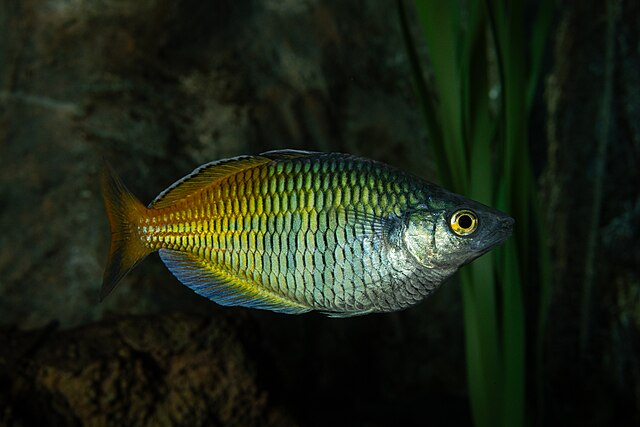
Boesemani Rainbowfish
Melanotaenia boesemani
A vivid rainbowfish with blue front half and orange back half. Spectacular when schooling.
 © CHUCAO / CC BY-SA 3.0
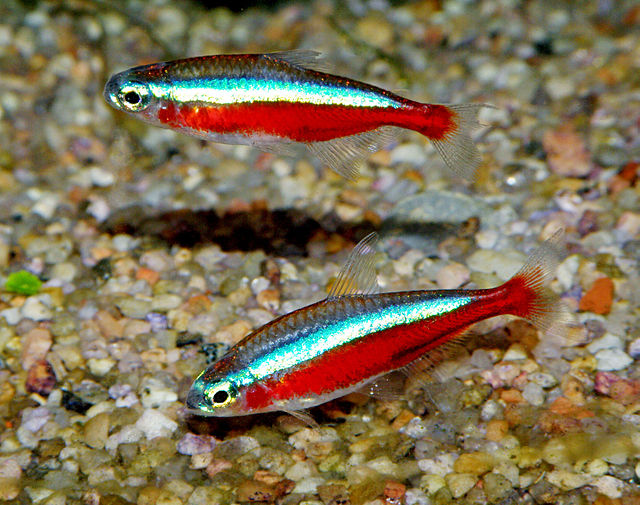
Cardinal Tetra
Paracheirodon axelrodi
Similar to neon tetra but red band extends full length for more vibrant color. Stunning in large groups. Prefers soft water.
 © Vlad Butsky from San Jose, CA, USA / CC BY 2.0
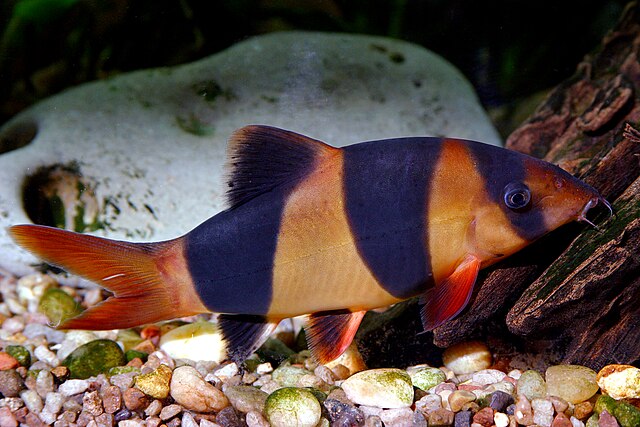
Clown Loach
Chromobotia macracanthus
Beautiful bottom-dweller with orange and black bands. Sleeps on its side — unique behavior. Very active in groups.
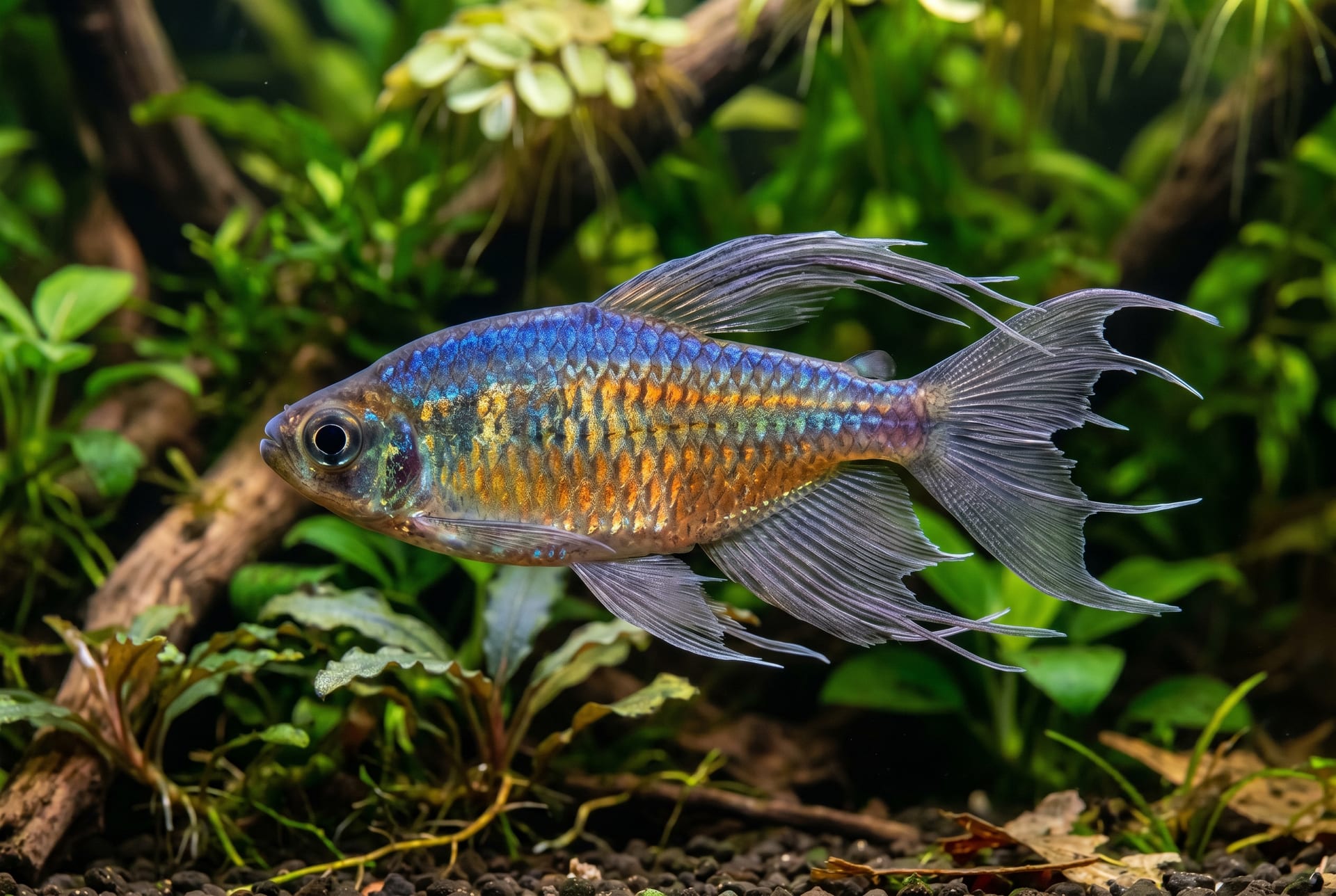
Congo Tetra
Phenacogrammus interruptus
A larger tetra that shimmers in iridescent blue, gold, and orange. Males develop flowing, feathery tail fins, making this dazzling schooler the flagship African characin.
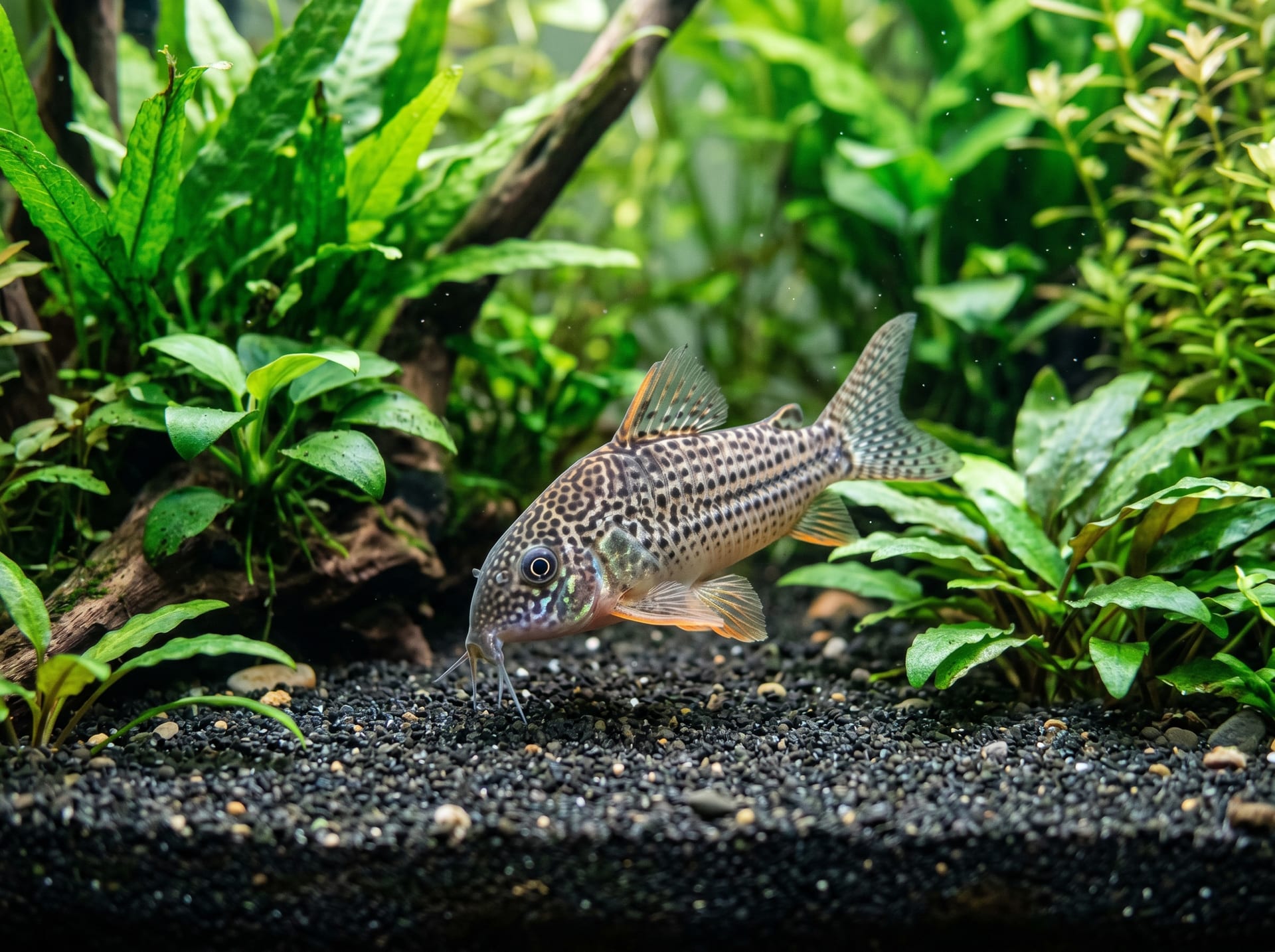
Corydoras
Cute small catfish that sifts through substrate. More active in groups. Peaceful for community tanks. Many collectors.
 © Pascal Wolterman / CC BY-SA 3.0
Ember Tetra
Hyphessobrycon amandae
Tiny tetra that glows ember-orange. Beautiful contrast against green plants. Perfect for small tanks.
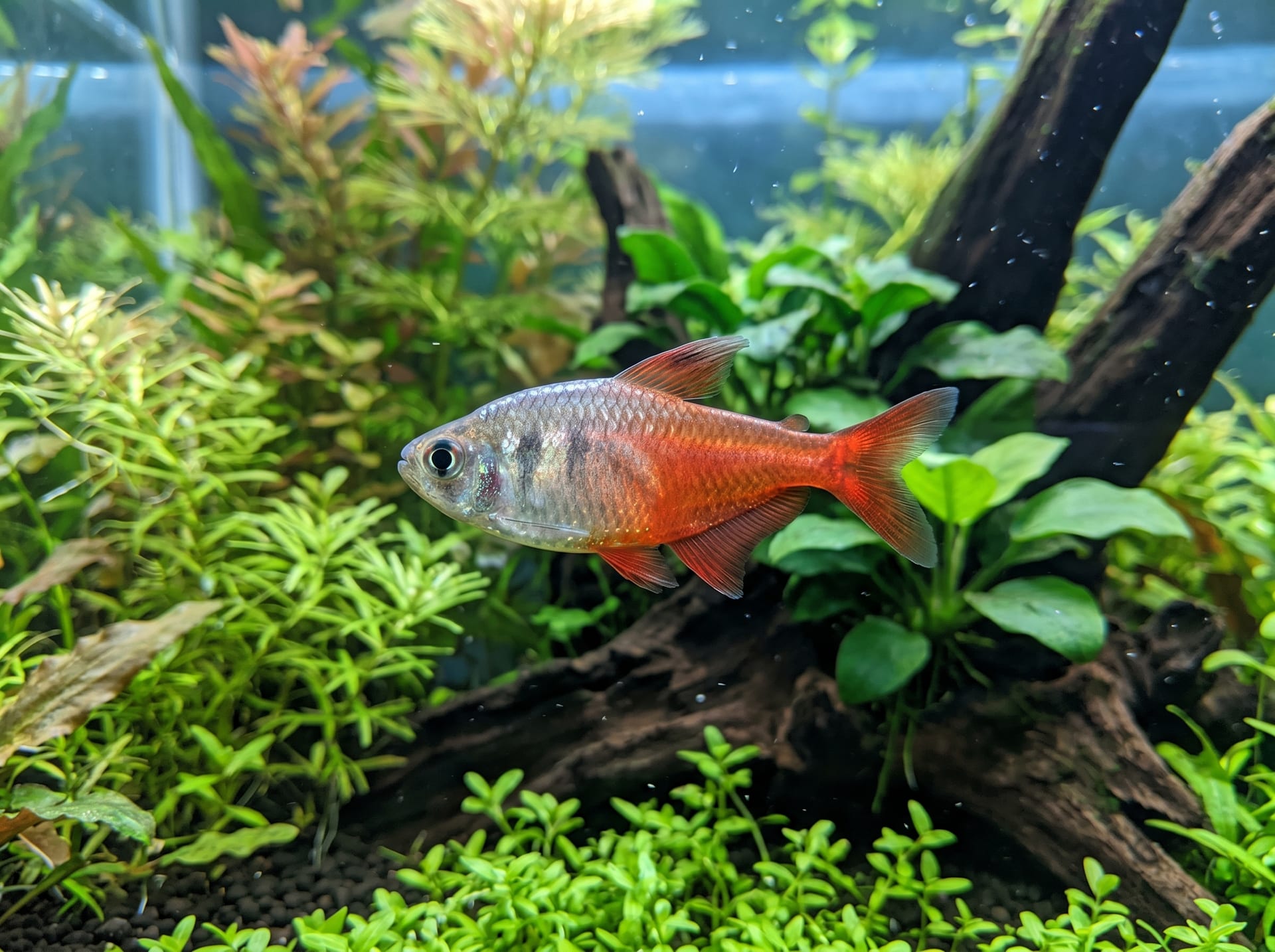
Fire Tetra
Hyphessobrycon flammeus
Small tetra with vivid flame-like red rear half. Hardy and easy to keep, prefers slightly acidic water. Particularly beautiful in schools, popular beginner species that looks stunning in planted tanks.
 © No machine-readable author provided. Daiju Azuma assumed (based on copyright claims). / CC BY-SA 2.5
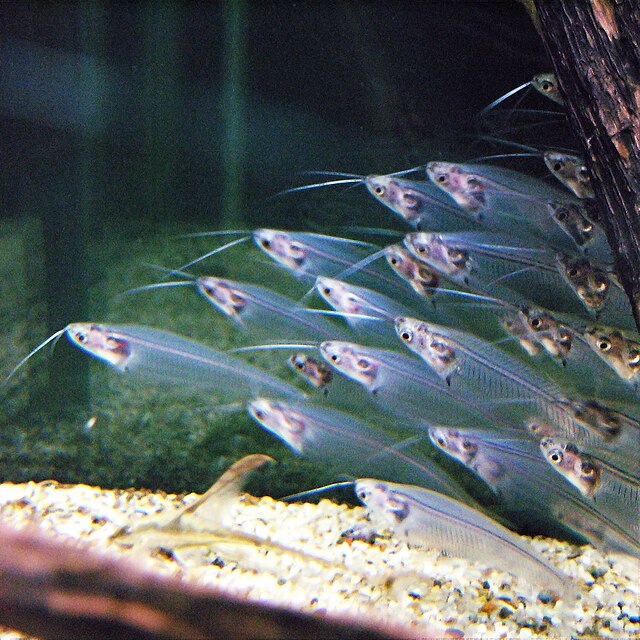
Glass Catfish
Kryptopterus vitreolus
A unique catfish with transparent body showing visible skeleton. Fantastical appearance when swimming in groups.
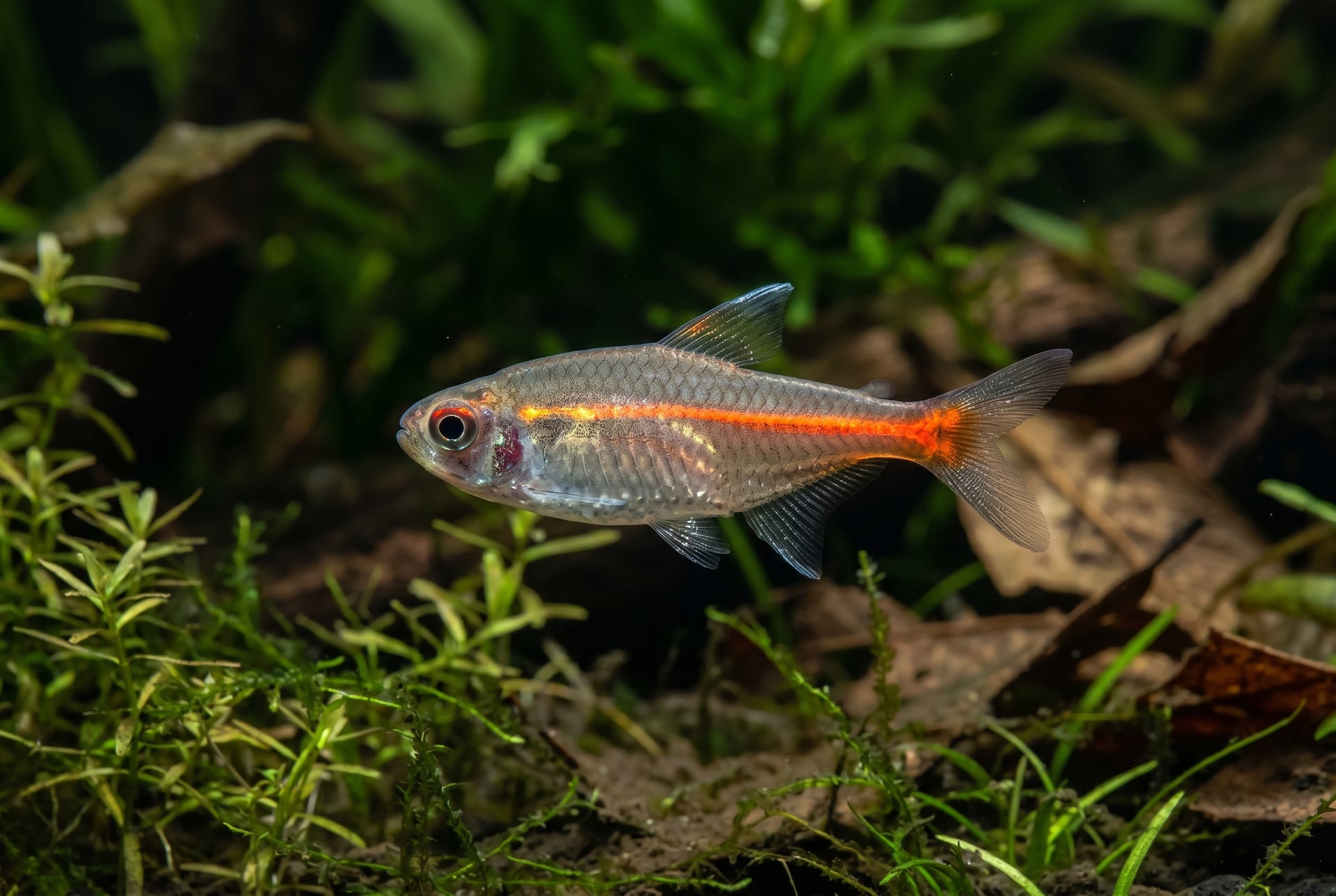
Glowlight Tetra
Hemigrammus erythrozonus
A small tetra whose translucent body is crossed by a single glowing orange line. Hardy, peaceful, and beautiful in a school, it is an easy entry-level characin.
 © Birger A / CC BY-SA 3.0
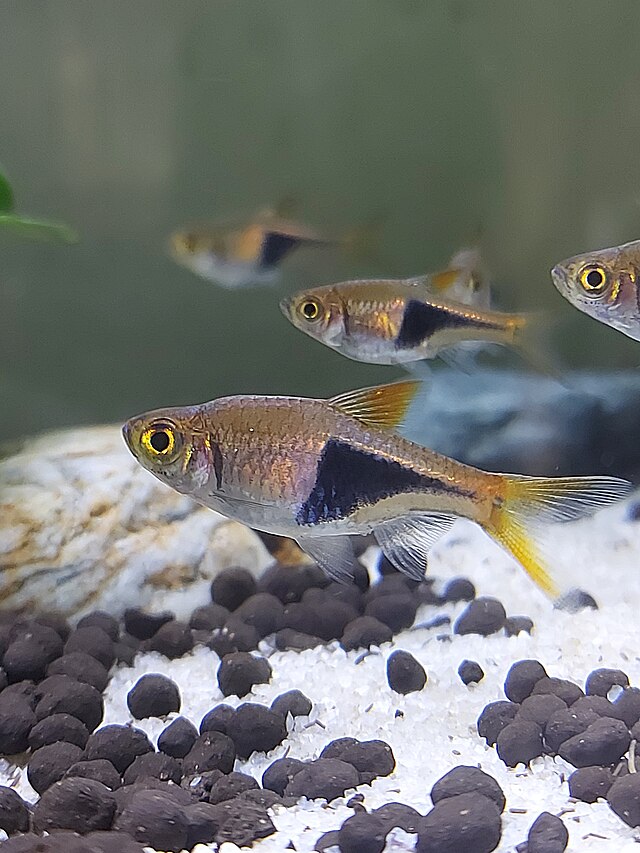
Harlequin Rasbora
Trigonostigma heteromorpha
A beautiful small fish with orange body and black triangle mark. Schooling looks best in planted tanks.
 © Tsunamicarlos / Public domain
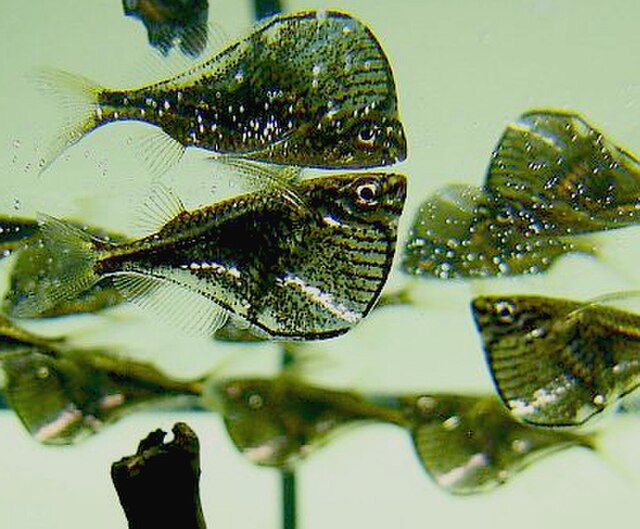
Hatchetfish
Distinctive hatchet-shaped body. Surface-dwelling fish that swims just below water line. Jumping risk — lid essential.
 © Holger Krisp / CC BY 3.0
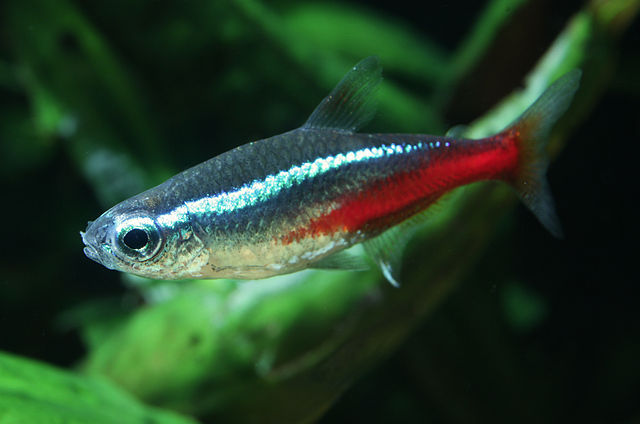
Neon Tetra
Paracheirodon innesi
The quintessential tropical fish. Beautiful neon blue and red coloring. Stunning when kept in schools. Hardy and beginner-friendly.
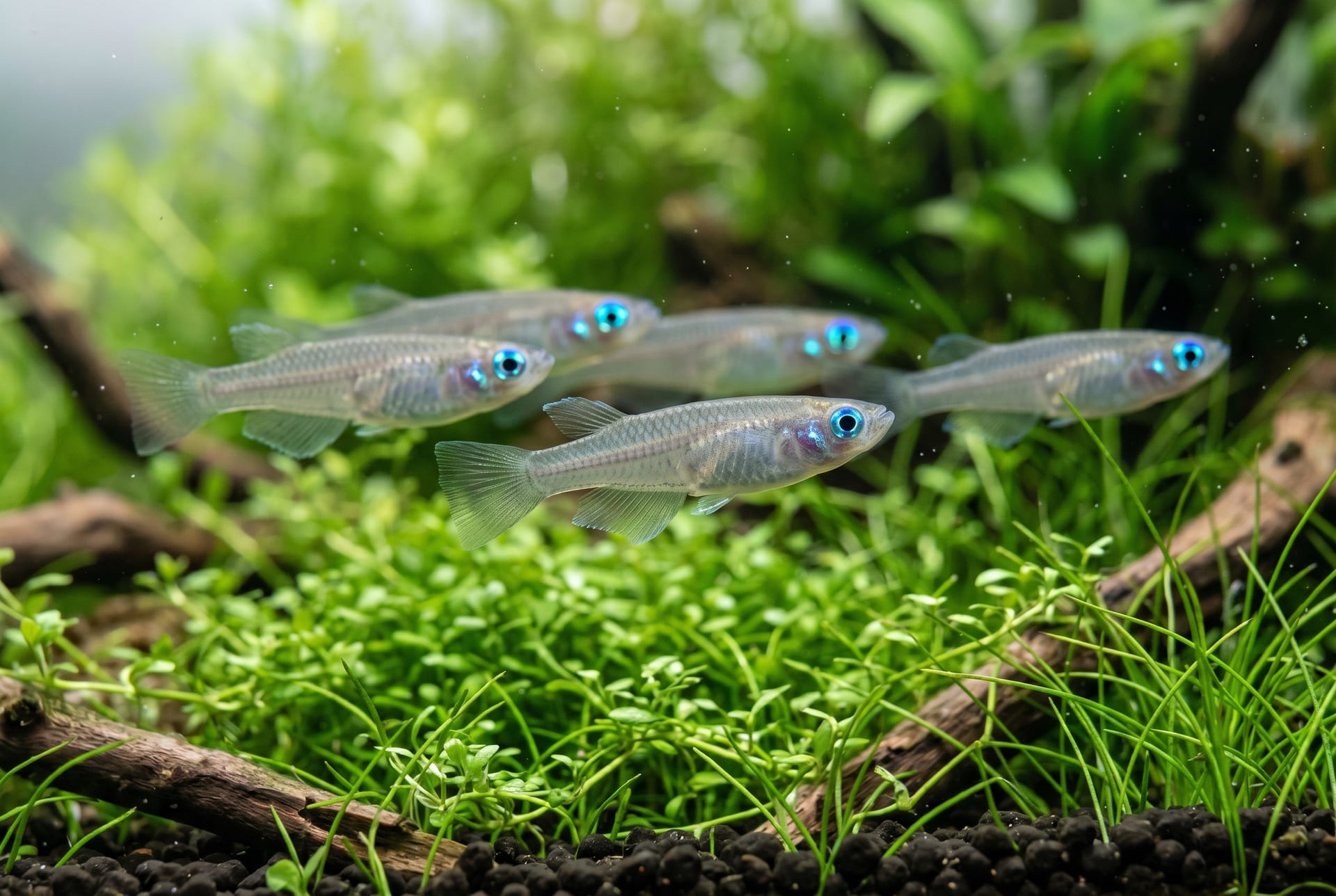
Norman's Lampeye
Poropanchax normani
A tiny fish whose upper eye glows jewel-like blue. The luminous blue eye against a modest silvery body and its schooling shimmer make this hardy killifish relative a lovely beginner nano fish.
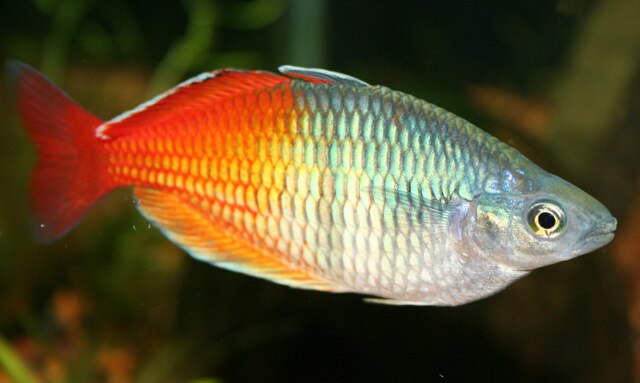 © Eileen Kortright ( Roan Art ) / CC BY 2.5
Rainbowfish
Beautiful fish from Australia/New Guinea that shine rainbow colors in morning light. Spectacular in schools.
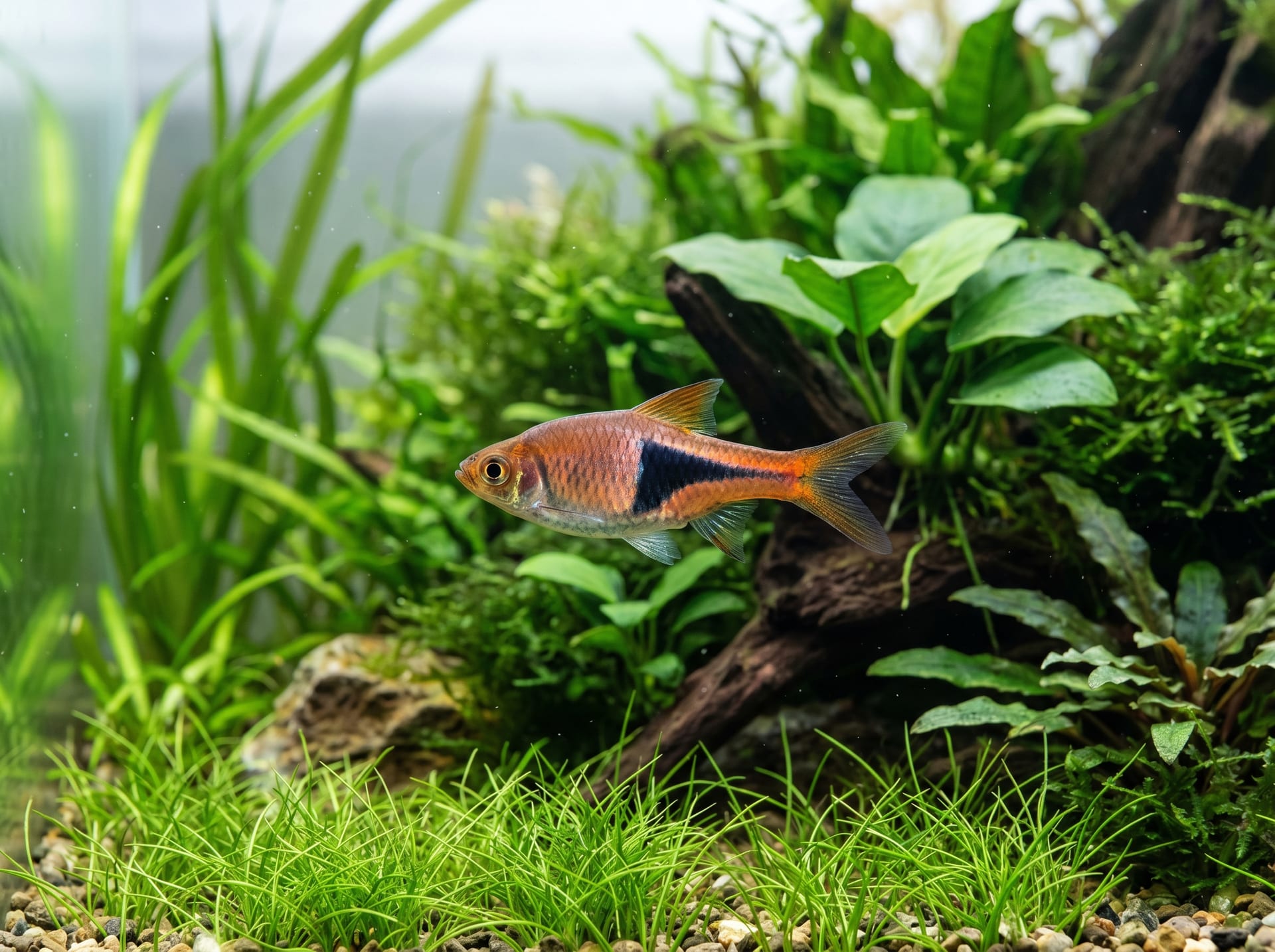
Rasbora
Small schooling fish from Southeast Asia. Espei and harlequin rasbora most popular. Perfect for planted tanks.
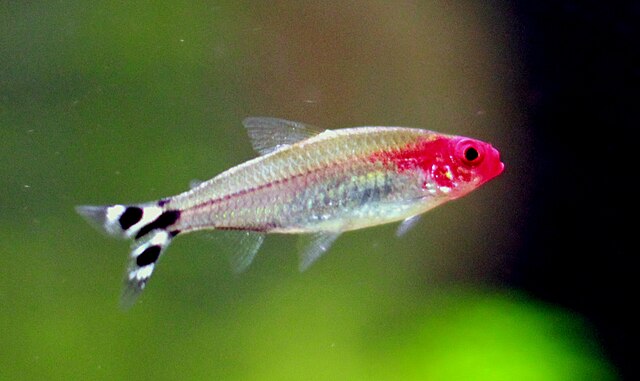 © Soulkeeper / CC BY-SA 3.0
Rummy Nose Tetra
Red nose tip and black-white tail distinctive. Most uniform schooling among tetras. Better water quality means brighter red.
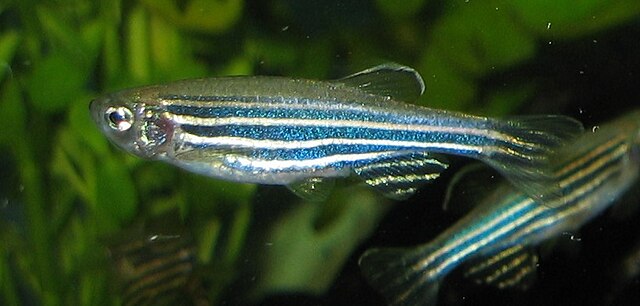 © Sascha Biedermann / CC BY-SA 2.5
Zebra Danio
Danio rerio
A hardy small fish with beautiful stripes that adds energy to the aquarium.
Related Content
Tropical Fish FAQ
- Can beginners keep tropical fish?
- Guppies, neon tetras, and corydoras are hardy and perfect for beginners. They can be kept in small tanks, and as long as you manage water temperature, it's relatively easy to get started.
- How much do tropical fish cost?
- Neon tetras cost 100-300 yen each, guppies 300-2,000 yen, bettas 1,000-10,000 yen, and premium discus 5,000-50,000+ yen depending on the species.
- How long do tropical fish live?
- Small tetras live 2-5 years, guppies 1-2 years, corydoras 5-10 years, and discus 10+ years, varying greatly by species.
- What's the minimum equipment needed?
- You'll need a tank, heater, filter, light, and water conditioner at minimum. A 30cm tank can house 5-10 small fish and doesn't take much space.
- What should I check when buying tropical fish?
- Check for vivid coloring, active swimming, and no signs of disease like ich. After purchase, acclimate carefully and avoid sudden temperature changes.