Tropical Fish Encyclopedia — 71 Species Directory
Encyclopedia of popular tropical fish species with care guides, traits, and water parameters.
Featured Tropical Fish
Showing 5 of 71 species
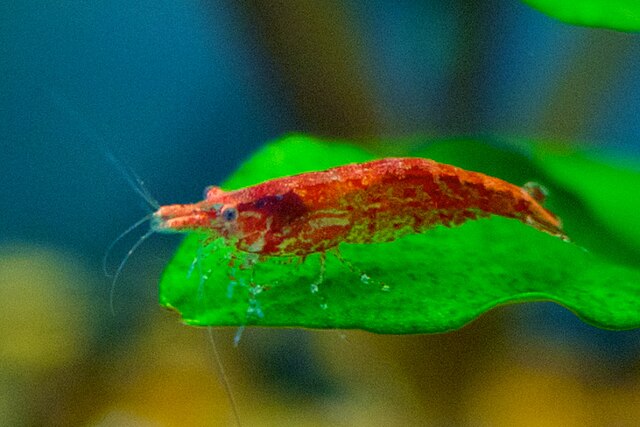 © TheJammingYam ( talk ) / CC BY-SA 3.0
Cherry Shrimp
Neocaridina davidi
Small bright red freshwater shrimp. Excellent algae cleaner. Easy to breed and popular in planted tanks.
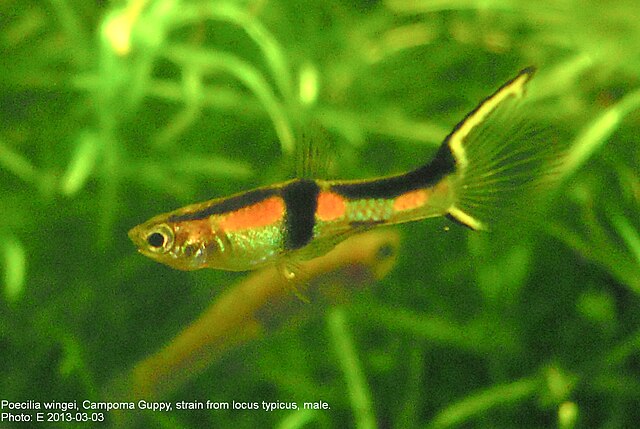 © Emilio17 / CC BY-SA 3.0
Endlers Livebearer
Poecilia wingei
Close relative of guppy with wild beauty. Small body with metallic coloring. Purists dedicated to maintaining bloodlines.
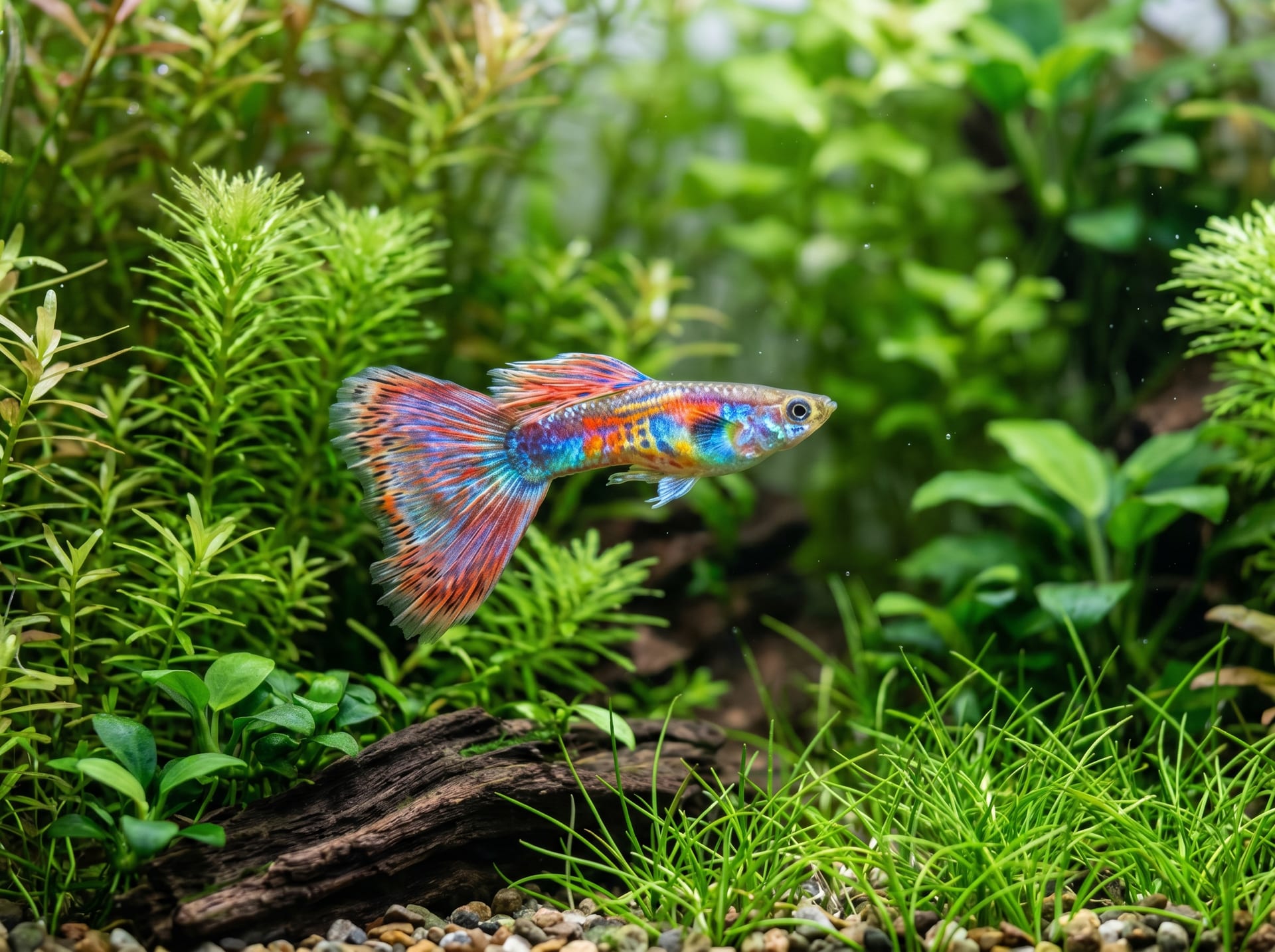
Guppy
Poecilia reticulata
The fish that 'begins and ends' the tropical fish hobby. Livebearing makes breeding easy. Endless tail color and shape varieties.
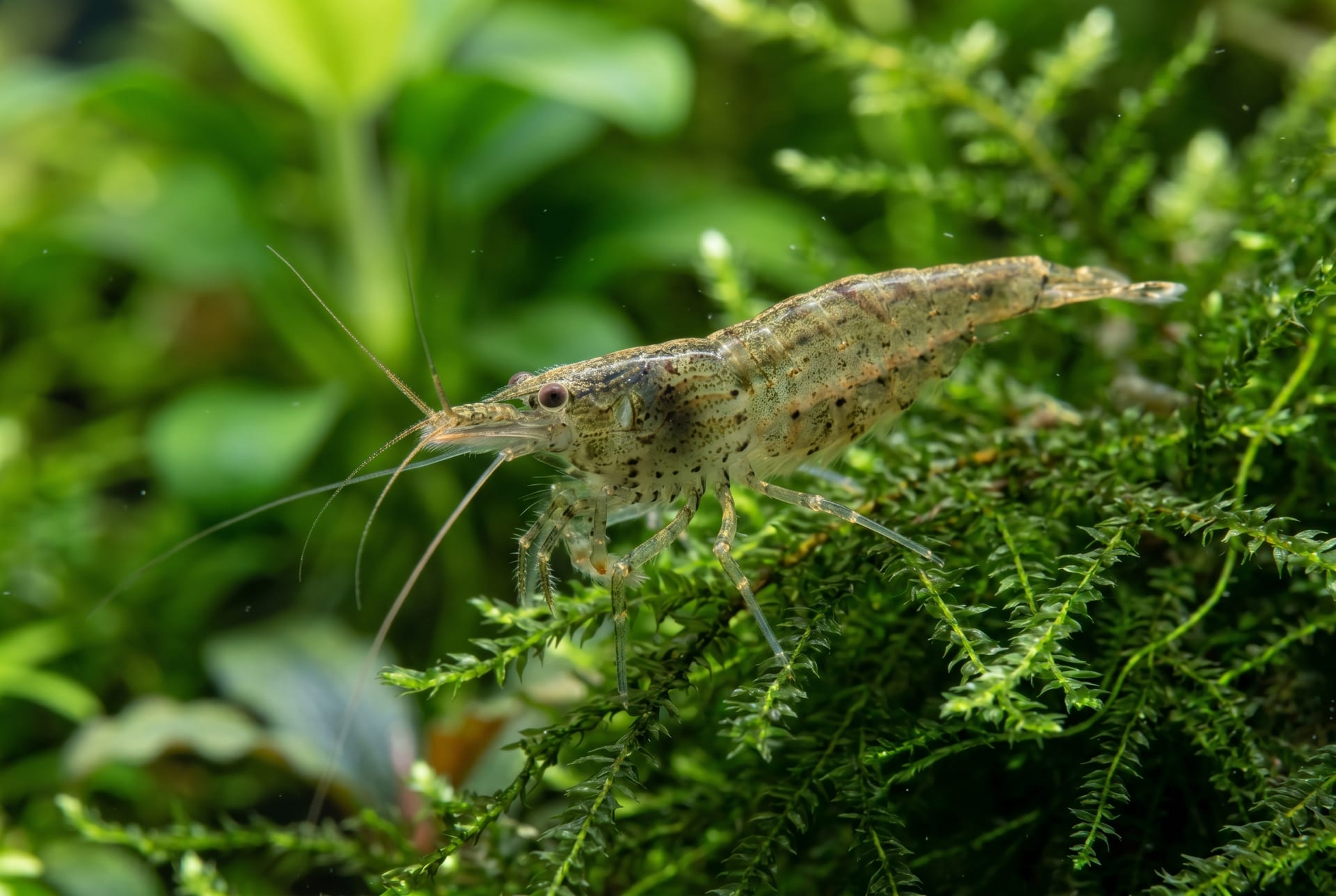
Minami Numa-ebi (Neocaridina)
Neocaridina denticulata
A native Japanese freshwater shrimp, hardy and easy to breed entirely in freshwater. Plain in color but beloved for the fun of breeding and its algae-eating help.
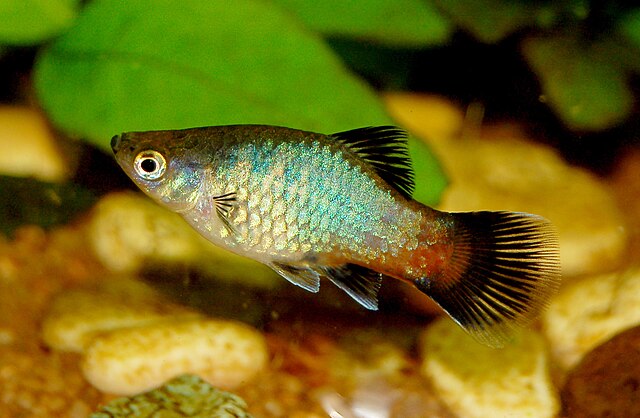 © Marrabbio2 / CC BY-SA 3.0
Platy
Xiphophorus maculatus
Colorful and hardy livebearing fish. Perfect for beginners and easy to breed. Highly adaptable to various water conditions.
Related Content
Tropical Fish FAQ
- Can beginners keep tropical fish?
- Guppies, neon tetras, and corydoras are hardy and perfect for beginners. They can be kept in small tanks, and as long as you manage water temperature, it's relatively easy to get started.
- How much do tropical fish cost?
- Neon tetras cost 100-300 yen each, guppies 300-2,000 yen, bettas 1,000-10,000 yen, and premium discus 5,000-50,000+ yen depending on the species.
- How long do tropical fish live?
- Small tetras live 2-5 years, guppies 1-2 years, corydoras 5-10 years, and discus 10+ years, varying greatly by species.
- What's the minimum equipment needed?
- You'll need a tank, heater, filter, light, and water conditioner at minimum. A 30cm tank can house 5-10 small fish and doesn't take much space.
- What should I check when buying tropical fish?
- Check for vivid coloring, active swimming, and no signs of disease like ich. After purchase, acclimate carefully and avoid sudden temperature changes.