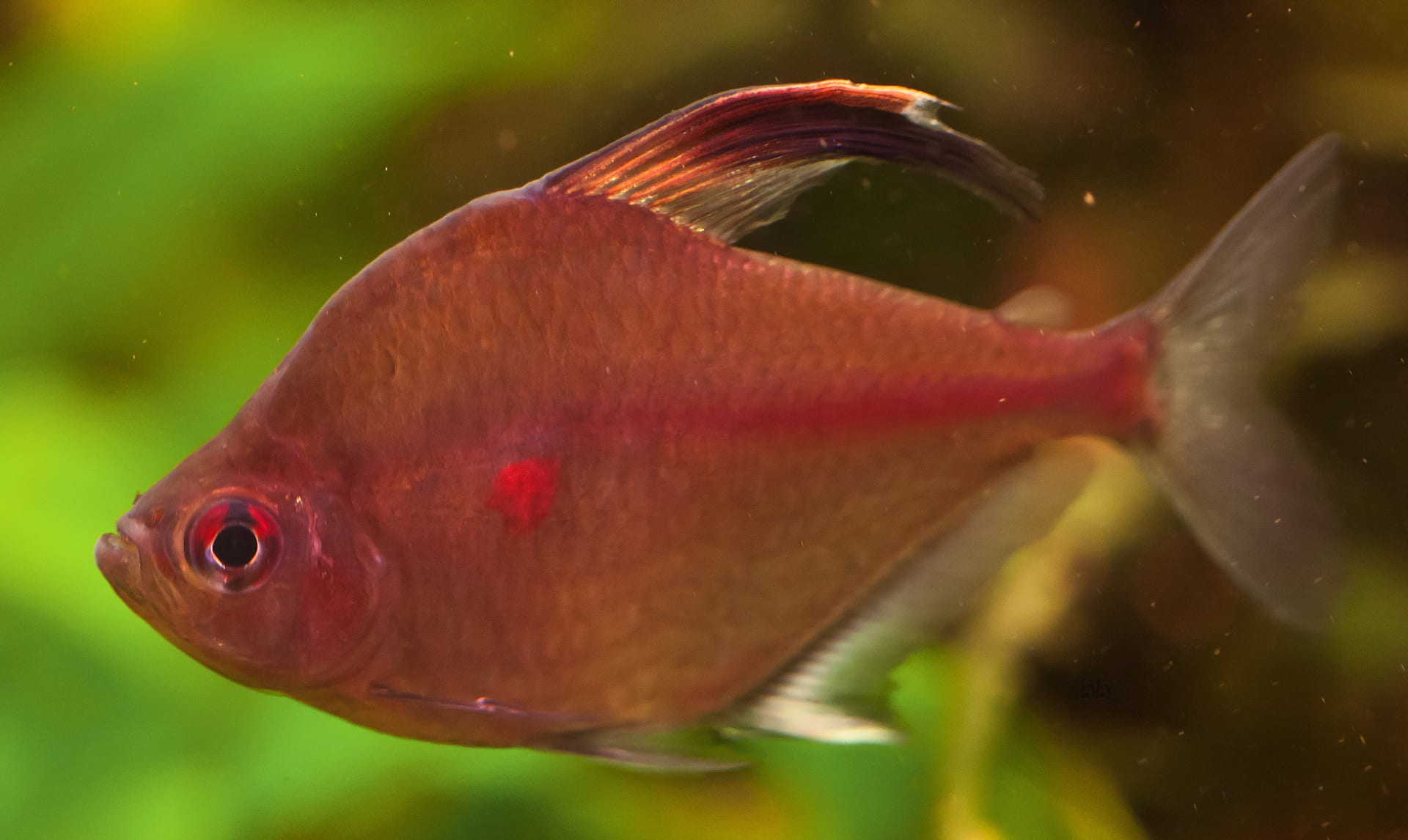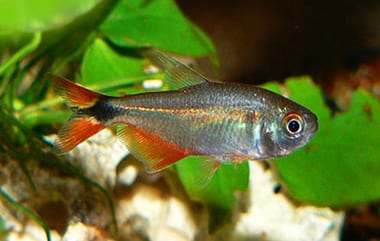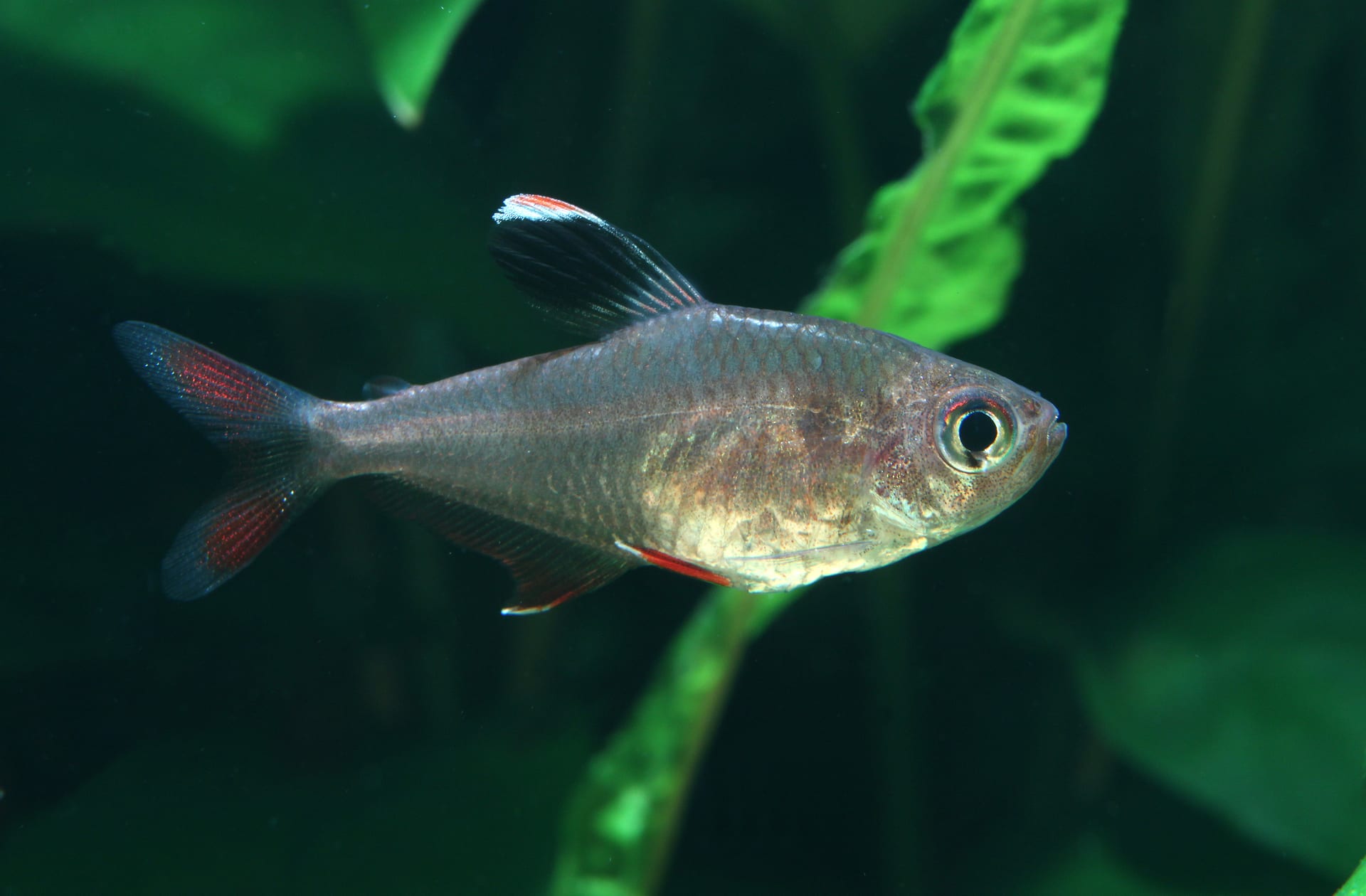
Source: Wikimedia Commons
White-fin rosy tetra
BeginnerMegalamphodus bentosi
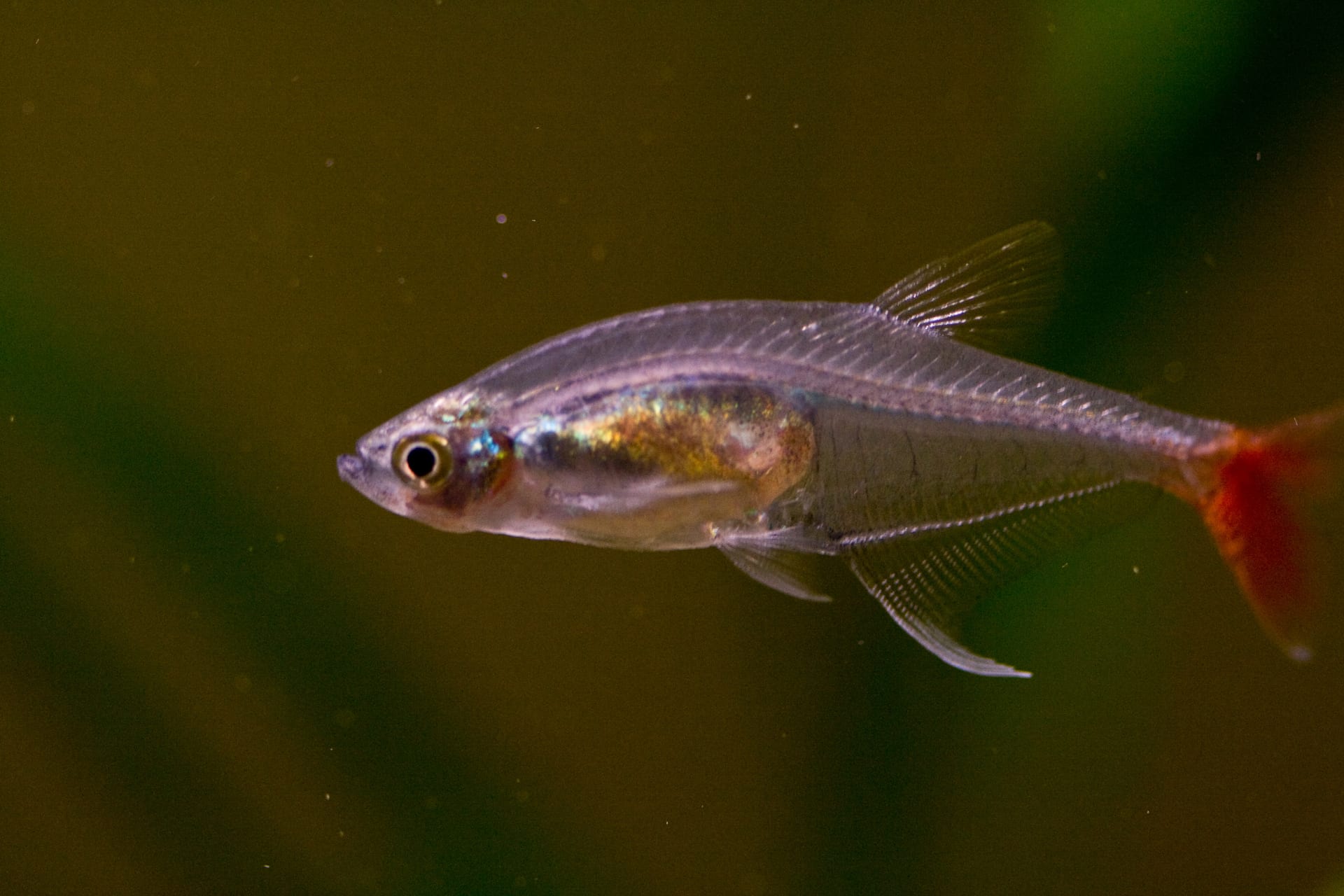
A small tetra from tributaries of South America's great northern river, pale rosy with white-tipped dorsal, anal and pelvic fins. Distinct from the similar rosy tetra and lovely in a group.
Difficulty
Beginner
Temperature
24〜28℃
Lifespan
Few reliable data
Size
Up to 4.3 cm SL (FishBase)
Diet
Omnivore (prepared foods, small frozen and live foods)
About
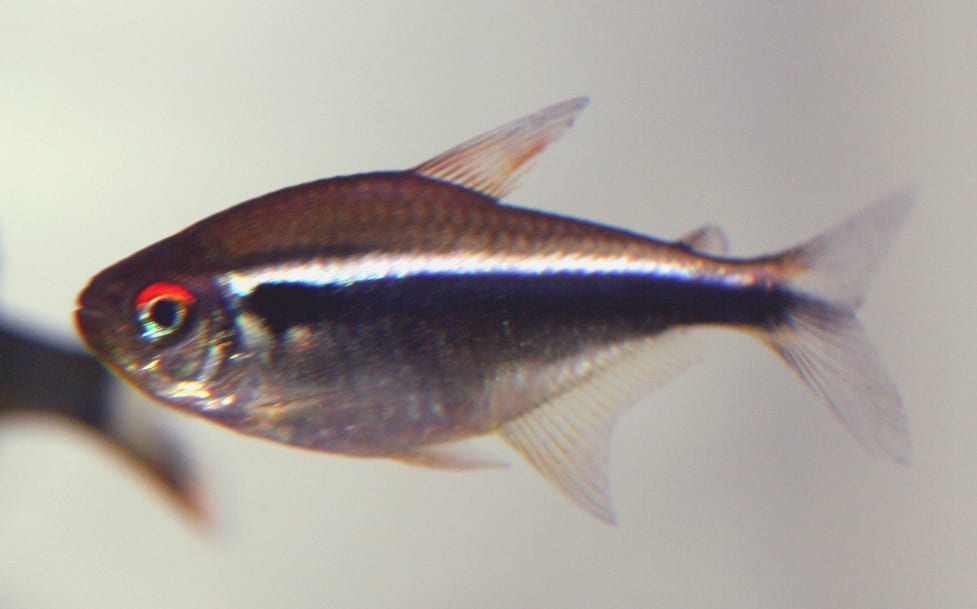
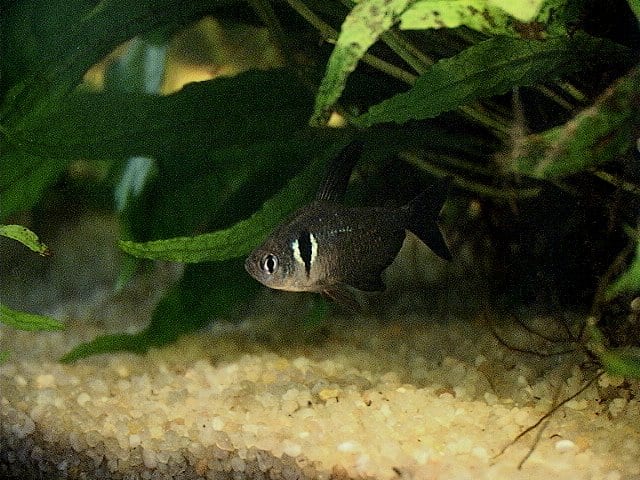
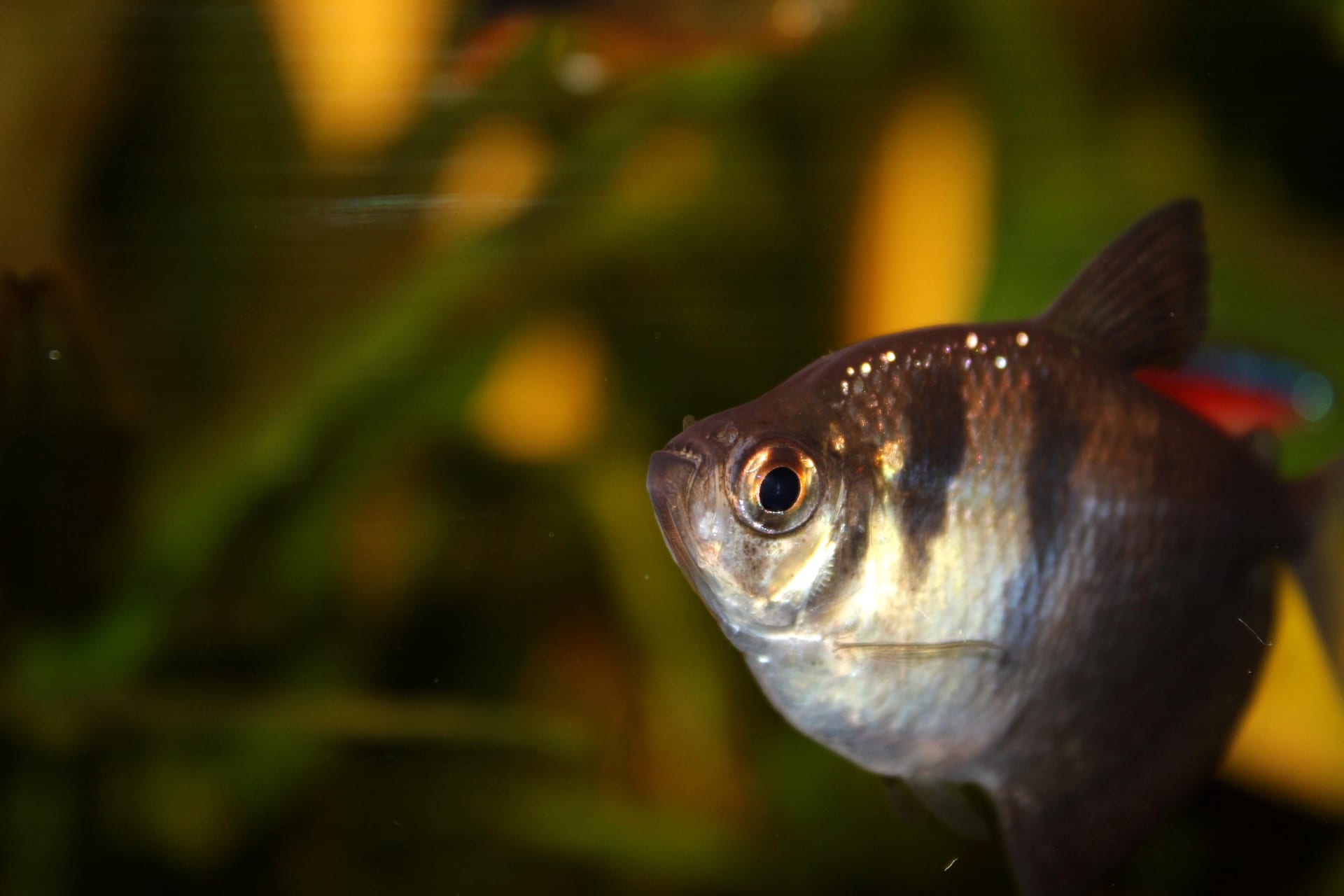
This tetra was long known as Hyphessobrycon bentosi; FishBase now places it in Megalamphodus as Megalamphodus bentosi, though trade names and older books often use the old name. A small characid, its type specimens came from the main channel of the river at Óbidos, Pará, Brazil (Seriously Fish). It reaches 4.3 cm SL (FishBase). It lives in sluggish tributaries, side arms and forest lakes around submerged roots, fallen branches and plants, in soft, tannin-stained water. The pale rosy body and white-tipped fins give it its name. Many similar fish, including the rosy tetra (M. rosaceus) and undescribed species, make misidentification easy. It is also called bentos tetra or white-tipped tetra. Mature males are less deep-bodied with more intense fin colour. It is regularly available from Japanese specialist shops.
Source: Wikipedia (CC BY-SA 4.0)
Size of the White-fin rosy tetra
The White-fin rosy tetra grows to Up to 4.3 cm SL (FishBase).
Temperature & humidity for the White-fin rosy tetra
The ideal temperature for the White-fin rosy tetra is 24〜28℃.
Basic Info
Origin
South America (lower Amazon around Óbidos, Pará, Brazil)
Lifespan
Few reliable data
Size
Up to 4.3 cm SL (FishBase)
Temperature
24〜28℃
References & Sources
Edited & verified by: BreederDirect editorial team
The taxonomic, regulatory, and husbandry data on this page are compiled and verified against the authoritative primary sources below.
Primary sources
Taxonomy & Authority
Regulations & Conservation Status
Not CITES-listedIUCN LC · Least Concern
Not listed in the CITES Appendices (checked on Species+). Not designated under Japan's Invasive Alien Species Act, nor on the Ministry of the Environment's list of invasive alien species. Never release aquarium fish into the wild.
Sources: Species+ (CITES) / FishBase
Regulations may change. Always verify the latest information with the relevant authorities.
White-fin rosy tetra Listings
Loading latest listingsFind listings for this species