Source: Wikimedia Commons
Silvertip Tetra
BeginnerHasemania nana
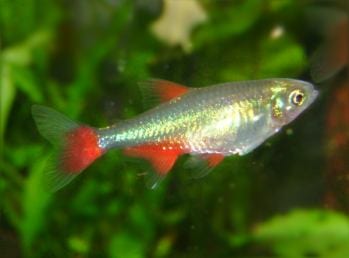
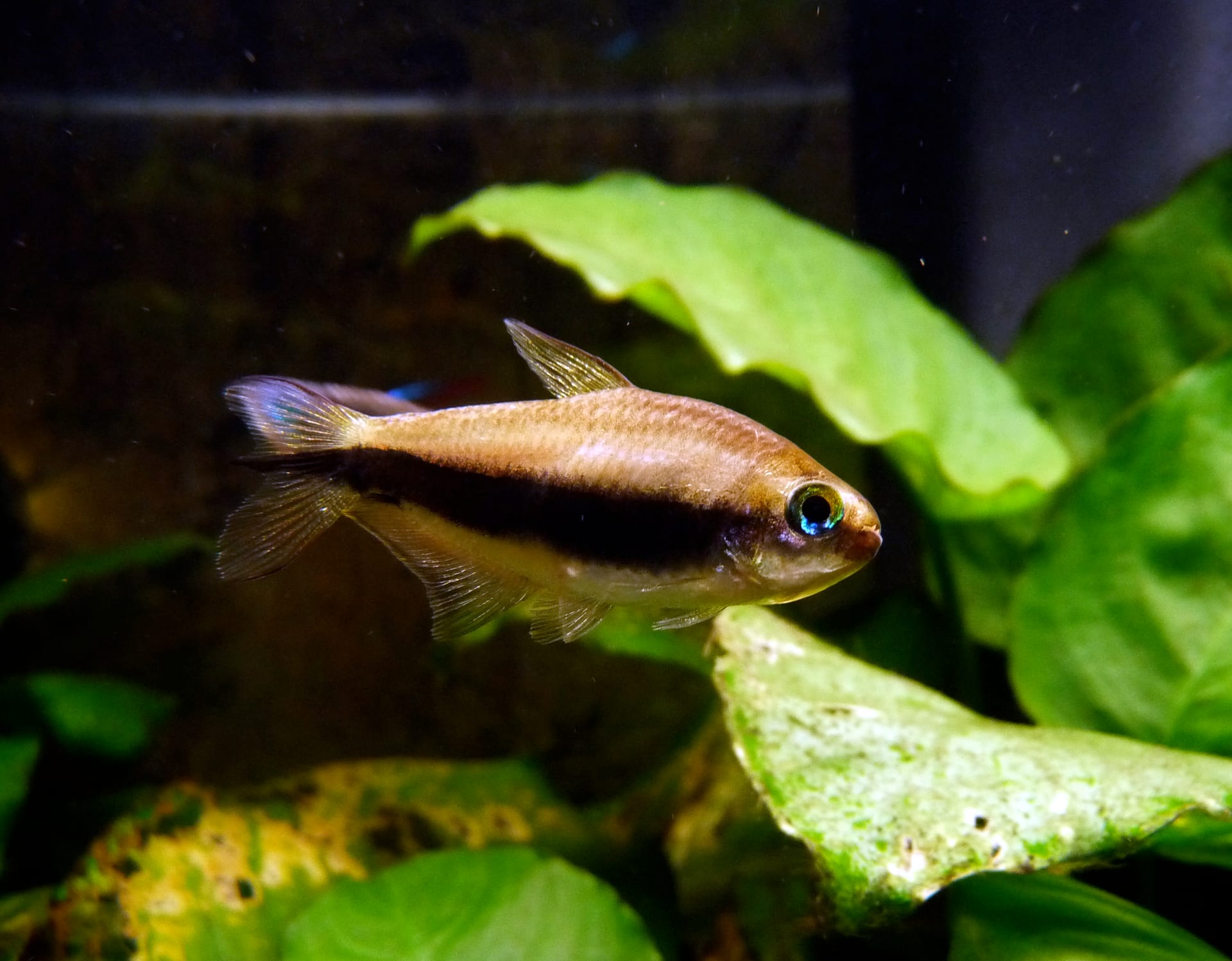
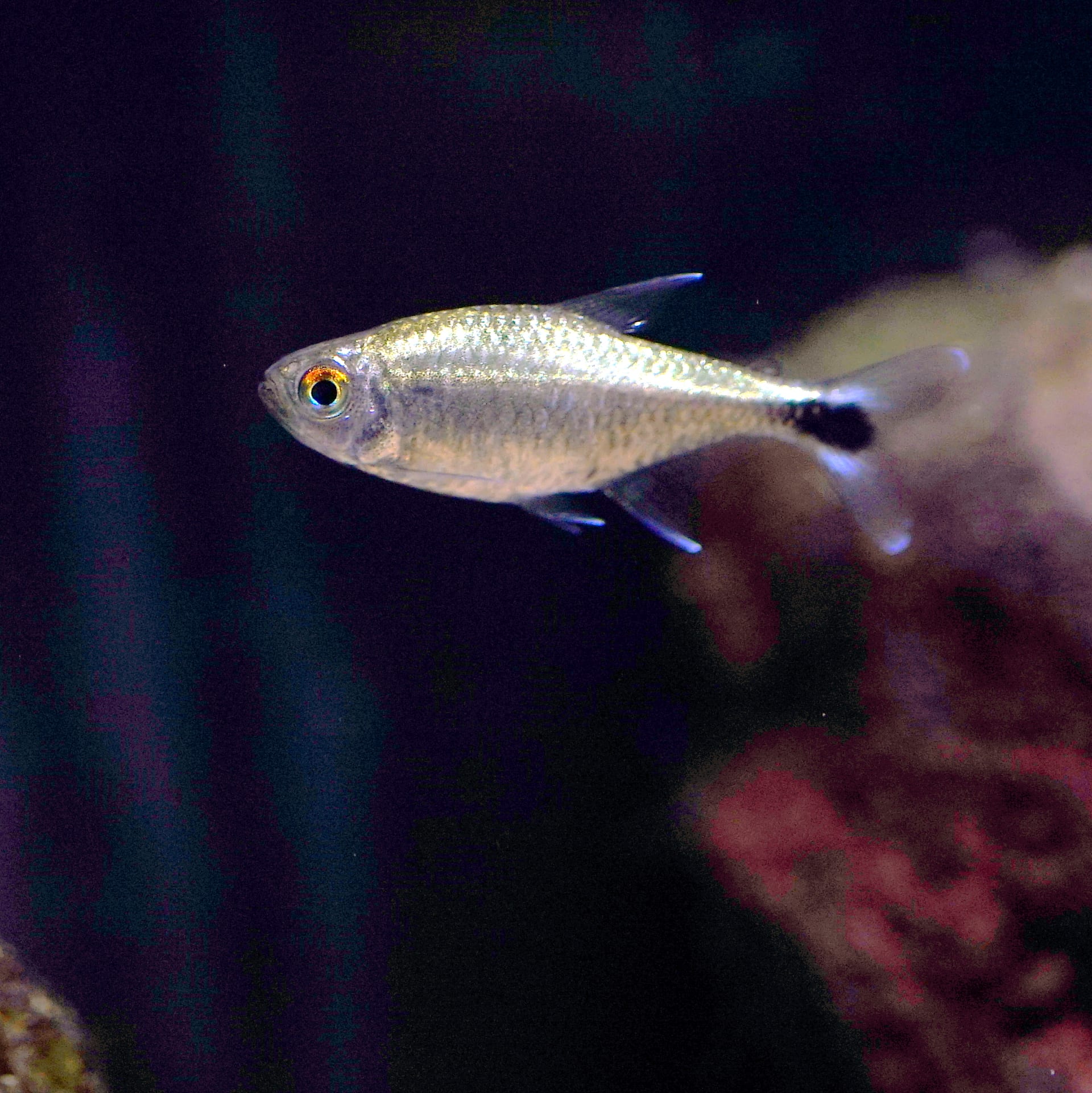
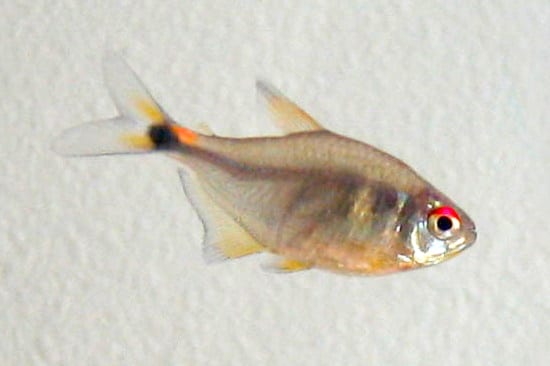
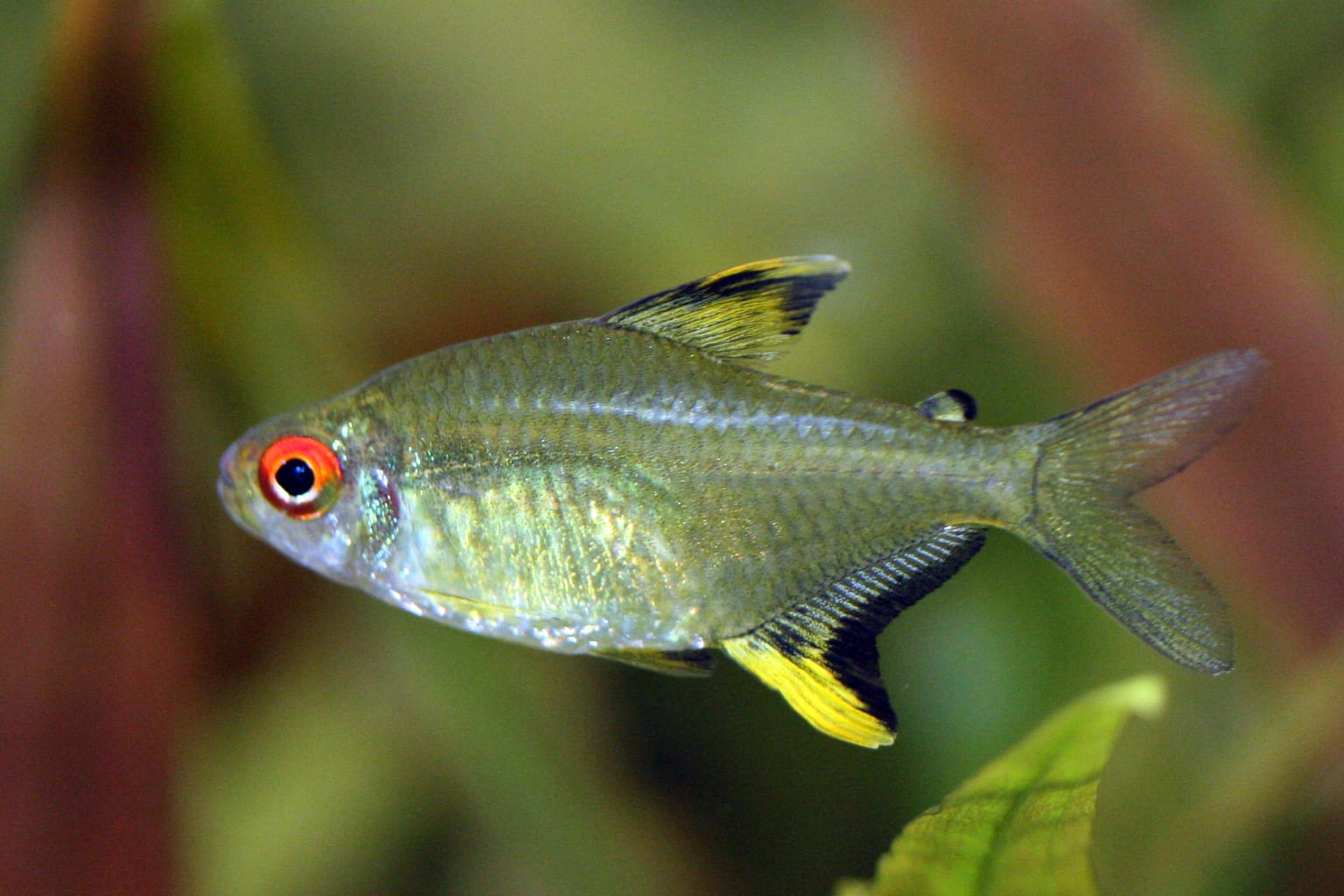
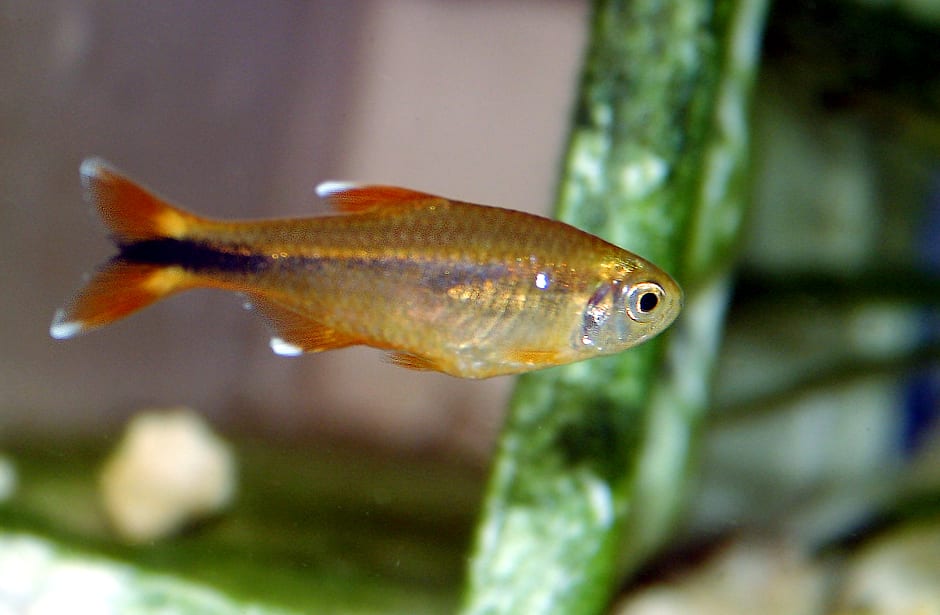
A small characin, copper to yellow-brown with white tips to the fins. Unusually for the family it has no adipose fin. Hardy and inexpensive, every fish in the trade is captive bred and undemanding about both water and food.
Difficulty
Beginner
Temperature
23〜28℃
Lifespan
3-5 years
Size
About 3.8-5cm
Diet
Dried foods, frozen bloodworm, Daphnia, brine shrimp
About
Hasemania nana is a small characin of the Sao Francisco basin in Minas Gerais, Brazil. FishBase gives 3.8cm SL, pH 6.0-8.0, 5-19 dH and 22-28C, and recommends groups of five or more in a tank of 60cm or longer, while Seriously Fish gives 5.0cm SL, 23-28C, pH 6.0-8.0, 5-20 dGH and a base of at least 60 by 38cm. The name comes from the white tips to the fins on a copper to yellow-brown body, and Hasemania is one of the few genera in the Characidae whose members lack an adipose fin. It favours creeks and tributaries away from the main channels and has been taken in both white and black water. Every fish in the trade is captive bred and undemanding about water and food. It suits a well-planted tank and colours up best under slightly dimmed lighting.
Source: Wikipedia (CC BY-SA 4.0)
Lifespan of the Silvertip Tetra
The Silvertip Tetra lives 3-5 years.
Size of the Silvertip Tetra
The Silvertip Tetra grows to About 3.8-5cm.
Temperature & humidity for the Silvertip Tetra
The ideal temperature for the Silvertip Tetra is 23〜28℃.
Basic Info
Origin
South America (the Sao Francisco river basin in Minas Gerais, Brazil)
Lifespan
3-5 years
Size
Care Specifications
- pH
- 6–8
- Hardness (GH)
- 5–20 dGH
- Water Temp.
- 23–28℃
- Min. Tank
- 68 L
PeacefulGroupBreeding: Moderate
Sources: Seriously Fish / FishBase
References & Sources
Edited & verified by: BreederDirect editorial team
The taxonomic, regulatory, and husbandry data on this page are compiled and verified against the authoritative primary sources below.
Taxonomy & Authority
Regulations & Conservation Status
Not CITES-listedIUCN LC · Least Concern
Sources: CITES Appendices (species not listed) / IUCN Red List
Regulations may change. Always verify the latest information with the relevant authorities.
Silvertip Tetra Listings
Loading latest listingsFind listings for this species