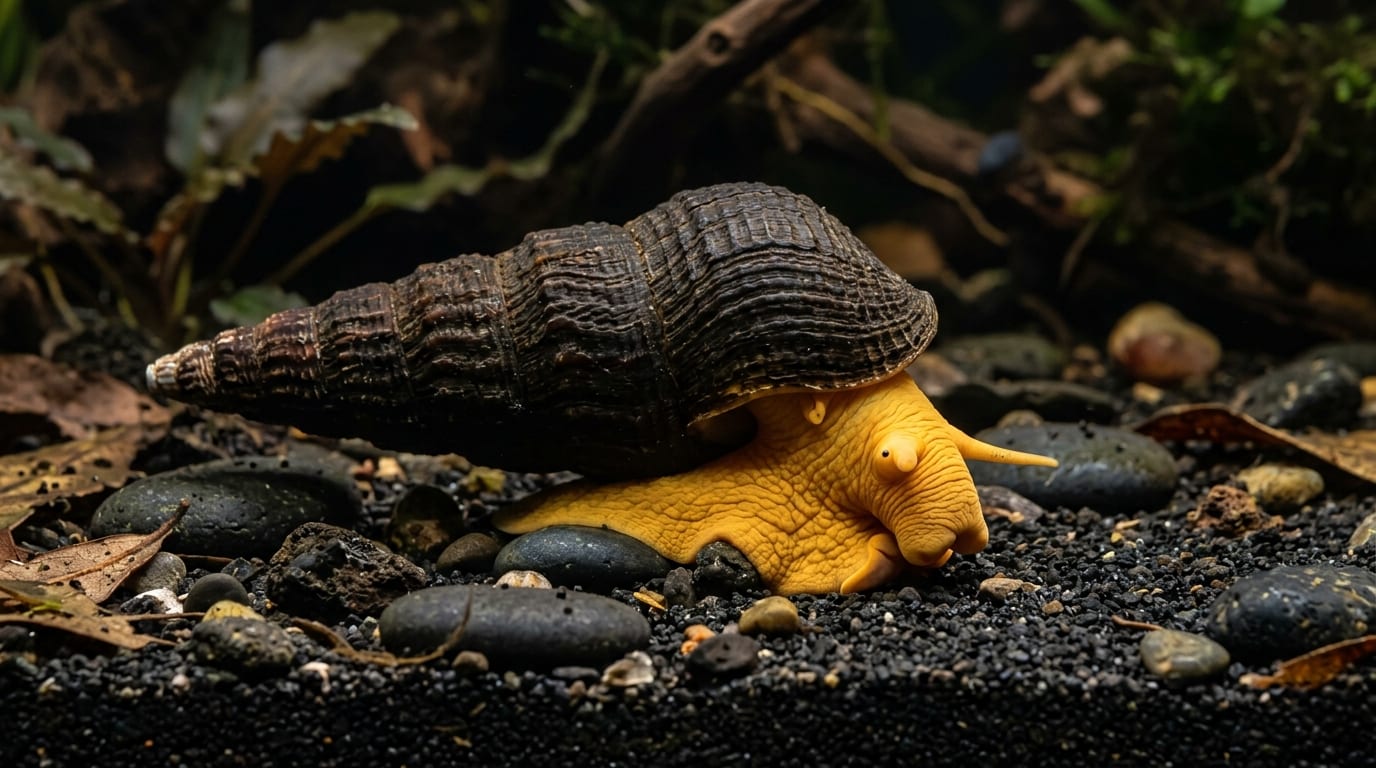
AI-generated image
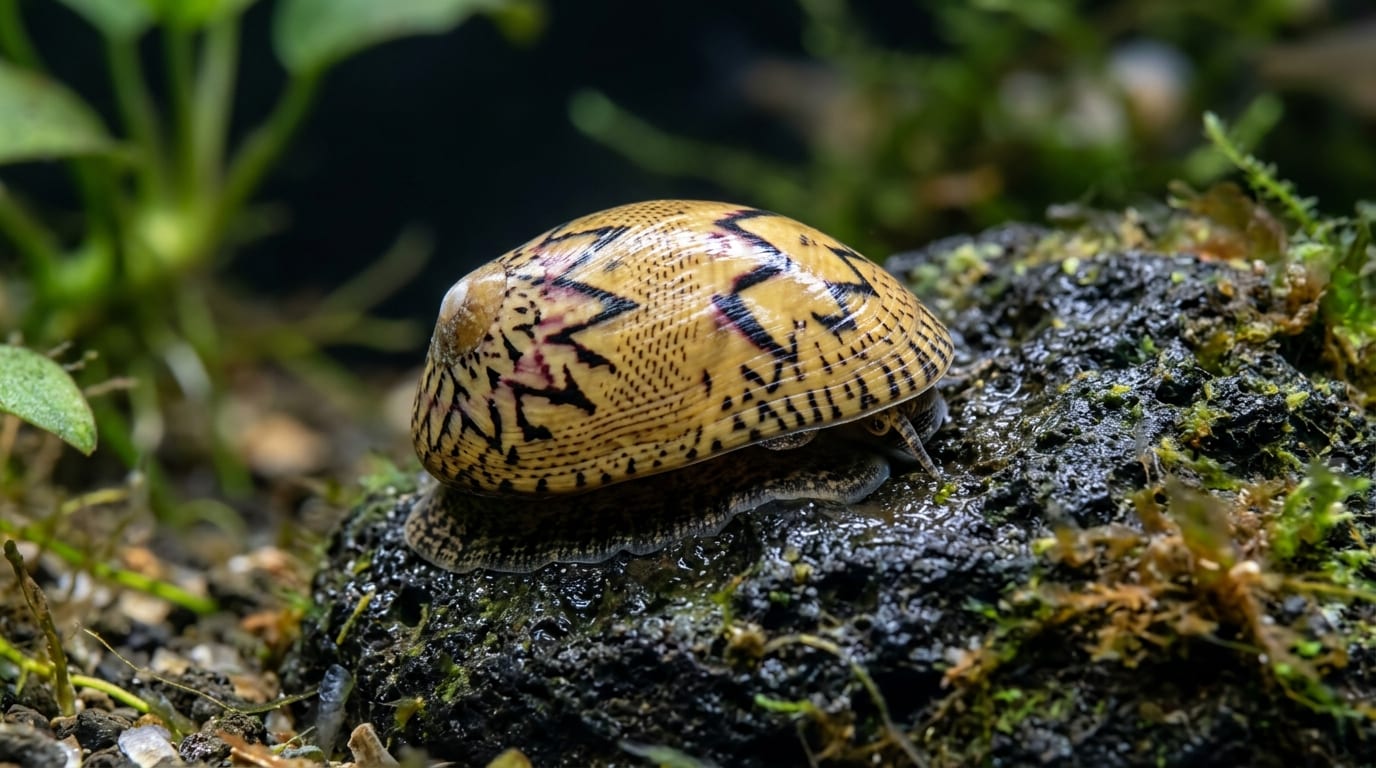
Rabbit Snail
IntermediateTylomelania gemmifera
A large freshwater snail with a tall spiral shell and a rabbit-like face, endemic to the lakes of Sulawesi. It is ovoviviparous, bearing shelled young one at a time.
Difficulty
Intermediate
Temperature
22〜28℃
Lifespan
4-6 years
Diet
Algae, biofilm, sinking prepared foods and blanched vegetables
About
Tylomelania gemmifera belongs to a genus of freshwater snails endemic to Sulawesi in Indonesia. The genus is almost restricted to Lake Poso and the Malili lake system, which includes Matano and Towuti, and is said to be unable to live much above 700m. Thirty-four species were described by 2005, and von Rintelen and colleagues added fifteen more between 2003 and 2008. The tall spiral shells vary widely in form and colour and the aperture closes with a calcareous operculum. The snails are gonochoric and ovoviviparous, females bearing young that already have shells and can reach 2cm, among the largest newborns of any freshwater snail. The radula varies greatly with diet and substrate, which lets several species share one habitat by partitioning niches. It lives over substrates from sand and mud to rock and sunken wood, and its thick shell is read as an adaptation to predation by the crabs of these lakes.
Source: Wikipedia (CC BY-SA 4.0)
Lifespan of the Rabbit Snail
The Rabbit Snail lives 4-6 years.
Basic Info
Origin
Indonesia (lakes of Sulawesi)
Lifespan
4-6 years
Temperature
22〜28℃
Diet
Algae, biofilm, sinking prepared foods and blanched vegetables
Care Guide
Care Specifications
PeacefulGroupBreeding: Moderate
Sources: Wikipedia (Tylomelania) / Wikipedia (de: Tylomelania) / WoRMS
References & Sources
Edited & verified by: BreederDirect editorial team
The taxonomic, regulatory, and husbandry data on this page are compiled and verified against the authoritative primary sources below.
Taxonomy & Authority
Accepted name: Tylomelania gemmifera (P. Sarasin & F. Sarasin, 1897)
Authority databases: GBIF
Nomenclature follows global taxonomic authority databases.
Regulations & Conservation Status
Not CITES-listed
Sources: CITES Appendices (species not listed) / IUCN Red List
Regulations may change. Always verify the latest information with the relevant authorities.
Rabbit Snail Listings
Loading latest listingsFind listings for this species