Source: Wikimedia Commons
African Red-eyed Tetra
IntermediateArnoldichthys spilopterus
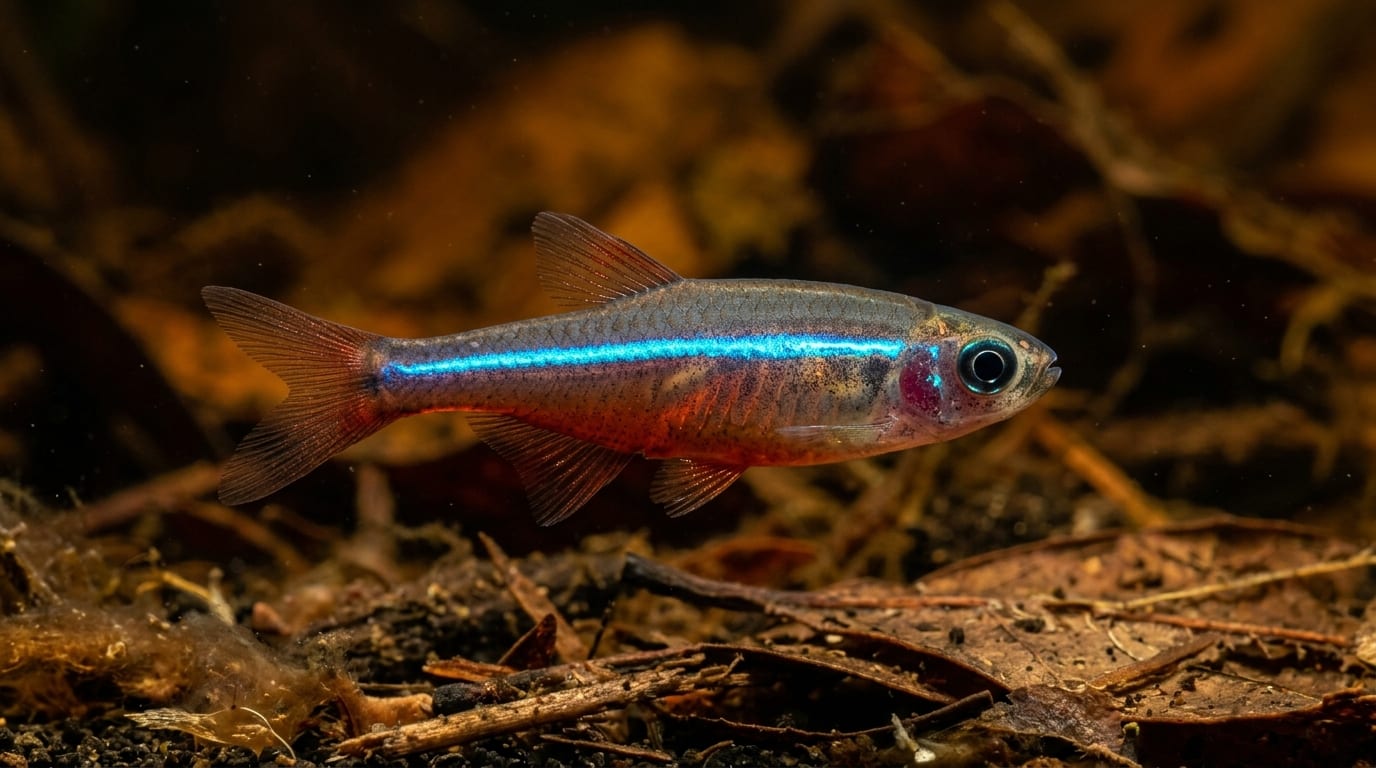
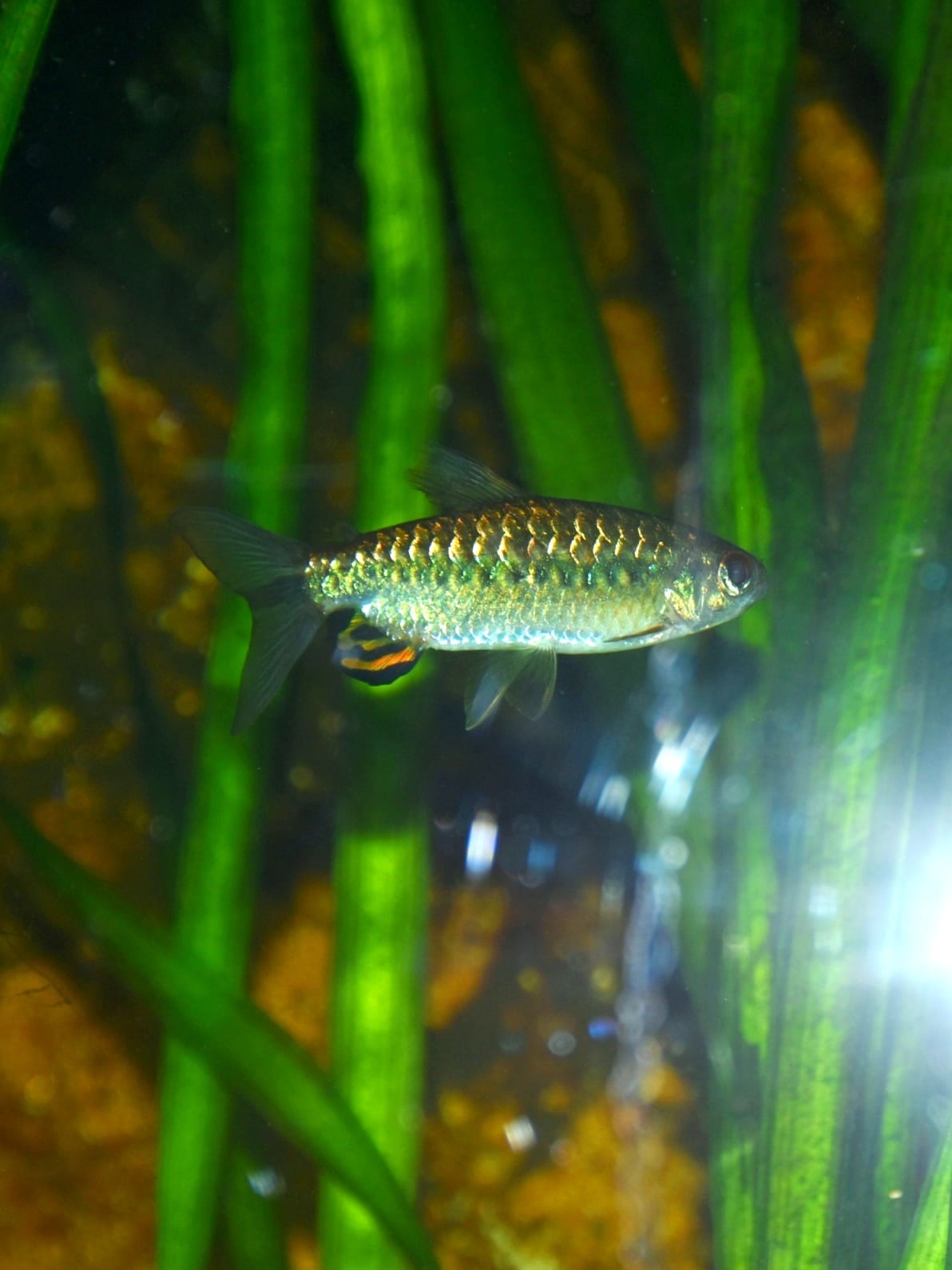
An African characin with large, silvery scales and a red-rimmed eye. It reaches nearly 10cm and swims fast, so it needs a long tank. It is confined to a few river systems in Nigeria.
Difficulty
Intermediate
Temperature
24〜27℃
Lifespan
5-8 years
Size
About 9.6-10cm
Diet
Dried foods, frozen bloodworm, brine shrimp, Daphnia
About
Arnoldichthys spilopterus is an African characin of the lower Niger and the Ogun systems in Nigeria, and the genus holds this one species alone. FishBase gives 9.6cm SL, pH 6.0-8.0, 5-19 dH and 23-28C, while Seriously Fish gives 10.0cm SL, 24-27C, pH 6.0-7.5, 1-15 dGH and a base of at least 120 by 30cm. Its scales are strikingly large for the family, and those above the lateral line are distinctly larger than those below; the rim of the eye is red. Common though it is in the hobby, it is known in the wild from fewer than ten localities, in a region where deforestation and pollution continue unchecked, and the IUCN Red List assesses it as Endangered. It is peaceful but very active and should not be kept with shy fish.
Source: Wikipedia (CC BY-SA 4.0)
Lifespan of the African Red-eyed Tetra
The African Red-eyed Tetra lives 5-8 years.
Size of the African Red-eyed Tetra
The African Red-eyed Tetra grows to About 9.6-10cm.
Temperature & humidity for the African Red-eyed Tetra
The ideal temperature for the African Red-eyed Tetra is 24〜27℃.
Basic Info
Origin
Africa (the lower Niger and the Ogun river systems in Nigeria)
Lifespan
5-8 years
Size
Care Specifications
- pH
- 6–7.5
- Hardness (GH)
- 1–15 dGH
- Water Temp.
- 24–27℃
- Min. Tank
- 108 L
PeacefulGroupBreeding: Hard
Sources: Seriously Fish / FishBase
References & Sources
Edited & verified by: BreederDirect editorial team
The taxonomic, regulatory, and husbandry data on this page are compiled and verified against the authoritative primary sources below.
Taxonomy & Authority
Regulations & Conservation Status
Not CITES-listedIUCN EN · Endangered
Sources: CITES Appendices (species not listed) / IUCN Red List (Endangered, assessed 12 August 2019)
Regulations may change. Always verify the latest information with the relevant authorities.
African Red-eyed Tetra Listings
Loading latest listingsFind listings for this species