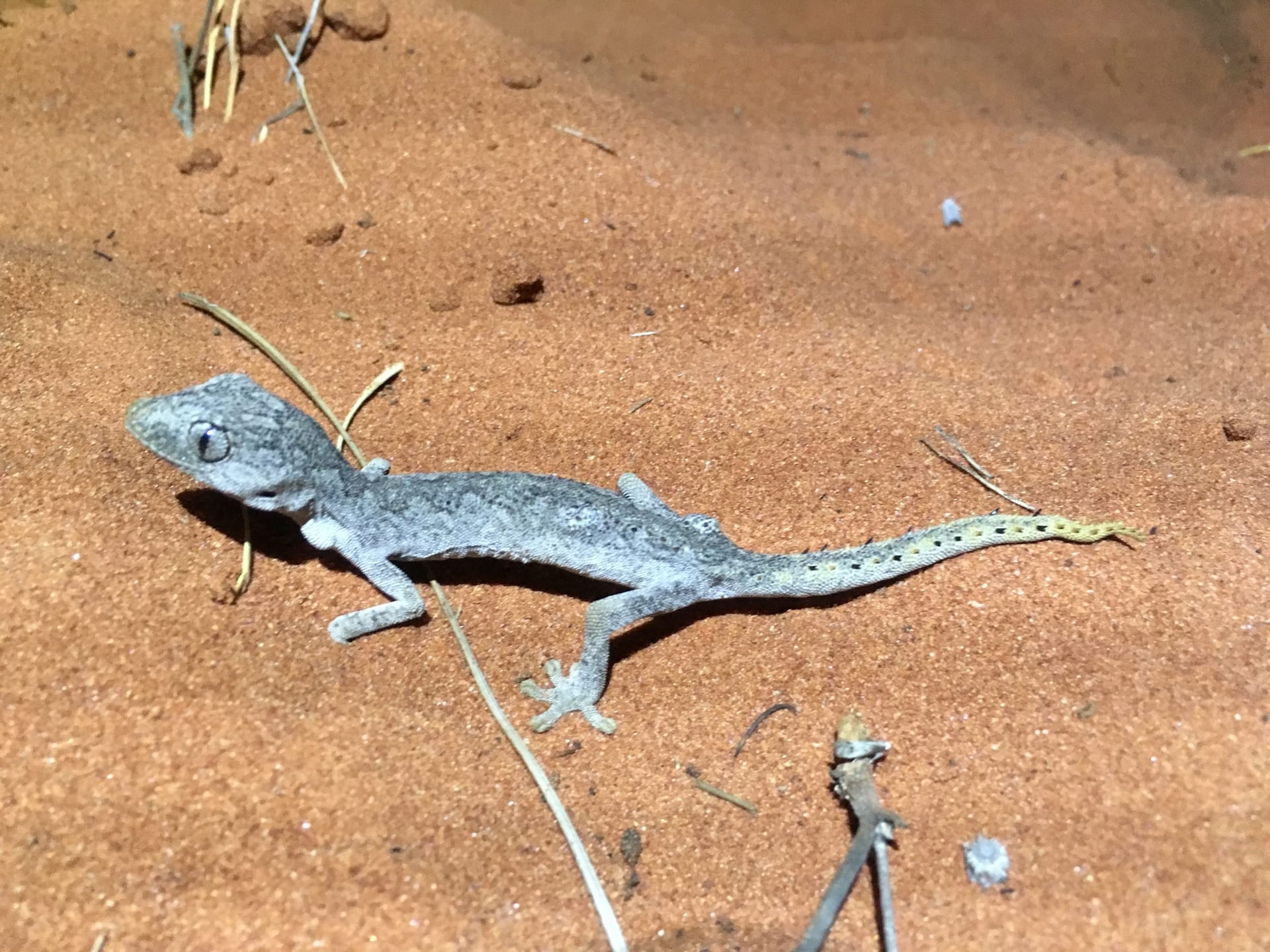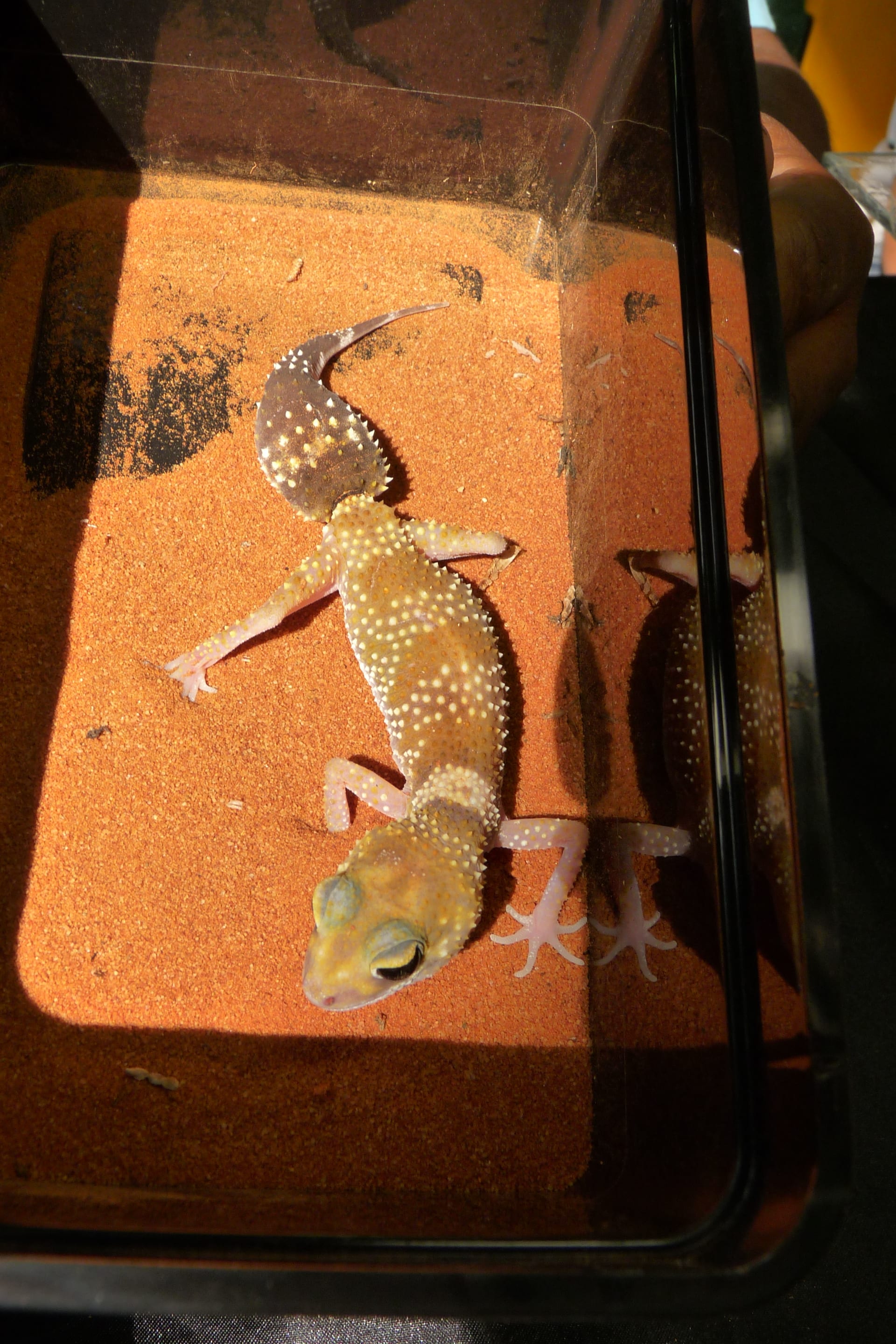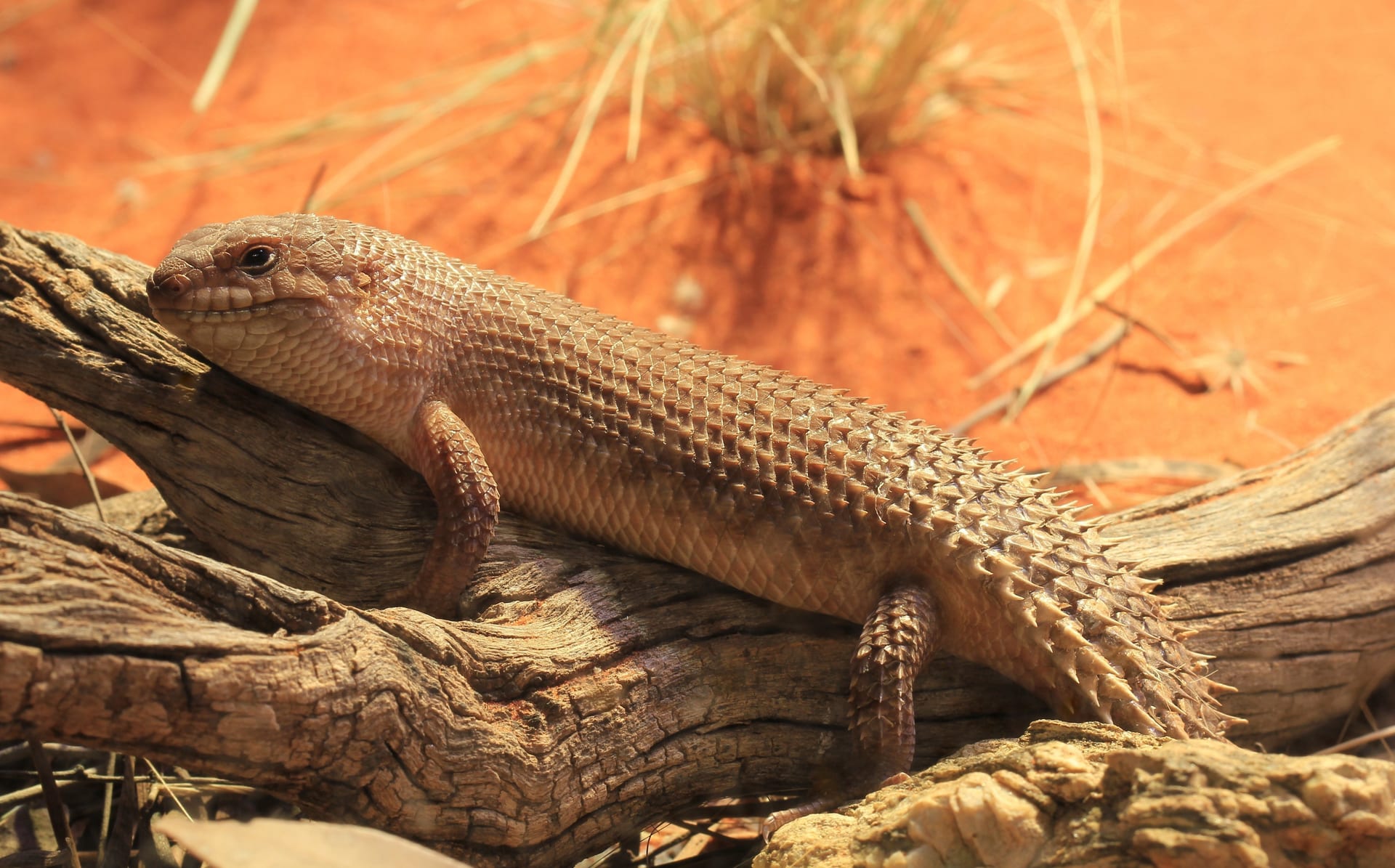
Source: Wikimedia Commons
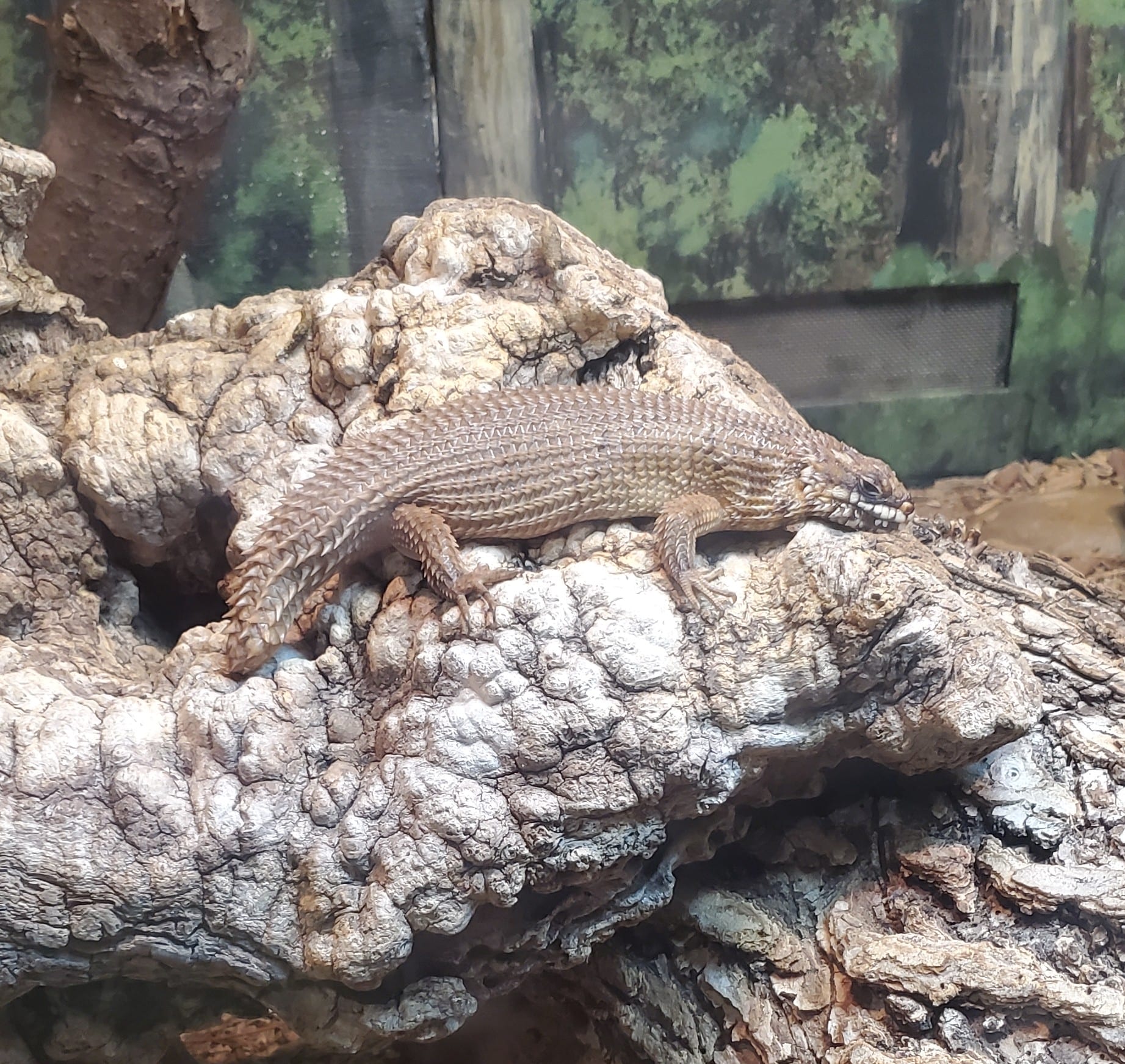
Gidgee Spiny-tailed Skink
IntermediateEgernia stokesii
An Australian skink of semi-arid country with a short, flattened tail covered in spiny scales. It lives in stable family groups of up to about 17 related animals, rare social behavior for a lizard.
Difficulty
Intermediate
Temperature
25〜32℃
Lifespan
10-25 years
Size
155-190 mm snout-vent length (up to 194 mm by subspecies)
Humidity
40〜70%
Diet
Omnivore (beetles, grasshoppers and plants)
About
The Gidgee or Stokes's skink is a diurnal Egernia skink found in fragmented semi-arid habitats across Western Australia, South Australia, the Northern Territory, Queensland and New South Wales. Three subspecies are recognized (the nominate form, E. s. badia of mainland Western Australia and E. s. zellingi of the east); the species is Least Concern, but one subspecies is listed as endangered. Adults measure 155 to 190 mm snout-vent length, with maximum size varying by subspecies (194 mm in badia, 83 mm in zellingi). It is olive to reddish brown with scattered paler scales and a white to yellow belly. Dorsal scales are keeled from the neck to the tail, and the flattened tail, only about 35% of snout-vent length, is covered in spiny scales; it cannot shed its tail. Groups of up to 17 closely related individuals share rock or log crevices for years and use a communal scat pile, social behavior rare among lizards. It is omnivorous, eating beetles, grasshoppers and other arthropods plus plant material, with adults eating proportionally more plants. It matures late, at five or six years, and lives 10 to 25 years. In Japan small numbers of captive-bred animals are sold in specialist shops.
Source: Wikipedia (CC BY-SA 4.0)
Lifespan of the Gidgee Spiny-tailed Skink
The Gidgee Spiny-tailed Skink lives 10-25 years.
Size of the Gidgee Spiny-tailed Skink
The Gidgee Spiny-tailed Skink grows to 155-190 mm snout-vent length (up to 194 mm by subspecies).
Basic Info
Origin
Semi-arid Australia (WA, SA, NT, Queensland, NSW)
Lifespan
10-25 years
References & Sources
Edited & verified by: BreederDirect editorial team
The taxonomic, regulatory, and husbandry data on this page are compiled and verified against the authoritative primary sources below.
Taxonomy & Authority
Accepted name: Egernia stokesii (Gray, 1845)
Synonyms: Silubosaurus stokesii Gray, 1845, Silubosaurus zellingi De Vis, 1884, Egernia stokesii aethiops Storr, 1978
Authority databases: GBIF · The Reptile Database: Egernia stokesii · GBIF: Egernia stokesii
Nomenclature follows global taxonomic authority databases.
Regulations & Conservation Status
CITES Appendix III
Listed in CITES Appendix III by Australia (genus-level listing since 22 June 2022). Exports from Australia need an Australian export permit and exports from other countries need a certificate of origin or similar, but no registration is needed to keep or transfer the animal within Japan.
Sources: Species+ (CITES): Egernia stokesii
Regulations may change. Always verify the latest information with the relevant authorities.
Gidgee Spiny-tailed Skink Listings
Loading latest listingsFind listings for this species