Blue-tongued Skink Care Guide: Husbandry, Diet, and Temperature Management
A beginner-friendly guide to keeping blue-tongued skinks. Covers cage sizing, basking setup, types of omnivorous foods, and handling techniques in detail.
Key Takeaways
A beginner-friendly guide to keeping blue-tongued skinks. Covers cage sizing, basking setup, types of omnivorous foods, and handling techniques in detail.
Related Species
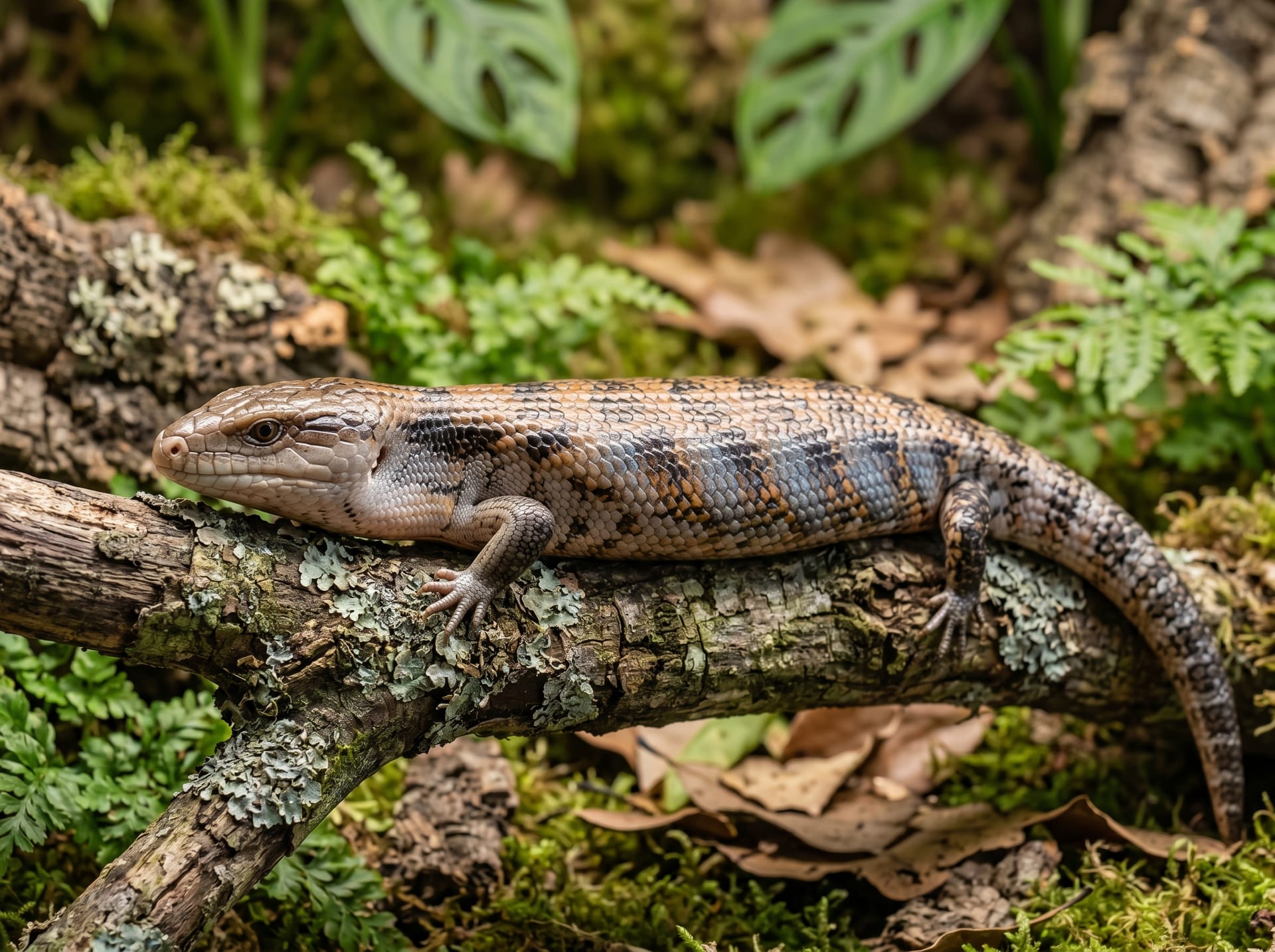
The blue-tongued skink is a reptile distinguished by its characteristic blue tongue. Known worldwide in the reptile hobby by its English name "Blue-tongued Skink," it is beloved by enthusiasts everywhere. With a relatively calm temperament, easy adaptability to humans, and a hardy constitution, it is a popular species for those beginning their journey into reptile keeping.
However, neglecting proper husbandry and nutrition management can easily lead to health problems. This article explains the key points for raising a blue-tongued skink healthily and long-term in a way that is easy to understand for beginners.
What Kind of Animal is the Blue-tongued Skink?
The blue-tongued skink is a skink native to Australia and Indonesia. Adult specimens measure approximately 30–60 cm in total length (varies by species) and are characterized by a compact, robust body and short limbs. When threatened, they open their mouths wide and display their vibrant blue tongue.
The main species kept in captivity are as follows:
- Northern Blue-tongued Skink (Northern BTS): The most popular and widely available. Docile temperament makes it ideal for beginners.
- Indonesian Blue-tongued Skink (Indonesian BTS): Multiple subspecies exist, including Merauke and Tanimbar. Prefers slightly higher humidity.
- Irian Jaya Blue-tongued Skink (Irian Jaya BTS): Smaller and relatively compact.
While basic husbandry methods are similar across all species, there are slight differences in humidity preferences, so confirm the species when purchasing.
Choosing a Cage and Layout
The blue-tongued skink is a terrestrial lizard, so prioritize floor space width over height when selecting a cage.
Recommended Cage Sizes
| Individual Size | Minimum Floor Area |
|---|---|
| Juvenile (up to 20cm) | Approximately 60×45cm |
| Subadult to Adult | 120×60cm or larger |
Adults require a horizontal width of 120cm or more. Cages that are too small become a source of stress, so ideally set up a larger-sized enclosure from the start.
Substrate Selection
Common substrates include bark chips, coconut husk soil, and small-grain akadama clay. For Northern blue-tongued skinks, a relatively dry substrate is acceptable, but Indonesian species do better with materials that can maintain humidity at approximately 60–70%. Replace the substrate regularly and remove waste promptly.
Shelters and Décor
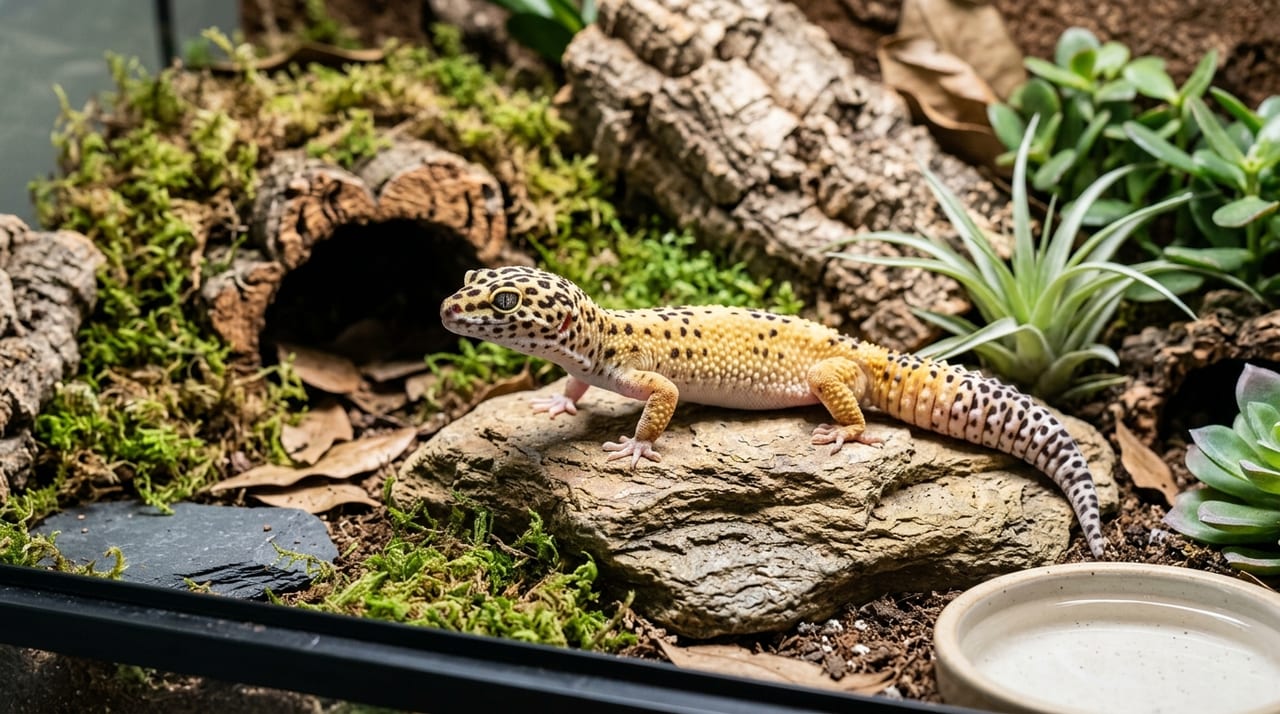
Install at least one shelter large enough for the individual to hide completely. Cork bark or commercially available reptile shelters work well. Choose a sturdy water dish that won't tip easily and provide fresh water constantly.
Temperature and Basking Setup
Blue-tongued skinks are ectothermic, so creating a temperature gradient (difference between warm and cool areas) within the enclosure is extremely important. Provide both environments so the animal can thermoregulate on its own.
Temperature Guidelines
- Basking spot: 40–45°C
- Cool side: 24–28°C
- Nighttime: 20–24°C (avoid sudden temperature drops)
Install a basking lamp at the basking spot. Either use a power sun lamp (emitting both UVB and heat simultaneously) or set up a basking lamp and UVB lamp separately. Choose a UVB lamp with an output of 10.0 or higher. Insufficient UVB impairs vitamin D3 synthesis and increases the risk of metabolic bone disease.
Run lights on a 12-hour on/12-hour off cycle, automated with a timer for convenience.
Diet Management: Leveraging Omnivorous Feeding
Blue-tongued skinks are omnivorous, eating vegetables, fruits, and animal-based proteins in a balanced diet. This diverse feeding regimen is one of the pleasures of keeping them.
Sample Adult Diet Composition
- Vegetables and leafy greens (50–60%): bok choy, Chinese cabbage, pumpkin, carrot, zucchini, etc.
- Animal-based proteins (30–40%): crickets, dubia roaches, mealworms, shrimp, cooked chicken breast, etc.
- Fruits (10% or less): mango, strawberry, blueberry, etc. (keep minimal due to high sugar content)
Juvenile stage (up to 6 months) increases the protein percentage (approximately 50%) to support growth. Once mature, increase vegetable ratio and manage diet to prevent obesity.
Supplementation
Dust prey with calcium powder (with or without vitamin D3) 2–3 times per week. Vitamin supplements should be given approximately once weekly, with caution against overdosing.
Foods to Avoid
- Avocado (toxic)
- Onions and garlic
- Insects-only diet (prone to calcium deficiency)
- High-fat and processed foods
Feed adults 2–3 times per week. Remove uneaten food immediately and maintain a hygienic environment.
Handling and Acclimation
Blue-tongued skinks are relatively easy to tame among reptiles, but gradual, patient acclimation is essential.
Leave Untouched for the First 1–2 Weeks
The animal is stressed by its new environment, so limit activity to feeding and observation. Once it feeds comfortably, progress to the next step.
Handling Steps
- Slowly show your hand from outside the cage, allowing it to become accustomed to your presence
- Keep your hand still inside the cage and wait for it to approach on its own
- Slide your hand beneath the body to lift it (do not grasp from above)
- Start with about 5 minutes and gradually increase duration as it becomes comfortable
Never force handling of a defensive animal (displaying open mouth, blue tongue, or hissing). Being bitten once can damage trust. Respect the animal's pace and build confidence gradually.
Common Illnesses and Prevention
Metabolic Bone Disease (MBD)
Calcium or UVB deficiency causes bone deformation. Early signs include jaw deformation and bent limbs. Proper UVB lighting and calcium supplementation prevent this condition.
Incomplete Shedding
Low humidity prevents proper shedding, leaving skin stuck on the body. Increase humidity slightly before shedding and provide a moist hide for optimal results.
Obesity
Excessive animal protein in adult diets leads to obesity. Monitor body condition regularly, and adjust feeding if the flanks become bloated.
Stomatitis (Mouth Rot)
Redness or pus around the mouth indicates possible mouth rot. Take the animal to a veterinarian experienced with reptiles promptly.
Blue-tongued skinks live 10–20 years with proper husbandry. Regular observation and prompt attention to changes are the foundation of health management. Their unique appearance and surprisingly expressive behavior will surely earn your deep affection. Take your time and raise your own irreplaceable companion.