Blue-tongued Skink Care Guide | Temperature Management and Constructing an Omnivorous Diet
This guide explains the temperature and humidity settings needed for blue-tongued skink care, and how to build a diet menu that leverages their omnivorous nature. We introduce the appeal of this large lizard that is easy for beginners to keep, along with essential care tips.
Key Takeaways
This guide explains the temperature and humidity settings needed for blue-tongued skink care, and how to build a diet menu that leverages their omnivorous nature. We introduce the appeal of this large lizard that is easy for beginners to keep, along with essential care tips.
Related Species
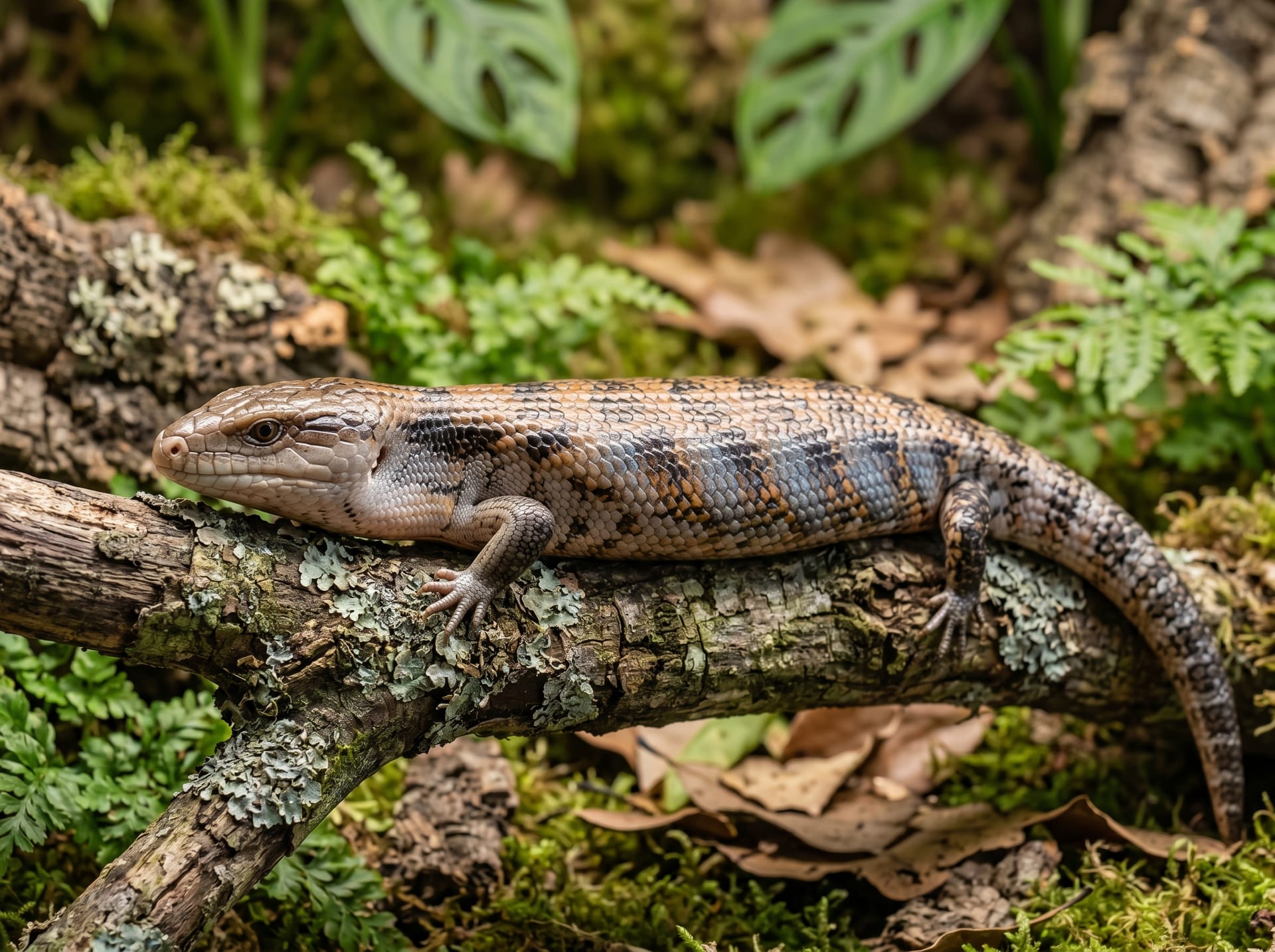
The blue-tongued skink (Tiliqua scincoides) is a medium-sized lizard native to Australia, distinguished by its blue tongue as its name suggests. Beloved by reptile enthusiasts for many years due to its calm temperament, relatively easy care difficulty, and beautiful appearance, this article covers the full range of care points for blue-tongued skinks: setting up the proper enclosure, managing temperature and humidity, building a feeding menu suited to their dietary needs, and disease prevention. If you'd like to compare feeding frequency with snakes, see Snake Feeding Schedule Guide by Species; those considering outdoor housing may also find Turtle Outdoor Pond Installation Guide helpful.
Basic Information
Classification and Habitat
Family: Skink family (Scincidae)
Native habitat: Australia (New South Wales, Queensland, etc.)
Body length: 40-60 cm (somewhat smaller under captivity)
Lifespan: 15-20 years (cases exceeding this have been reported under proper care)
Basic Enclosure Setup
Enclosure Size
Minimum: 90 cm × 45 cm × 45 cm (depth × width × height)
Recommended: 120 cm × 60 cm × 60 cm
Although a large lizard, this species has moderate activity levels; the ideal design is "not overly spacious but offering plenty of hiding spots."
Substrate
Ideal: Wood chips (reptile-grade) or coconut husk soil
Reason: Good moisture retention and easy humidity control
Replacement frequency: Monthly, with soiled areas removed immediately
✍️
BreederDirect Editorial
The BreederDirect editorial team specializes in care information for animals, covering veterinary care and breeding to deliver beginner-friendly guides.
Find Reptiles on BreederDirect
Buy directly from verified breeders
Browse Related Listings
Find Reptiles listings related to this article on BreederDirect. Buy directly from verified breeders.
Blue-tongued skinks have a shy side and constantly seek hiding spots.
Multiple wooden boxes, semi-cylindrical shelters, etc.
Important for reducing daytime stress
Temperature and Humidity Management
Temperature Settings
Since blue-tongued skinks originate from subtropical to temperate regions, excessive heat must be avoided.
Area
Target Temperature
Method
Hot spot
28-32°C
Concentrated spot light
Regular area
25-28°C
Heat mat
Cool spot
20-25°C
Room temperature adjustment
Important: Do not drop nighttime temperatures too low. Sustained temperatures below 20°C can cause digestive issues. During hot summer days, room temperature itself may approach the hot spot target temperature; manage room temperature with air conditioning and ensure the cool spot doesn't exceed 25°C.
Humidity Management
Target: 50-70%
Measurement: Check with a digital hygrometer once weekly
Adjustment: Add moisture with a spray bottle; if humidity is too high, increase ventilation
Feeding and Diet Management
Blue-tongued Skink Diet
Blue-tongued skinks are omnivorous. In the wild, they eat a variety of foods including insects, small reptiles, plants, and fruits.
Feeding Menu Composition
Protein sources (60%):
Crickets: 2-3 times per week
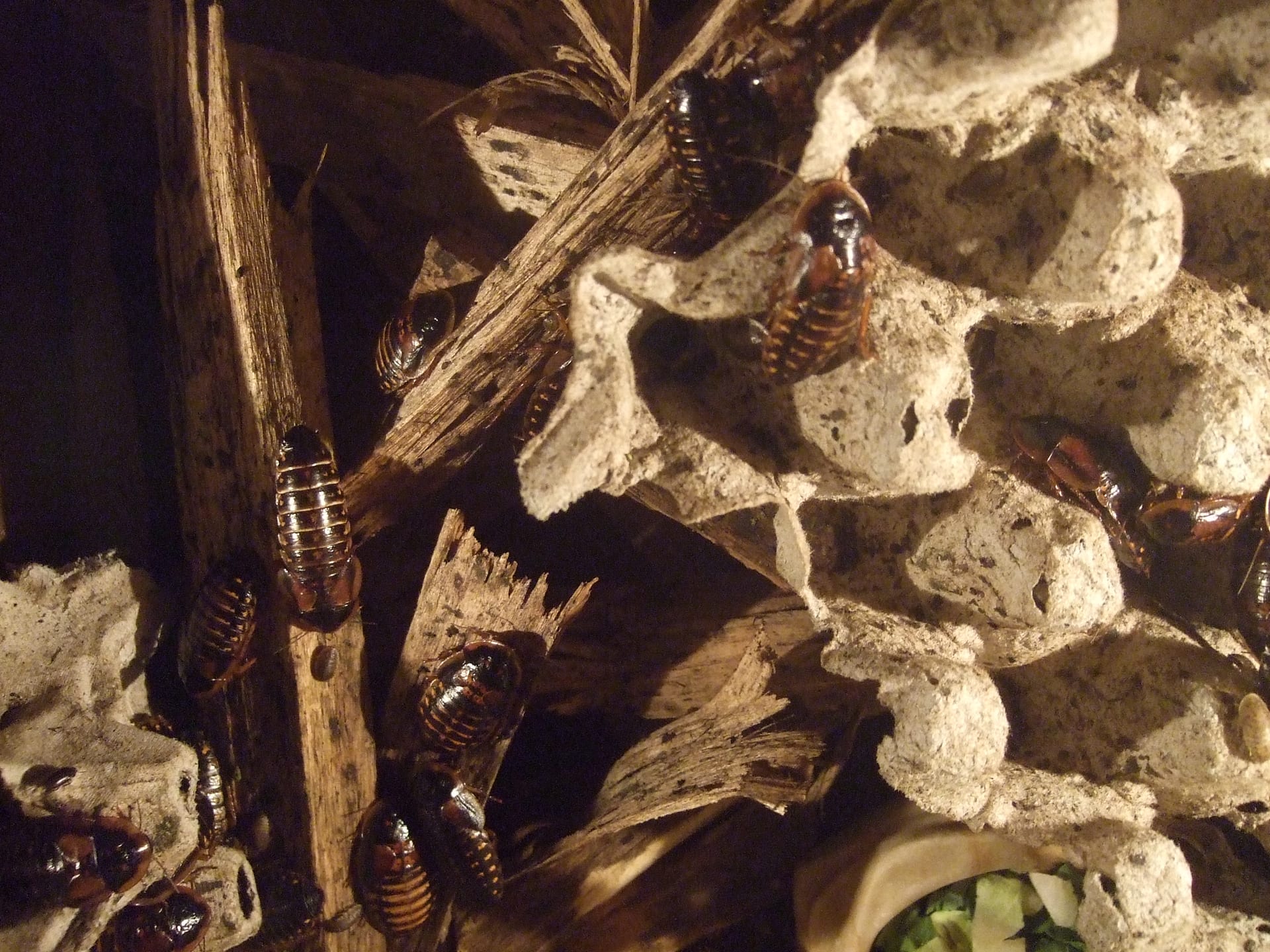
Dubia roaches: once per week
Pink mice (newborn mice): 1-2 times per month
Vegetables and fruits (30%):
Bok choy, Japanese mustard greens (calcium-rich)
Squash: 2-3 times per month (fiber)
Strawberries, melon: 1-2 times per month (preference enhancement)
Supplements (10%):
Calcium powder: dust twice weekly
Vitamin supplement: twice monthly
Feeding Schedule
Adults: 4-5 times per week (fixed days)
Juveniles: 5-6 times per week (higher nutritional needs)
Feeding amount: approximately 5-10 bite-sized portions per feeding
Unlike snakes that feed every few weeks, blue-tongued skinks require frequent, small-quantity feeding—a key difference. Comparing species-specific feeding logic with Snake Feeding Schedule Guide by Species will help clarify this distinction.
Post-Feeding Precautions
After feeding, avoid disturbance for at least 3 hours. Moving the animal too soon can cause regurgitation.
Behavior and Sociability
Individual Personality Variation
While blue-tongued skinks are generally calm, individual variation is observed.
Improve environmental stress, check body temperature
If abnormalities are observed, consultation with a reptile veterinarian is recommended.
Seasonal Management
Spring (March-May)
Appetite recovers as animals emerge from dormancy
Increase UV lighting
Increase feeding amount to 120% of normal
Summer (June-August)
Watch for high temperatures (adjust with air conditioning to keep below 30°C). From late July through August, room temperatures tend to remain elevated; it's safest to keep air conditioning running throughout the day.
Humidity tends to increase. Improve ventilation
Continue normal feeding
Autumn (September-November)
Preparation period for winter. Increase feeding to 110% of normal
Verify weight gain and energy reserves for overwintering
Winter (December-February)
Activity may decrease (though not to the point of hibernation)
Continue feeding (2-3 times per week)
Maintain strict heating (do not drop below 20°C)
Frequently Asked Questions
Q: Is handling necessary?
A: Not essential, but regular, gentle contact can sometimes improve stress tolerance.
Q: Is group housing possible?
A: Multiple males is dangerous due to territorial disputes. Maximum is one male plus one female.
Q: What balance should I aim for in the omnivorous diet?
A: Aim for 60% protein, 30% plant matter, and 10% supplements. Fine-tune based on individual preferences.
Summary
The blue-tongued skink is beloved by reptile enthusiasts from beginners to advanced keepers. Given their calm temperament, relatively manageable care difficulty, and long lifespan, they make excellent long-term companions. The secret to healthy care is mastering the three pillars—temperature, humidity, and feeding—while making fine adjustments for individual needs. Those interested in outdoor enclosure design may also find Turtle Outdoor Pond Installation Guide useful.