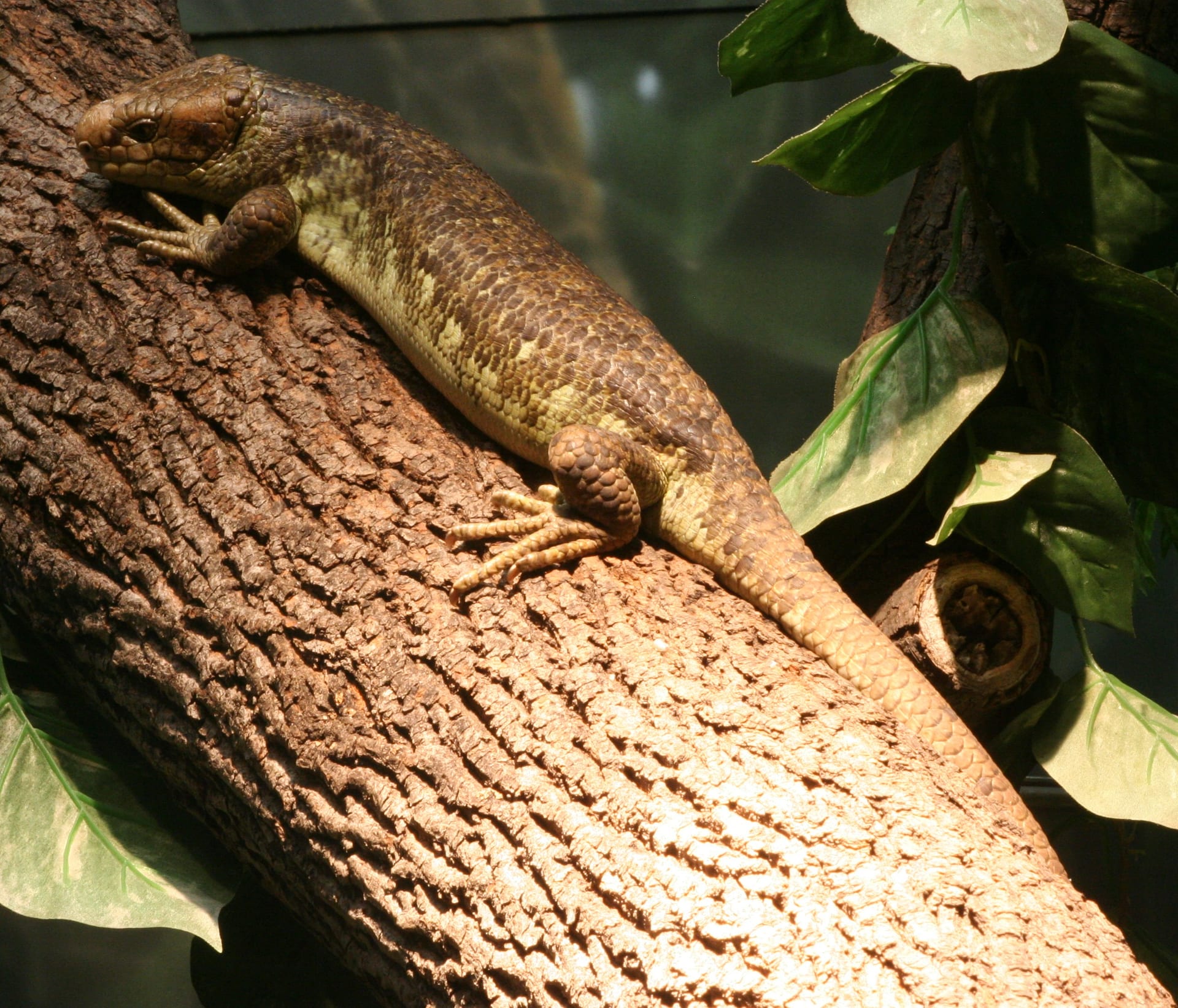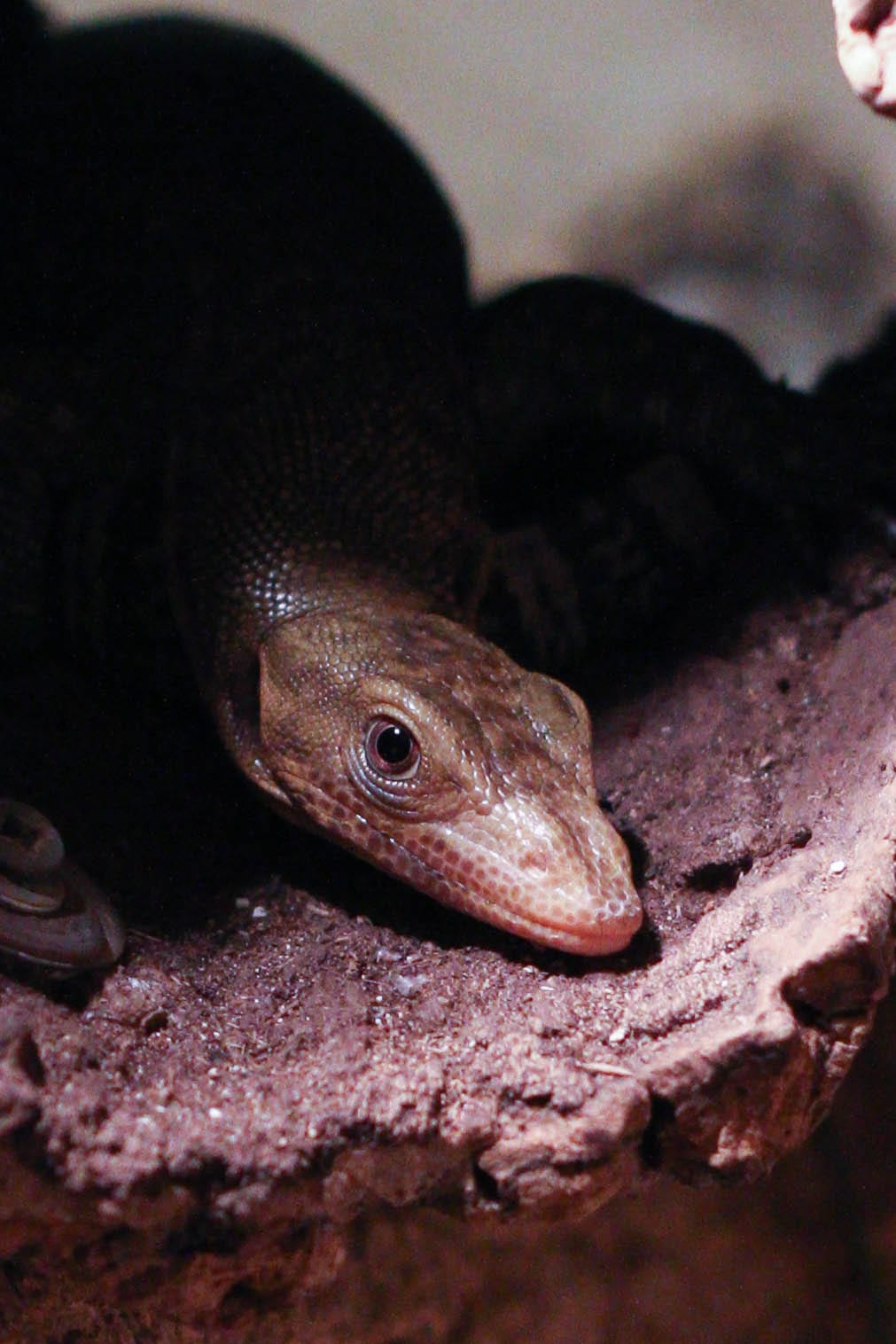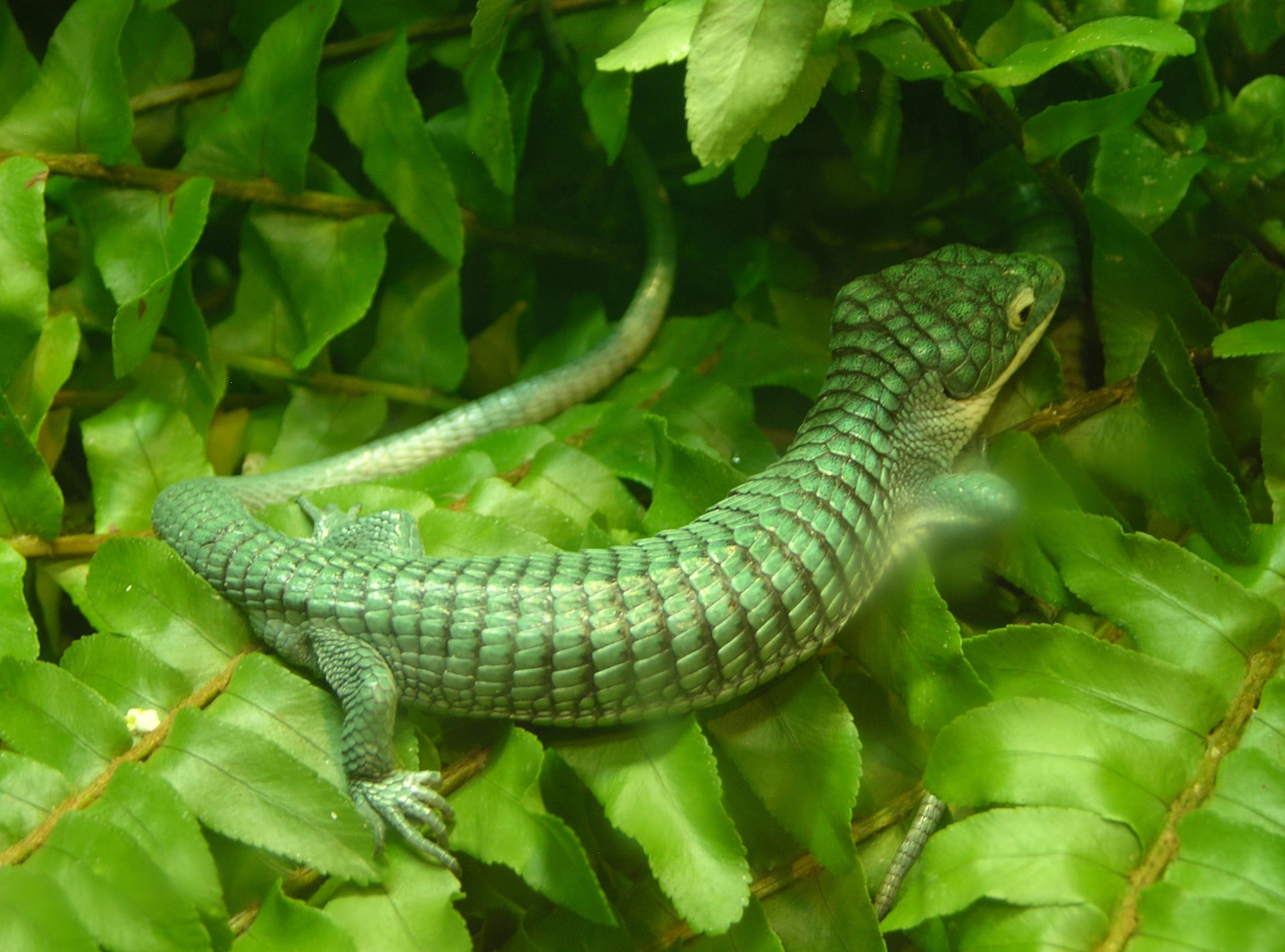
Source: Wikimedia Commons
Mexican Alligator Lizard
AdvancedAbronia graminea
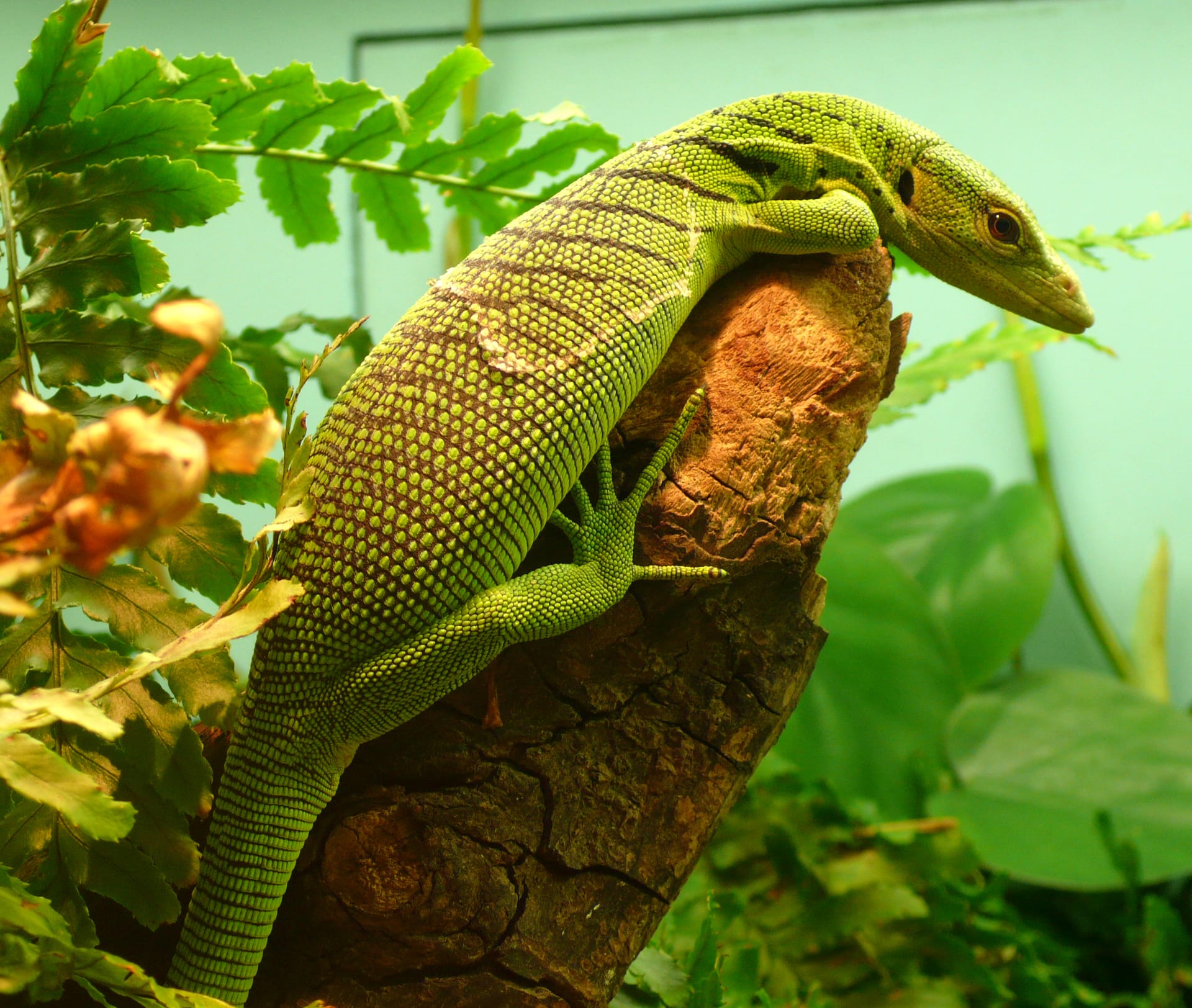
An arboreal anguid lizard ranging from bright emerald green to dark teal blue, with a snout-vent length of 10.6-11 cm, a tail of about 16 cm and a weight of around 21 g. Juveniles are tan with dark crossbands.
Difficulty
Advanced
Temperature
25〜32℃
Lifespan
10-15 years
Size
SVL 10.6-11cm with a tail of about 16cm (around 21g)
Humidity
40〜70%
Diet
Carnivorous: a variety of insects
About
The Mexican alligator lizard (Abronia graminea) is an anguid lizard endemic to the highlands of the Sierra Madre de Oaxaca in Mexico. Adults are uniformly green above, males more vividly so, while females are duller with brownish, orange, yellow or white markings and dark transverse bands. Juveniles are tan with dark crossbands. It lives at 1,350-2,743 m in montane cloud forest and pine-oak forest, an arboreal species sheltering among bromeliads in the canopy. Its habitat is temperate and humid with summer rains and large daily temperature swings. It is viviparous, with a gestation of five to ten months and litters of one to twelve young depending on the size and age of the female; neonates measure about 3.2 cm snout-vent and reach about 4.8 cm by a year old. Habitat fragmentation from fire, deforestation and conversion to agriculture, together with illegal collection for the pet trade, have driven its decline, and the IUCN assesses it as Endangered.
Source: Wikipedia (CC BY-SA 4.0)
Lifespan of the Mexican Alligator Lizard
The Mexican Alligator Lizard lives 10-15 years.
Size of the Mexican Alligator Lizard
The Mexican Alligator Lizard grows to SVL 10.6-11cm with a tail of about 16cm (around 21g).
Its snout-vent length is 10.6-11 cm, the tail about 16 cm, and it weighs around 21 g.
Basic Info
Origin
Mexico (central Veracruz, eastern Puebla and Oaxaca) at 1,350-2,743 m, in montane cloud forest and pine-oak forest, sheltering in bromeliads in the canopy
Lifespan
10-15 years
Care Specifications
PeacefulSolitaryBreeding: Very hard
Sources: Reptile Database: Abronia graminea / Wikipedia (English) / Wikipedia (Spanish): Abronia graminea
References & Sources
Edited & verified by: BreederDirect editorial team
The taxonomic, regulatory, and husbandry data on this page are compiled and verified against the authoritative primary sources below.
Taxonomy & Authority
Accepted name: Abronia graminea (Cope, 1864)
Synonyms: Gerrhonotus gramineus Cope, 1864, Abronia taeniata graminea (Cope, 1864)
Authority databases: GBIF · Reptile Database
Nomenclature follows global taxonomic authority databases.
Regulations & Conservation Status
CITES Appendix IIIUCN EN · Endangered
Abronia spp. is listed in CITES Appendix II, effective 2 January 2017 (excluding species listed in Appendix I; wild individuals of A. aurita, A. gaiophantasma, A. montecristoi, A. salvadorensis, and A. vasconcelosii have zero export quota). As an Appendix II species, special international registration is not required. IUCN Red List assessment: Endangered (EN). It is not designated as a Special Animal under the Animal Welfare and Management Act nor as a Designated Invasive Species.
Sources: CITES Species+ (Abronia spp., Appendix II, effective 2 January 2017) / IUCN Red List
Regulations may change. Always verify the latest information with the relevant authorities.
Mexican Alligator Lizard Listings
Loading latest listingsFind listings for this species