AI-generated image
Nudibranch / Starfish / Sea Cucumber
IntermediateNudibranchia (order) / Asteroidea (class) / Holothuroidea (class)
Colorful marine invertebrates enriching aquatic displays. Nudibranchs offer vibrant coloration; starfish display unique locomotion; sea cucumbers serve as cleanup agents. Husbandry requirements vary significantly by species.
Difficulty
Intermediate
Temperature
24〜27℃
Diet
Varies by species: nudibranchs need specific sponges or bryozoans; sea stars and cucumbers feed on detritus and algae
About
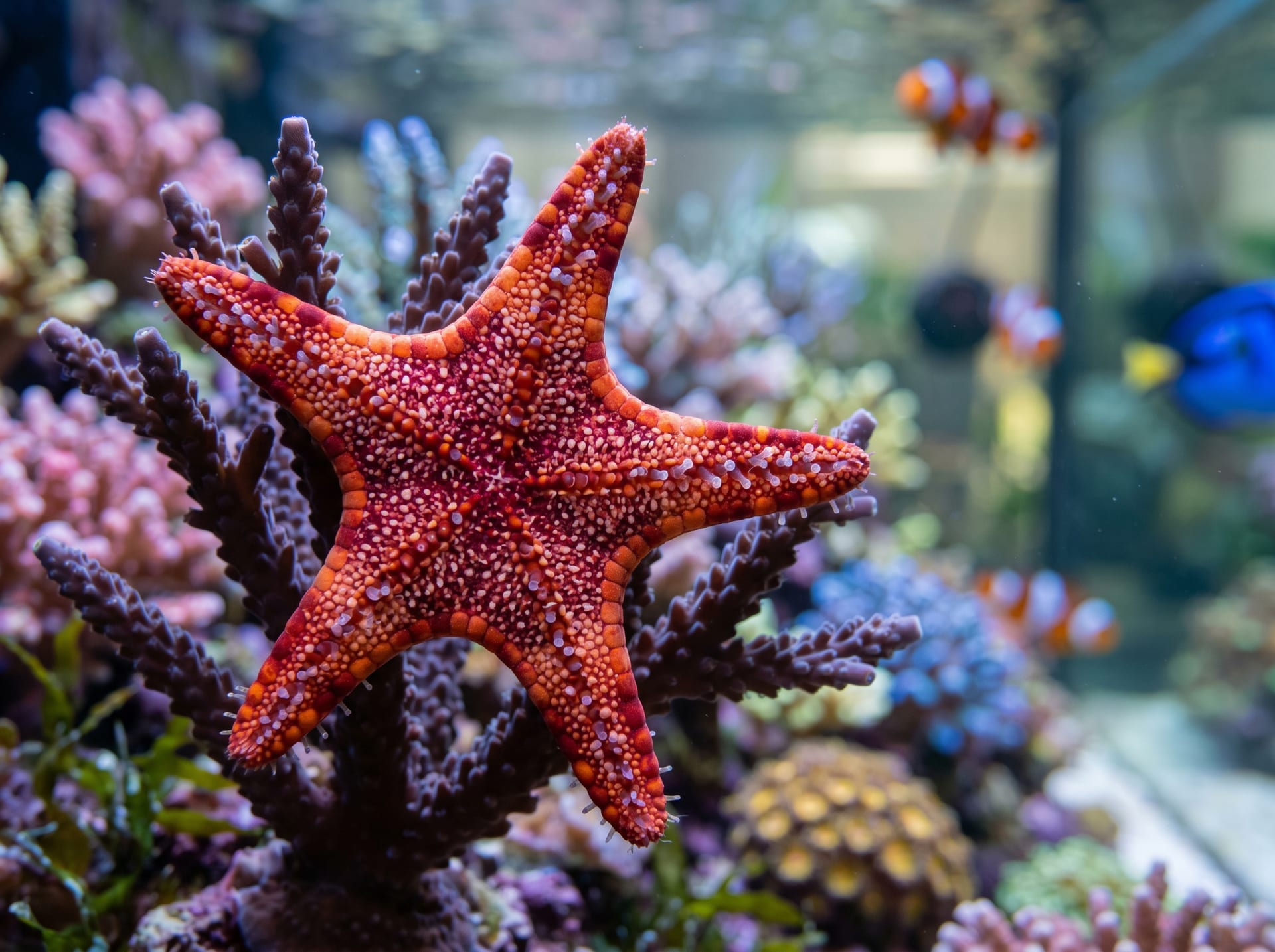
Nudibranchs, sea stars, and sea cucumbers that add color to marine aquariums are collectively a group of invertebrates belonging to different phyla and classes. Nudibranchs are prized for the diversity and beauty of their colors and forms, but many are specialist feeders that eat only particular foods such as sponges or bryozoans, making long-term care difficult. Sea stars offer the interest of slow movement and distinctive body shapes, and species that consume organic matter from sand and rock surfaces serve as clean-up animals. Sea cucumbers function as detritus feeders, ingesting bottom sediment and turning over and cleansing the sand bed. All are sensitive to sudden changes in water quality or salinity and to copper-based medications, so careful acclimation and stable conditions are common keys to husbandry.
Source: Wikipedia (CC BY-SA 4.0)
Basic Info
Origin
Temperate to tropical coastal and reef waters worldwide
Temperature
24〜27℃
Diet
Varies by species: nudibranchs need specific sponges or bryozoans; sea stars and cucumbers feed on detritus and algae
Care Guide
Nudibranch / Starfish / Sea Cucumber FAQ
How difficult is it to keep Nudibranch / Starfish / Sea Cucumber?
References & Sources
Edited & verified by: BreederDirect editorial team
The taxonomic, regulatory, and husbandry data on this page are compiled and verified against the authoritative primary sources below.
Primary sources
Nudibranch / Starfish / Sea Cucumber Listings
Loading latest listingsFind listings for this species