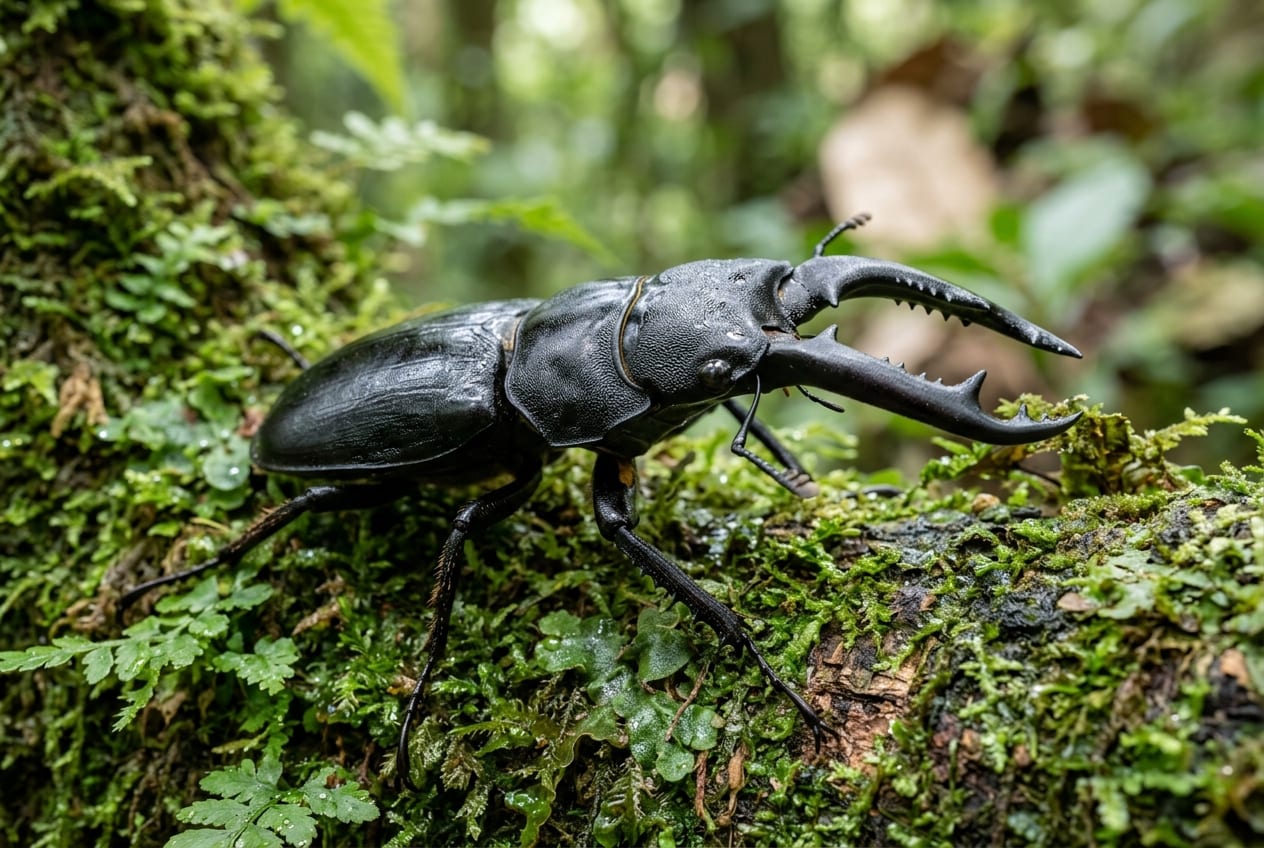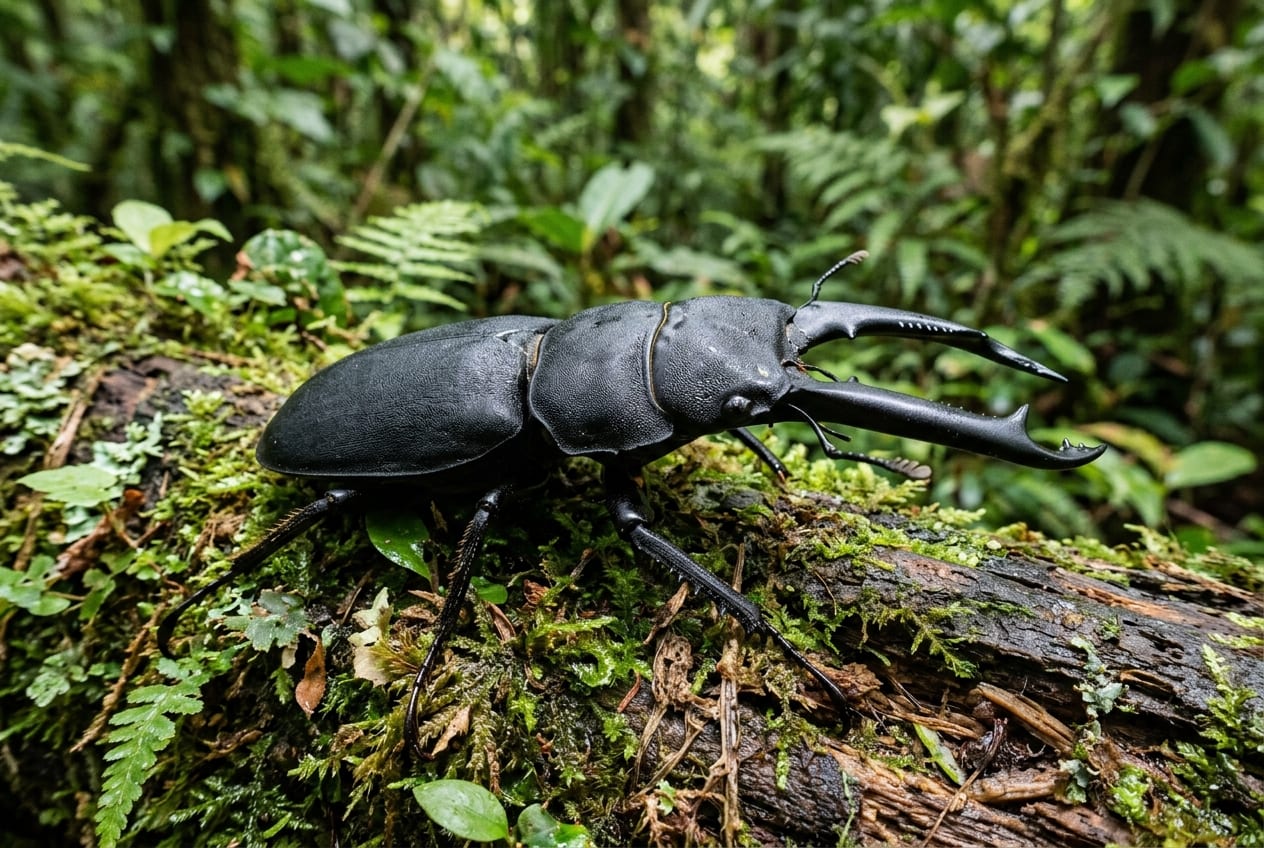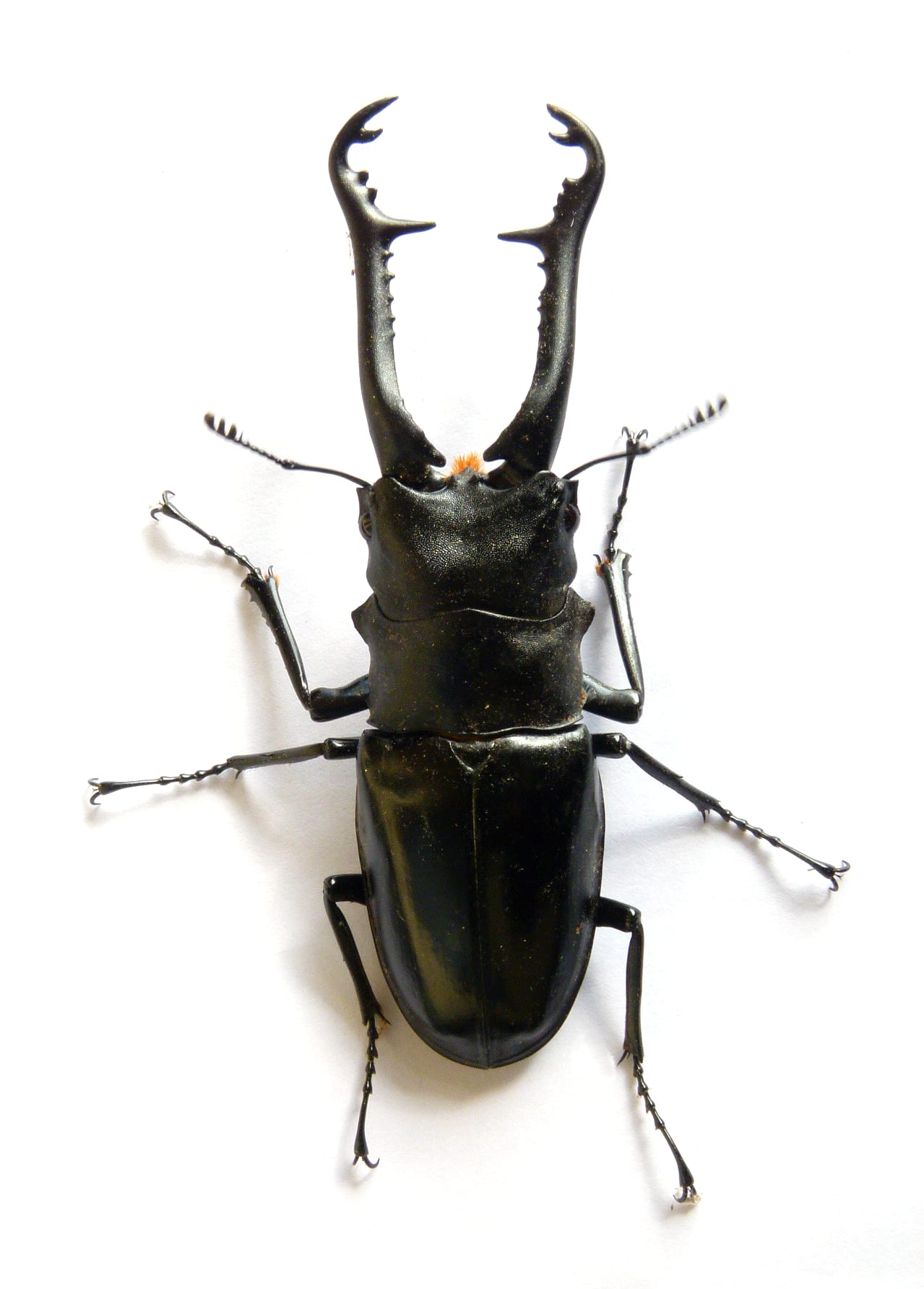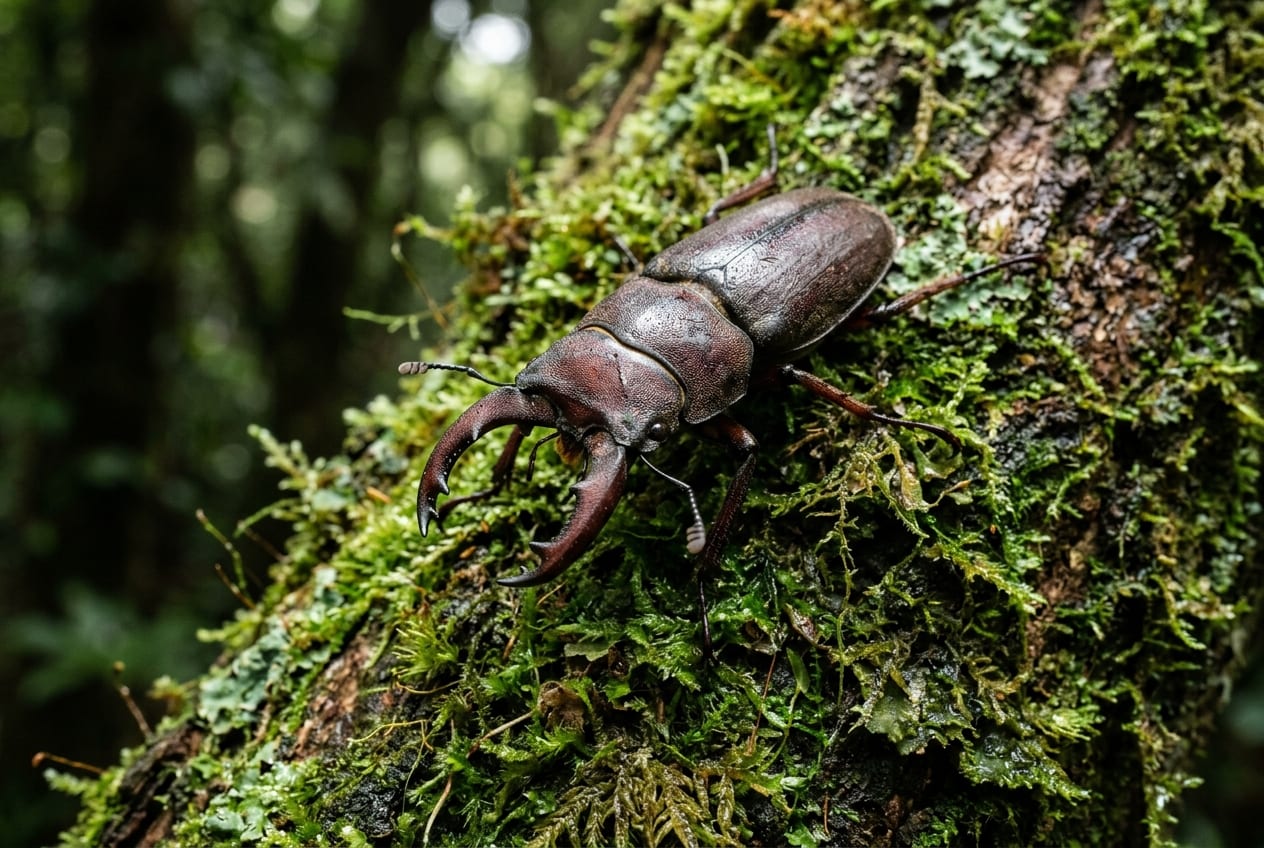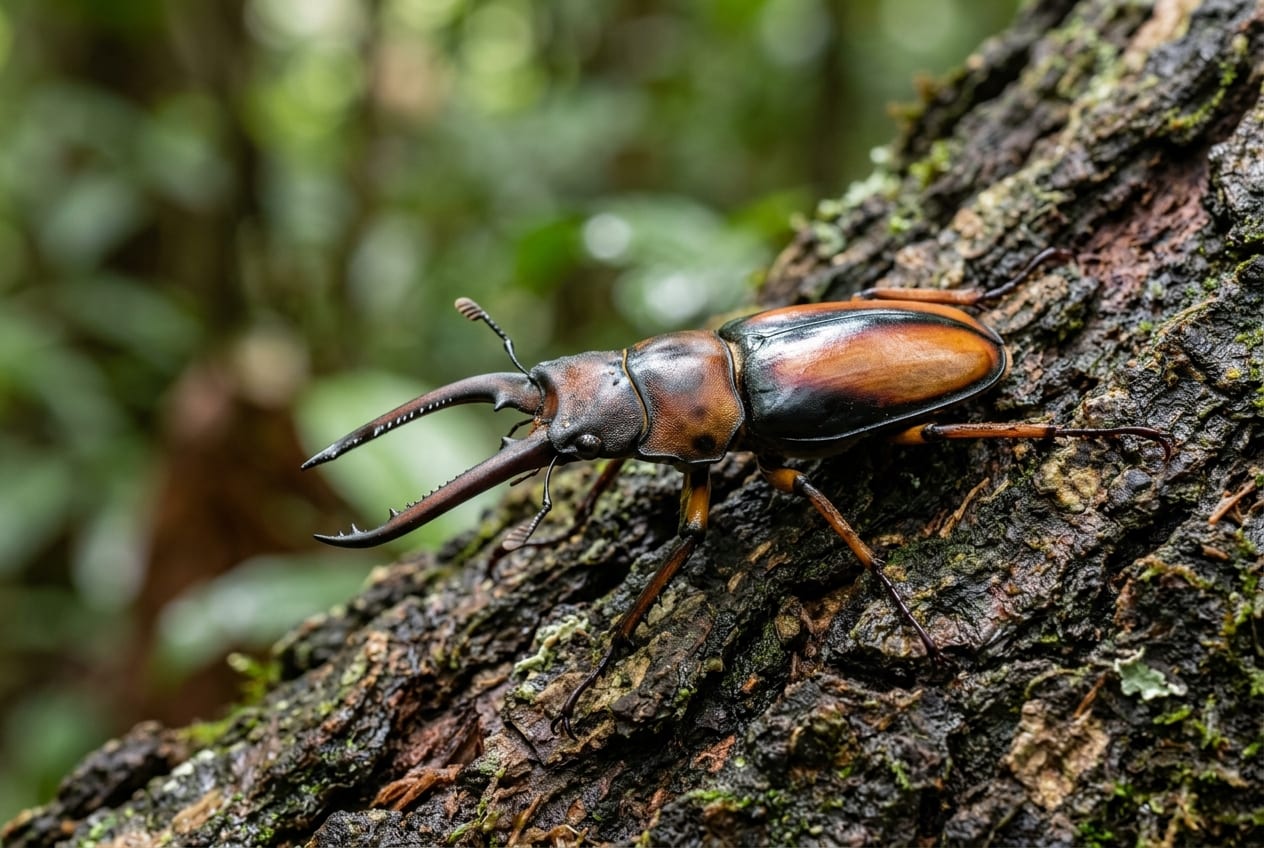
AI-generated image
Sericeus Saw Stag Beetle
AdvancedProsopocoilus sericeus
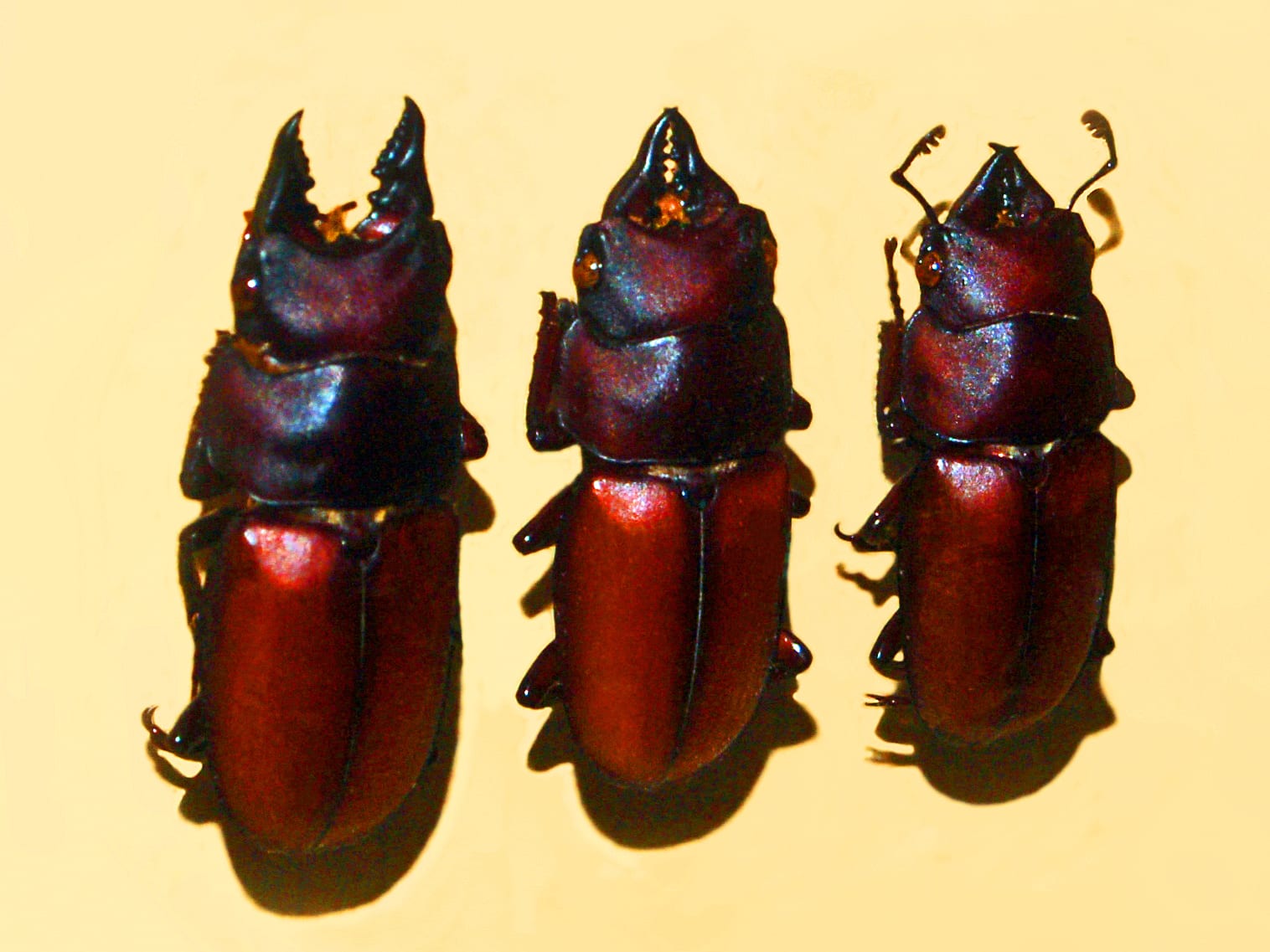
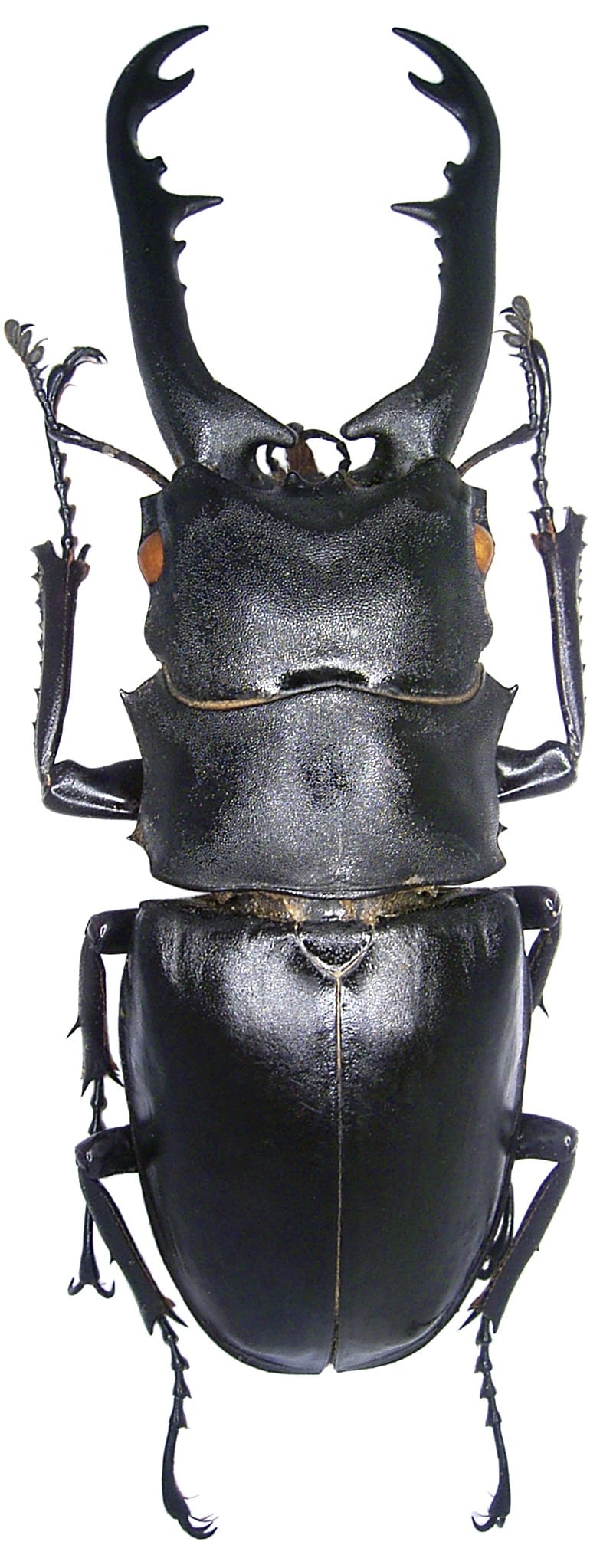
A Sundaland saw stag from Borneo, Sumatra and Java. The epithet sericeus refers to a silky sheen. The nominate form and the Malay Peninsula subspecies taronii are recognised, but almost no captive breeding reports exist.
Difficulty
Advanced
Temperature
20〜28℃
Lifespan
Adults 2-3 months
Humidity
60〜80%
Diet
Sap of broadleaf trees; beetle jelly
About
Prosopocoilus sericeus was described by Westwood in 1844 and ranges across Borneo, Sumatra and Java. GBIF records likewise cluster in Indonesia and Malaysia, with none from the Philippines. Besides the nominate form there is the Malaysian subspecies taronii. The epithet means silky, after the sheen of the beetle. Almost nothing has been published about breeding it. It does not appear in the BE-KUWA certified records either; the sericeus listed there belongs to the genus Lucanus. In Japan it circulates chiefly as set specimens, so anyone keeping live stock has to follow the general husbandry used for the genus.
Source: Wikipedia (CC BY-SA 4.0)
Lifespan of the Sericeus Saw Stag Beetle
The Sericeus Saw Stag Beetle lives Adults 2-3 months.
Basic Info
Origin
Island Southeast Asia (Indonesia: Borneo, Sumatra and Java; Malaysia)
Lifespan
Adults 2-3 months
Temperature
20〜28℃
Humidity
60〜80%
Diet
Sap of broadleaf trees; beetle jelly
Care Guide
Care Specifications
Solitary
Sources: Prosopocoilus sericeus - Wikipedia (ES; two subspecies, Borneo/Sumatra/Java) / GBIF species page for Prosopocoilus sericeus (distribution and occurrence records by country) / Ben's Beetle Breeding Pages - Prosopocoilus sericeus taronii (range; absence of breeding reports) / Mushinavi - Tokara saw stag (general egg-laying, larval and adult husbandry for Prosopocoilus, JA)
References & Sources
Edited & verified by: BreederDirect editorial team
The taxonomic, regulatory, and husbandry data on this page are compiled and verified against the authoritative primary sources below.
Primary sources
- Wikipedia
- Ministry of the Environment, Invasive Species Act: "Guidance for Those Importing Live Insects in Scarabaeoidea"
- CITES Appendix (checklist.cites.org)
- GBIF species page for Prosopocoilus sericeus (distribution and occurrence records by country)
- Ben's Beetle Breeding Pages - Prosopocoilus sericeus taronii (range; absence of breeding reports)
- Mushinavi - Tokara saw stag (general egg-laying, larval and adult husbandry for Prosopocoilus, JA)
Taxonomy & Authority
Accepted name: Prosopocoilus sericeus (Westwood, 1844)
Authority databases: GBIF
Nomenclature follows global taxonomic authority databases.
Regulations & Conservation Status
Not CITES-listed
Plant Protection Act: When importing live specimens of Scarabaeoidea (including rhinoceros beetles, stag beetles, flower beetles, etc.), a species identification certificate issued by the exporting country government agency or equivalent must be attached in accordance with the Invasive Species Act (import ports are limited to Narita, Chubu, Kansai, Fukuoka, and Kagoshima airports). This species itself is not a designated invasive species, and import is possible upon submission of the certificate.
Sources: Ministry of the Environment, Invasive Species Act: "Guidance for Those Importing Live Insects in Scarabaeoidea" / CITES Appendix (checklist.cites.org)
Regulations may change. Always verify the latest information with the relevant authorities.
Sericeus Saw Stag Beetle Listings
Loading latest listingsFind listings for this species