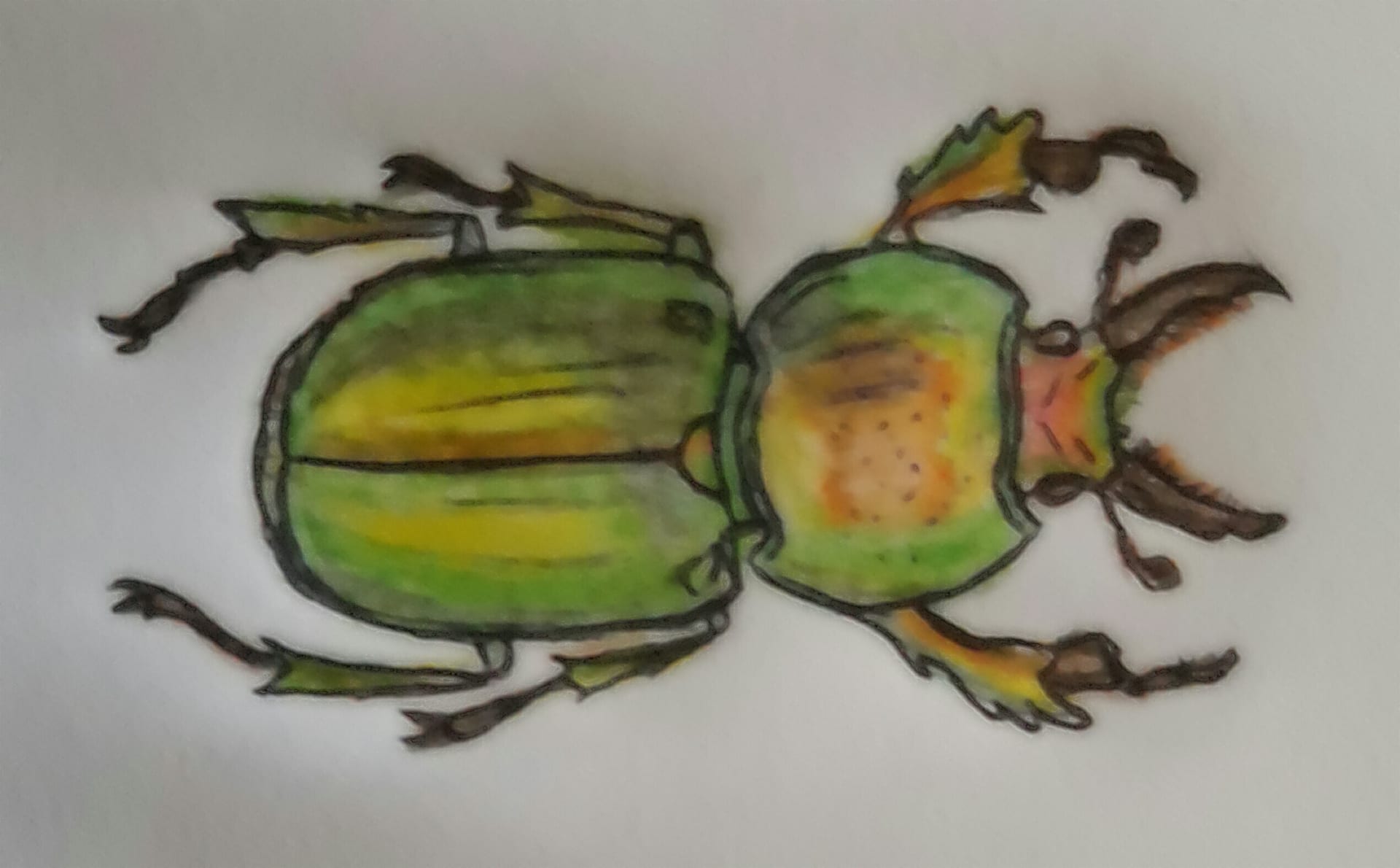
AI-generated image
Lord Howe Island stag beetle
IntermediateLamprima insularis
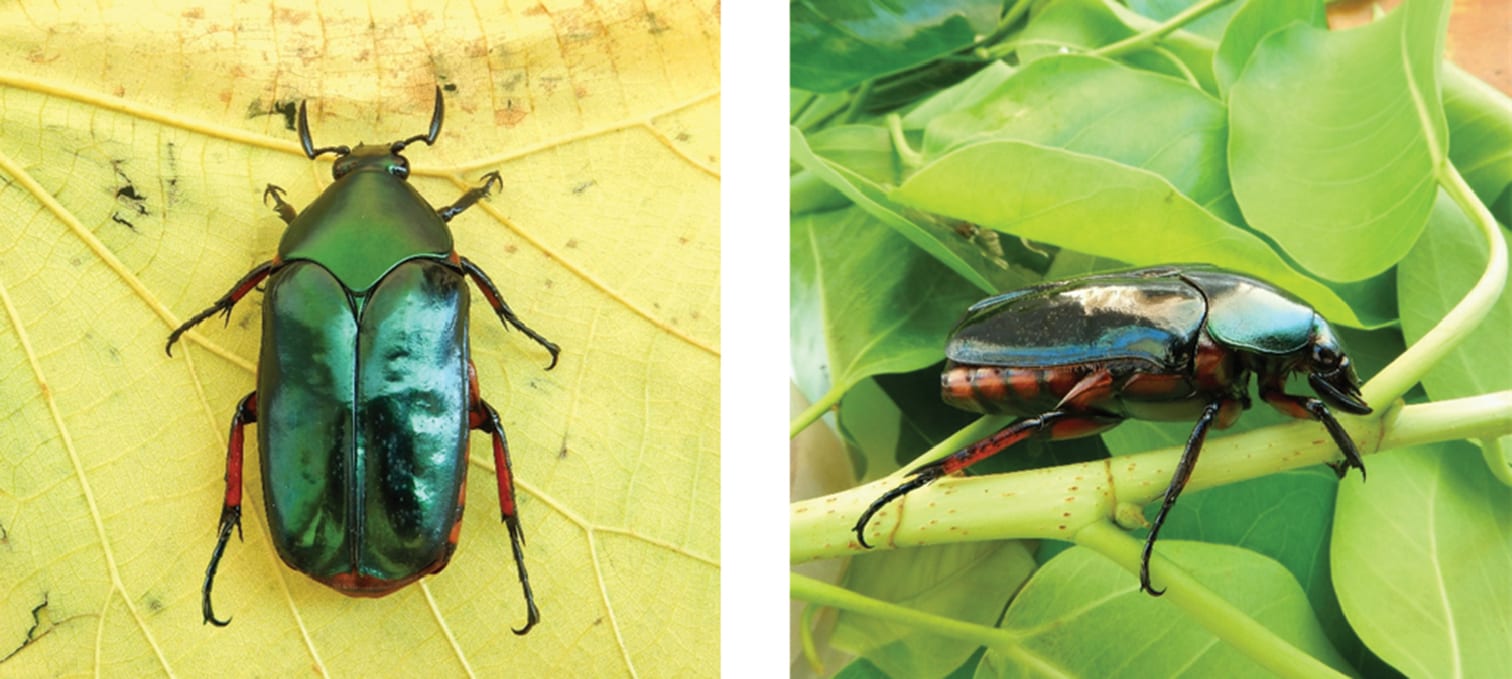
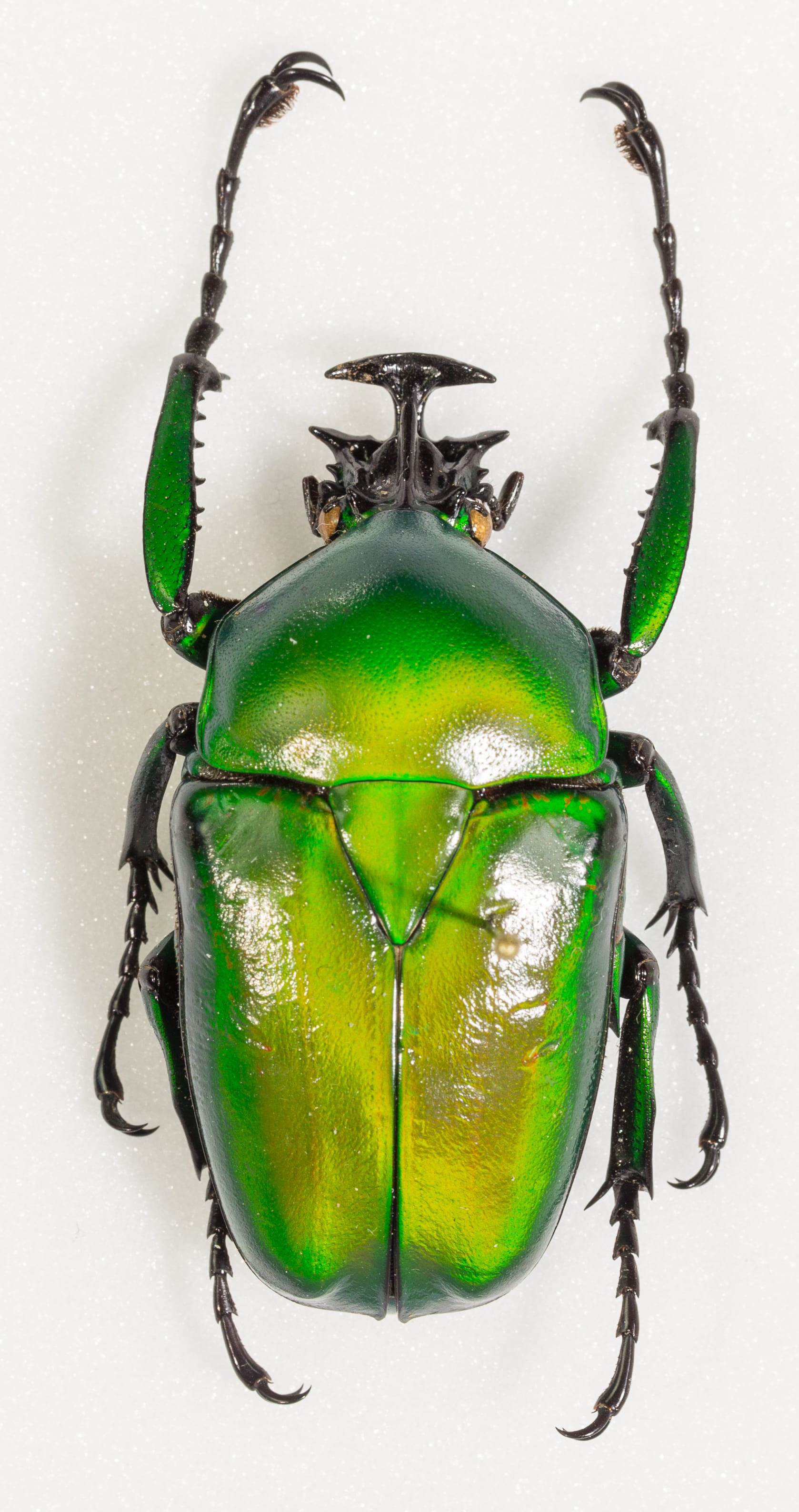
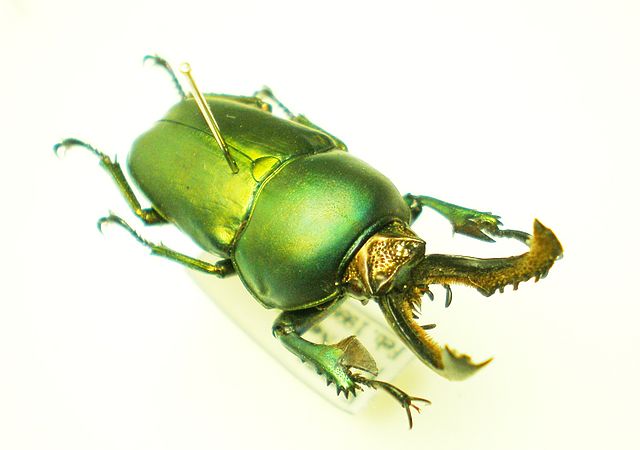
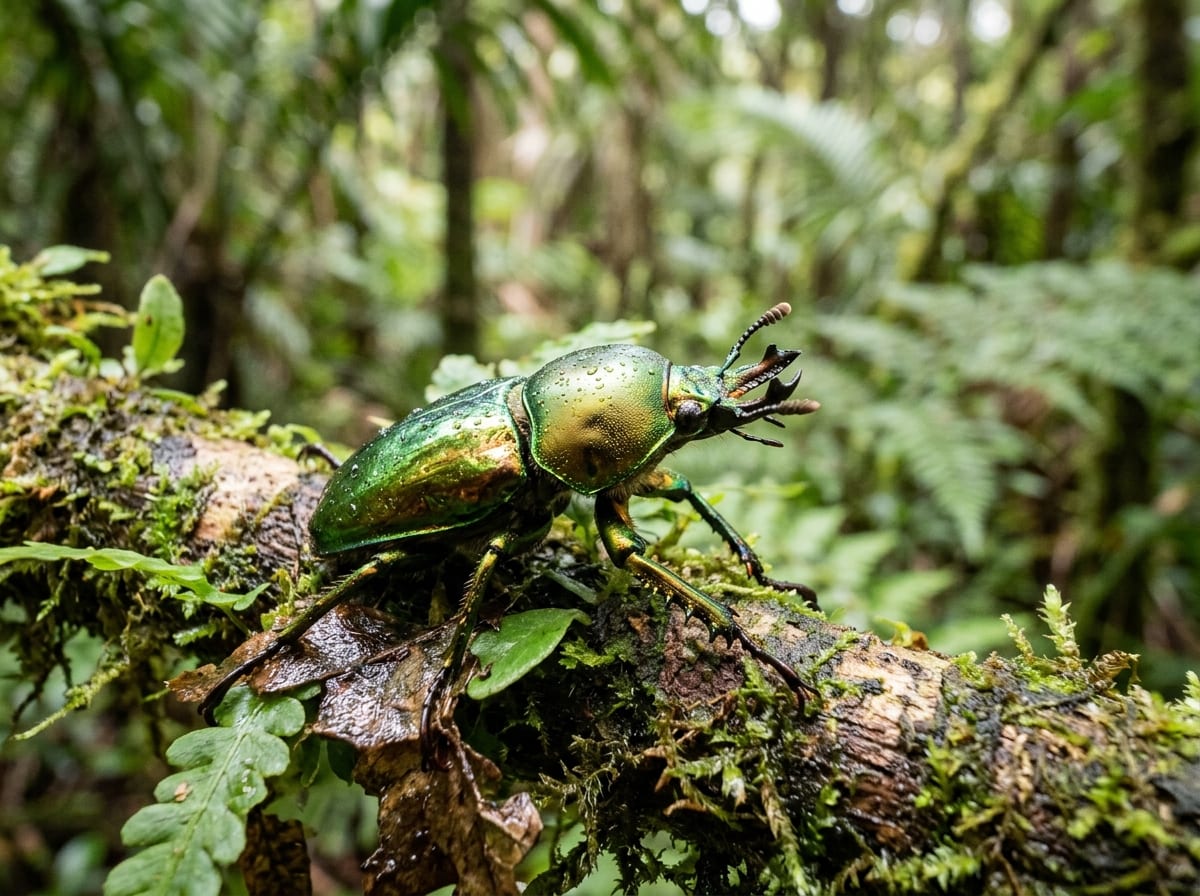
A golden stag beetle found only on Lord Howe Island. Males are green; females are deep purple with a greenish cast in some light. It resembles L. aurata, but never produces large males with long mandibles.
Difficulty
Intermediate
Temperature
20〜28℃
Lifespan
Little data (adults may rest more than a year after eclosion before feeding)
Size
Little data (no large long-jawed males)
Humidity
60〜80%
Diet
Adults take beetle jelly; larvae eat rotten wood and fermented substrate
About
Lamprima insularis MacLeay, 1885 is a golden stag beetle endemic to Lord Howe Island, Australia. Both sexes have small mandibles and a metallic body. In form and habits it resembles L. aurata, but large males with long mandibles never occur and colour variation is slight: males are green, and almost all females are deep purple with patches that look green in some light. Newly eclosed adults are known to rest for a long time, sometimes more than a year, before they start feeding. Lord Howe Island is a World Heritage site and wild specimens are extremely hard to obtain. The wild population was sharply reduced by two Japanese nationals collecting illegally for smuggling, who also destroyed habitat by splitting the logs the beetles lived in; both were arrested, and some of the seized live beetles were returned to the island. The species has long been kept in Japan, and in recent years domestically bred stock has been available.
Source: Wikipedia (CC BY-SA 4.0)
Basic Info
Origin
Lord Howe Island, Australia (endemic)
Lifespan
Little data (adults may rest more than a year after eclosion before feeding)
Size
Little data (no large long-jawed males)
Temperature
20〜28℃
Humidity
60〜80%
Diet
Adults take beetle jelly; larvae eat rotten wood and fermented substrate
References & Sources
Edited & verified by: BreederDirect editorial team
The taxonomic, regulatory, and husbandry data on this page are compiled and verified against the authoritative primary sources below.
Primary sources
Taxonomy & Authority
Regulations & Conservation Status
Not CITES-listed
Many live foreign Scarabaeoidea (stag beetles, rhinoceros beetles, flower chafers and relatives) are quarantine pests whose import is banned under Japan's Plant Protection Act, and even importable species require a species-name certificate from a foreign government body under the Invasive Alien Species Act (entry only via designated airports, never by international post). Whether a species may enter must be checked with the Plant Protection Station in advance, so choose domestically bred stock and never release captive beetles.
Sources: Plant Protection Station: Importing Scarabaeoidea (JA) / Plant Protection Station: Importing live insects (JA) / Ministry of the Environment: List of invasive alien species (JA) / Species+ CITES query (no listing)
Regulations may change. Always verify the latest information with the relevant authorities.
Lord Howe Island stag beetle Listings
Loading latest listingsFind listings for this species