Source: Wikimedia Commons
Golden Green Stag Beetle
BeginnerLamprima aurata
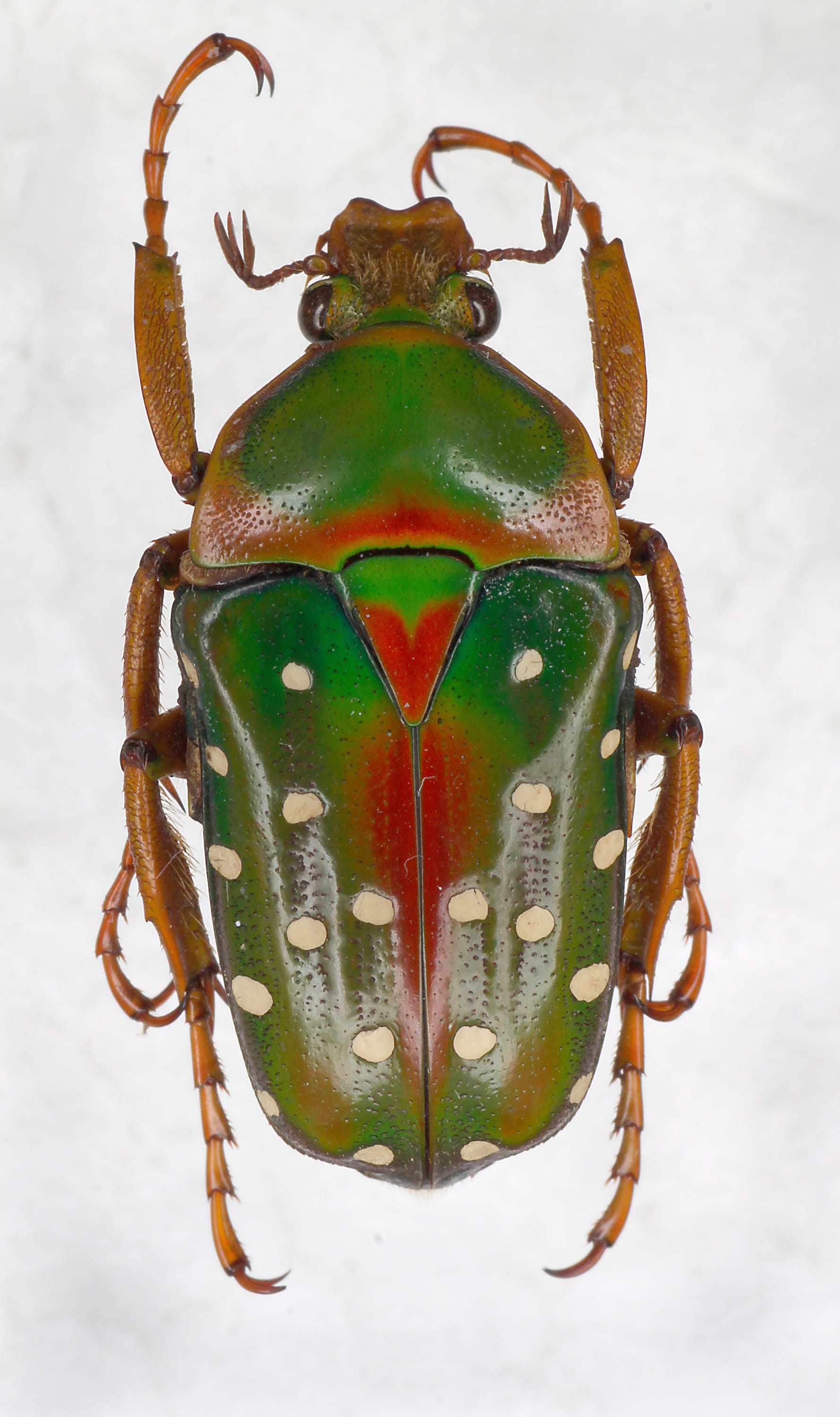
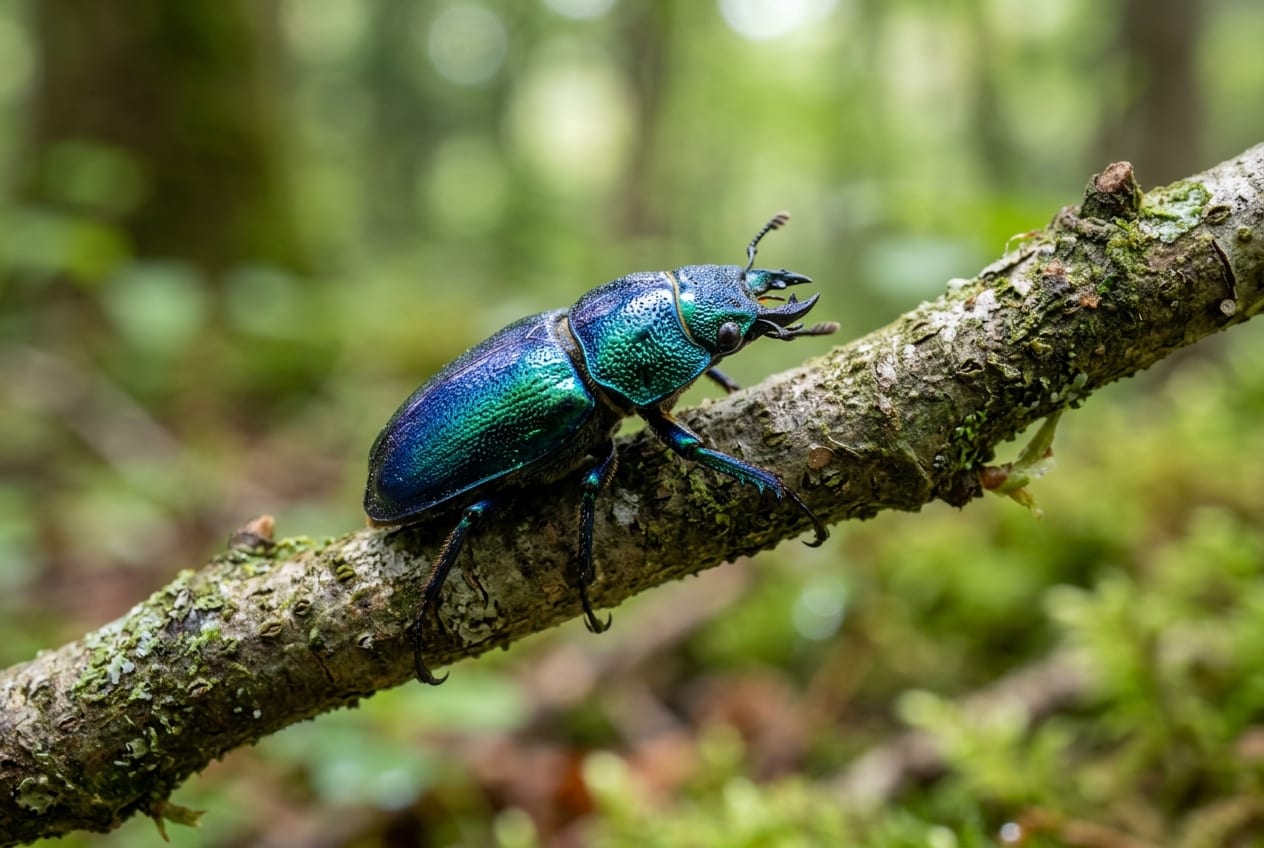
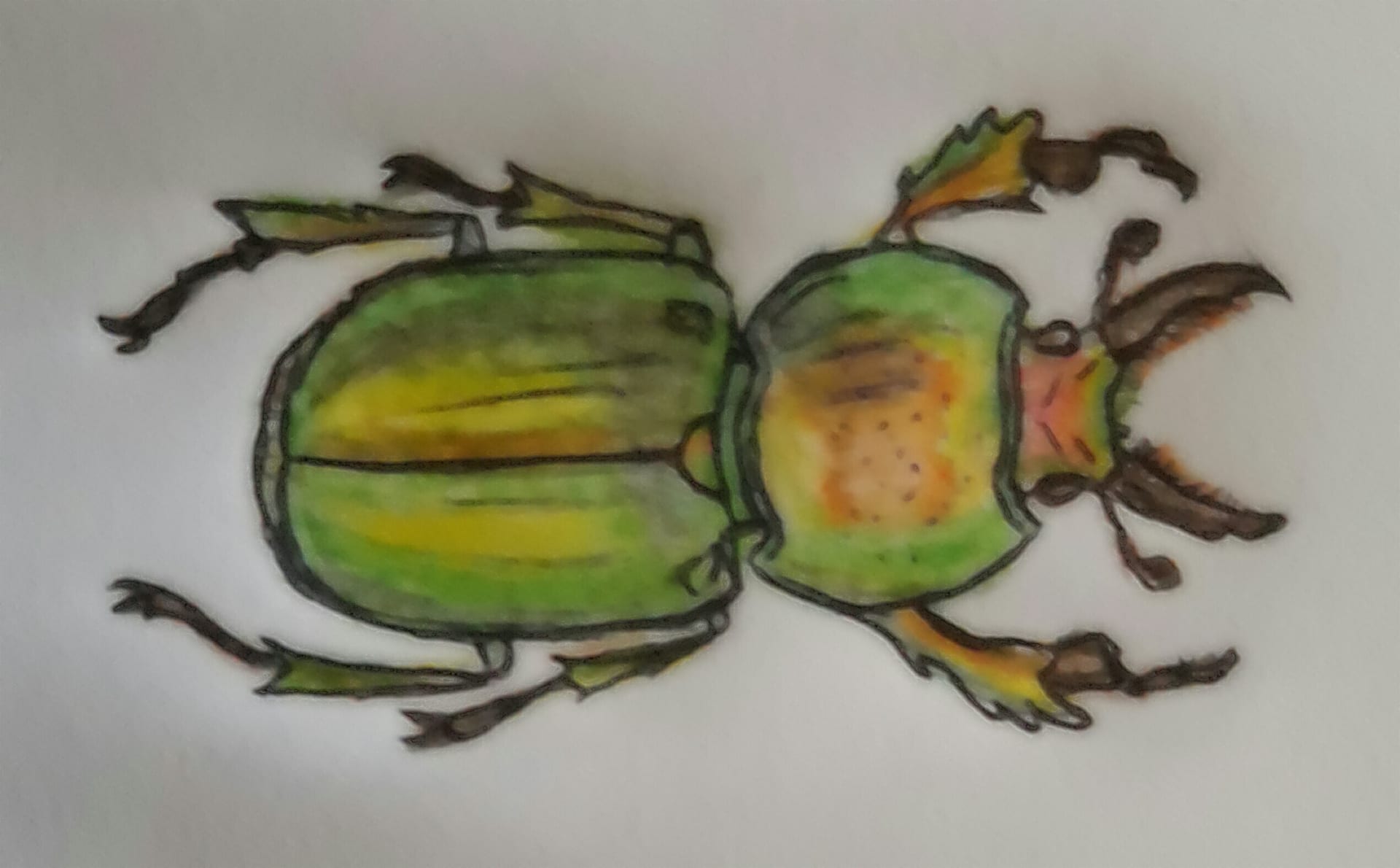
A small Lamprima of eastern Australia. Males are metallic golden green or yellow, while females run blue, blue-green or dull brown, and the Tasmanian population is a deep purple.
Difficulty
Beginner
Temperature
20〜28℃
Lifespan
Up to about six months
Size
15-25mm
Humidity
60〜80%
Diet
Adults take flower nectar and the sap of herbaceous stems; larvae eat rotting wood
About
Lamprima aurata is a small stag beetle of dry sclerophyll forest in eastern Australia, from Queensland to Tasmania, measuring 15 to 25 mm. Males are typically metallic golden green or yellow with colourful legs, while females may be blue, blue-green or dull brown. Colouring varies so widely that many authors have given the beetle different names. It is smaller than the congeneric L. adolphinae but more varied in colour and more strongly metallic, and the Tasmanian population is a deep purple. The male's foretibia carries a large fan-shaped process, said to be used to cut the stems of herbaceous plants so that the beetle can drink the sap that runs out. Females are smaller than males, whose mandibles are prolonged forwards and used for fighting. The adults fly freely, move about on the ground during the day and drink the nectar of flowers, especially eucalypts, and males hold territory on rotting logs. The larvae feed on rotting wood for two years.
Source: Wikipedia (CC BY-SA 4.0)
Size of the Golden Green Stag Beetle
The Golden Green Stag Beetle grows to 15-25mm.
Basic Info
Origin
Dry sclerophyll forest in eastern Australia, from Queensland to Tasmania
Lifespan
Up to about six months
Size
15-25mm
Temperature
20〜28℃
Humidity
60〜80%
Care Specifications
Semi-aggressiveSolitaryBreeding: Easy
Sources: Lamprima aurata - Wikipedia (EN; size, colour differences between the sexes, range and habitat, larval period, adult diet) / Lamprima - Wikipedia (JA; size, colour variation, the fan-shaped process on the foreleg, lifespan, egg-laying and growth cycle, range and features of aurata) / GBIF species page for Lamprima aurata Latreille, 1817
Breeding Records & Localities
Notable localities
QueenslandNew South WalesVictoriaTasmania
The imported stag beetle record tables of the BE-KUWA 2025 edition list only L. adolphinae and L. latreillei from this genus, so no captive record for this species could be confirmed and none is given.
Generation codes
- WD
- Wild-caught
- WF1
- Offspring of a wild-caught female
- F1〜
- Captive generations (same locality)
- CBF1
- Cross-locality captive-bred (reset)
Sources: BE-KUWA Certified Breeding Records (Mushi-sha, FY2025 edition PDF, JA) / Lamprima - Wikipedia (JA; size, colour variation, the fan-shaped process on the foreleg, lifespan, egg-laying and growth cycle, range and features of aurata)
References & Sources
Edited & verified by: BreederDirect editorial team
The taxonomic, regulatory, and husbandry data on this page are compiled and verified against the authoritative primary sources below.
Primary sources
- Wikipedia
- Ministry of the Environment, Invasive Species Act: "Guidance for Those Importing Live Insects in Scarabaeoidea"
- CITES Appendix (checklist.cites.org)
- Lamprima - Wikipedia (JA; size, colour variation, the fan-shaped process on the foreleg, lifespan, egg-laying and growth cycle, range and features of aurata)
- GBIF species page for Lamprima aurata Latreille, 1817
- BE-KUWA Certified Breeding Records (Mushi-sha, FY2025 edition PDF, JA)
Taxonomy & Authority
Accepted name: Lamprima aurata Latreille, 1817
Authority databases: GBIF
Nomenclature follows global taxonomic authority databases.
Regulations & Conservation Status
Not CITES-listed
Plant Protection Act: When importing live specimens of Scarabaeoidea (including rhinoceros beetles, stag beetles, flower beetles, etc.), a species identification certificate issued by the exporting country government agency or equivalent must be attached in accordance with the Invasive Species Act (import ports are limited to Narita, Chubu, Kansai, Fukuoka, and Kagoshima airports). This species itself is not a designated invasive species, and import is possible upon submission of the certificate.
Sources: Ministry of the Environment, Invasive Species Act: "Guidance for Those Importing Live Insects in Scarabaeoidea" / CITES Appendix (checklist.cites.org)
Regulations may change. Always verify the latest information with the relevant authorities.
Golden Green Stag Beetle Listings
Loading latest listingsFind listings for this species