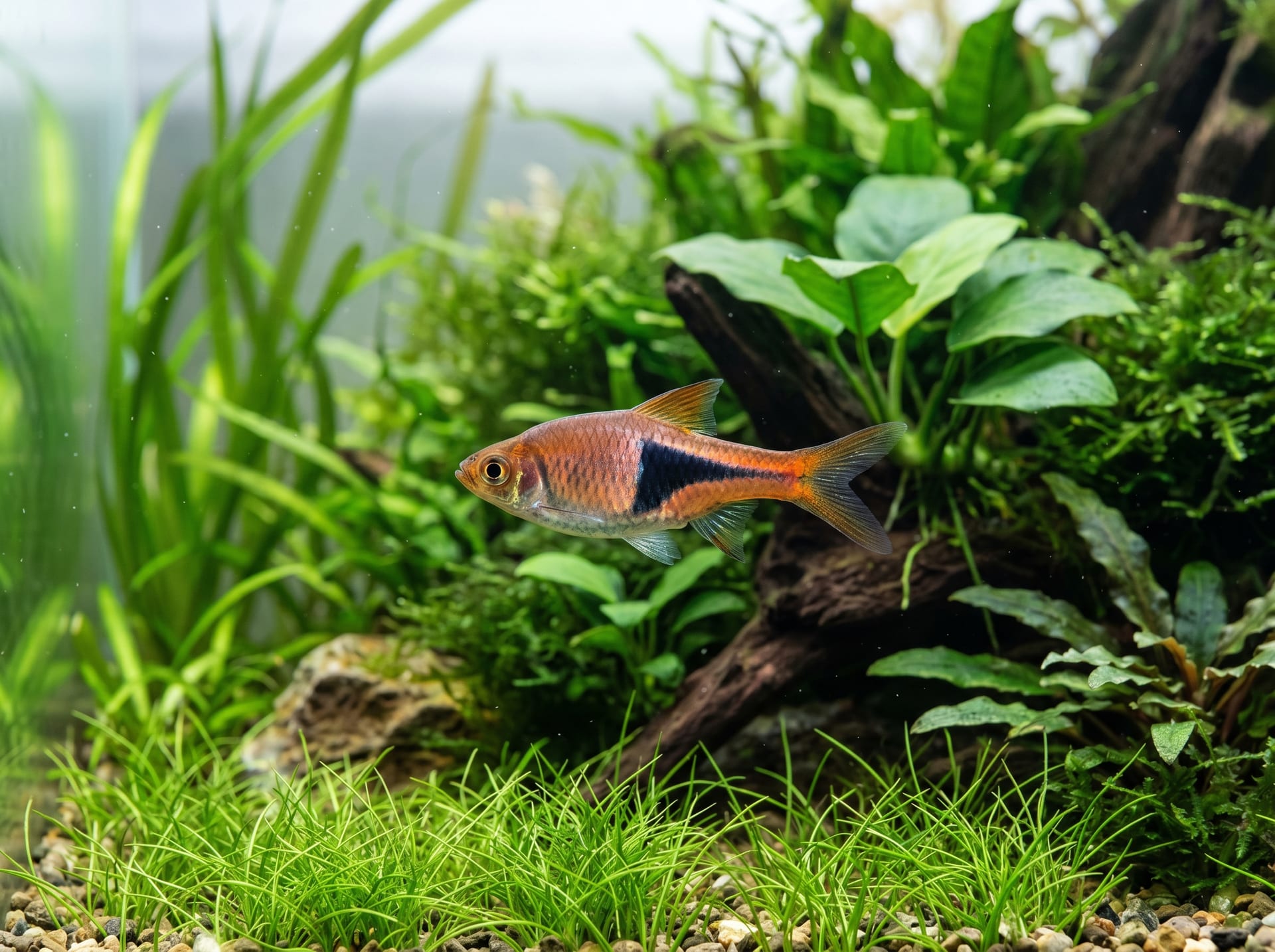
10 Recommended Tropical Fish for Small Tanks | Best for 30cm Tanks
We carefully select 10 recommended tropical fish species that can be maintained in small tanks around 30cm. We explain the characteristics, care tips, and compatibility for each fish.
Key Takeaways
We carefully select 10 recommended tropical fish species that can be maintained in small tanks around 30cm. We explain the characteristics, care tips, and compatibility for each fish.
Related Species
Keeping tropical fish in small tanks is a popular hobby that lets you enjoy a beautiful underwater world while saving space. However, with limited water volume, your choice of fish is restricted and water quality management requires careful attention. This article introduces 10 recommended tropical fish species that can be kept comfortably in tanks around 30cm, along with tips for successful care.
Husbandry Conditions for Small Tanks
Husbandry conditions for a 30cm tank are as follows.
Water volume is approximately 12–13 liters
Appropriate stocking density is around 5–8 small fish (overstocking is the leading cause of water quality deterioration)
A hang-on filter or small external filter is suitable (an undergravel filter takes up space and is not recommended for small tanks)
A heater rated around 50W for small tanks
10 Recommended Species
No.
Fish Species
Body Length
Characteristics
Care Tips
1
Red-finned Shark
3–4 cm
Hardy small fish ideal for beginners; males display red nuptial coloring
Water temperature 15–28°C allows unheated care; ideally keep 3–5 fish
2
Boraras brigittae
2–3 cm
✍️
BreederDirect Editorial
The BreederDirect editorial team specializes in care information for animals, covering veterinary care and breeding to deliver beginner-friendly guides.
Find Tropical Fish on BreederDirect
Buy directly from verified breeders
Browse Related Listings
Find Tropical Fish listings related to this article on BreederDirect. Buy directly from verified breeders.
Brilliantly red ultra-small fish; docile and forms groups readily
Slightly acidic soft water, pH 5.5–7.0; beautiful schooling behavior in groups of 5–6
3
Green Neon Tetra
2–3 cm
Blue stripe along entire body; strong schooling behavior
Weakly acidic to neutral water conditions
4
Microrasbora (Celestichthys margaritatus)
2–2.5 cm
Dark base with pearl-like white spots scattered throughout; males' fins turn red
Planted tank environment; provides numerous hiding places as they are shy
5
Pygmy Corydoras (Corydoras pygmaeus)
2.5–3 cm
Cleans bottom substrate; unusual habit of also swimming in mid-water
Fine sand substrate; keep in groups of 3 or more
6
Crown Killifish (Epiplatys annulatus)
3–4 cm
Beautiful contrast of blue and red in tail fin
Swims near surface; prefers floating plants; must have a cover due to jumping behavior
7
Scarlet Gem
2–3 cm
Strikingly red fish like a precious gem
Keep 1 male with 2–3 females; prefers live food, requiring care with training to frozen food
8
Endler's Livebearer
2–3 cm (males)
Close relative of guppies; males have vibrant body coloration
Ovoviviparous and breed easily; watch for overpopulation; excellent water quality adaptability
9
Chocolate Gourami
4–5 cm
Rich chocolate-colored appearance
Somewhat sensitive to water quality; prefers weakly acidic soft water; suitable for intermediate keepers
10
Betta (Males Only)
5–7 cm
Beautiful fins and wide variety of color morphs
Males must be kept singly; can survive without aeration due to labyrinth organ
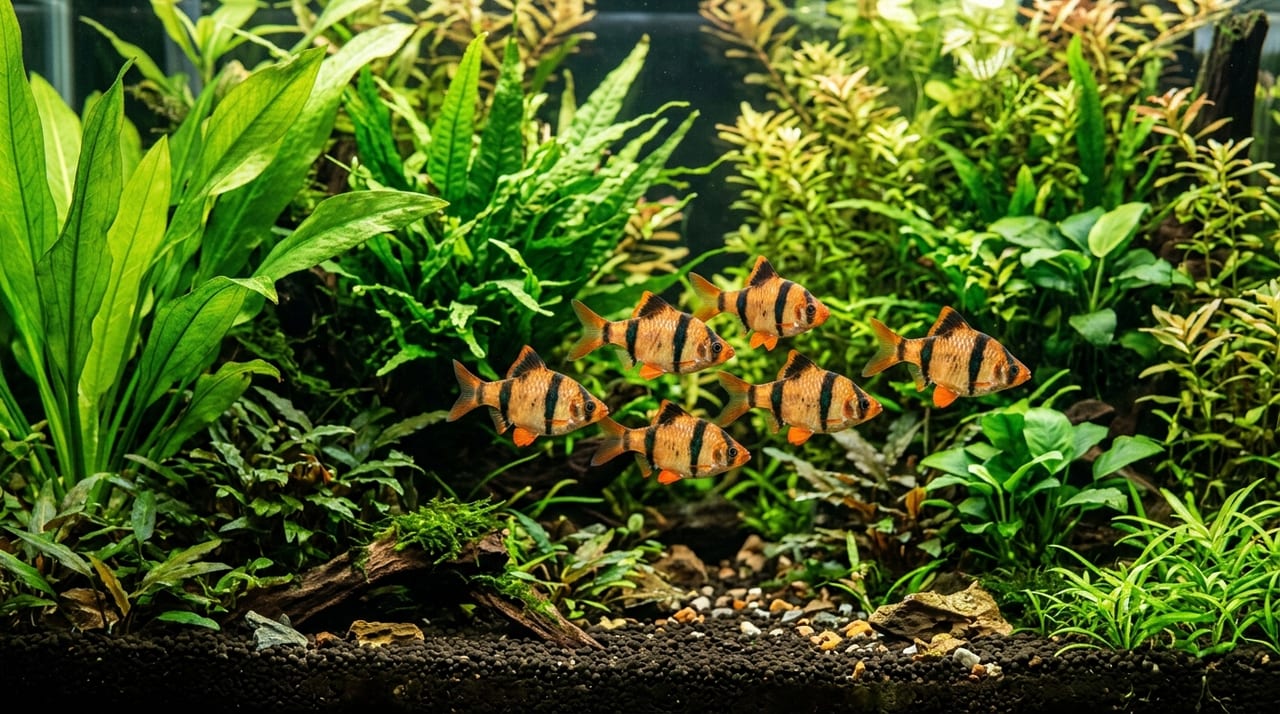
1. Red-finned Shark
Body length 3–4 cm. A hardy small fish from China, most recommended for beginners. It adapts to a wide range of temperatures from 15–28°C and can be kept unheated. Schooling fish are beautiful to watch, and males' nuptial coloring is a brilliant red. Ideally keep 3–5 fish.
2. Boraras brigittae
Body length 2–3 cm. An ultra-small fish characterized by brilliant red coloring. They have a docile temperament and readily form groups, making them stand out in planted tanks. They prefer slightly acidic soft water with a pH of 5.5–7.0. Keeping 5–6 individuals allows you to enjoy the beauty of schooling behavior.
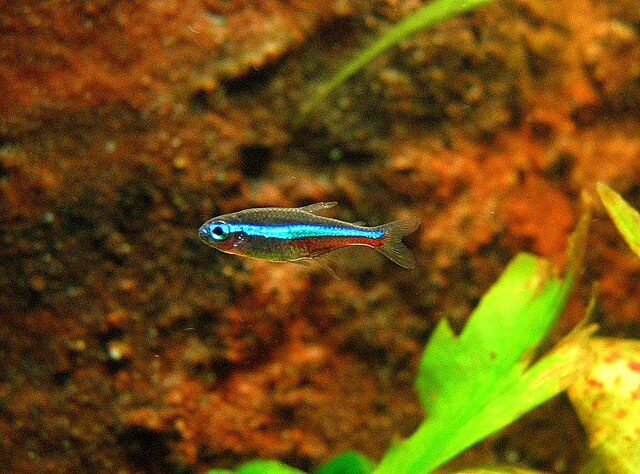
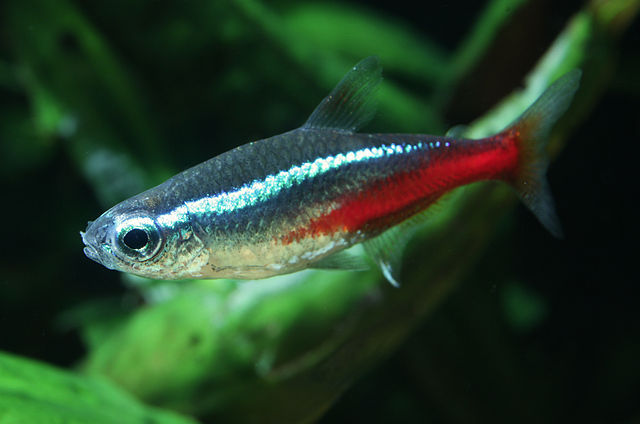
3. Green Neon Tetra
Body length 2–3 cm. Smaller than the neon tetra, with a blue line running along the entire body. They exhibit strong schooling behavior and form groups even in small numbers, making them ideal for small tanks. They prefer weakly acidic to neutral water conditions.
4. Microrasbora (Celestichthys margaritatus)
Body length 2–2.5 cm. A beautiful fish with a dark base and pearl-like white spots scattered throughout. Males' fins are tinged red. They prefer a densely planted environment and are shy, so provide plenty of hiding places.
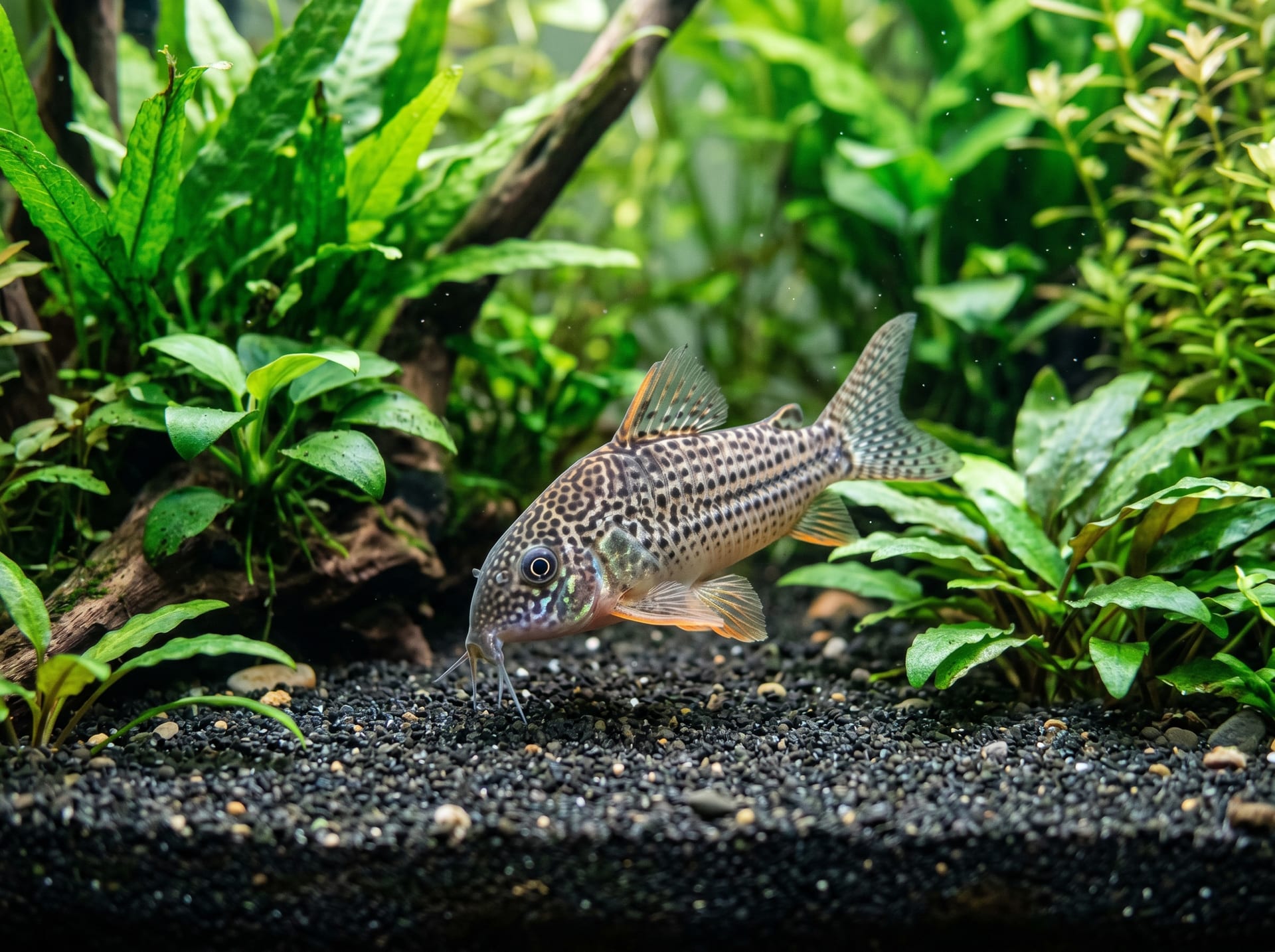
5. Pygmy Corydoras (Corydoras pygmaeus)
Body length 2.5–3 cm. A popular small corydoras that cleans the substrate. It is an unusual corydoras that also swims in mid-water layers. Use fine sand substrate and keep 3 or more together.
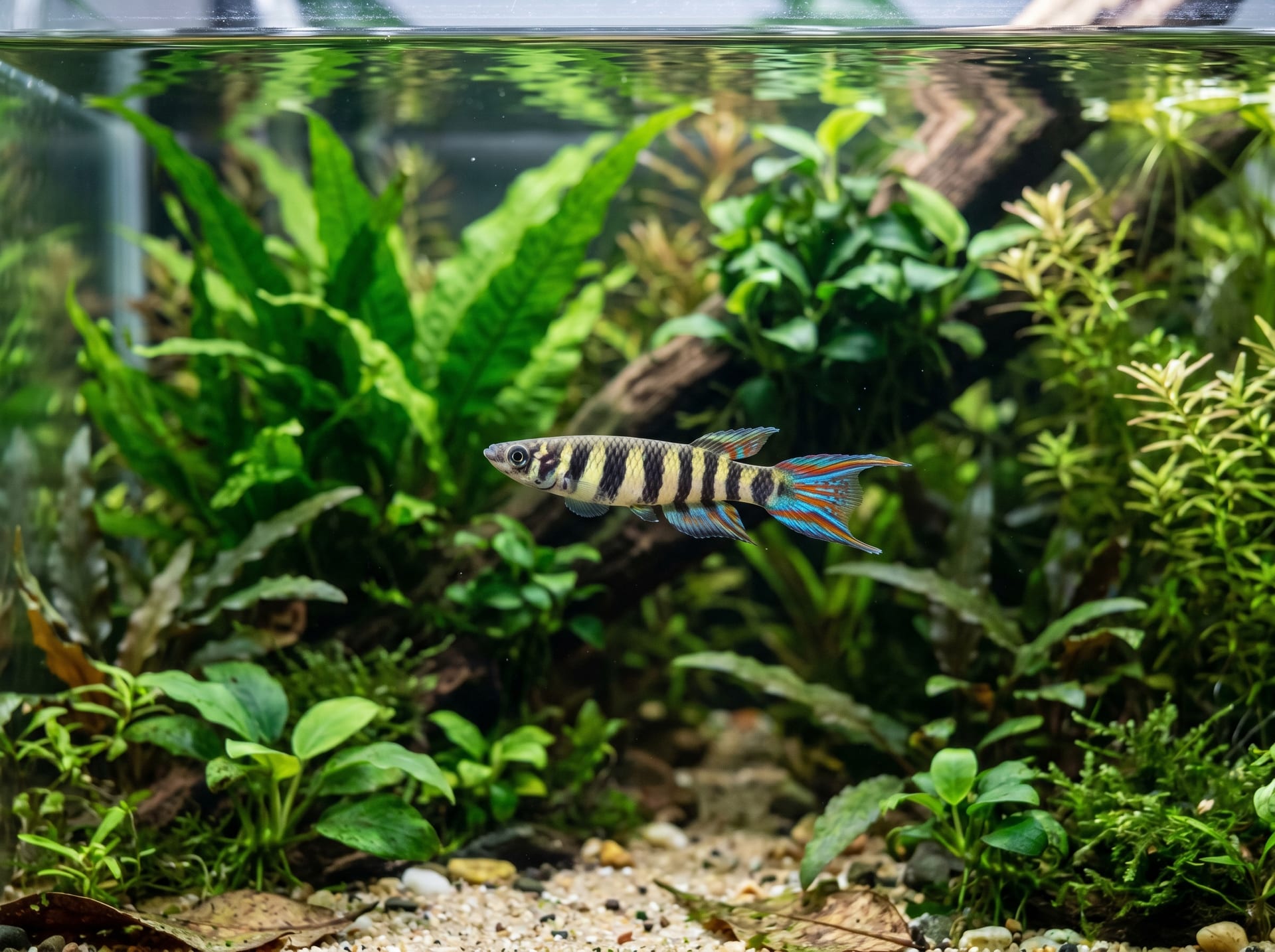
6. Crown Killifish (Epiplatys annulatus)
Body length 3–4 cm. A small egg-laying killifish with a beautiful contrast of blue and red in the tail fin. It swims near the water surface and prefers floating plants. It has a jumping habit, so a cover is essential.
7. Scarlet Gem
Body length 2–3 cm. A small fish with striking red coloration like a precious gem. Males establish territories, so a good combination is 1 male with 2–3 females. They prefer live food, requiring care in acclimating them to artificial feed.
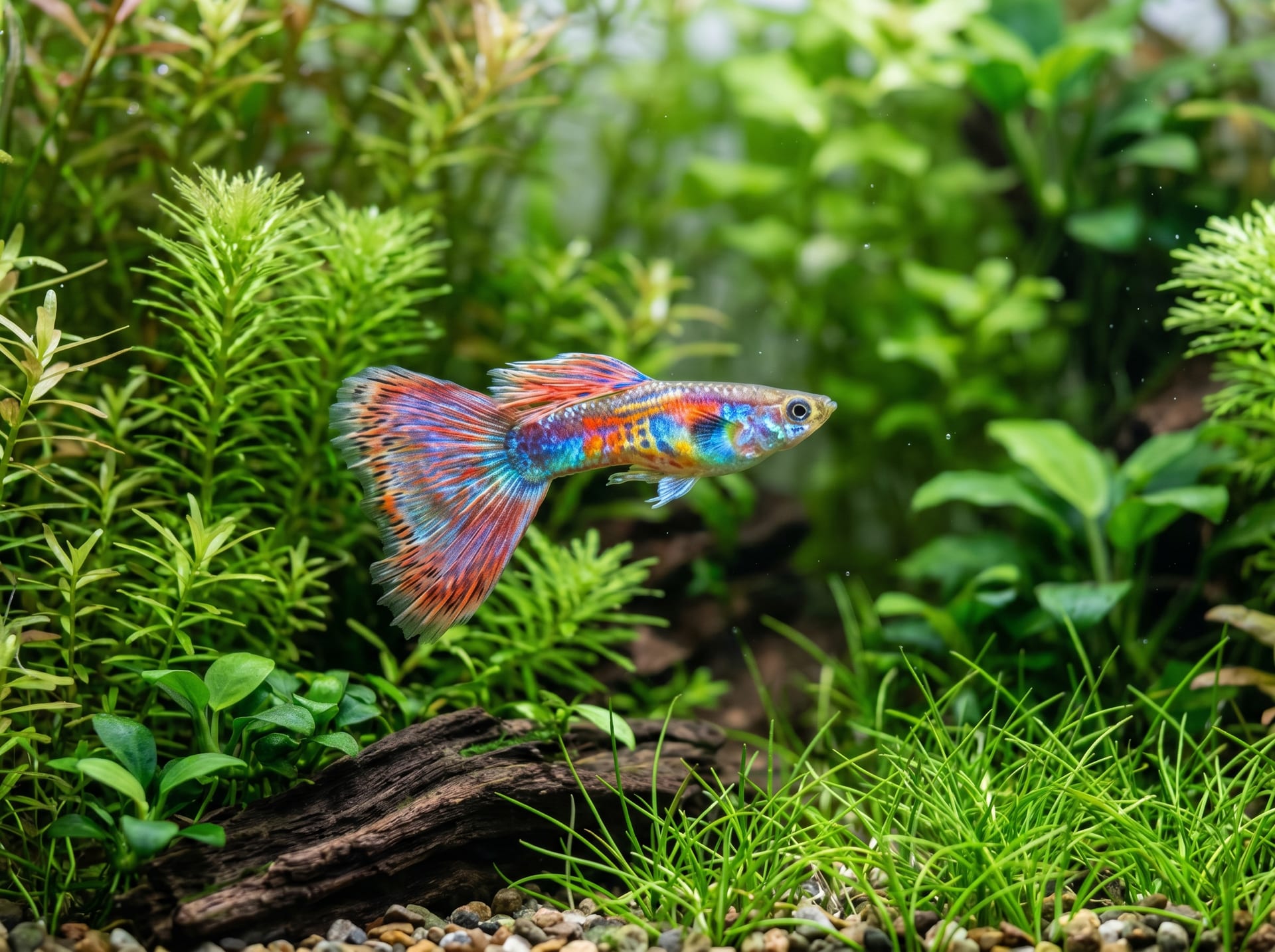
8. Endler's Livebearer
Body length 2–3 cm (males). A close relative of guppies with strikingly vibrant body coloration in males. Ovoviviparous and breed easily; watch for overpopulation. They have excellent water quality adaptability.
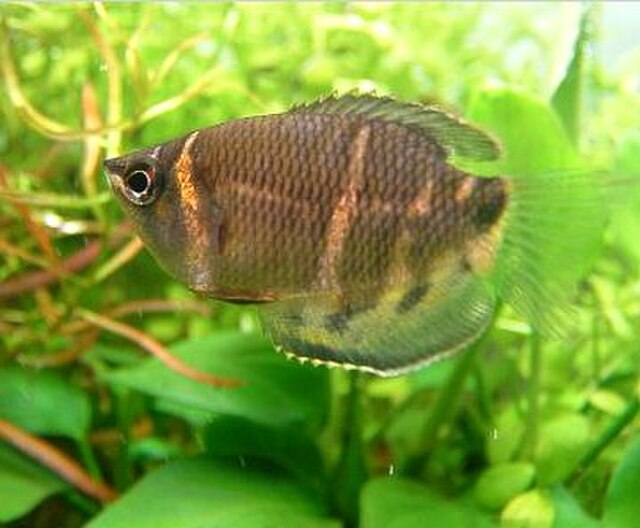
9. Chocolate Gourami
Body length 4–5 cm. A gourami with a rich, subdued chocolate coloration. Somewhat sensitive to water quality and prefers weakly acidic soft water. Suitable for intermediate keepers but works well for solo care in small tanks.
10. Betta (Males Only)
Body length 5–7 cm. Attractive fins and an extensive variety of color morphs. Males are highly aggressive, so keeping a single male is essential. They can breathe air using a labyrinth organ, making aeration unnecessary. One of the most striking fish for small tanks.
Tips for Success with Small Tanks
The biggest challenge with small tanks is the large fluctuations in water quality due to limited water volume. Following these three key points enables stable care.
Increase Water Change Frequency
For a 30cm tank (approximately 12–13 liters), water changes 1–2 times per week are recommended. Change one-quarter to one-third of the total volume each time, and always match the temperature of new water before adding it. Because water volume is limited, introducing water at a different temperature can cause rapid temperature swings. Maintaining around 26°C ensures stability.
Strictly Maintain Stocking Density
A good guideline for stocking density in small tanks is "1 cm of fish body length per liter." For a 30cm tank, a maximum of 8–10 fish of neon tetra size is the upper limit. Overstocking accelerates water quality degradation and increases disease risk.
Feed Conservatively
Uneaten food is a major cause of water quality deterioration. Feed once daily in amounts that can be consumed in 1–2 minutes. Small tanks are particularly sensitive to impacts from leftover food, so take special care.
BreederDirect lets you purchase healthy tropical fish raised with care by breeders directly. By sharing your tank size and environment, you can receive advice on the best species and stocking numbers. Why not welcome a favorite fish you discover on BreederDirect into your cherished small aquarium?