[2026 Edition] 15 Beginner-Friendly Tropical Fish | Selection Tips & Care Guide
Curated guide to 15 easy-to-care tropical fish species for beginners. Detailed breakdown of difficulty, cost, compatibility, and care tips. Complete guide from tank setup to FAQs.
![[2026 Edition] 15 Beginner-Friendly Tropical Fish | Selection Tips & Care Guide](https://img.br-choku.com/column-images/_pool/hero-1778702153222-qx5d5g.jpg)
Key Takeaways
Curated guide to 15 easy-to-care tropical fish species for beginners. Detailed breakdown of difficulty, cost, compatibility, and care tips. Complete guide from tank setup to FAQs.
Related Species
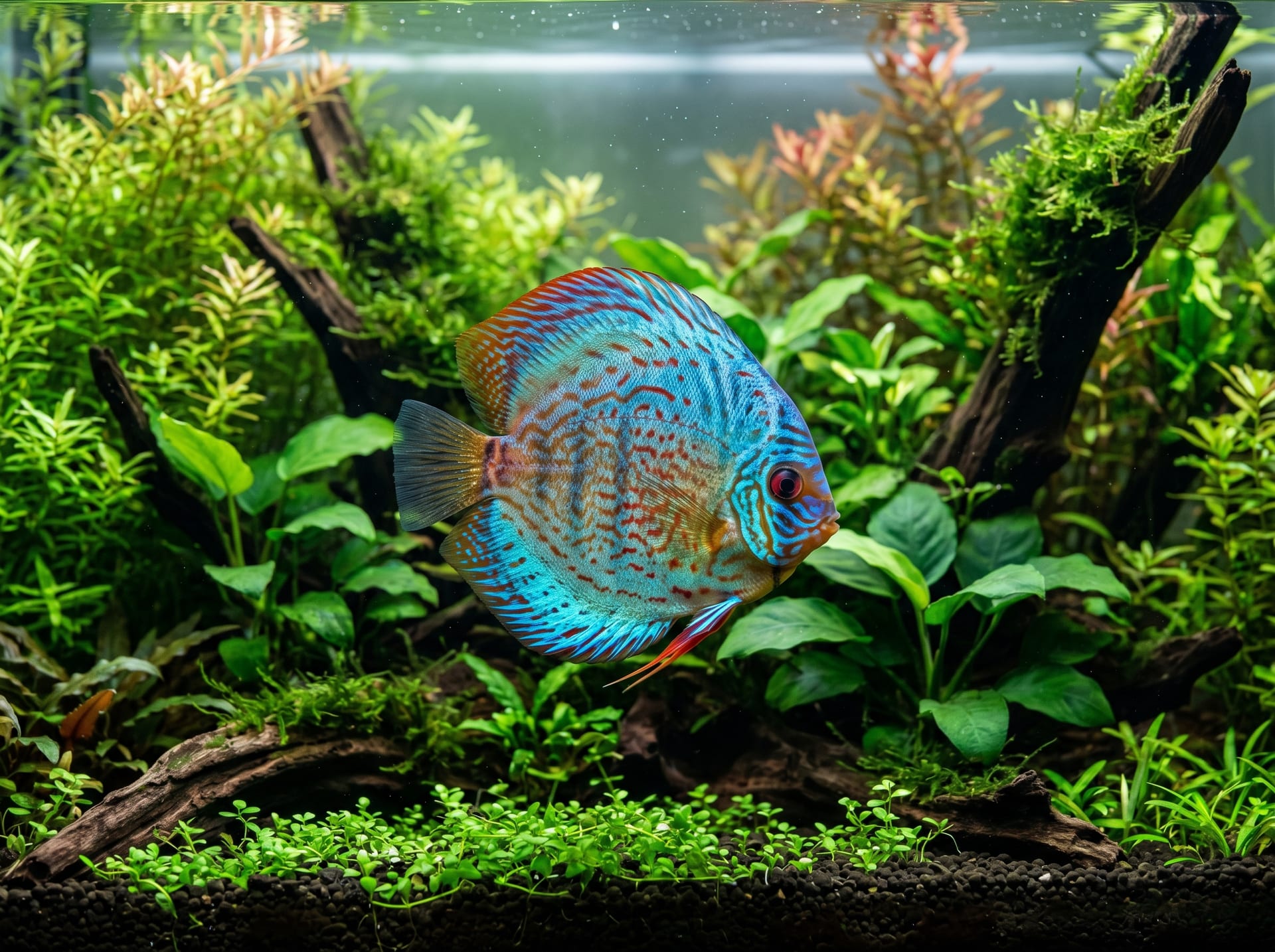
Tropical fish are prized for their vibrant colors and incredible variety. However, many beginners wonder "Which species are truly easy to keep?" or "What equipment do I need to start?" This article carefully selects 15 tropical fish species you can confidently keep even without prior experience, and walks you through selection tips, tank setup, and daily care routines.
Key Points for Beginners When Selecting Tropical Fish
Keep these 5 factors in mind when choosing tropical fish:
- Hardiness (Disease Resistance): Species that can tolerate minor water quality fluctuations are ideal
- Temperature Range: Species doing well at 24–28°C are easiest to manage
- Maximum Size: Match fish size to your tank capacity
- Temperament: For community tanks, choose non-aggressive species
- Availability & Price: Can you reliably find them at shops or breeders?
Tip: Buying directly from breeders lets you assess health more accurately and get personalized care advice. Our tropical fish category features individuals bred by specialist breeders.
15 Recommended Tropical Fish
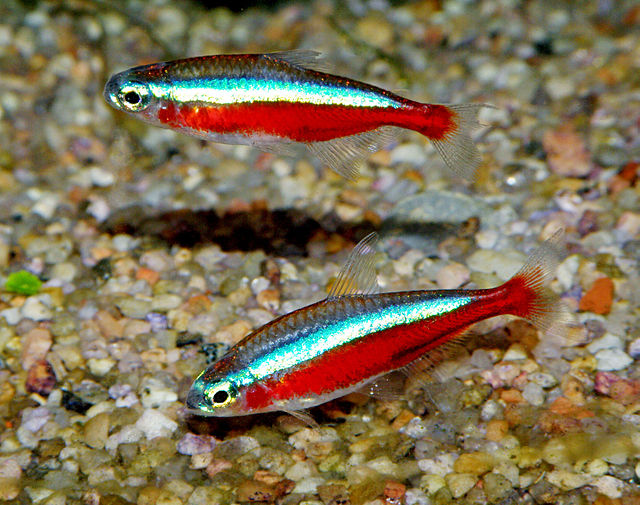
1. Neon Tetra
- Difficulty: ★☆☆☆☆ (Very Easy)
- Price: $0.50–$1.50 per fish
- Max Size: ~3cm
- Ideal Temperature: 24–28°C
- Lifespan: 2–3 years
Pros: School swimming is among the most beautiful sights in the hobby. Their blue and red stripes are stunning, they're hardy, and prices are low—making bulk purchases easy.
Cons: Too small to mix with large fish. Prone to ich (white spot disease), so avoid rapid temperature changes.
Care Tips: School of 10+ showcases their best behavior. They thrive in slightly acidic to neutral water and are perfect for planted tanks.
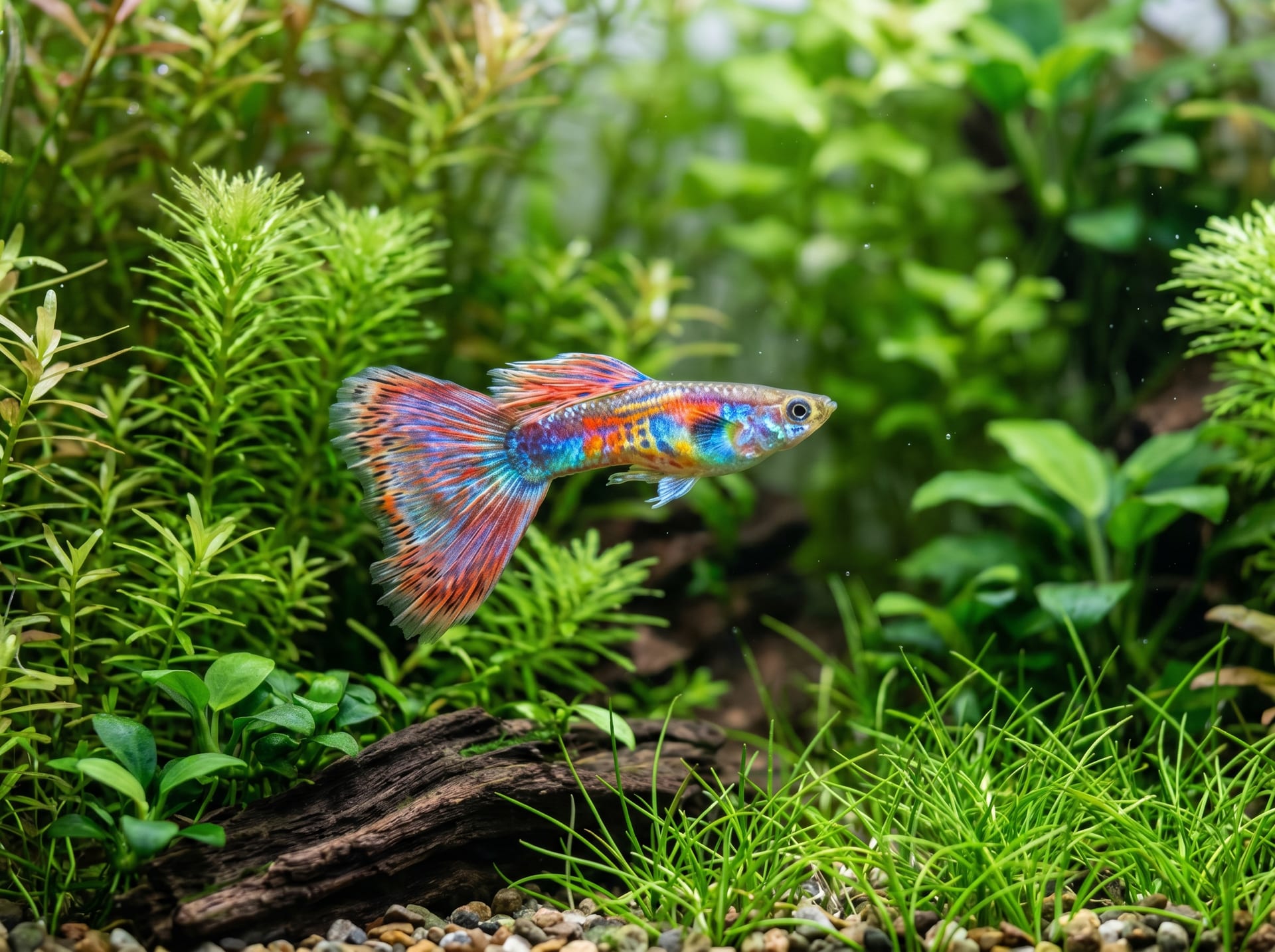
2. Guppy
- Difficulty: ★☆☆☆☆ (Very Easy)
- Price: $2–$10 per pair
- Max Size: Males 3cm, females 5cm
- Ideal Temperature: 23–28°C
- Lifespan: 1–2 years
Pros: Striking tail fins are their biggest appeal. Breeding is effortless—even beginners can enjoy fry development. Comes in countless color varieties.
Cons: Reproduce so prolifically they may overpopulate. Large fins attract fin-nippers like Bettas.
Care Tips: Prefer neutral to slightly alkaline water. Keep males only to prevent overpopulation. Domestic breeds are hardier for beginners.
3. Corydoras Paleatus (Green Cory)
- Difficulty: ★☆☆☆☆ (Very Easy)
- Price: $3–$6 per fish
- Max Size: ~5cm
- Ideal Temperature: 22–26°C
- Lifespan: 3–5 years
Pros: Their bottom-sifting behavior is endearing, and they double as algae eaters. Extremely hardy and tolerate cooler water well.
Cons: Sensitive to substrate quality—poor conditions can damage their barbels. Nocturnal, so often hide during the day.
Care Tips: Use fine sand without sharp edges to protect their barbels. Keep in groups of 3+. Supplement with sinking pellets.
4. Red-tailed Black Shark (Akahire)
- Difficulty: ★☆☆☆☆ (Very Easy)
- Price: $0.50–$1 per fish
- Max Size: ~3cm
- Ideal Temperature: 15–28°C
- Lifespan: 3–5 years
Pros: Nearly indestructible hardiness. Can overwinter without a heater (in indoor environments). Striking red fins with impressive ease of care—among the hardiest tropical fish.
Cons: Drab appearance; some find them bland compared to flashier species.
Care Tips: Adaptable to a wide pH range but prefer clean water. Work in tiny tanks and are popular for bottle aquariums.
5. Platy
- Difficulty: ★☆☆☆☆ (Very Easy)
- Price: $1–$4 per fish
- Max Size: ~5cm
- Ideal Temperature: 22–28°C
- Lifespan: 2–3 years
Pros: Come in red, yellow, blue, and more. Easy to breed like Guppies; as livebearers, fry survival rates are higher.
Cons: Like Guppies, they overpopulate easily. Larger bodies make them less suited to small tanks.
Care Tips: Prefer neutral to slightly alkaline water. Dense plants give fry hiding spots.
6. Rasbora Espei (Lambchop Rasbora)
- Difficulty: ★★☆☆☆ (Easy)
- Price: $1.50–$3 per fish
- Max Size: ~3cm
- Ideal Temperature: 23–28°C
- Lifespan: 3–5 years
Pros: Orange bodies with striking black wedge markings. Strong schooling instinct creates beautiful formations. Docile and ideal for community setups.
Cons: Somewhat shy; newly introduced fish may hide for a week.
Care Tips: Slightly acidic water brings out their colors beautifully. Thriving in densely planted tanks.
7. Golden Honey Gourami
- Difficulty: ★★☆☆☆ (Easy)
- Price: $3–$6 per fish
- Max Size: ~4cm
- Ideal Temperature: 24–28°C
- Lifespan: 3–4 years
Pros: Bright yellow bodies with antennae-like pelvic fins are distinctive. Peaceful and great for community tanks. Graceful surface-level swimming is therapeutic.
Cons: Slow swimmers often lose food to faster tank mates. Sensitive to water quality deterioration.
Care Tips: Floating plants provide security. Feed pellets slowly. Males of the same species may squabble.
8. Otocinclus
- Difficulty: ★★☆☆☆ (Easy)
- Price: $3–$6 per fish
- Max Size: ~4cm
- Ideal Temperature: 22–28°C
- Lifespan: 3–5 years
Pros: Consume brown and green algae. Docile and safe with tank mates. Tiny size fits any setup.
Cons: Starve without algae. Some resist accepting prepared foods.
Care Tips: Introduce to algae-covered tanks when possible. Pre-feed with spirulina or algae wafers for safety.
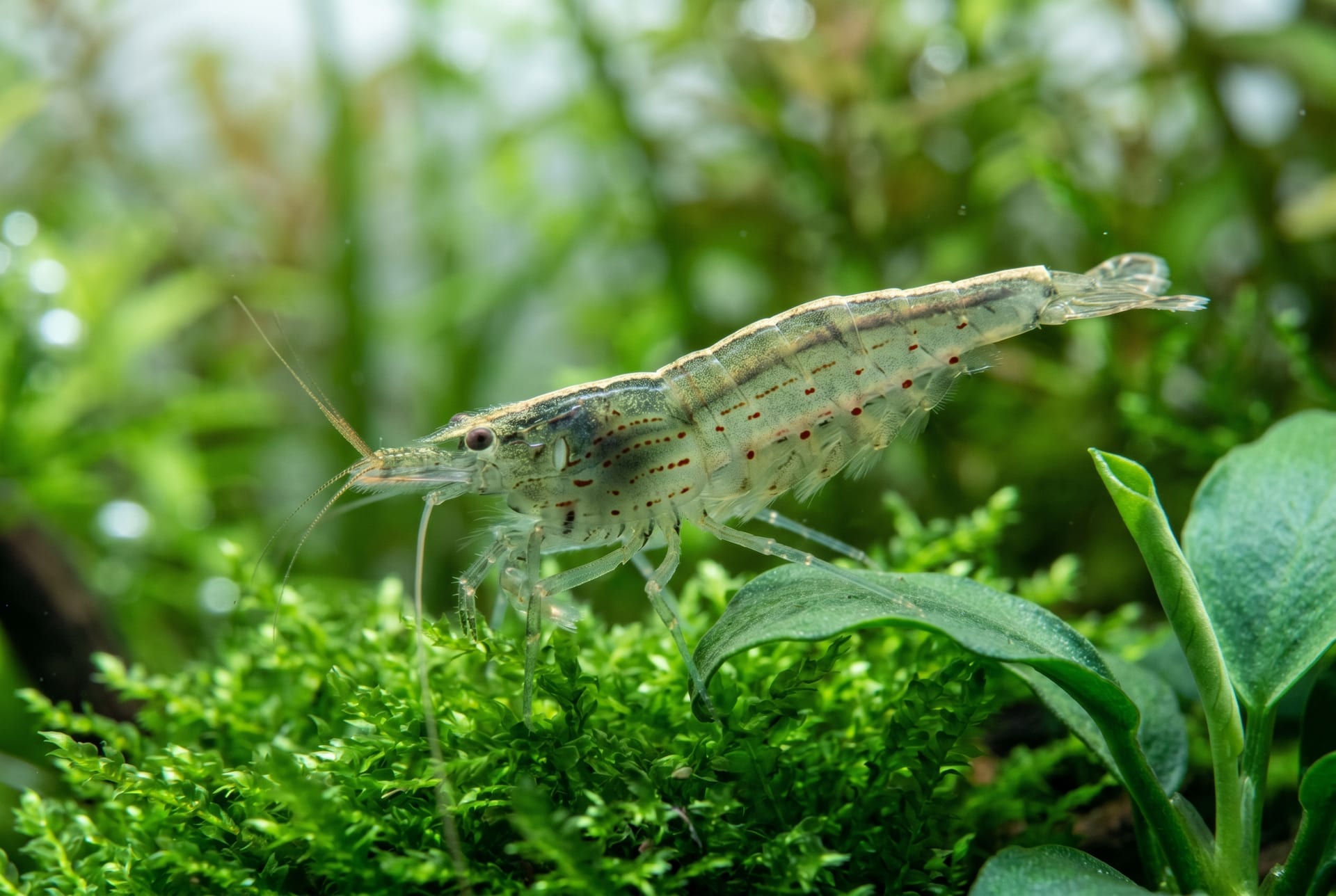
9. Amano Shrimp (Minaminumaebei)
- Difficulty: ★☆☆☆☆ (Very Easy)
- Price: $0.30–$1 per shrimp
- Max Size: ~3cm
- Ideal Temperature: 15–28°C
- Lifespan: 1–2 years
Pros: Excellent algae and detritus eaters. Perfect for planted tanks. Breed readily and naturally multiply.
Cons: Become prey for medium and larger fish. Extremely sensitive to medications.
Care Tips: Provide hiding spots (plants and driftwood). Never use copper-based medications. Use drip acclimation method.
10. Betta Fish (Traditional)
- Difficulty: ★☆☆☆☆ (Very Easy)
- Price: $3–$30 per fish
- Max Size: ~6cm
- Ideal Temperature: 25–28°C
- Lifespan: 2–3 years
Pros: Elegant, flowing fins are stunning. Thrive in small tanks as solitary fish. Comes in numerous color morphs: Halfmoon, Crowntail, and more.
Cons: Males fight viciously—never house together. Avoid long-finned tank mates.
Care Tips: Use weak water flow. Access air at the surface via labyrinth organ, so leave tank gaps. Keep lids secure.
11. Cardinal Tetra
- Difficulty: ★★☆☆☆ (Easy)
- Price: $1–$2 per fish
- Max Size: ~4cm
- Ideal Temperature: 24–28°C
- Lifespan: 3–5 years
Pros: Slightly larger than Neon Tetras with red extending across the belly for stronger coloring. Schooling is even more striking.
Cons: Slightly more sensitive to water changes than Neons. Careful acclimation is essential.
Care Tips: Shine brilliantly in slightly acidic, soft water. Best in planted community groups.
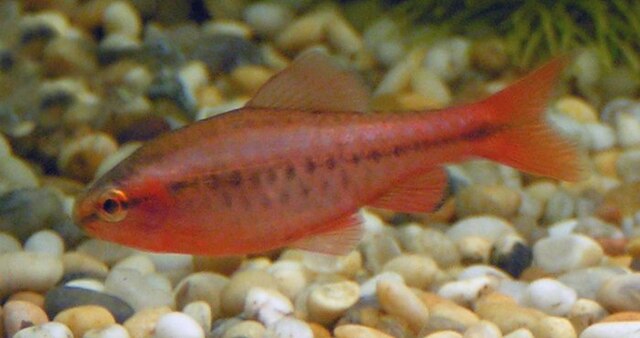
12. Cherry Barb
- Difficulty: ★★☆☆☆ (Easy)
- Price: $1.50–$3 per fish
- Max Size: ~4cm
- Ideal Temperature: 22–28°C
- Lifespan: 4–6 years
Pros: Males turn vibrant red when breeding—perfect tank accents. Unique ability to eat snails. Hardy and long-lived.
Cons: Females are dull-colored. Some individuals show temperament, though rarely causing serious issues.
Care Tips: Keep in pairs or small groups. Enjoy densely planted environments. Tolerate wide pH swings—very beginner-friendly.
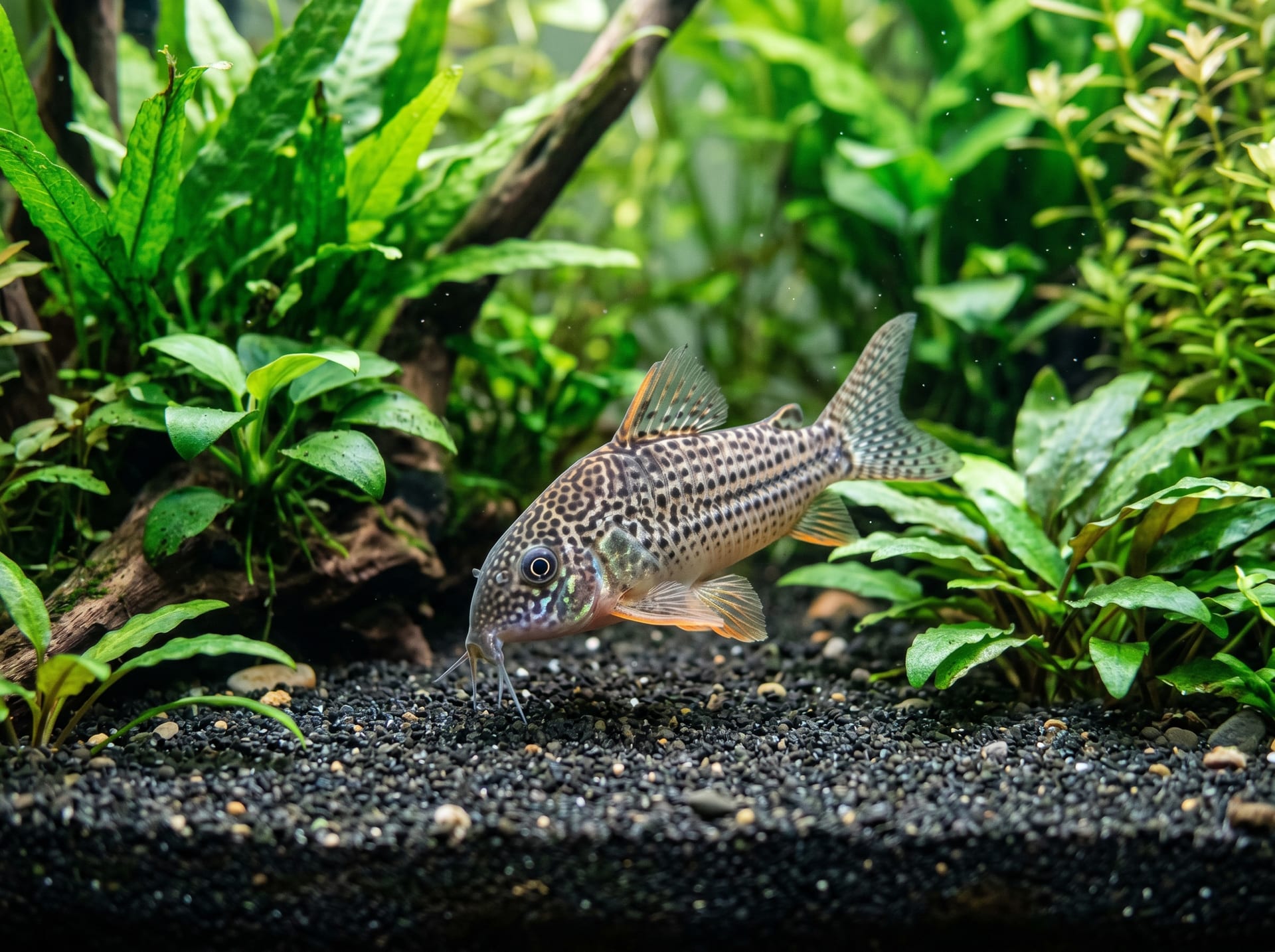
13. Corydoras Sterbai (Sterba's Cory)
- Difficulty: ★★☆☆☆ (Easy)
- Price: $6–$12 per fish
- Max Size: ~6cm
- Ideal Temperature: 24–28°C
- Lifespan: 5–8 years
Pros: White-spotted pattern with orange pectoral fins is beautiful. More striking than Green Corys and very popular. Handle warm water better.
Cons: More expensive than Green Corys. Equally sensitive to substrate cleanliness.
Care Tips: Fine sand (like Fluorite Black) is ideal. Keep 3+ for comfort. Standard choice for Discus companions.
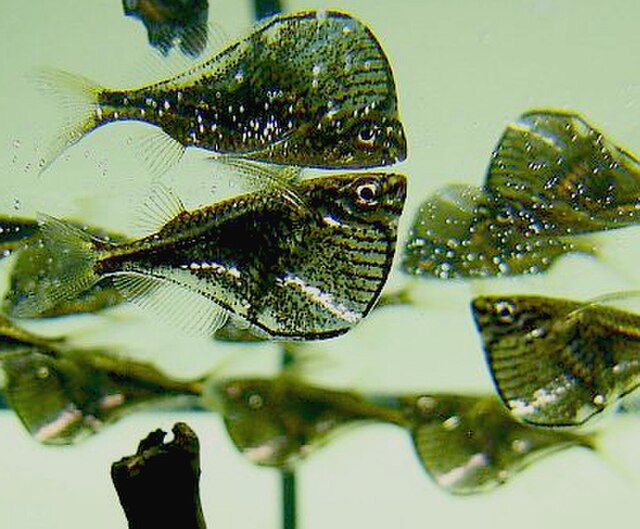
14. Marbled Hatchetfish
- Difficulty: ★★★☆☆ (Moderate)
- Price: $3–$6 per fish
- Max Size: ~4cm
- Ideal Temperature: 24–28°C
- Lifespan: 3–5 years
Pros: Distinctive hatchet-like body shape is unique. Occupy the water surface, leaving middle and bottom layers for other fish.
Cons: Jump frequently—tight lids are essential. Timid and stressed by rapid changes.
Care Tips: Secure lids with no gaps. Floating plants provide refuge. Prefer slightly acidic, soft water.
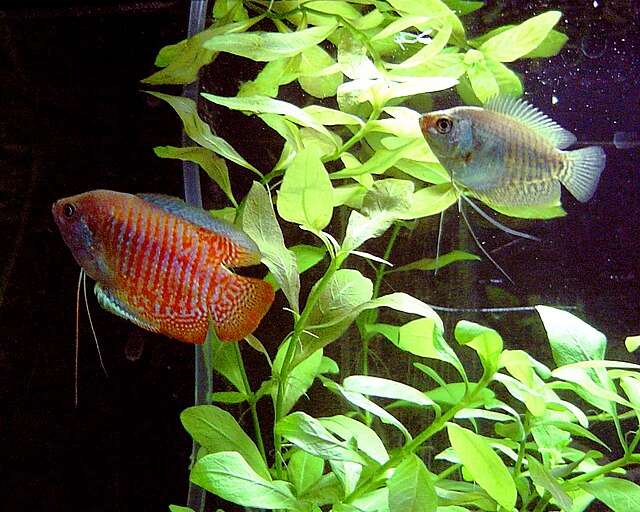
15. Dwarf Gourami
- Difficulty: ★★☆☆☆ (Easy)
- Price: $4–$8 per fish
- Max Size: ~6cm
- Ideal Temperature: 24–28°C
- Lifespan: 3–4 years
Pros: Red and blue striping is stunning. Many morphs exist: Cobalt Blue, Sunset, Neon. Bubble-nest building behavior is fascinating.
Cons: Susceptible to Gourami virus. Buy from reputable breeders.
Care Tips: Use abundant plants and gentle flow. Avoid keeping males together.
Beginner's Tank Setup Guide
Essential Equipment & Budget
| Equipment | Estimated Cost | Notes |
|---|---|---|
| 60cm Tank | $30–$80 | 60cm recommended for water stability |
| Filter | $30–$80 | External or hang-on style |
| Heater | $15–$35 | Match wattage to tank volume |
| LED Light | $30–$80 | Timer-equipped is convenient |
| Substrate | $10–$30 | Gravel or aquatic soil |
| Water Conditioner | $3–$5 | Essential item |
| Thermometer | $3–$5 | Digital recommended |
| Total | ~$120–$320 |
In hot climates where temps exceed 30°C, consider a chiller. Details are in 5 Best Aquarium Chillers.
Setup Steps
- Position the tank (can't move once filled)
- Rinse and lay substrate
- Install filter, heater, and lighting
- Fill slowly with dechlorinated water
- Run filter for 2–4 weeks (bacterial colony establishment)
- Test water: ammonia and nitrite should be zero before adding fish
- Start with 3–5 fish, adding more every 1–2 weeks as the tank matures
5 Critical Tips to Avoid Beginner Mistakes
- Always acclimate: Float sealed bags for 30 minutes, then gradually mix tank water into the bag
- Don't overfeed: 1–2 feedings daily, amount consumed in 2–3 minutes
- Change ~1/3 water weekly: Large changes cause water quality swings
- Rinse filters in tank water: Tap water kills beneficial bacteria
- Quarantine sick fish immediately: Spot white spots or odd swimming? Act fast
Frequently Asked Questions (FAQ)
Q. What size tank is best for beginners? A. A 60cm (57L) tank is ideal. Larger volumes stabilize water quality better, making care easier. Tanks under 30cm experience rapid changes and higher difficulty.
Q. Do I need a heater? A. For most tropicals, yes. Red-tailed Black Sharks are an exception—they can overwinter indoors without one.
Q. How many fish should I start with? A. Begin with 5–10 small fish in a 60cm tank. Once water stabilizes, gradually add more.
Q. Can I keep tropical fish and shrimp together? A. Yes—Amano and other dwarf shrimp mix well with small tropicals. Medium+ sized fish will eat shrimp.
Q. Should I add plants? A. Absolutely. They filter water and provide refuge. Hardy species like Anubias Nana and Microsorum thrive without CO2 injection.
Related Articles
Deepen your tropical fish knowledge with these guides:
- Beginner's Guide to Tropical Water Quality
- Tropical Fish Community Tank Guide
- Tropical Fish Disease & Treatment
- 5 Best External Filters
- 5 Best Aquarium Heaters
At BreederDirect, specialist breeders sell captive-raised tropical fish directly to hobbyists. Get care advice tailored to your setup and find your perfect fish with confidence. Browse our tropical fish category today.