Tropical Fish Water Quality Management Guide | Basics of pH, Hardness, and Nitrite
The fundamentals of water quality management, the most critical aspect of tropical fish keeping. This guide explains the meaning and proper values of pH, GH and KH, ammonia, nitrite, and nitrate, as well as water testing methods and frequencies for beginners.
Key Takeaways
The fundamentals of water quality management, the most critical aspect of tropical fish keeping. This guide explains the meaning and proper values of pH, GH and KH, ammonia, nitrite, and nitrate, as well as water testing methods and frequencies for beginners.
Related Species
In tropical fish keeping, water quality management is the most critical factor determining fish health. Even if a tank's water looks crystal clear, invisible chemical substances can accumulate, creating a dangerous environment for fish. Conversely, simply acquiring basic water quality knowledge can significantly reduce the risk of disease and sudden death.
This article explains the meaning and management methods of essential water quality parameters for tropical fish keeping (pH, hardness, and nitrogen compounds) in a way that beginners can easily understand.
What is pH? Understanding Its Relationship to Fish
pH is an indicator that expresses the degree of acidity or alkalinity of water as a number from 0 to 14. 7 is neutral; values below 7 are acidic, and values above 7 are alkaline.
Tropical fish have evolved to adapt to the water quality of their native habitats, so they prefer different pH ranges.
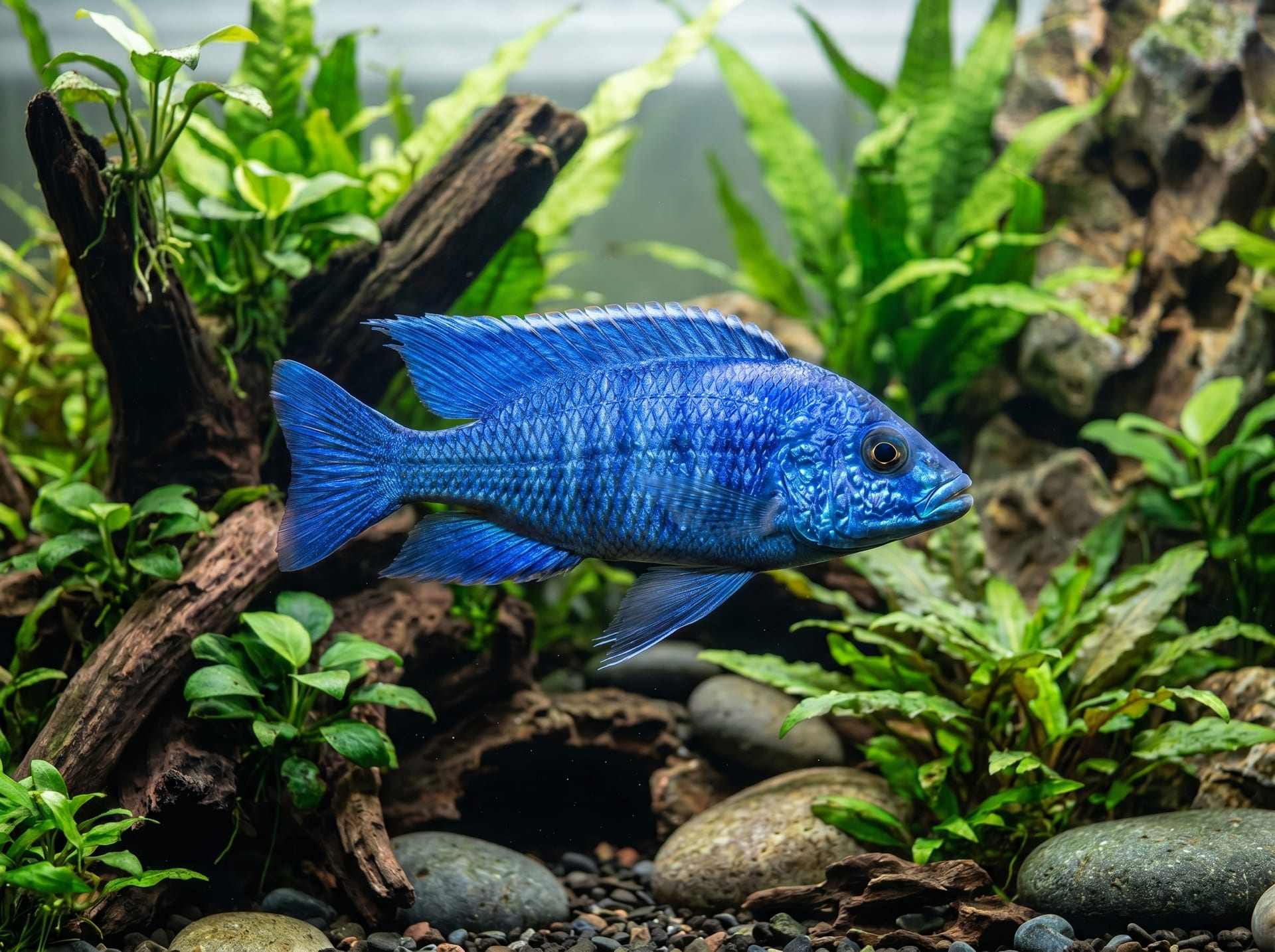
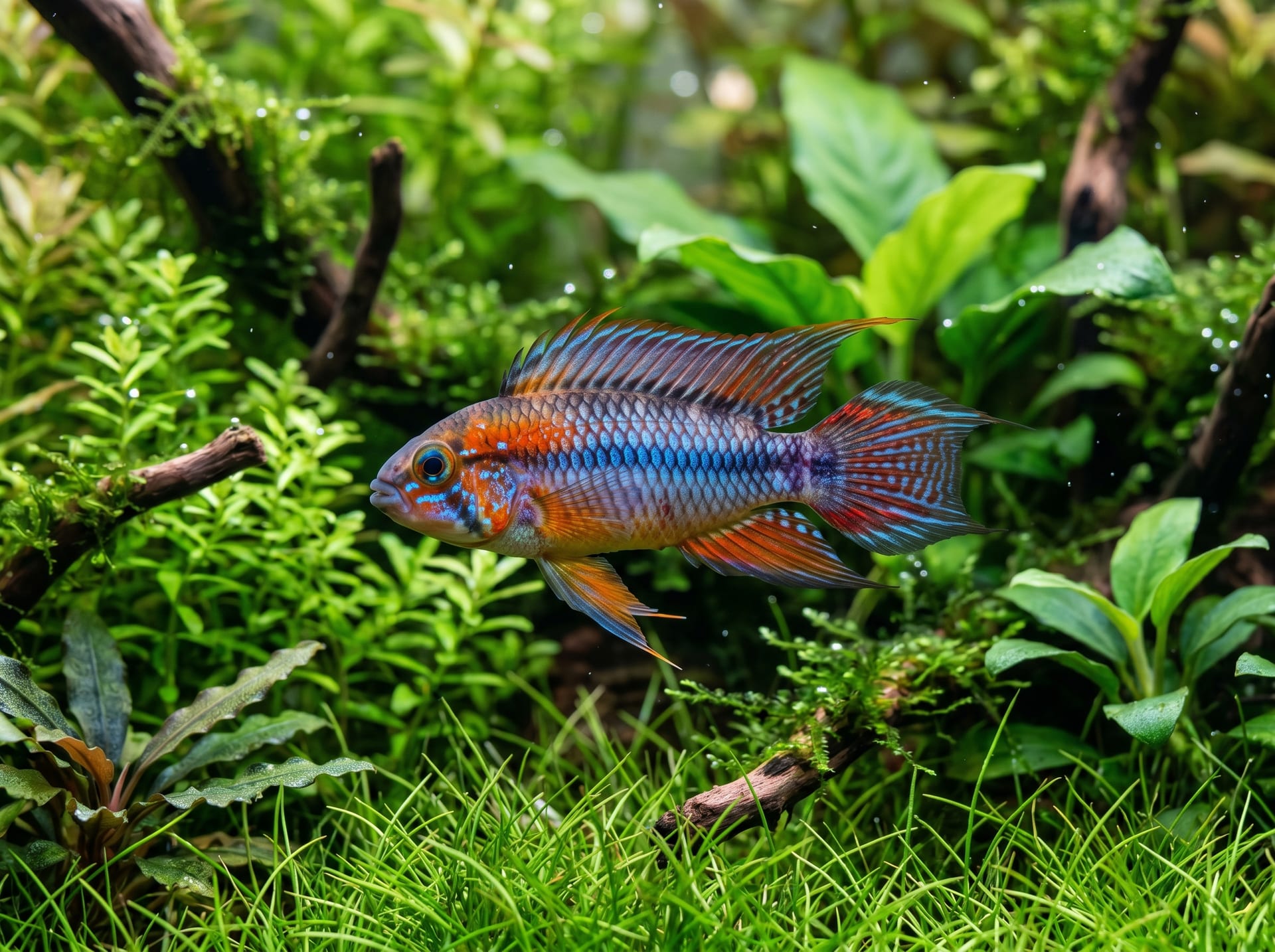
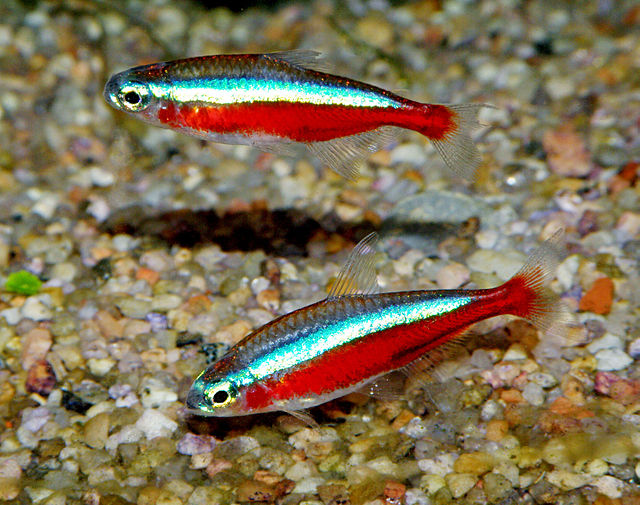
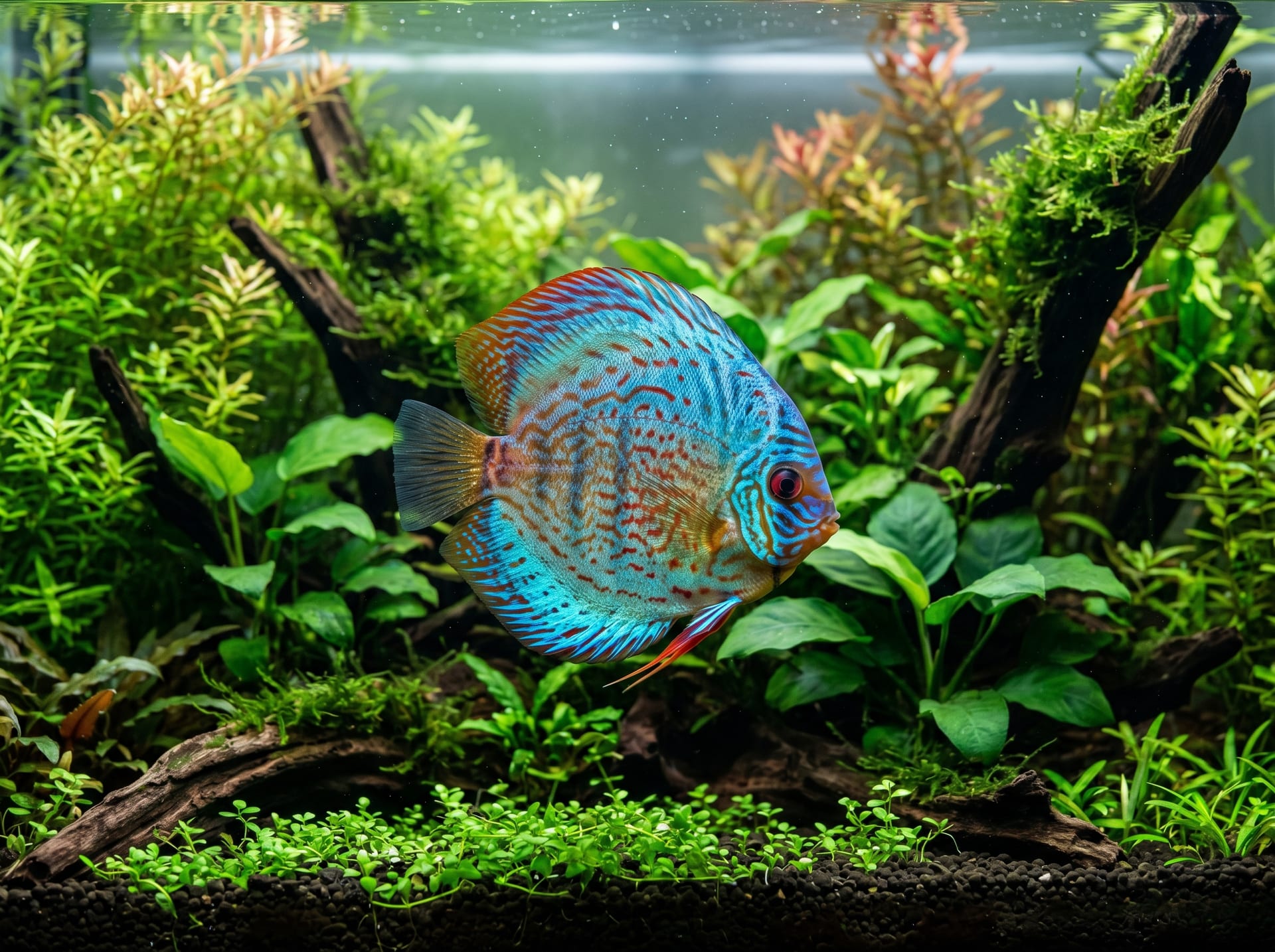
- Slightly Acidic (pH 6.0–6.8): Many fish native to the Amazon River fall into this category, including Neon Tetras, Cardinal Tetras, Discus, and Apistogramma
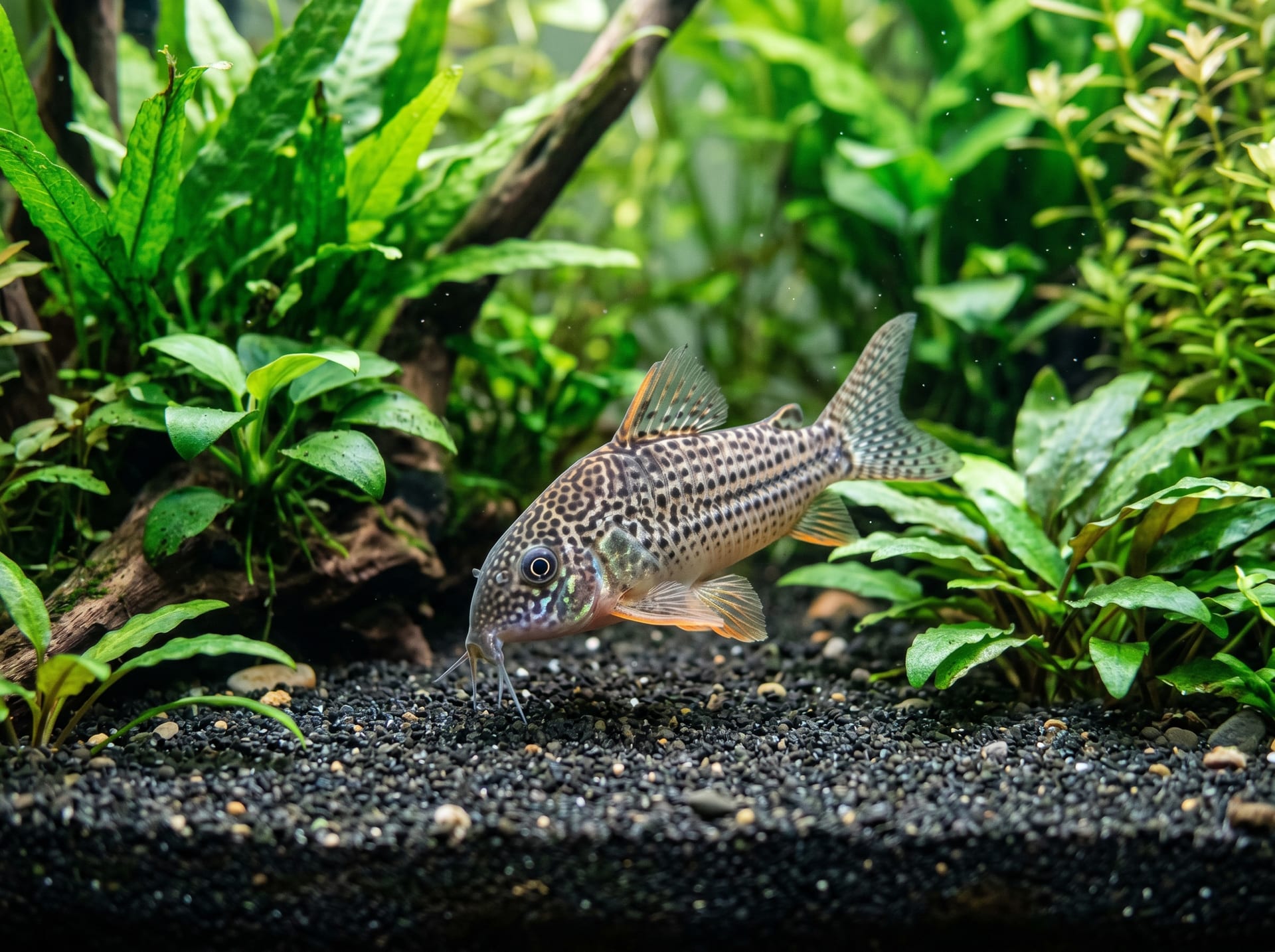
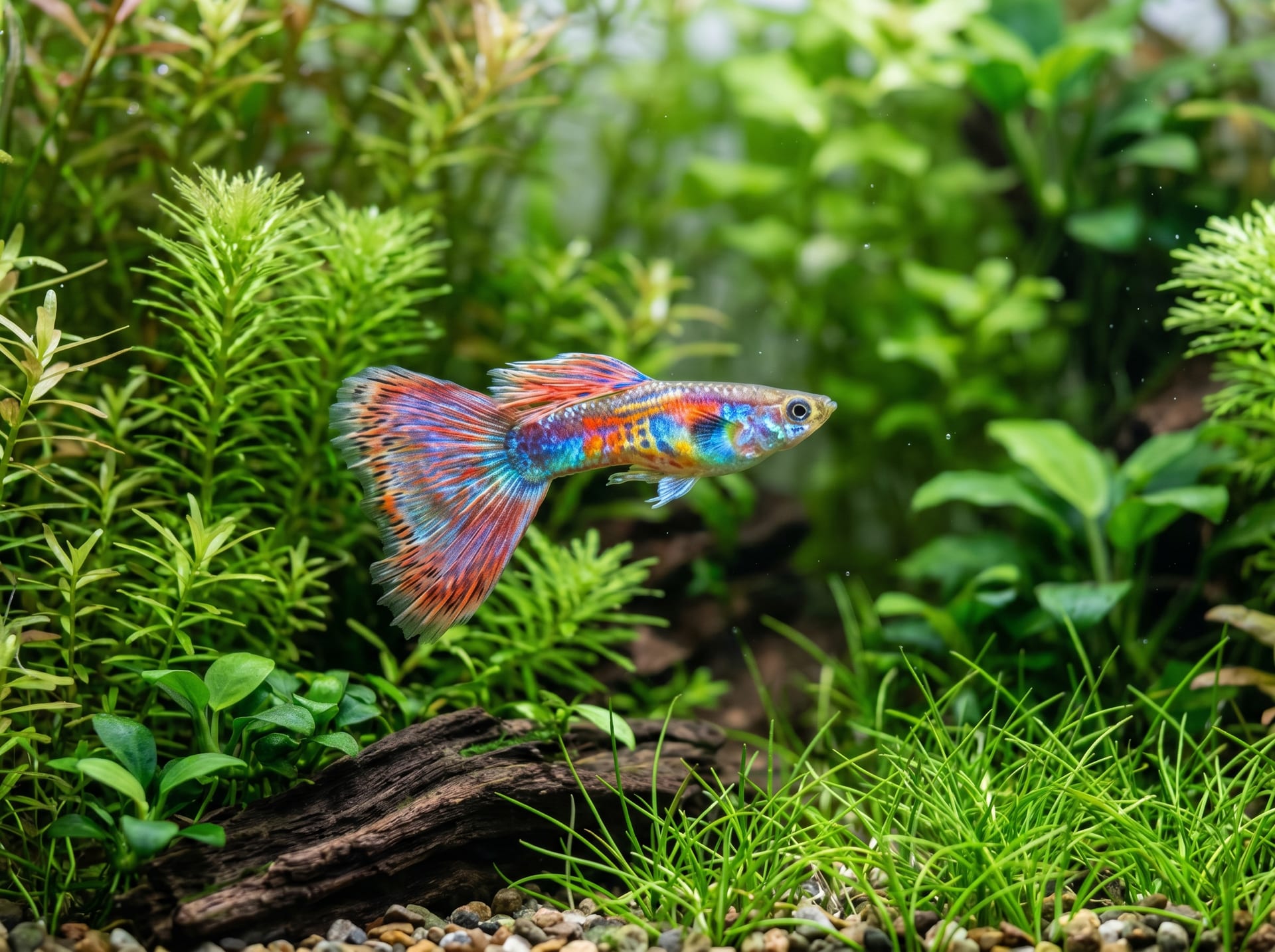
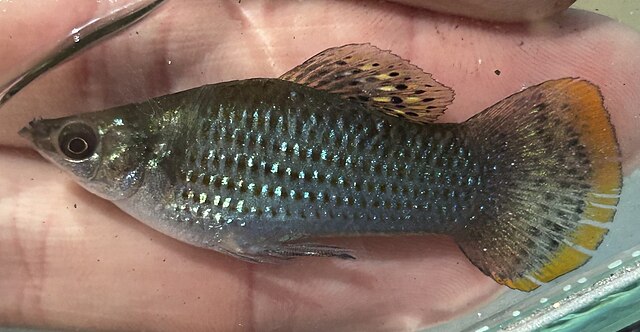
- Neutral to Slightly Alkaline (pH 7.0–7.5): Suitable for a wide range of species, including Guppies, Platies, Mollies, and Corydoras
- Alkaline (pH 7.5–8.5): African Cichlids native to Victoria Lake and Tanganyika Lake in Africa
Most common tropical fish can be kept without issues in the pH 6.5–7.5 range. Start by aiming to maintain water within this range.
Beware of pH Shock
A sudden change in pH causes "pH shock," which can weaken fish or even cause death in severe cases. During water changes, aim to replace approximately 1/3 of the tank water at a time, and check in advance that the pH of the new water is not significantly different from the tank water. pH adjustment, not just temperature acclimation, is fundamental to water changes.
Fundamentals of GH and KH (Hardness) | How Water "Hardness" Affects Fish
While you may hear the terms "hard water" and "soft water" in everyday conversation, water hardness is also an important parameter in tropical fish keeping.
GH (General Hardness)
GH (General Hardness) is a value that indicates the total amount of calcium and magnesium ions in water, expressed in units such as dH (German hardness) or ppm.
- Fish that prefer soft water (low GH): Species native to South America and Southeast Asia, such as Tetras, Bettas, and Rams
- Fish that prefer hard water (high GH): African Cichlids, Guppies, and Melanotaenia (Rainbow Fish)
KH (Carbonate Hardness)
KH (Carbonate Hardness) indicates the amount of carbonates and bicarbonates, and is directly related to the "buffering capacity" that stabilizes pH. When KH is low, pH can change rapidly due to external factors, so beginners should maintain a certain level of KH to make management easier.
Japan's tap water hardness varies greatly by region. Urban areas like Tokyo and Osaka have relatively soft water, but some rural areas have hard water, so it's reassuring to check your local water quality in advance.
The Nitrogen Cycle and Harmful Substances | The Most Important Knowledge for Setting Up an Aquarium
The nitrogen cycle is the most frequently overlooked aspect of tropical fish keeping and is often the cause of initial problems.
Fish waste and uneaten food are broken down by microorganisms in the following manner:
Ammonia → Nitrite → Nitrate
| Substance | Toxicity Level | Cause | Main Countermeasure |
|---|---|---|---|
| Ammonia | Extremely High | Fish waste and food decomposition | Breakdown by bacteria / Proper feeding amount |
| Nitrite | High | Bacterial breakdown of ammonia | Further breakdown by bacteria |
| Nitrate | Relatively Low | End product of nitrite | Dilution through regular water changes |
Tank Startup Period Is the Critical Stage
A newly set up tank does not yet contain bacteria (Nitrosomonas and Nitrobacter) that break down ammonia and nitrite. Adding fish to this environment can cause toxic substances to spike rapidly, increasing the risk of fish death.
Countermeasures include the "no-fish cycling" method, where you run the filter empty for 2 to 4 weeks to allow bacteria to establish, or the "pilot fish method", where you add a few hardy fish to promote bacterial growth. Using commercially available bacterial additives alongside these methods can sometimes shorten the startup period.
During the initial startup phase, check water quality daily. The tank is considered "cycled" once ammonia and nitrite are no longer detected.
Water Testing Methods and Frequency | No Management Without Measurement
The foundation of water quality management is "measurement." Harmful substance accumulation cannot be detected by intuition or visual inspection alone.
Types of Testing Methods
Liquid Test Kits These have high accuracy and are the most reliable option. They allow you to measure pH, ammonia, nitrite, and nitrate individually. The API Master Test Kit is well-known and offers excellent value for money.
Test Strips The appeal is the convenience of checking multiple parameters at once with a single strip. However, they are slightly less accurate than liquid test kits. Ideally, use them for routine quick checks and early detection of problems, while using liquid test kits for detailed confirmation.
Digital Meters (pH Meters, TDS Meters, etc.) pH and conductivity (TDS) can be measured in real-time with digital meters. They are reusable without consuming reagents, but require periodic calibration.
Recommended Testing Frequency
- Initial startup (first month): Daily to once every 2 days
- During stable operation: Approximately once per week
- When fish are unwell or new fish are introduced: Test all parameters immediately
If water quality is stable, you can reduce testing frequency slightly. However, waiting to measure until a problem occurs is often too late, so establishing a regular testing habit is important.
BreederDirect's Safe and Reliable System
Water quality management is fundamental to successful tropical fish keeping, and fish raised in proper conditions are hardier and live longer. However, if you don't know the water conditions in which your fish were raised, problems can easily occur during acclimation.
BreederDirect allows you to purchase tropical fish directly from specialized breeders. You can confirm the breeding environment (pH, hardness, water temperature, etc.) with breeders, allowing for smooth alignment with your tank conditions. The ability to "ask about water conditions before purchase" is a major advantage that regular pet shop purchases cannot offer.
Additionally, healthy specimens raised by professional breeders tend to have better adaptability to environmental changes. For those keeping tropical fish for the first time, sourcing fish from a trusted breeder can significantly increase your chances of success.
We encourage you to utilize BreederDirect to acquire quality fish while building your knowledge of water quality management.