[2026 Edition] 15 Beginner-Friendly Corals | Selection Tips & Care Guide
Carefully selected 15 beginner-friendly coral species. Complete guide to soft corals and LPS covering difficulty level, lighting requirements, and water quality management.
![[2026 Edition] 15 Beginner-Friendly Corals | Selection Tips & Care Guide](https://img.br-choku.com/column-images/_pool/hero-1778702050339-azln0p.jpg)
Key Takeaways
Carefully selected 15 beginner-friendly coral species. Complete guide to soft corals and LPS covering difficulty level, lighting requirements, and water quality management.
Related Species
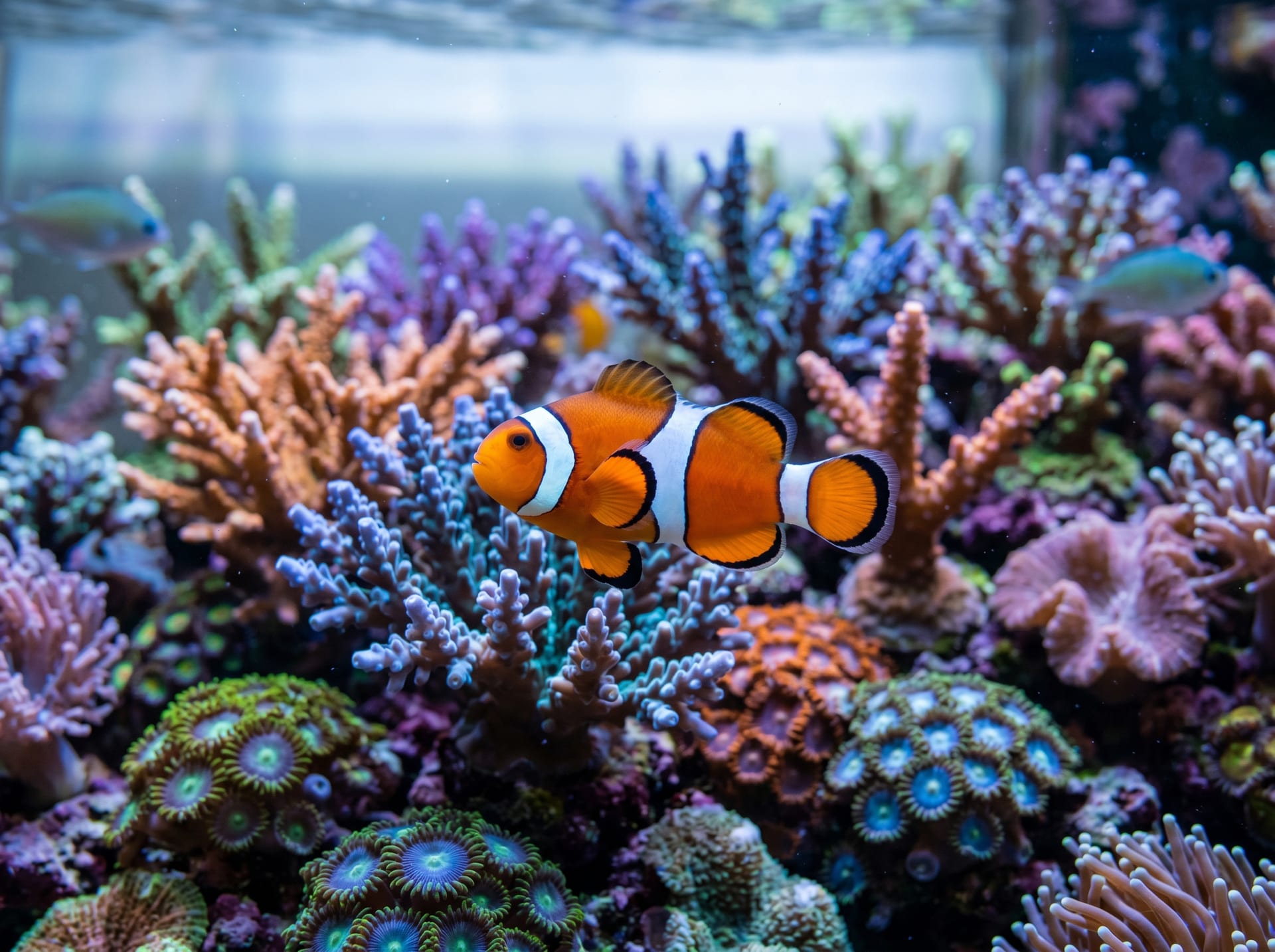
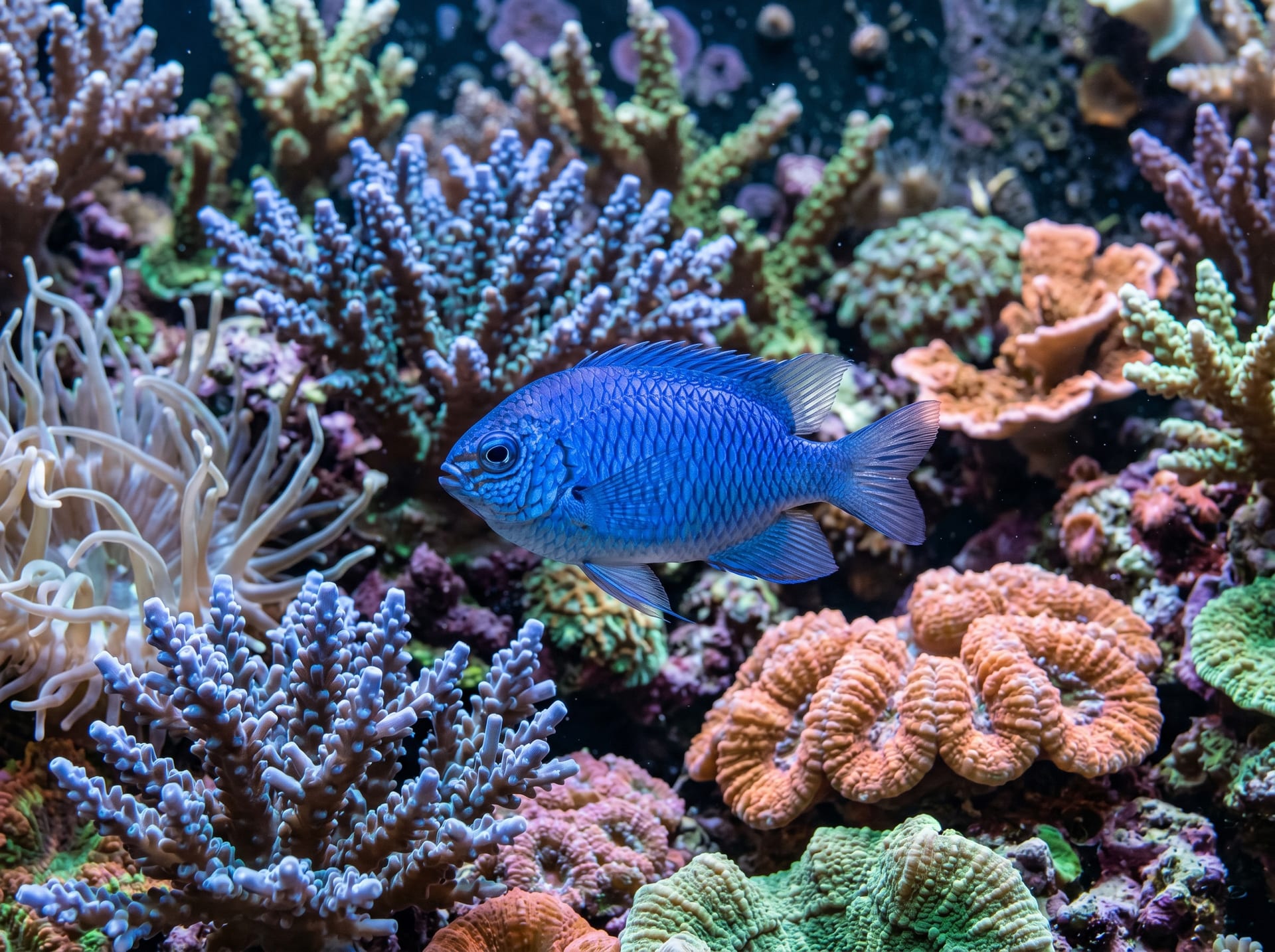
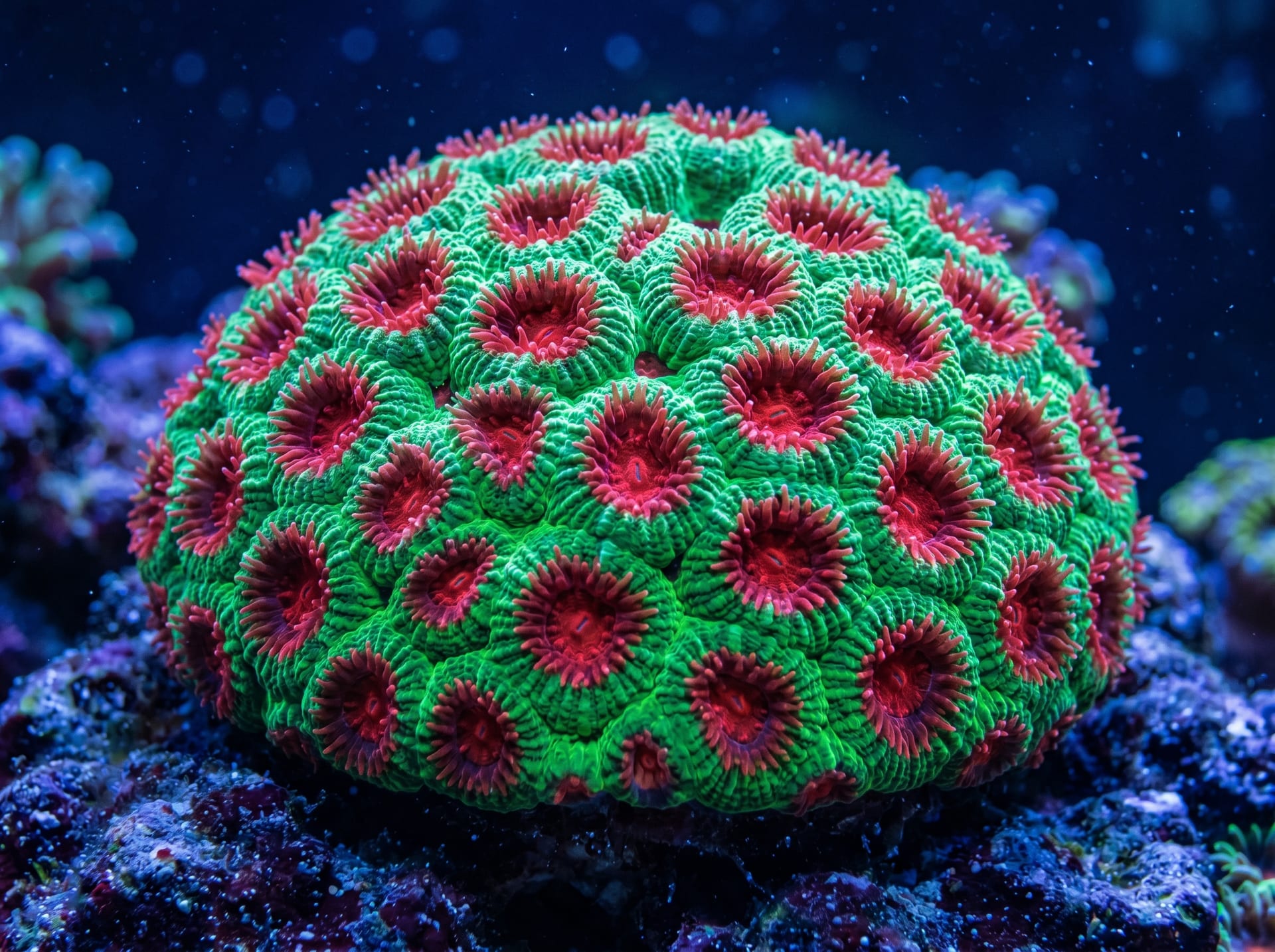
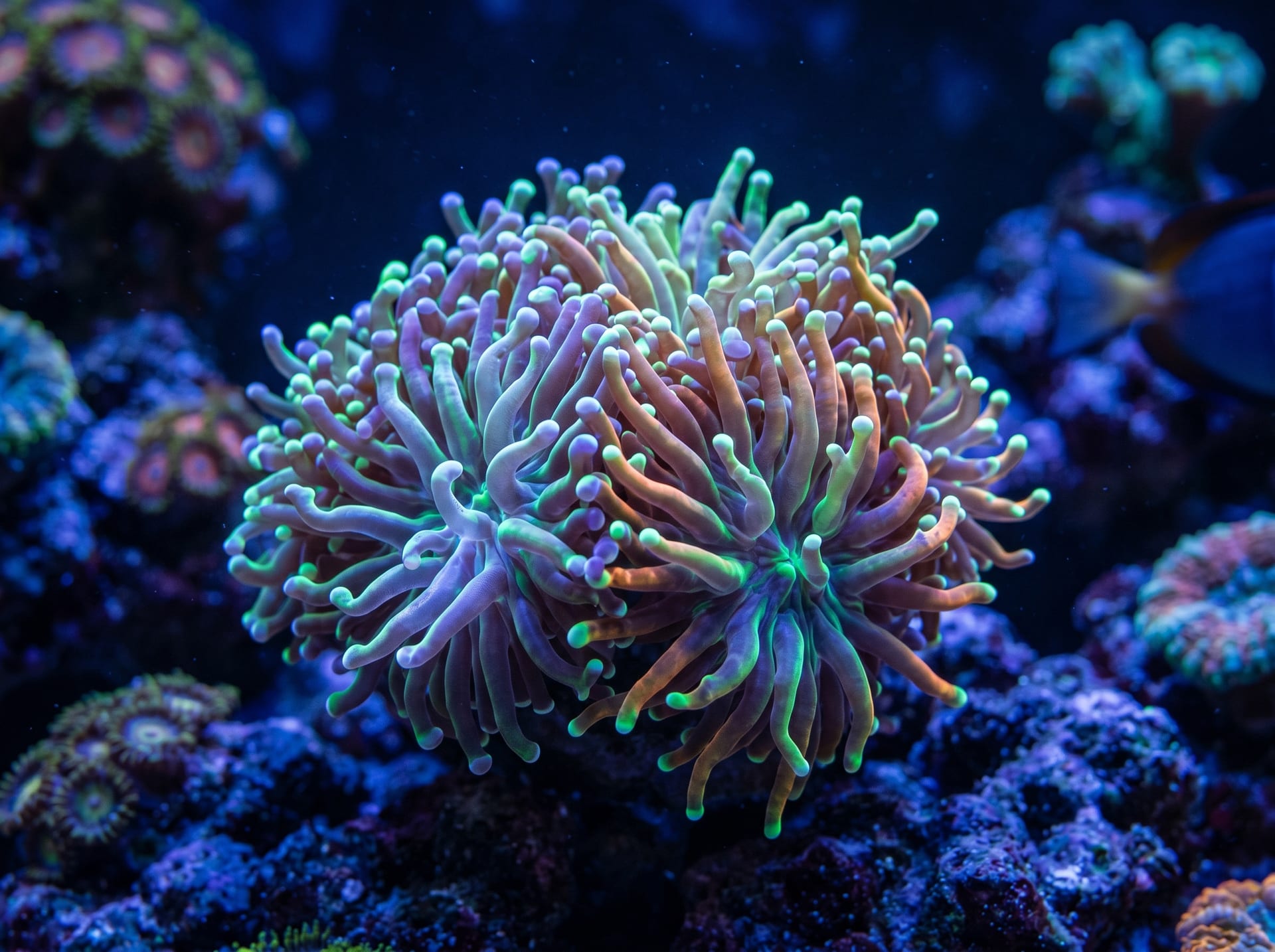
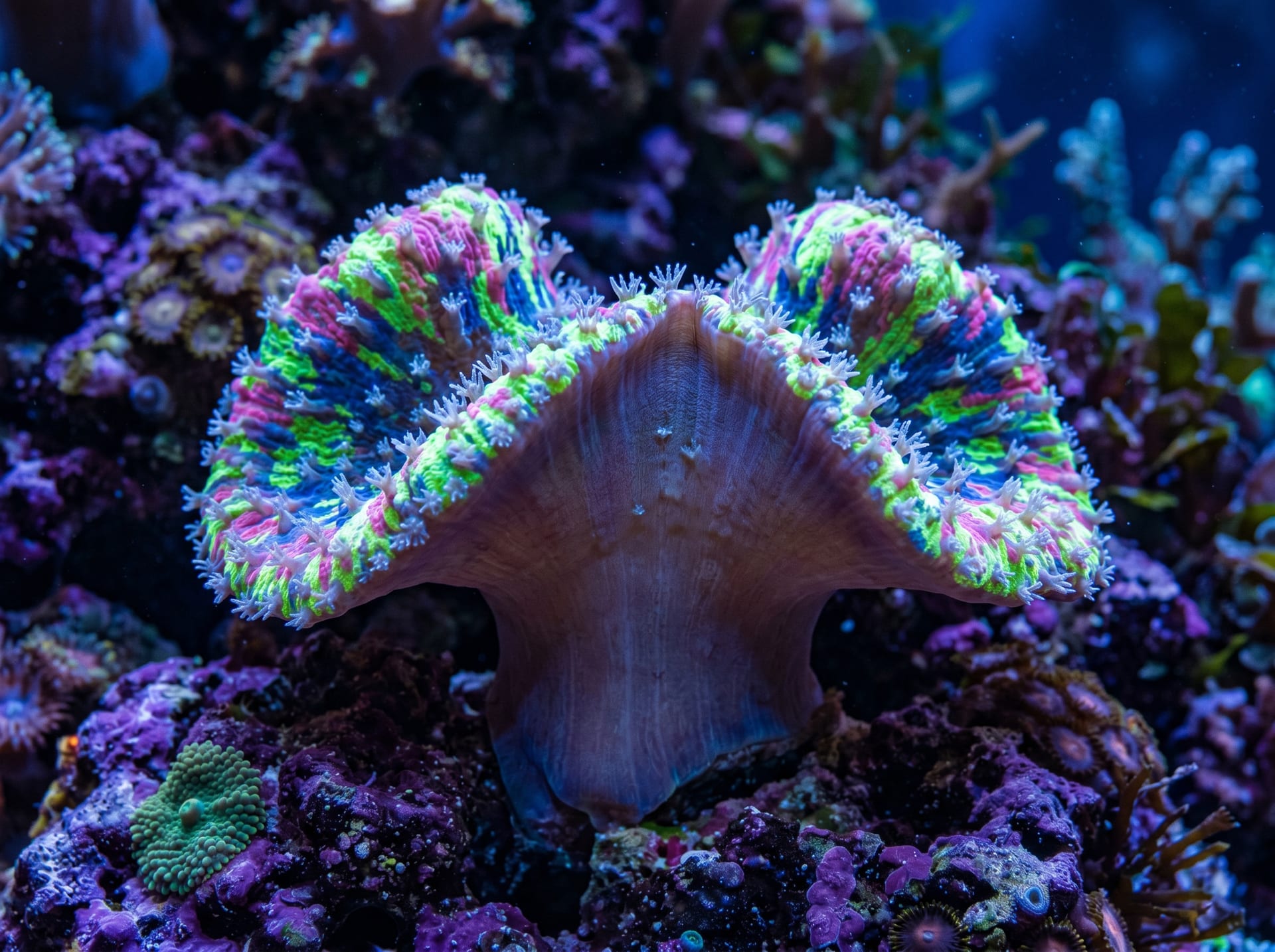
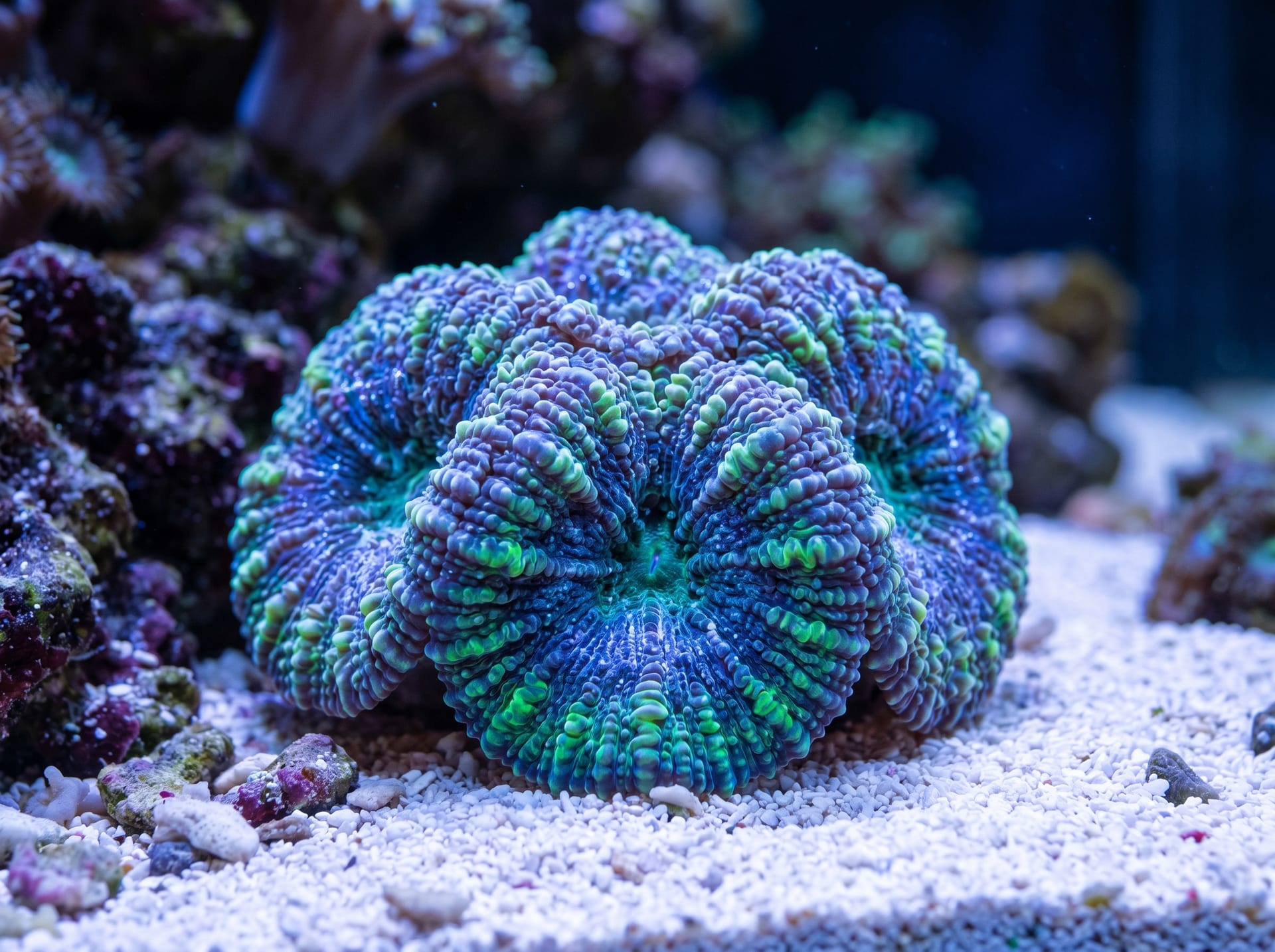
Coral keeping is the heart and soul of saltwater aquariums, yet many people avoid it thinking it's too difficult. In reality, soft corals and LPS (Large Polyp Stony corals) include many species that even beginners can successfully keep. This article introduces 15 carefully selected hardy and beautiful species. For basics on getting started, check out Beginner's Complete Guide to Coral Keeping as well.
Tips for Beginners Selecting Corals
- Coral type: Difficulty increases in order: Soft corals → LPS → SPS
- Lighting requirements: Start with species that can be kept under a single LED light
- Water flow requirements: Moderate flow is necessary, but some species are damaged by flow that's too strong
- Water quality tolerance: Resistance to nitrate and phosphate levels
- Toxicity: Whether it uses sweeper tentacles to attack other corals
15 Recommended Corals
1. Zoanthus Corals (Zoas)
- Difficulty: ★☆☆☆☆ / Type: Soft Coral / Price: ¥1,000–¥5,000
- Lighting: Low–Medium / Water Flow: Low–Medium
Pros: The classic beginner coral. Extremely diverse color variations, hardy, and tolerant of water quality fluctuations. Propagation is easy. Cons: Can spread rapidly and cover live rock. Possess some toxicity. Care Tips: Maintain distance from other corals. Placing on frags makes propagation easier to control.
2. Star Polyps
- Difficulty: ★☆☆☆☆ / Type: Soft Coral / Price: ¥1,500–¥5,000
- Lighting: Low–Medium / Water Flow: Low–Medium
Pros: Spreads like a green lawn—beautiful and attractive. Fast-growing and extremely hardy. Cons: Growth can be too rapid, encroaching on neighboring corals. Care Tips: Place on separate live rock. Control growth through trimming.
3. Toadstool Coral
- Difficulty: ★☆☆☆☆ / Type: Soft Coral / Price: ¥2,000–¥6,000
- Lighting: Low–Medium / Water Flow: Low–Medium
Pros: Cute mushroom-like shape. Hardy and tolerant of water quality changes. Easy to propagate via frag cutting. Cons: There are periods when polyps don't open (molting). Moderately toxic. Care Tips: Moderate water flow helps polyps open beautifully. Closing for a few days during molting is normal.
4. Disk Coral
- Difficulty: ★☆☆☆☆ / Type: Soft Coral / Price: ¥1,000–¥8,000
- Lighting: Low / Water Flow: Low
Pros: Flat, disk-shaped, and colorful. Can grow in low-light conditions, allowing placement in shadier areas. Cons: Has a tendency to move around. Care Tips: Place on live rock in low-flow areas to keep stable.
5. Clavularia (Pipe Coral)
- Difficulty: ★★☆☆☆ / Type: Soft Coral / Price: ¥2,000–¥5,000
- Lighting: Medium / Water Flow: Low–Medium
Pros: Beautiful star-shaped polyps blooming in clusters. Available in many colors including white, green, and pink. Cons: May require environmental adjustments if polyps fail to open. Care Tips: Moderate lighting and gentle water flow are ideal.
6. Capnella (Soft Coral)
- Difficulty: ★★☆☆☆ / Type: Soft Coral / Price: ¥2,000–¥5,000
- Lighting: Medium / Water Flow: Medium
Pros: Soothing swaying motion. Fast-growing and can be propagated via frag cutting. Cons: Can grow large and take up space. Possess some toxicity. Care Tips: Place in the upper to mid-level of the tank. Beautiful expansion when water flow passes through.
7. Large Polyp Stony Coral
- Difficulty: ★★☆☆☆ / Type: LPS / Price: ¥2,000–¥8,000
- Lighting: Low–Medium / Water Flow: Low
Pros: Vibrant red, green, and orange coloration. Hardy and perfect for LPS beginners. Cons: Repeated inflation and deflation make layout planning difficult. Care Tips: Can be placed directly on substrate. Growth accelerates with feeding.
8. Anemone Coral
- Difficulty: ★★☆☆☆ / Type: LPS / Price: ¥2,000–¥10,000
- Lighting: Low–Medium / Water Flow: Low
Pros: Round shape and vibrant coloration are popular. Can be placed directly on substrate. Hardy and beginner-friendly. Cons: Slow growth. Care Tips: Place on substrate. Feed mysid shrimp or similar about once per week.
9. Goniopora (Goni)
- Difficulty: ★★☆☆☆ / Type: LPS / Price: ¥3,000–¥8,000
- Lighting: Medium / Water Flow: Medium
Pros: Octopus-like swaying polyps are fascinating. Fluorescent green coloration stands out. Cons: Sweeper tentacles can be somewhat aggressive. Care Tips: Place in mid-level tank. Spot feeding once per week is effective.
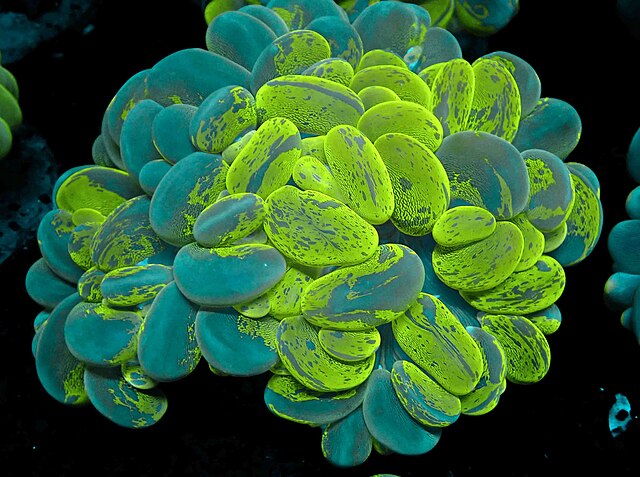
10. Bubble Coral
- Difficulty: ★★☆☆☆ / Type: LPS / Price: ¥3,000–¥8,000
- Lighting: Medium / Water Flow: Low
Pros: Unique appearance with bubble-like, inflated formations. Among the easier LPS to keep. Cons: Extends sweeper tentacles at night. Bubbles are fragile and easily damaged. Care Tips: Place in low-flow areas. Ensure adequate spacing around it.
11. Flowerpot Coral
- Difficulty: ★★★☆☆ / Type: LPS / Price: ¥3,000–¥10,000
- Lighting: Medium / Water Flow: Low–Medium
Pros: Translucent polyps with beautiful fluorescent green and gold coloration. Highly popular among LPS. Cons: Attacks surrounding corals with sweeper tentacles. Risk of Brown Jelly Disease. Care Tips: Maintain at least 10cm clearance around it. Apply water flow indirectly.
12. Trumpet Coral
- Difficulty: ★★☆☆☆ / Type: LPS / Price: ¥2,000–¥6,000
- Lighting: Low–Medium / Water Flow: Low–Medium
Pros: Unique trumpet-shaped polyps. Beautiful fluorescent green and gold coloration. Cons: May deploy sweeper tentacles. Growth is relatively slow. Care Tips: Place in mid-level tank. Indirect water flow is ideal.
13. Favia (Brain Coral)
- Difficulty: ★★☆☆☆ / Type: LPS / Price: ¥2,000–¥6,000
- Lighting: Medium / Water Flow: Medium
Pros: Colorful brain-like appearance. Fast-growing with interesting forms. Cons: Can attack nearby corals. Care Tips: Place in mid to lower tank area. Maintain color with appropriate lighting and flow.
14. Ultra Favia
- Difficulty: ★★☆☆☆ / Type: LPS / Price: ¥3,000–¥15,000
- Lighting: Low–Medium / Water Flow: Low
Pros: Stunning fluorescent coloration highly sought by collectors. Can grow in low light. Cons: Rare color morphs are expensive. Very slow growth. Care Tips: Place on substrate. Keep water flow gentle.
15. Torch Coral
- Difficulty: ★★★☆☆ / Type: LPS / Price: ¥5,000–¥20,000
- Lighting: Medium / Water Flow: Low–Medium
Pros: Flame-like swaying polyps are stunning. Ocellaris clownfish may host in it. Cons: Risk of Brown Jelly Disease. Long sweeper tentacles. Care Tips: Maintain at least 15cm clearance. Keep water parameters stable.
Beginner Coral Tank Setup
| Equipment | Estimated Cost | Notes |
|---|---|---|
| Tank (60cm) | ¥5,000–¥10,000 | Overflow system recommended |
| LED Lighting | ¥10,000–¥30,000 | Full-spectrum for corals |
| Filter | ¥5,000–¥15,000 | Canister or overflow |
| Protein Skimmer | ¥8,000–¥30,000 | Essential for coral keeping |
| Heater | ¥2,000–¥4,000 | |
| Water Flow Pump | ¥3,000–¥8,000 | |
| Artificial Sea Salt | ¥2,000–¥5,000/month | |
| Total | Approx. ¥35,000–¥102,000 |
Setup Steps
- Set up the tank and arrange live rock
- Prepare artificial sea water and adjust specific gravity to 1.023–1.025
- Install filter, skimmer, lighting, and flow pump
- Allow 4–6 weeks for cycling (bacterial colonization)
- Once ammonia and nitrite reach zero, introduce soft corals first
- Add one species every 1–2 weeks
Frequently Asked Questions (FAQ)
Q. Can corals be kept with fish? A. Yes. They coexist well with fish that don't prey on corals, such as ocellaris clownfish and chromis.
Q. How often should I do water changes? A. About once per week, replacing 10–15% of the water volume. Adjust specific gravity before adding new water.
Q. Do I need a skimmer for soft corals only? A. You can keep them without one, but having a skimmer is reassuring for maintaining water quality.
Q. What if my coral turns white? A. Bleaching is a stress indicator. Check lighting, water flow, temperature, and water parameters to identify the cause.
Related Content
At BreederDirect, you can purchase frag corals carefully raised by specialist breeders directly. Find your favorite coral from the Coral category.