Compatibility Between Freshwater Fish, Goldfish, and Aquatic Plants | Plant-Safe Combinations
Goldfish and some freshwater fish may eat aquatic plants. This guide explains how to keep both fish and plants thriving—including hardy aquatic plants resistant to herbivory, compatible fish species, and layout strategies.
Key Takeaways
Goldfish and some freshwater fish may eat aquatic plants. This guide explains how to keep both fish and plants thriving—including hardy aquatic plants resistant to herbivory, compatible fish species, and layout strategies.
Related Species
Why Fish Eat Aquatic Plants
You add plants to your aquarium, only to find their leaves shredded or their roots completely uprooted. Many aquarists have experienced this frustration. Fish damage plants in two main ways:
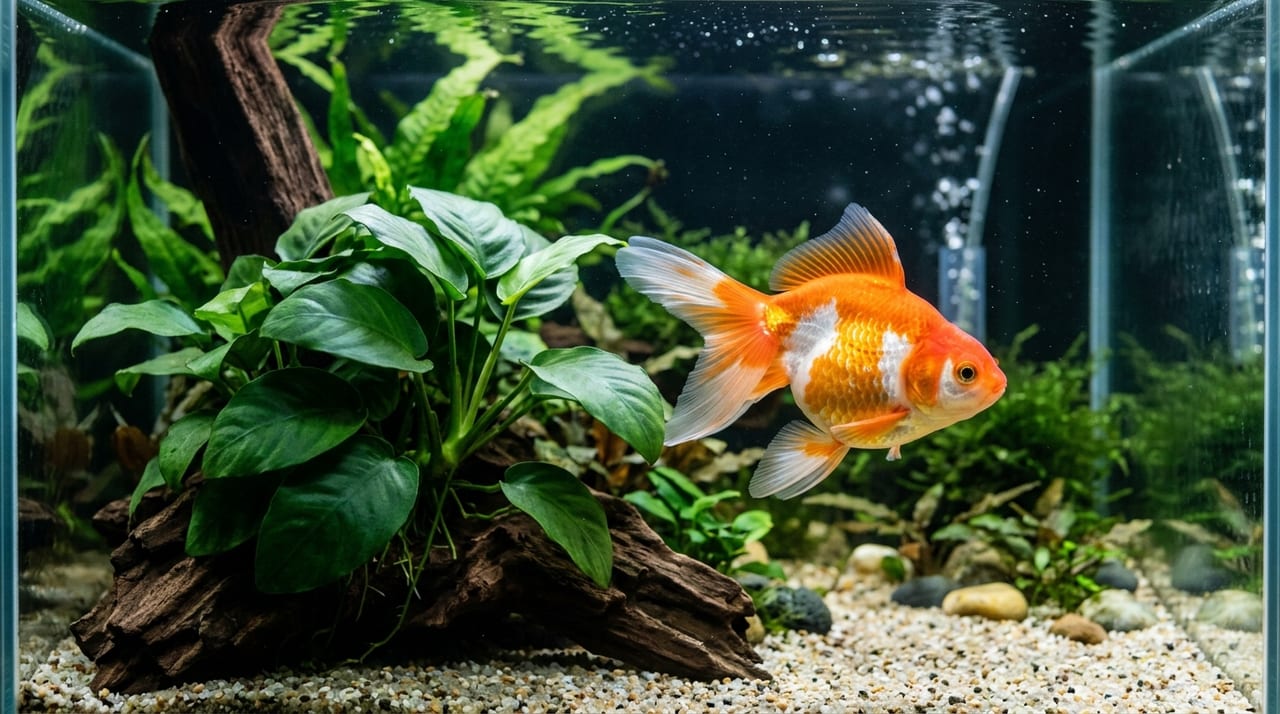
Herbivory (eating): Omnivorous and herbivorous fish actively consume soft-leaved plants. Goldfish are the classic example—they quickly consume delicate plants like anacharis and hornwort.
Uprooting (digging): Fish with strong rooting habits, such as some cichlids, may pull up stem plants by the roots. Goldfish also disturb rooted plants by pecking at the substrate, causing them to uproot.
Understanding these two types of damage is essential when choosing plant species and aquascaping strategies.
For general aquatic plant care, please refer to botachoku.com's aquatic plant encyclopedia. This article focuses on compatibility from a fish keeper's perspective—which plants work well with which fish species.
---
Goldfish and Aquatic Plants: Challenging but Possible with Strategy
Goldfish are naturally omnivorous, with a feeding habit similar to wild carp. Soft-leaved plants make ideal food for them. Goldfish especially favor these plants:
Anacharis (soft leaves that are easy for goldfish to consume)
Hornwort (free-floating with easy reach for their mouths; frequently eaten)
Cabomba (fine leaves that goldfish prefer)
Maintaining these soft plants long-term in a goldfish tank is difficult. You must either replace them regularly as consumables or choose plants that are harder to eat.
---
Hardy "Hard-Leaved" Plants Resistant to Herbivory
✍️
BreederDirect Editorial
The BreederDirect editorial team specializes in care information for animals, covering veterinary care and breeding to deliver beginner-friendly guides.
Thick, hard-leaved plants withstand goldfish nibbling without significant damage. While they don't completely prevent herbivory, they are far easier to maintain long-term than soft-leaved alternatives.
Anubias Nana
The leaves are thick and rubbery, resisting tearing even when goldfish peck at them. Attach the rhizome to driftwood or rocks using thread. Never bury the rhizome in substrate—it will rot. Always place it exposed. It thrives in low light without CO₂ supplementation, making it ideal for beginners.
Microsorum (Java Fern)
This rhizophytic fern has hard, fibrous leaves that goldfish rarely consume actively. Tie it to driftwood to allow roots to spread. Small plantlets develop on the leaf undersides and can be separated to propagate. It remains relatively robust even in tanks with large goldfish.
Cryptocoryne (Crypto)
The leaves are quite firm and resistant to herbivory by most fish species. Since crypts are rooted plants, goldfish pecking at the substrate may expose and uproot them. In this case, surrounding the base with large rocks helps protect the roots. Crypts are prone to "crypt melt," a phenomenon where leaves dissolve rapidly during sudden water parameter changes—they suit stable aquariums.
Bolbitis (African Fern)
Like microsorum, this rhizophytic fern has fine, hard leaves. It tolerates low light and attaches to driftwood. It requires similar care to java fern.
---
Freshwater Fish Species with Good Plant Compatibility
The following fish species have weak herbivorous tendencies and rarely eat or uproot plants, making them ideal for planted aquariums:
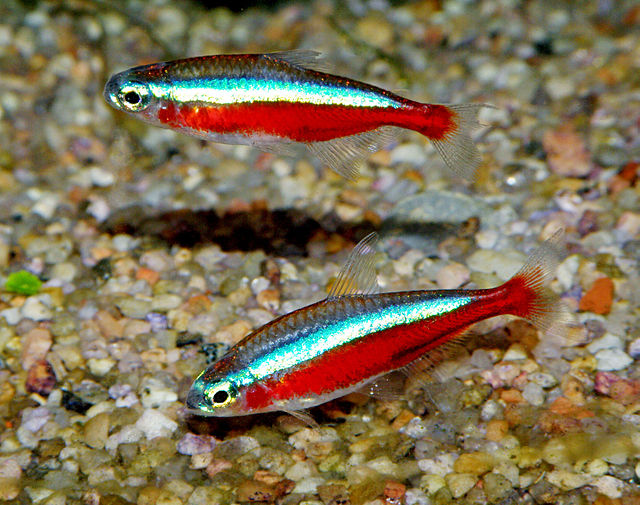
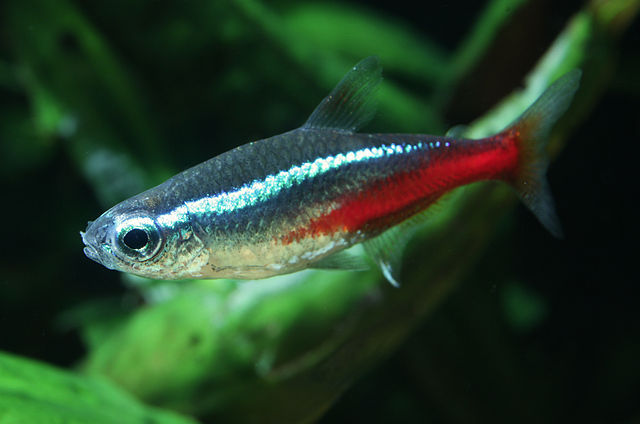
Characins (Neon Tetras, Cardinal Tetras, etc.)
They rarely eat plants, and their schooling behavior is strikingly beautiful against the green of aquatic plants—a classic pairing.
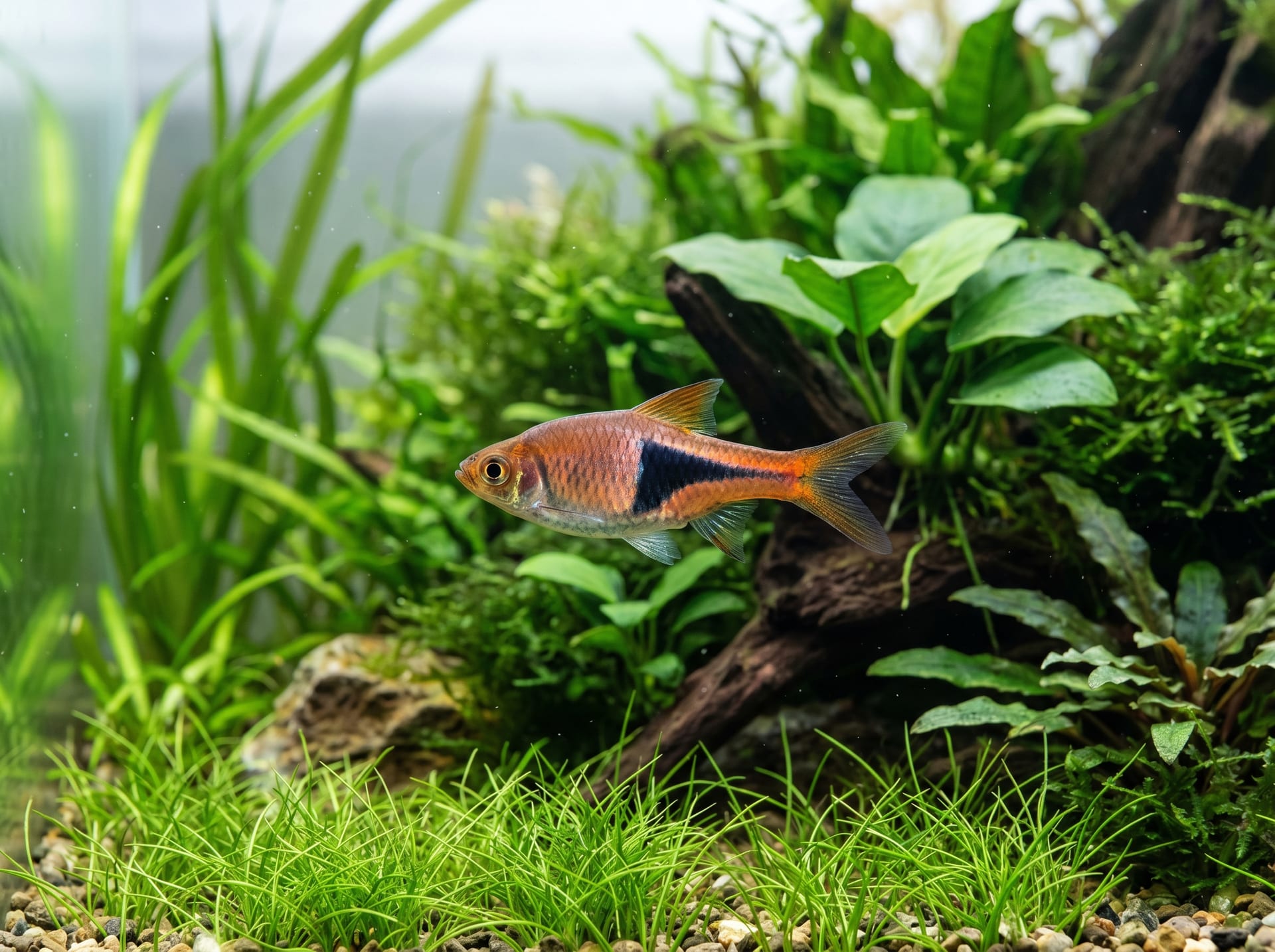
Small Cyprinids (Rasboras, etc.)
Small cyprinids like rasboras have weak herbivorous habits and are highly compatible with plants. Their schooling behavior makes them suitable for planted-aquascape tanks.
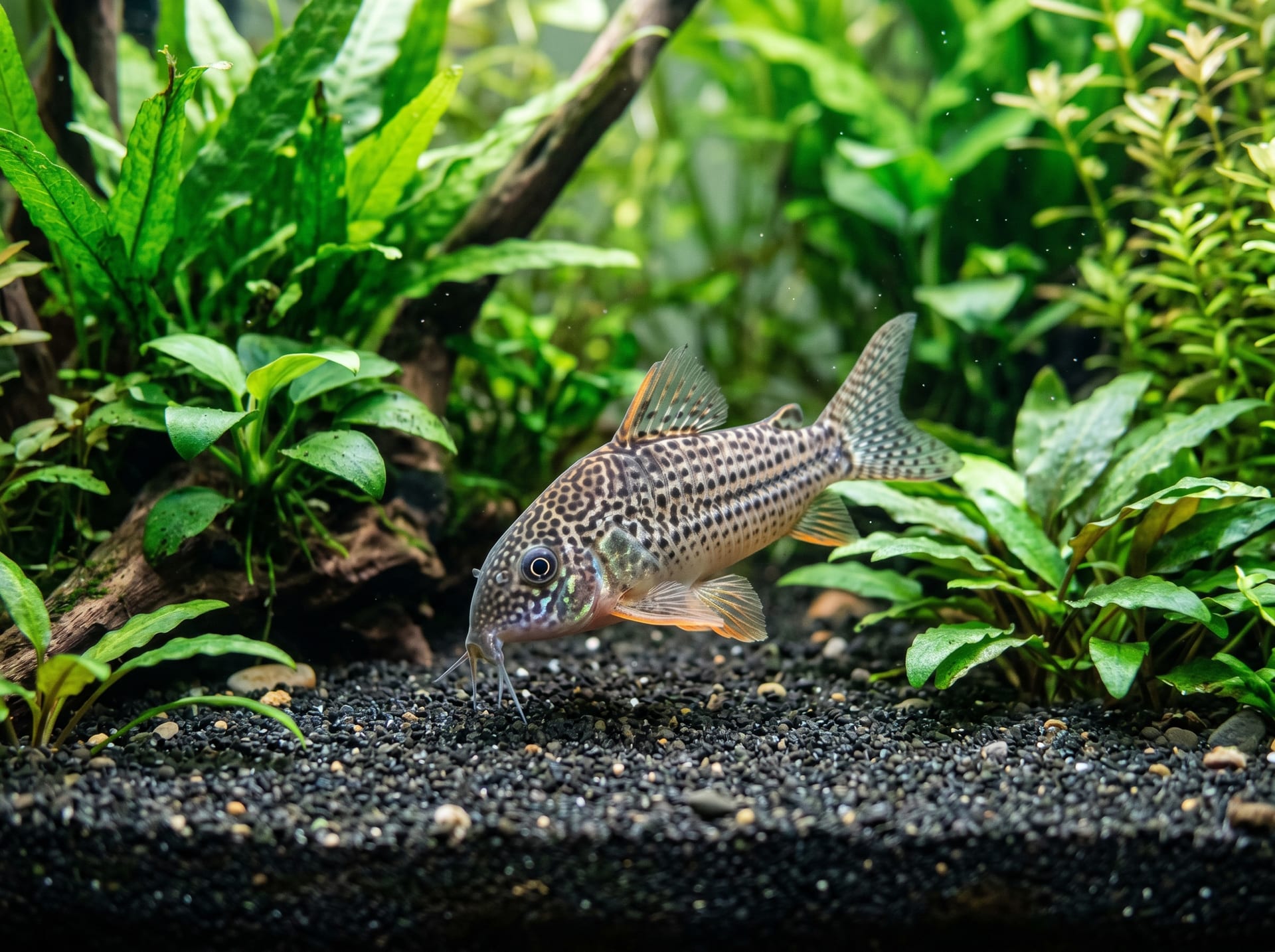
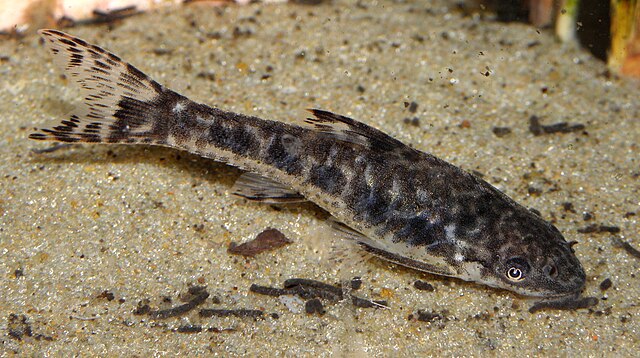
Corydoras
These "bottom cleaners" forage with their mouths on the substrate to consume leftover food, but they do not intentionally uproot aquatic plant roots. Their bottom-dwelling habit complements mid-layer aquatic plants well, creating excellent spatial separation.
Otocinclus
These small suckermouthed fish eat algae off plant leaves. Far from eating plants, they help keep leaf surfaces clean and promote healthy plant growth.
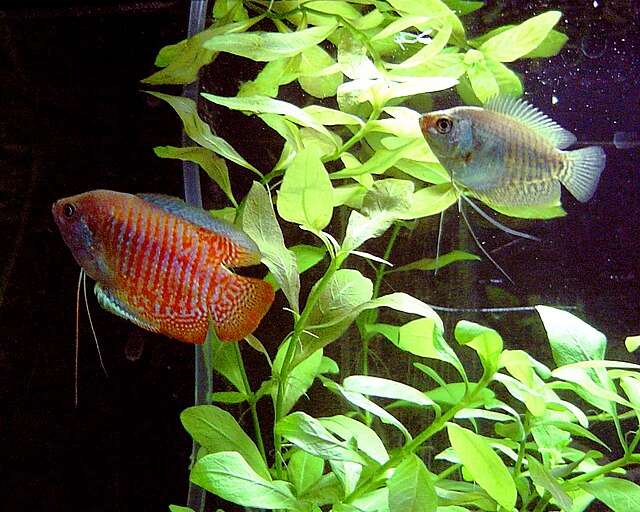
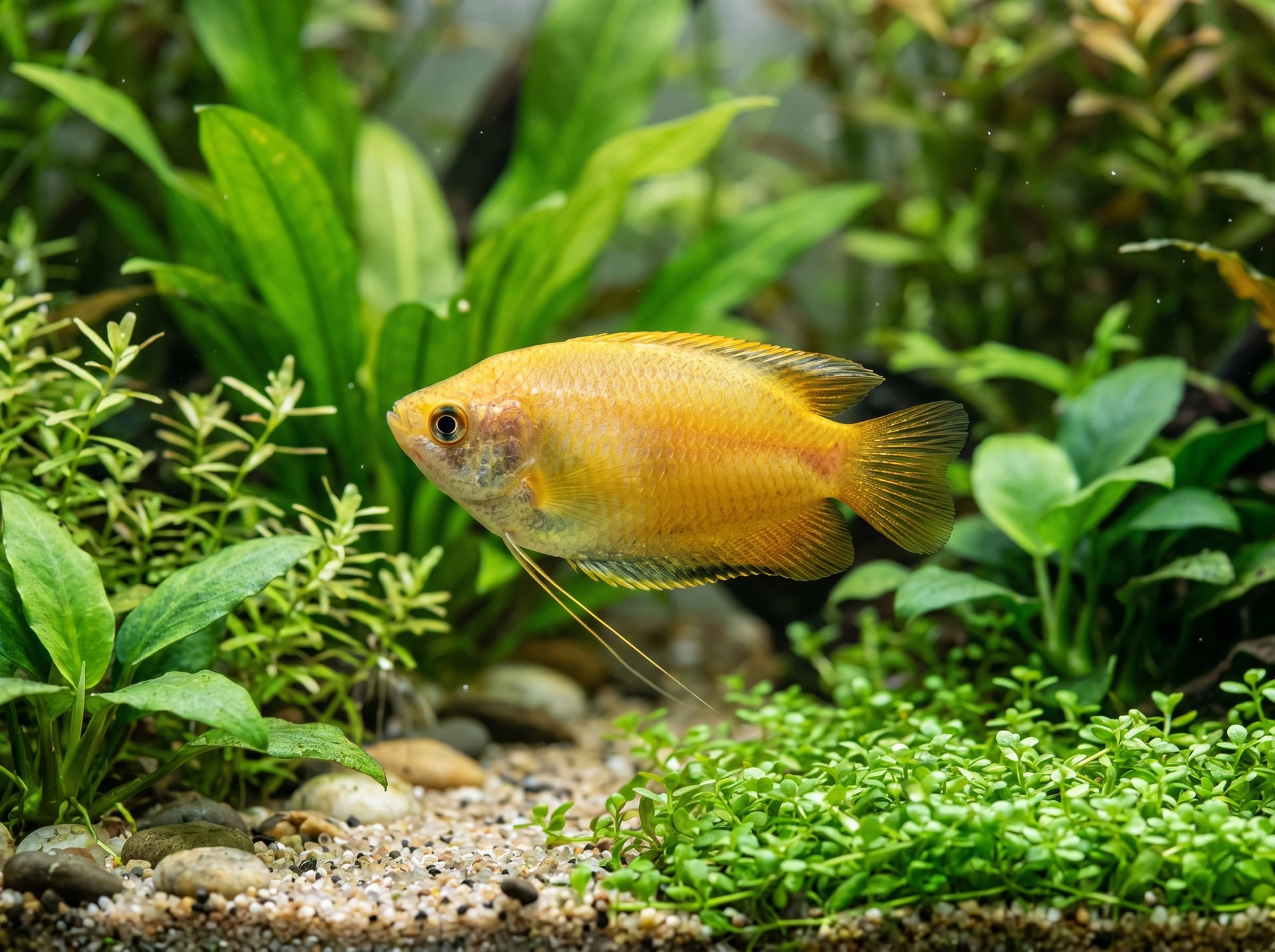
Small Gouramis (Golden Honey Dwarf Gourami, Neon Dwarf Gourami, etc.)
Smaller species have weak herbivorous habits and coexist well with plants.
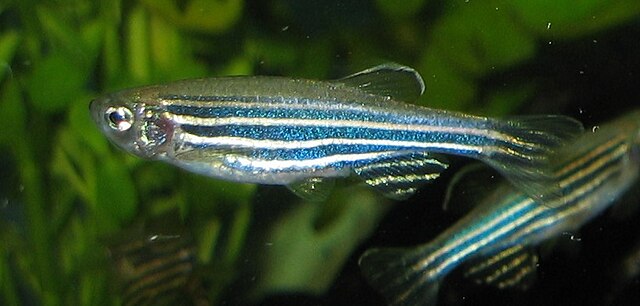
Danios (Zebra Danio, Pearl Danio, etc.)
Although active swimmers, they do not have plant-eating habits.
---
Layout Strategies to Minimize Herbivory
Depending on the fish species, adjusting how you arrange plants can significantly reduce herbivory risk.
Attach plants to driftwood and rocks: Anchoring anubias, microsorum, and willow moss to driftwood or stones keeps roots away from the substrate. Fish that dig cannot uproot plants this way. "Attaching plants to driftwood before placing them in the tank" is the safest approach.
Surround plant bases with large rocks: When planting stem plants, surrounding the base with large stones or rock structures prevents roots from exposing even if goldfish peck at the substrate.
Use floating plants: Floating plants like water sprite and salvinia lack substrate roots, eliminating uprooting risk entirely. Simply float them on the water surface.
Combine artificial and live plants: In tanks with aggressive large goldfish or cichlids, create the aquascape structure with artificial plants and use only hardy plants like anubias. This approach maintains green aesthetics while reducing maintenance.
---
Summary: Choosing Plants for Your Fish Species
Fish Species
Recommended Plants
Difficult Plants
Small to medium goldfish
Anubias Nana, Microsorum, floating plants
Anacharis, hornwort, cabomba
Large goldfish
Anubias (driftwood-attached only), artificial plants combined with live plants
Nearly all stem plants
Neon tetras and other characins
Nearly all aquatic plants
No restrictions
Small rasboras and cyprinids
Nearly all aquatic plants
No restrictions
Corydoras
Nearly all aquatic plants
Stem plants susceptible to uprooting (manageable with root protection)
Large cichlids
Anubias (attached), artificial plants combined with live plants
Nearly all rooted stem plants
Ideal aquatic plant combinations vary by fish species, but hard-leaved rhizophytic plants like anubias and microsorum carry low herbivory risk across most fish species and suit a wide range of setups.