A Guide to Choosing Cat Breeds | Recommended Breeds by Lifestyle
This article introduces recommended cat breeds for different lifestyles such as apartment living, single-person households, families with children, and beginners. Each category covers 3-4 breeds, explaining their temperament and ease of care.
Key Takeaways
This article introduces recommended cat breeds for different lifestyles such as apartment living, single-person households, families with children, and beginners. Each category covers 3-4 breeds, explaining their temperament and ease of care.
Related Species
When choosing a cat based solely on looks, mismatches in temperament or activity level can cause stress for both cat and owner. As of 2026, there are increasingly more opportunities to bring home cats directly from breeders, making it ever more important to understand breed characteristics in advance. This guide introduces recommended cat breeds by lifestyle to support your journey in finding the right feline companion.
Cat Breeds for Apartments and Multi-Unit Dwellings
In apartments, the volume of their vocalizations, activity level, and calm temperament are important considerations.
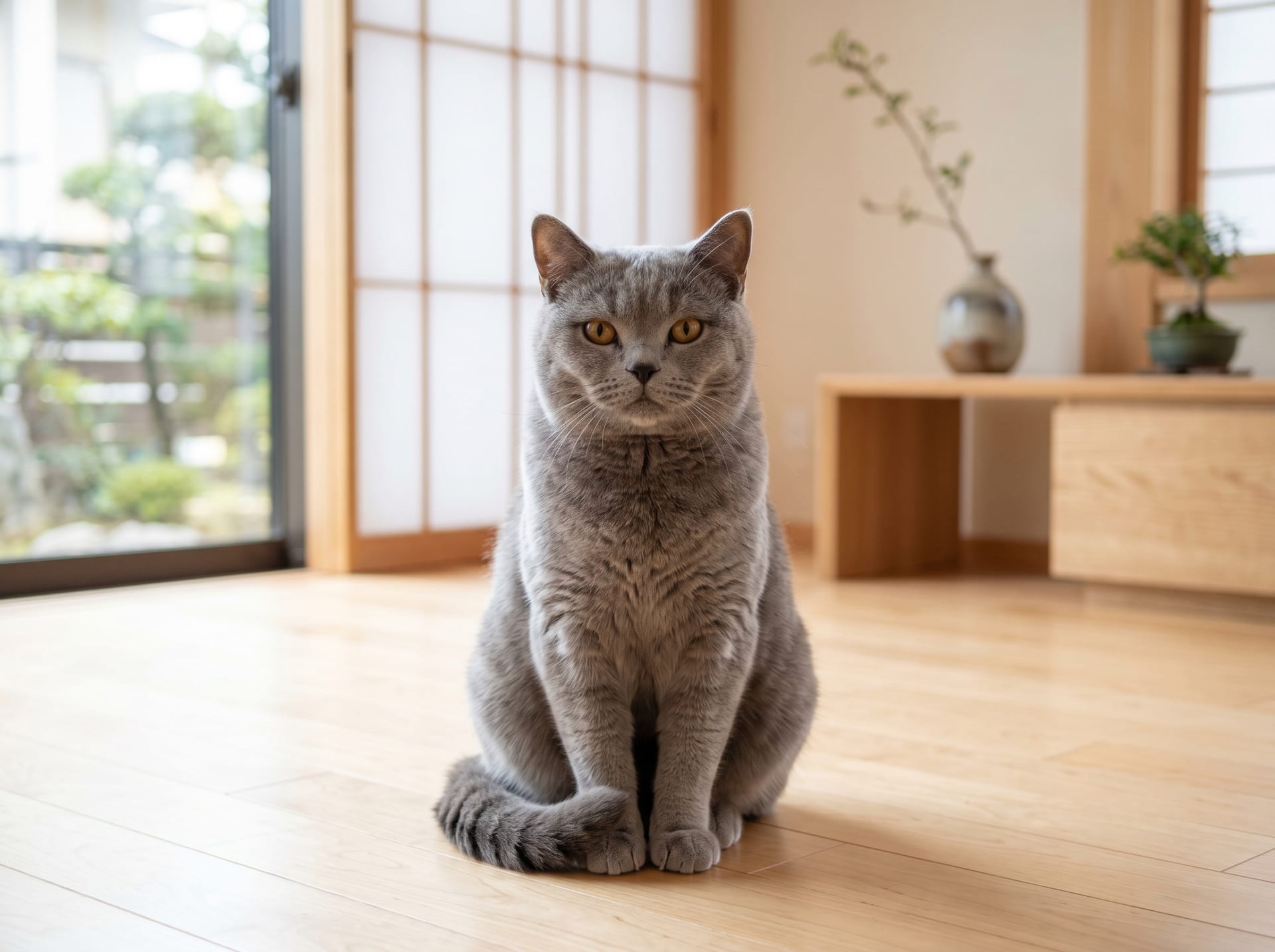
British Shorthair: Calm and quiet-natured. Independent and good at entertaining themselves. They rarely meow loudly, making them apartment-friendly. Their sturdy build and composed demeanor are part of their charm
Ragdoll: True to their "doll" name, they enjoy being held and have a calm nature. They have quiet vocalizations and rarely run around. Daily brushing is necessary due to their long coat. See Ragdoll Care Guide for more details
Persian: One of the most calm cat breeds. They have low activity levels and prefer a quiet lifestyle. Their flat nose requires tear-stain care
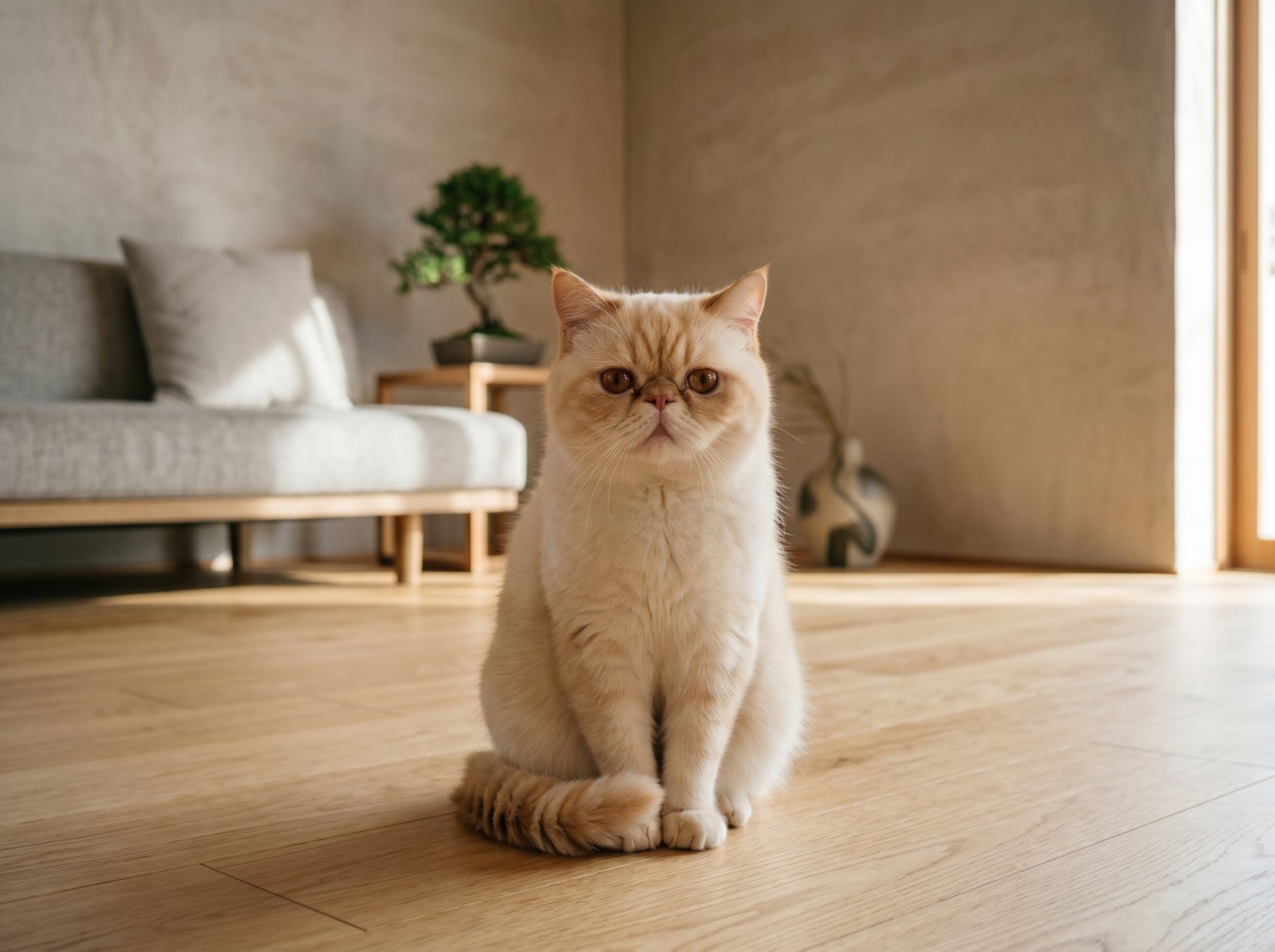
Exotic Shorthair: The short-haired version of the Persian. Calm and quiet. With less grooming maintenance, they're easier for beginners to handle
Cat Breeds for Single-Person Households
For single-person households, good at being left alone, moderately affectionate, and easy to maintain breeds are ideal.
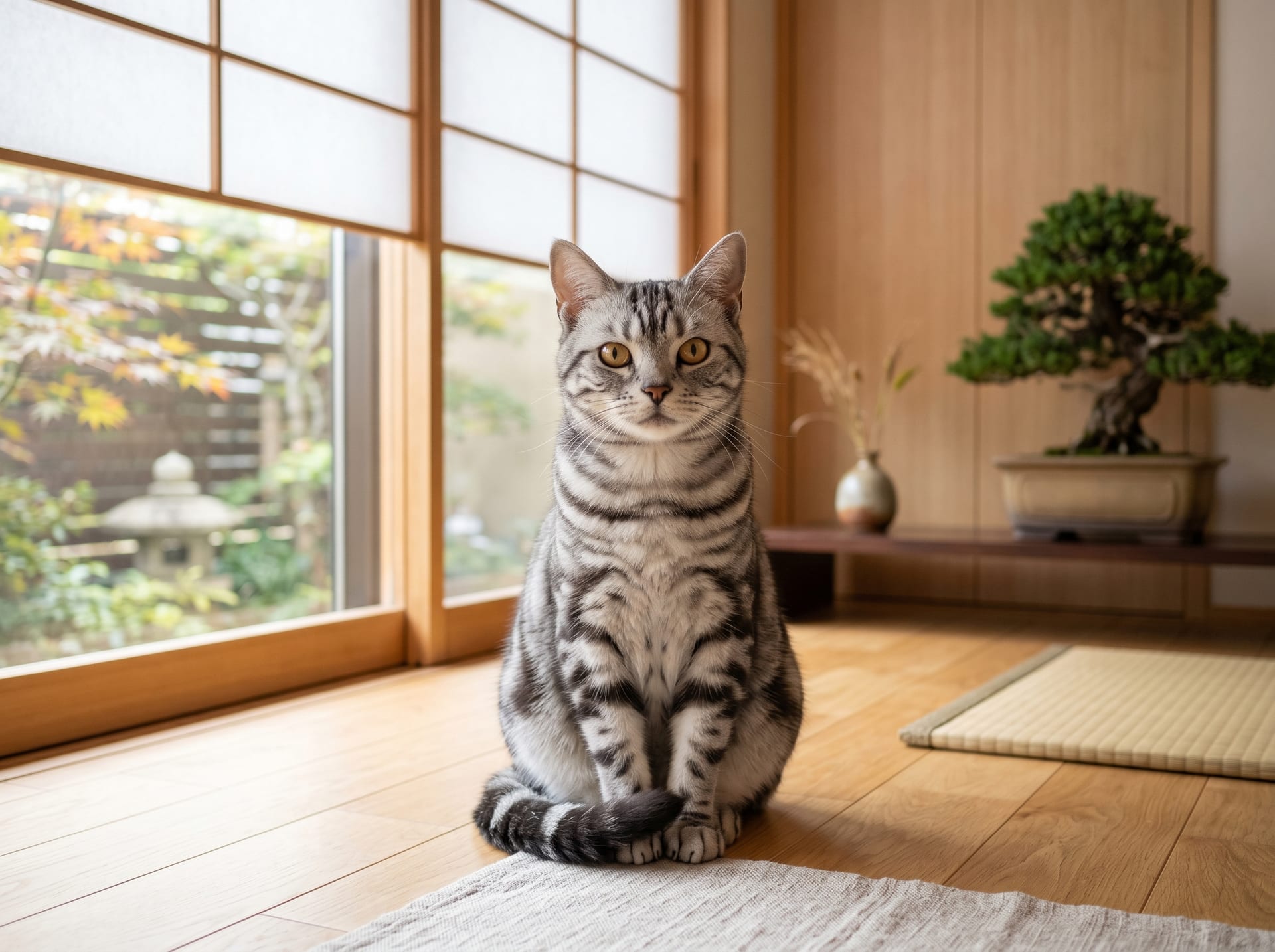
American Shorthair: Moderately independent and good at staying alone. Friendly but not overly dependent. Hardy and rarely gets sick, making them one of the most well-balanced cat breeds in terms of ease of care
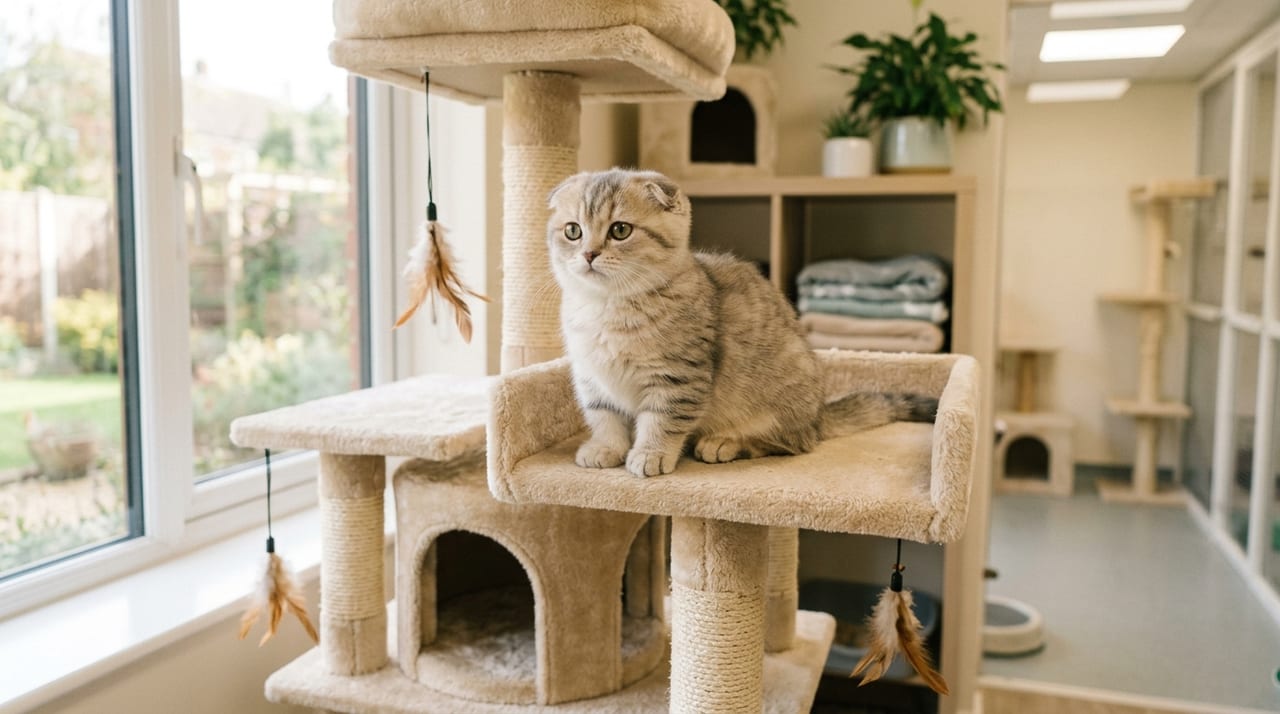
Scottish Fold: Calm and affectionate, but also enjoys alone time. Quiet vocalizations. Folded-ear individuals have a risk of joint diseases, making regular veterinary checkups important. See Scottish Fold Care Guide for details
✍️
BreederDirect Editorial
The BreederDirect editorial team specializes in care information for animals, covering veterinary care and breeding to deliver beginner-friendly guides.
Find Cats on BreederDirect
Buy directly from verified breeders
Browse Related Listings
Find Cats listings related to this article on BreederDirect. Buy directly from verified breeders.
Russian Blue: A "tsundere" type that bonds strongly with their owner but is wary of strangers. They have extremely quiet vocalizations and are sometimes called "voiceless cats." They shed quite a bit
Singapura: The smallest cat breed in the world. Active but small, requiring minimal space. Extremely affectionate toward their owner
Cat Breeds for Families with Children
For families with children, patient, low aggression, and playful breeds provide peace of mind.
Ragdoll: Calm and patient, rarely getting angry even when grabbed by children. Being a large breed, they have sturdy bodies. Long-haired coat maintenance is required
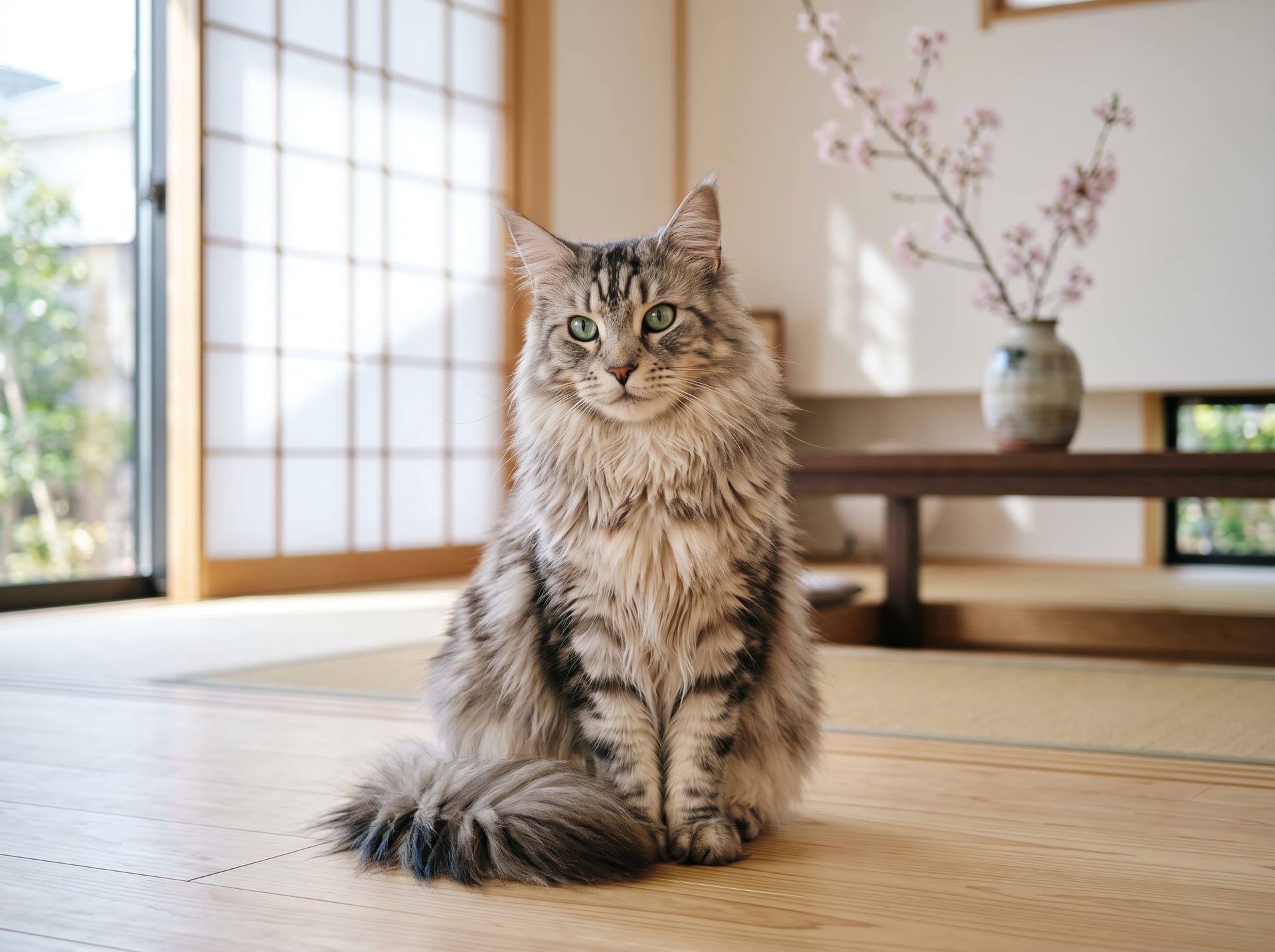
Maine Coon: A large breed with the nickname "gentle giant." Sociable and follows their owner like a dog. Patient enough to play well with children
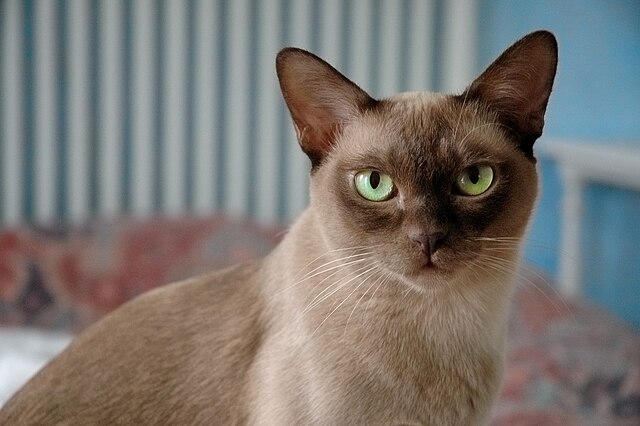
Burmese: Love people and are very sociable. They enjoy being playmates for children. Active with high energy levels, so providing play space is important
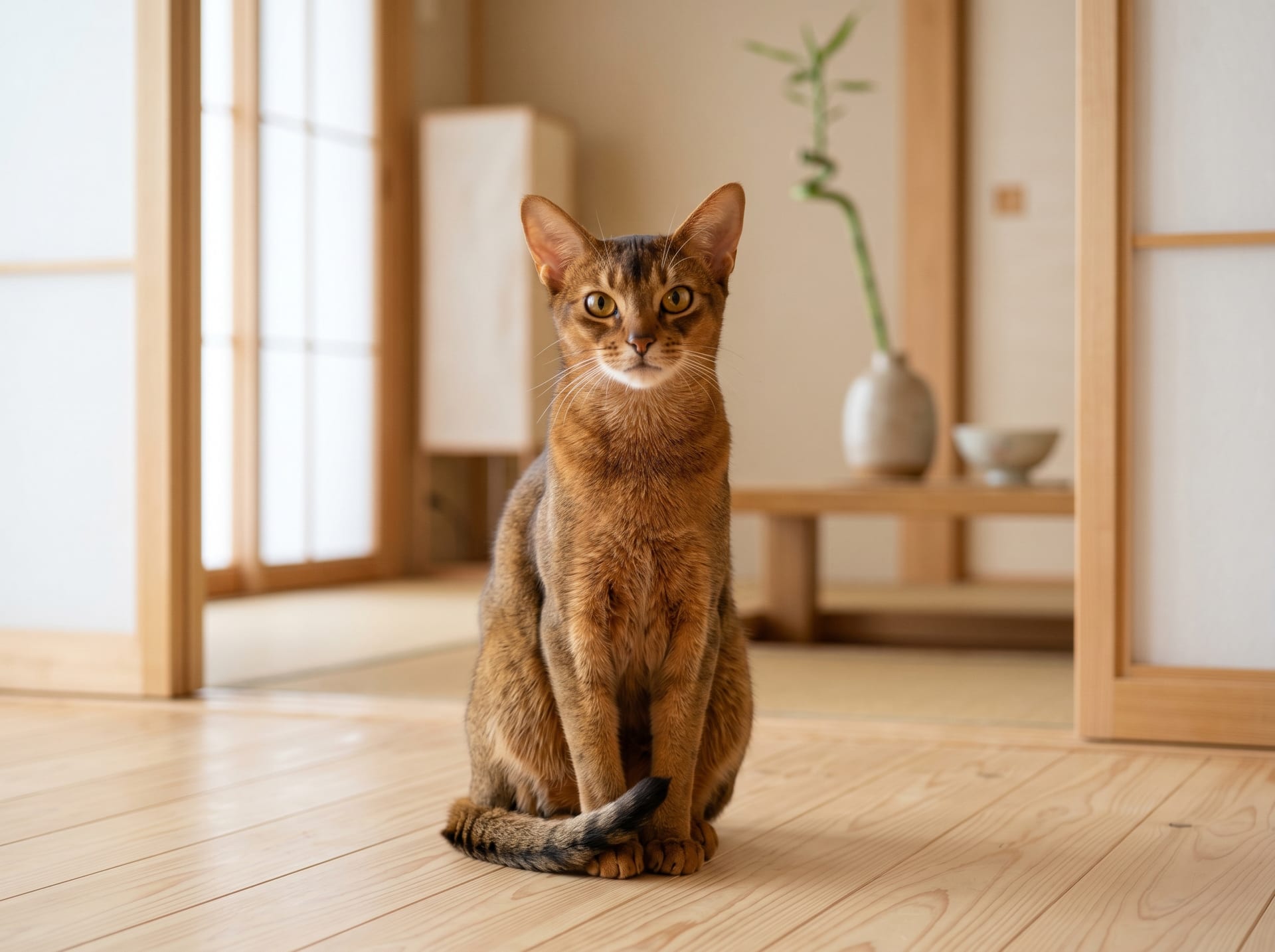
Abyssinian: Active and curious. Love playing with children. However, they prefer high places, so a cat tree is essential
Cat Breeds for Beginners
For first-time cat owners, breeds that are easy to train, relatively low health risks, and have stable temperaments are recommended. For general information about living with cats, see Cat Beginner's Guide in advance.
American Shorthair: Hardy and the #1 in ease of care. Short coat, so maintenance is easy. Their stable temperament makes them the most recommended breed for beginners
Munchkin: Curious and friendly. Adorable when scurrying around on short legs. Their calm temperament makes them easy for beginners to handle. See Munchkin Care Guide for details
Norwegian Forest Cat: Calm and patient large breed. Sociable enough for multi-cat households. Long-haired but their double coat is less prone to matting
Somali: The long-haired version of the Abyssinian. Intelligent and easy to train. Friendly, making it easy to build trust even as a first cat
Key Points to Consider When Choosing a Breed
Ask yourself the following questions before deciding on a cat breed.
Housing environment: Apartment or house? Is there sufficient vertical space?
Family composition: Are there small children? Do you have other pets?
Lifestyle: Do you spend a lot of time at home? Are you away frequently?
Grooming tolerance: Can you brush daily? Can you attend regular grooming appointments?
Budget: Can you afford not just the purchase price but also monthly food and veterinary costs?
Allergies: If family members have cat allergies, consider breeds with lower allergen production (such as Siberian or Balinese)
Consider "Mixed (Domestic) Cats" if You're Unsure About Breeds
If you're not set on a specific breed, mixed cats (domestic shorthairs) can also be wonderful family companions. The benefits of mixed cats include:
High genetic diversity: They tend to have lower risk of genetic diseases compared to purebreds
Hardy and disease-resistant: Generally said to have stronger immunity than purebreds
Lower cost: In many cases, there are no purchase fees from breeders or pet shops
Unique personality: Each one is one-of-a-kind in appearance and temperament
If you choose to adopt a rescue cat, you can confirm their actual personality through adoption events or cat rescue cafes.
On the other hand, the benefit of choosing a purebred is that you can predict their adult size, temperament, and coat type to some degree. When bringing a cat home from a breeder, it's reassuring to also check the parents' health screening status, referring to Cat Genetic Disease Testing and Breeding Guide. Especially for beginners, choosing a breed with characteristics that match your lifestyle can help prevent mismatches.
Are There Cat Breeds You Can Own Even With Cat Allergies?
The main allergen in cat allergies is a protein called "Fel d 1," which is secreted from cats' sebaceous and salivary glands. There is no completely hypoallergenic cat breed, and there is no established scientific evidence that "this breed produces fewer allergens." The following are breeds often mentioned in this context. In practice, gender, whether neutered/spayed, and individual differences matter more than breed.
Siberian: Most frequently mentioned as producing less Fel d 1, but the evidence is limited to small-scale reports
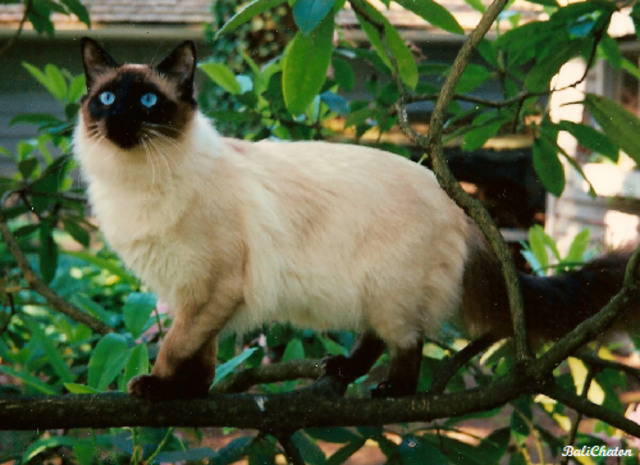
Balinese: The long-haired version of the Siamese. They tend to produce fewer allergens
Russian Blue: Often said to shed less due to their dense double coat, but coat length and density are unrelated to Fel d 1 production
However, individual differences are significant, so you cannot say "this breed is completely safe." For those concerned about cat allergies, we strongly recommend spending a few hours with the actual cat at the breeder's place before bringing them home to check for allergic reactions.
Find Your Ideal Cat Breed on BreederDirect
On BreederDirect, breeders offer a wide variety of cat breeds. Search for the breed you're interested in from the cat category and ask breeders directly about their temperament and rearing environment. Learning about the parents' personalities is a unique advantage of buying directly from breeders.