Complete Guide to Feline PKD & HCM Genetic Testing | Screening for Polycystic Kidney Disease and Hypertrophic Cardiomyopathy in Breeding Programs
A comprehensive guide to genetic testing and ultrasound screening for the two major inherited feline diseases: Polycystic Kidney Disease (PKD1) and Hypertrophic Cardiomyopathy (HCM). This breeding management guide covers procedures, costs, and result interpretation for responsible cattery operations.
Key Takeaways
A comprehensive guide to genetic testing and ultrasound screening for the two major inherited feline diseases: Polycystic Kidney Disease (PKD1) and Hypertrophic Cardiomyopathy (HCM). This breeding management guide covers procedures, costs, and result interpretation for responsible cattery operations.
Related Species

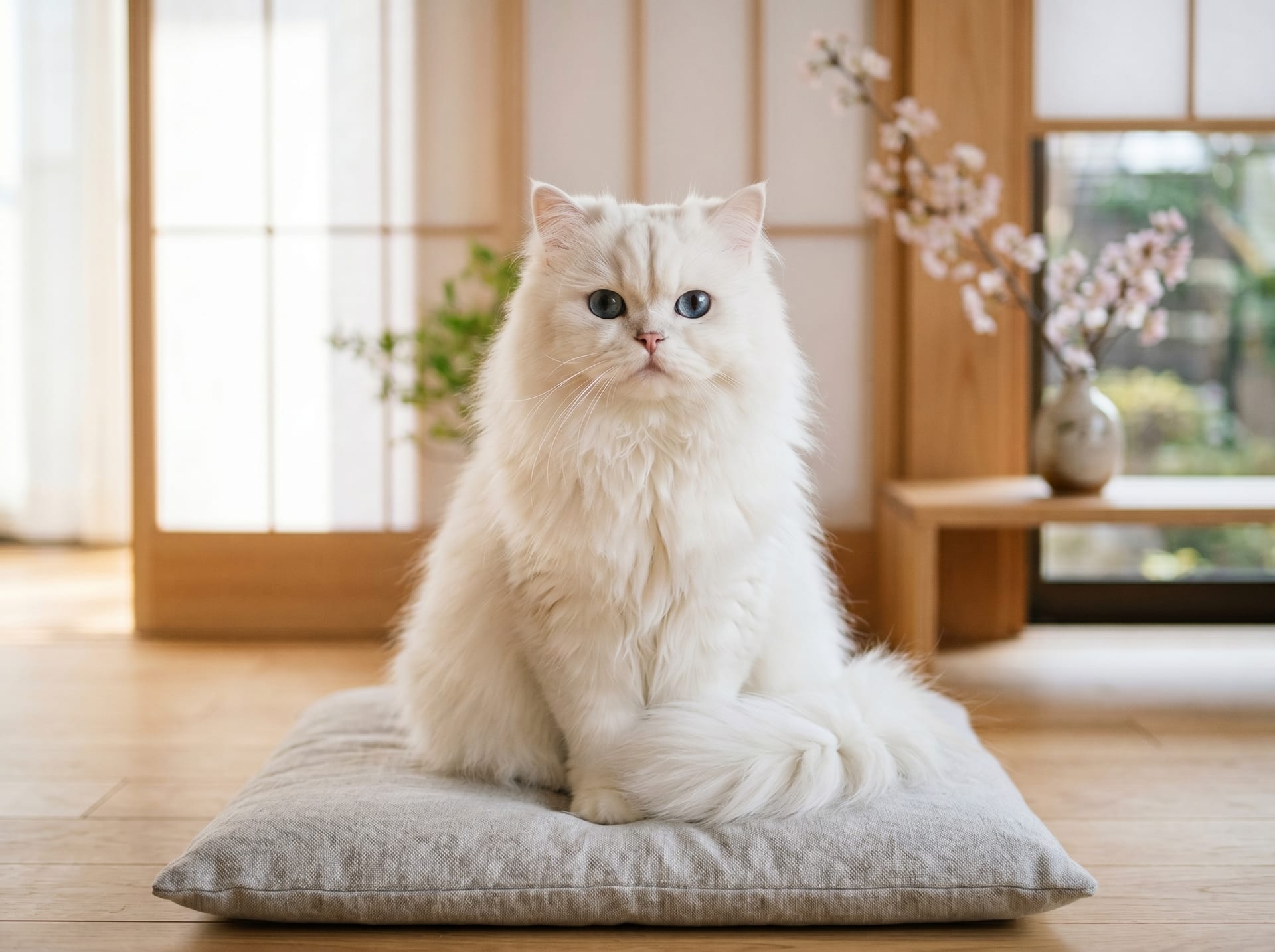
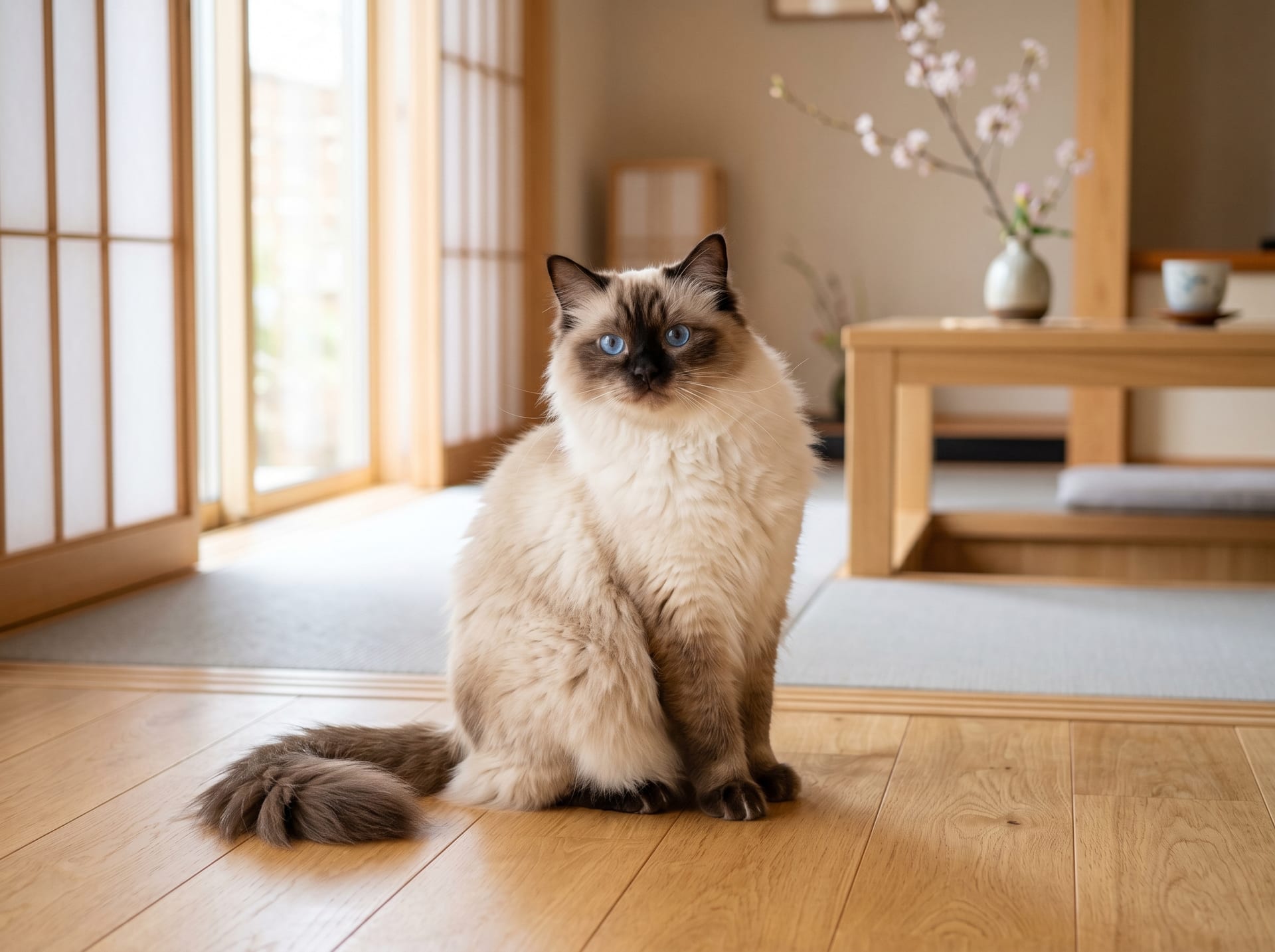
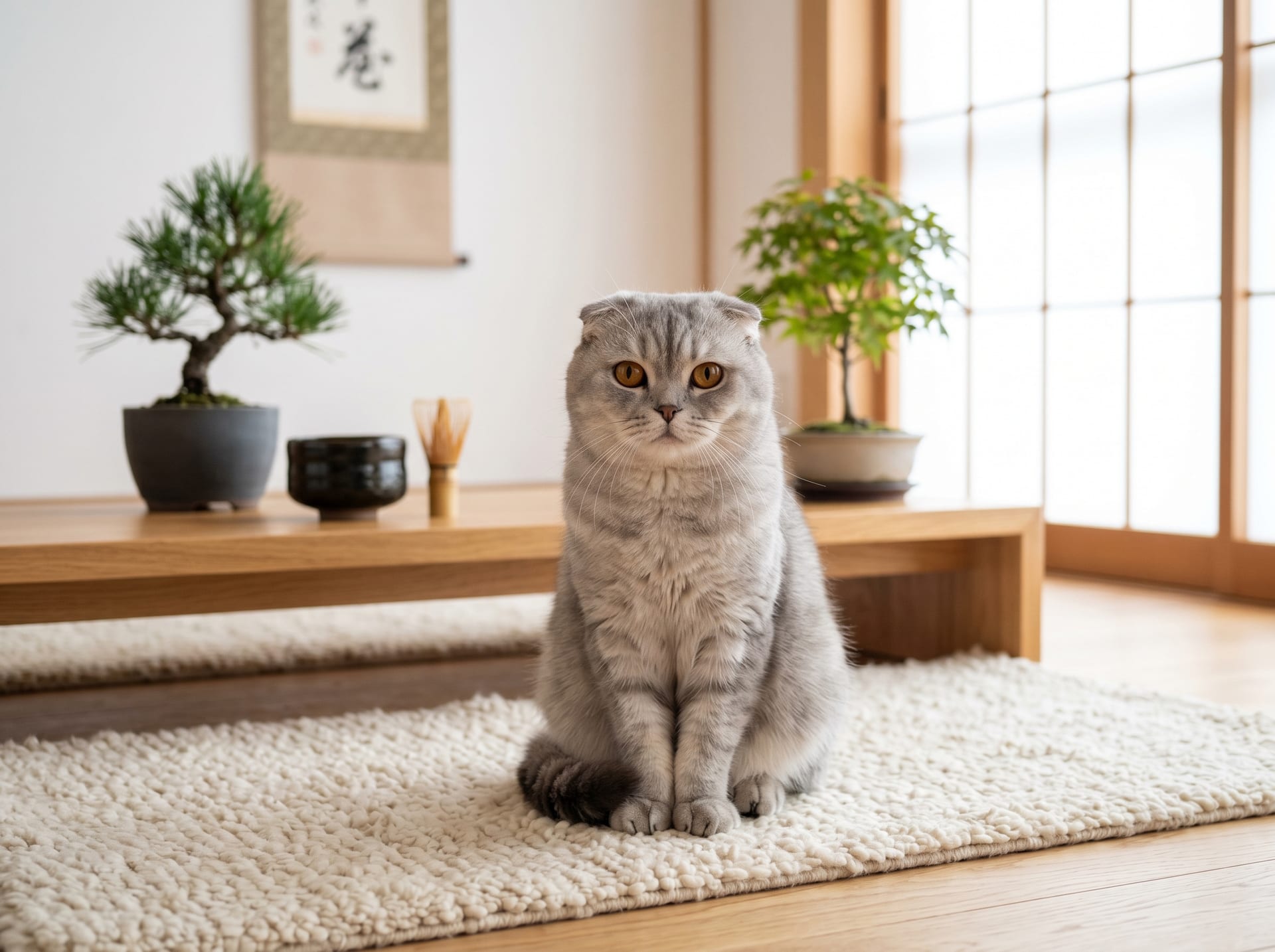
Two Major Inherited Feline Diseases—Understanding PKD and HCM is a Breeder's Responsibility
The two most widely recognized genetic diseases in cats are Polycystic Kidney Disease (PKD) and Hypertrophic Cardiomyopathy (HCM).
Both conditions are caused by genetic mutations, and through genetic testing, affected individuals can be identified and excluded before breeding, significantly reducing transmission to the next generation. This article provides detailed information on the mechanisms of each disease, testing methods, costs, and how to use test results in breeding decisions.
PKD (Polycystic Kidney Disease): Primary Affected Breeds and Inheritance Pattern
What is PKD1?
PKD1 is an autosomal dominant kidney disease in which numerous cysts (fluid-filled sacs) form in the kidneys, gradually leading to loss of kidney function. Cats carrying even one copy of the specific mutation (PKD1 mutation) will develop the disease, making breeding only "clear" (negative) individuals together the most critical prevention strategy.
Primary Affected Breeds
| Breed | Estimated PKD1 Prevalence |
|---|---|
| Persian | Approximately 36–38% (varies by study) |
| Exotic Shorthair | Approximately 40–49% |
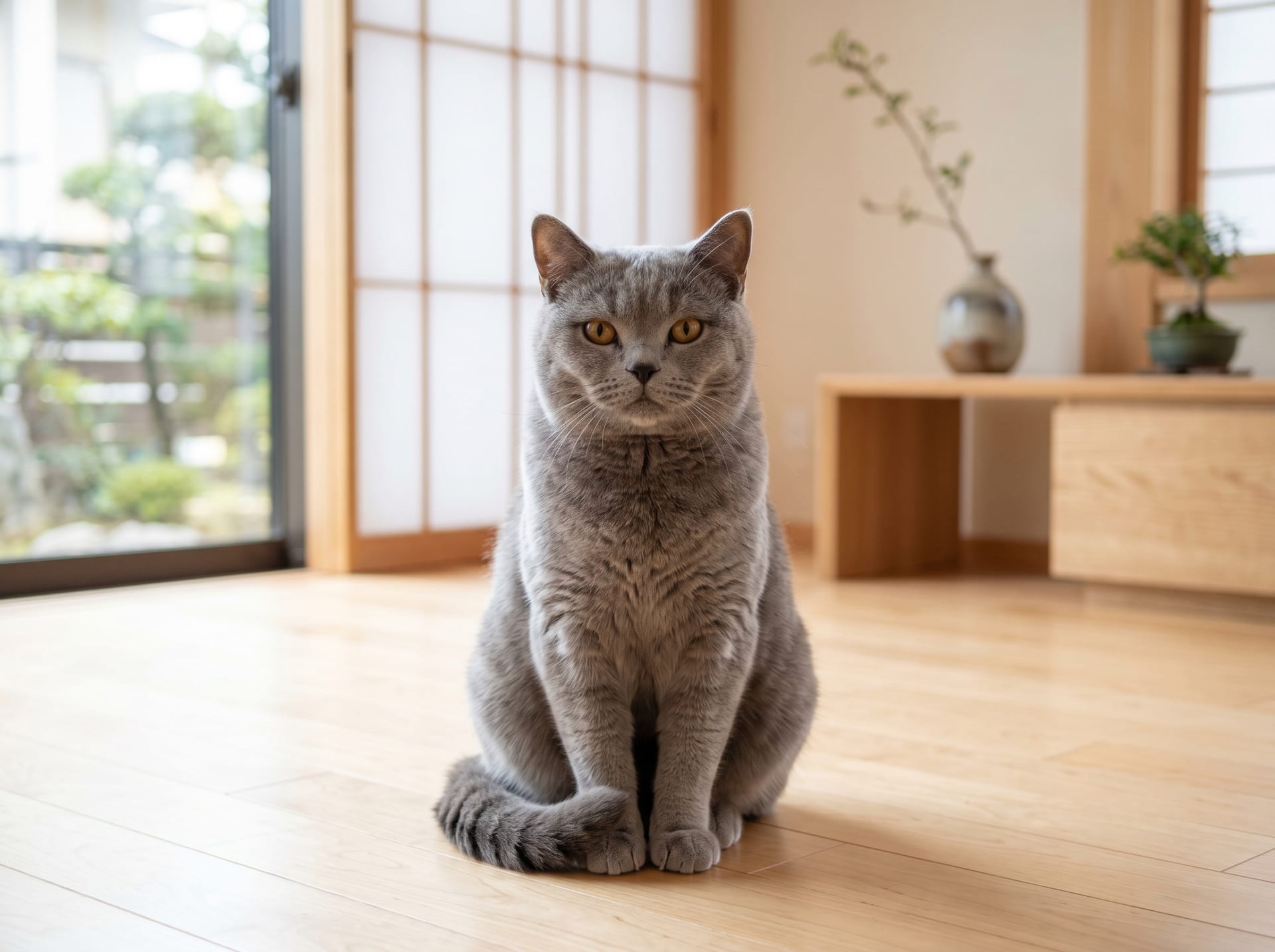
| British Shorthair | Approximately 20–40% |
| Scottish Fold | Varies based on Persian ancestry |
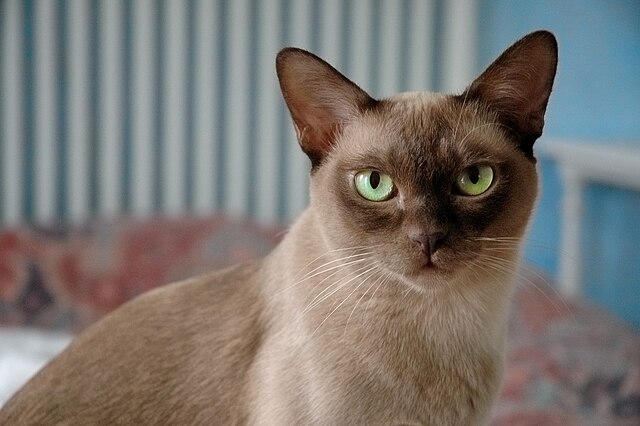
| Burmese (some lines) | 5–10% |
British Shorthairs and Exotic Shorthairs carry Persian bloodlines, so they require particular attention.
PKD1 Clinical Progression
- Cysts begin forming immediately after birth, but symptoms typically appear after 7–10 years of age
- Early signs: polydipsia, polyuria, weight loss, vomiting, anorexia
- Ultrasound can detect cysts as early as 6 weeks of age
PKD1 Genetic Testing: Procedures and Costs
Testing Method: DNA Buccal Swab or Blood
PKD1 can be definitively diagnosed through genetic testing (DNA testing). Since the mutation can be directly detected, it can be used in young animals where ultrasound findings may not yet be apparent.
Procedure:
- Collect a sample using a buccal swab (cotton swab) or blood draw (1–3 ml)
- Send the sample to an accredited testing laboratory (domestic: IGS, Interrin, Heterogenia, etc. / international: Laboklin, Optimal Selection, Basepaws, etc.)
- Results reported: 1–3 weeks
Estimated Cost (per animal):
- Domestic laboratories: ¥5,000–15,000
- International laboratories (e.g., Laboklin): $25–50 USD (shipping not included)
Interpreting Results
| Test Result | Meaning | Breeding Decision |
|---|---|---|
| Clear (negative)/N/N | No mutation, will not develop disease | Breeding permitted (recommended) |
| Carrier/N/PKD | One copy of mutation (autosomal dominant—will develop disease) | Breeding exclusion recommended |
| Affected/PKD/PKD | Two copies of mutation (high risk of severe disease) | Cannot be bred |
Note that PKD1 is autosomal dominant, so carriers (N/PKD) will develop the disease. This differs from recessive genetic conditions where carriers remain unaffected.
HCM (Hypertrophic Cardiomyopathy): The Most Common Inherited Feline Heart Disease
What is HCM?
HCM is a heart disease characterized by thickening of the heart muscle, and is one of the leading causes of sudden death in cats. The resulting cardiac dysfunction can lead to heart failure and arterial thromboembolism (ATE: hind limb paralysis and acute pain).
Major HCM Gene Mutations and Affected Breeds
Currently, two major gene mutations associated with feline HCM have been identified:
| Mutation Name | Affected Breed | Mutation Frequency |
|---|---|---|
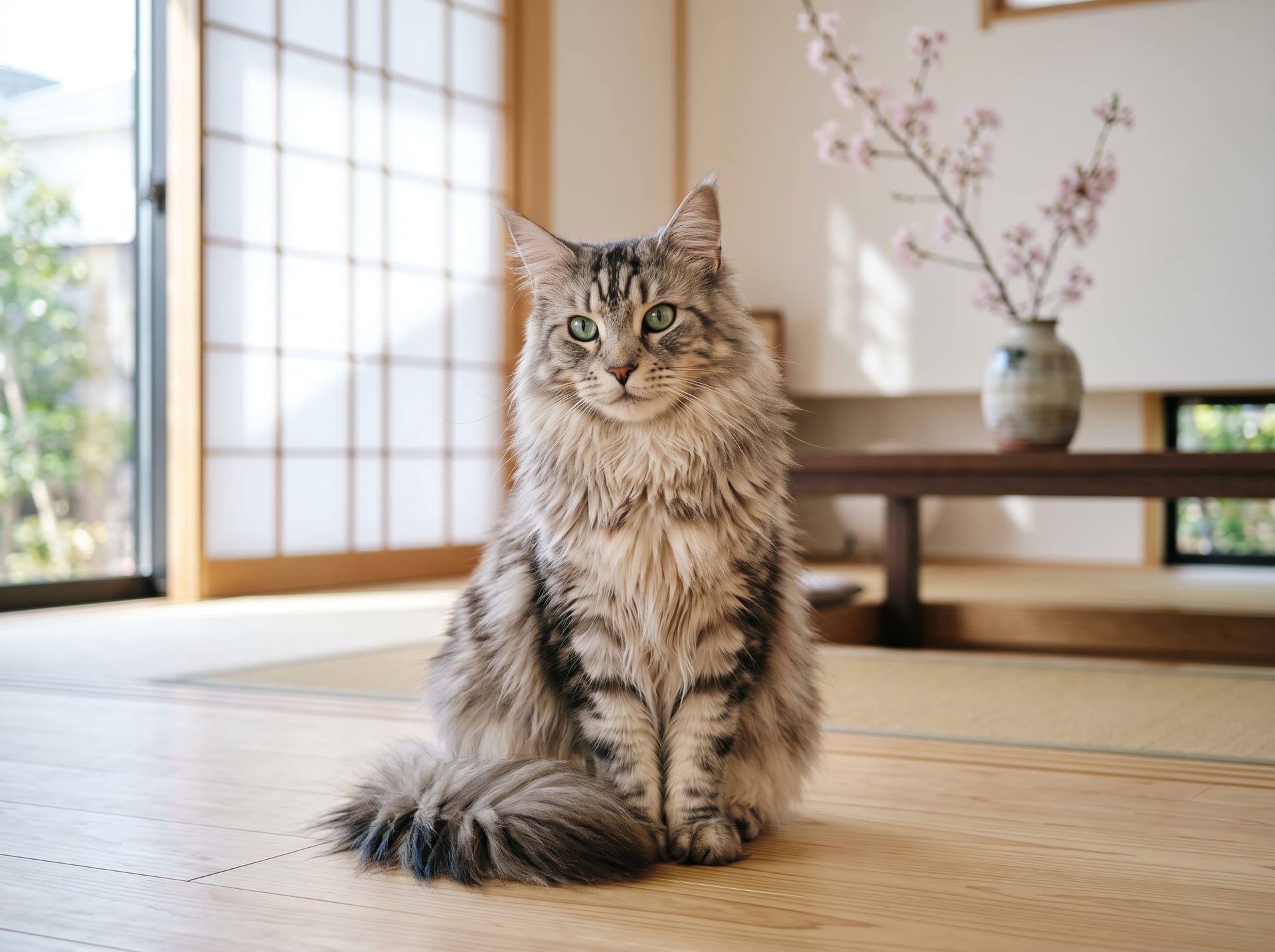
| MyBPC3-A31P | Maine Coon | Approximately 30–35% of Maine Coons |
| MyBPC3-R820W | Ragdoll | Approximately 30% of Ragdolls |
However, many other HCM-related genes exist beyond these two mutations, so echocardiographic (ultrasound) screening is essential even if DNA testing is negative.
HCM Characteristics and Clinical Progression
- Cardiac muscle thickening can begin in young cats (ages 1–2 years)
- Many cases result in sudden death while the cat remains asymptomatic
- Echocardiography (cardiac ultrasound) performed by a cardiac specialist is the gold standard for diagnosis
HCM Testing: Combining Genetic Testing and Echocardiography
Step 1: Genetic Testing (DNA)
- Maine Coon: MyBPC3-A31P mutation
- Ragdoll: MyBPC3-R820W mutation
- Sample: Buccal swab or blood
- Cost: ¥5,000–15,000 (domestic)
Limitations of Genetic Testing:
Testing is limited to known mutations, so a negative genetic test does not mean the cat is free of HCM. This is especially important to note in other breeds and mixed breeds.
Step 2: Echocardiography (Cardiac Ultrasound)
Echocardiography directly evaluates the phenotype (actual cardiac muscle thickening) of HCM.
Procedure:
- Consult a cardiac or internal medicine specialist (ACVIM certified or university hospital cardiology department)
- Can be performed without sedation if the cat is calm
- Diagnostic criteria: left ventricular wall thickness (IVSd / LVFWd) >6 mm indicates hypertrophy
- Validity: repeat testing recommended every 1–2 years (minimum annually for breeding animals)
Estimated Cost:
- Echocardiography alone: ¥15,000–40,000 (varies by facility)
Practical Breeding Decisions: Obtaining and Disclosing PKD & HCM Clear Status
Minimum Testing Protocol Breeders Should Perform
| Breed | Recommended Testing |
|---|---|
| Persian / Exotic | PKD1 DNA testing (mandatory before breeding) |
| British Shorthair | PKD1 DNA testing + echocardiography (annually) |
| Maine Coon | HCM gene testing (A31P) + echocardiography (annually) |
| Ragdoll | HCM gene testing (R820W) + echocardiography (annually) |
| Scottish Fold | PKD1 DNA + echocardiography + osteochondrodysplasia screening |
Documenting and Disclosing Test Results
- Registration with official certification bodies (e.g., The Cat Fanciers' Association Health Registry, Pawpeds)
- Disclosure of test certificates to prospective buyers
- Including test results in breeder profiles on BreederDirect
Summary: PKD & HCM Testing is Essential for Responsible Catteries
By combining PKD1 genetic testing with HCM genetic testing and echocardiography, you can significantly reduce the risk of major inherited diseases in cats.
For breeders working with Persians, Exotics, British Shorthairs, Maine Coons, and Ragdolls, these tests represent an investment in the health of the breed's future. Breeders who can demonstrate "breeding from tested, clear individuals" enjoy higher buyer trust and the ability to command fair pricing. While testing costs approximately ¥10,000–50,000 per animal, the transparency and peace of mind provide unmatched added value to buyers.