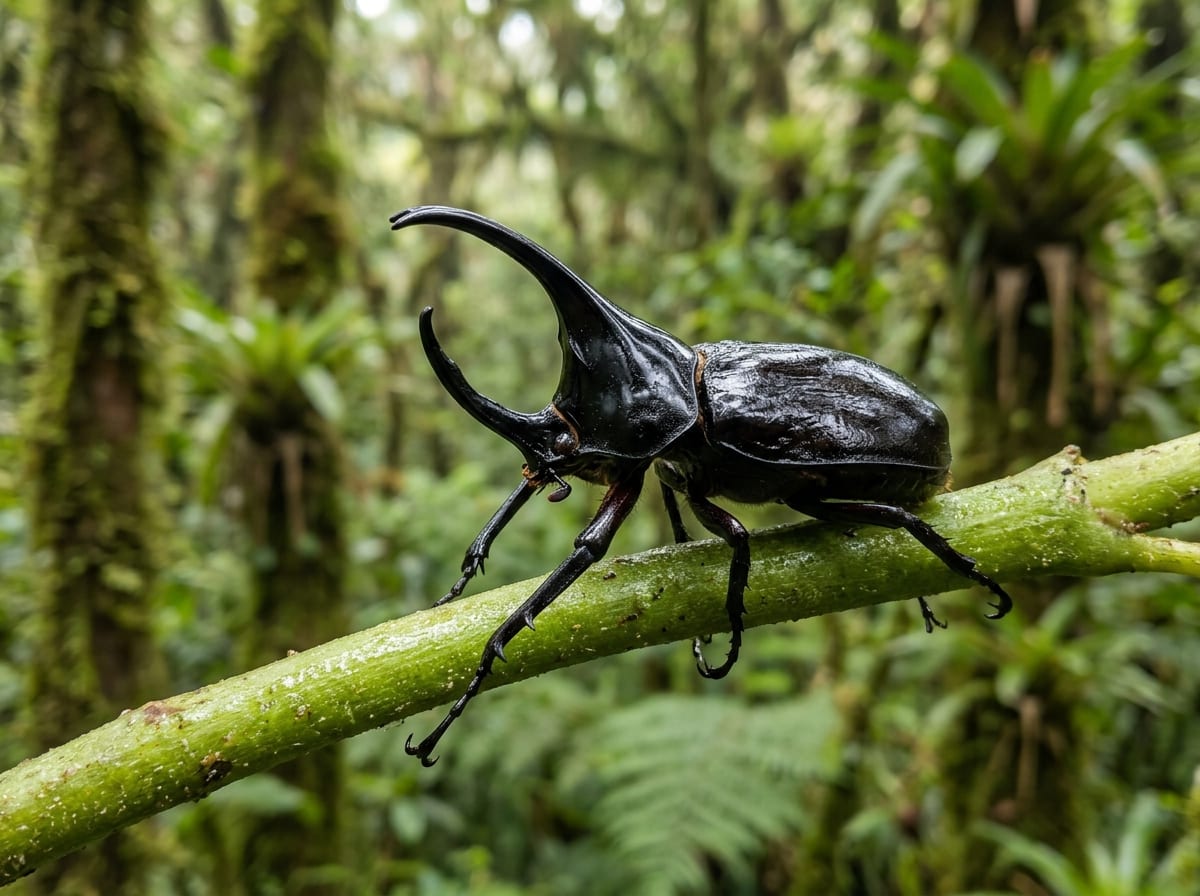
泰爾桑德爾直角甲蟲
The Tersander rhinoceros beetle is a Golofa species recorded from southern Mexico through Central America. In Japan it's known as the "black" or "small" vertical-horn beetle, and it's also traded under the name "Tersander." It is described as an all-black species, and males carry one horn on the head and one on the thorax, giving them a bold, powerful look. Because it's sold under several names, confirming the scientific name when buying is the safest approach. It's a species best suited to intermediate keepers who enjoy getting to know an individual beetle closely.
View 泰爾桑德爾直角甲蟲 encyclopedia →成交手續費 0%!2026年9月30日前註冊,前 2 筆成交免佣金!
繁殖者 招募中!
在 BreederDirect 上架,直接銷售給全國各地的客戶!
BreederDirect 承諾的 6 個透明度要點
刊登昆蟲時,繁殖者會明示以下資訊。我們保證成長階段與繁殖配對的透明性。
- 階段明示
- 代數明示
- 實物照片
- 繁殖單位
- 原產國
- 體長明示
查看全部336個品種
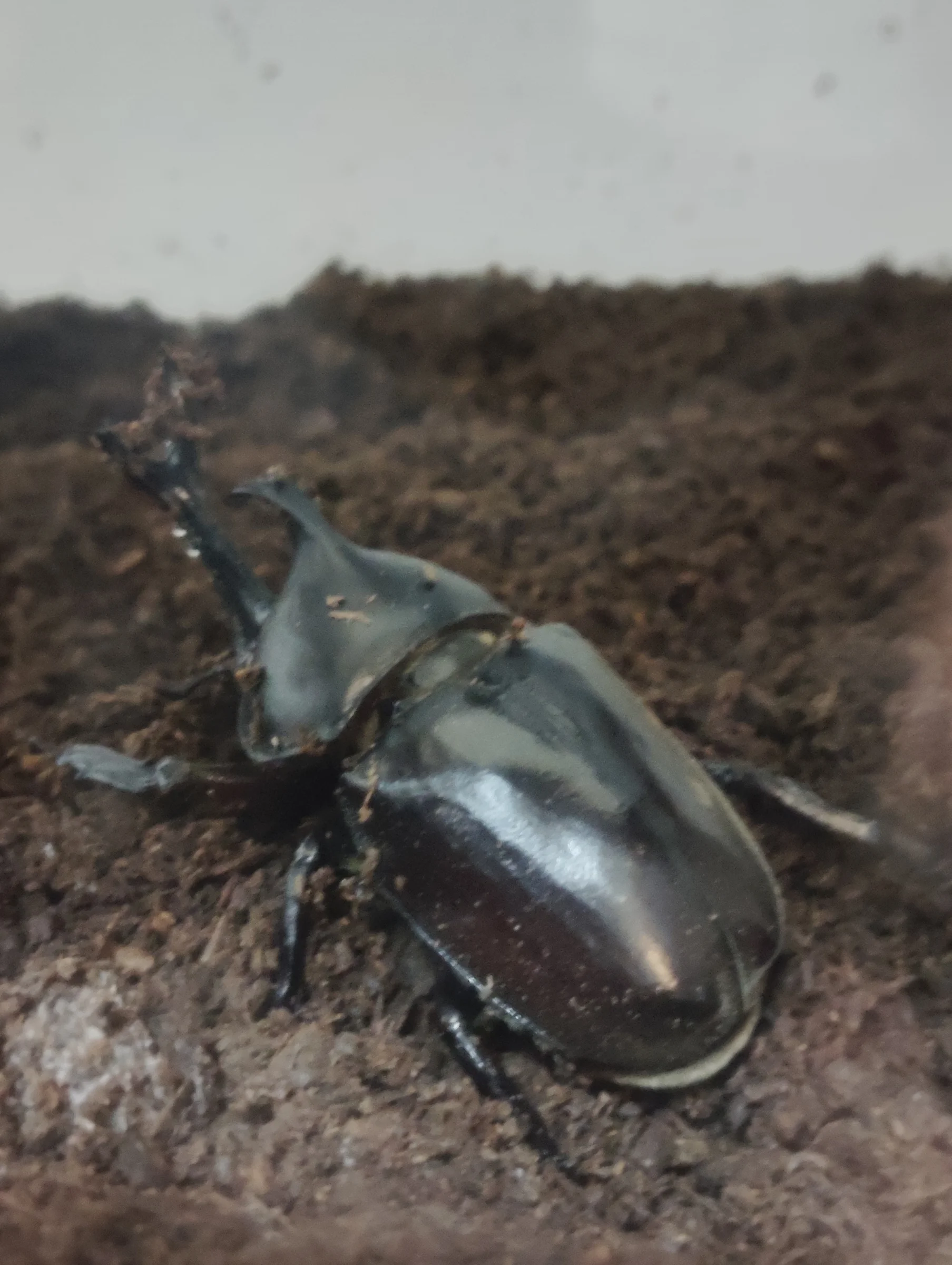
泰爾桑德爾直角甲蟲的基本資料
- 飼養難度
- 適合中級者
- 壽命
- 資料少
- 體型
- 資料少
- 飲食
- 成蟲:昆蟲果凍;幼蟲:發酵墊材
- 溫度、濕度
- 本種的溫度數值資料較少。應避免極端高溫和低溫,墊材不宜過乾。
- 繁殖、產卵
- 本種繁殖的詳細資料較少。因國內有人工飼養成功的實績,可在發酵墊材中產卵,幼蟲亦在同一墊材中飼育。
- 混養相容性
- 雄蟲會以長角爭鬥,成蟲應個別飼養,只在配對時短期同居。
- 壽命、飼育期間
- 本種幼蟲期間和成蟲壽命的資料較少。
- 健康、注意事項
- 泰爾桑德爾、黑直角甲蟲、小直角甲蟲等流通名稱眾多,應以學名 Golofa tersander 確認。外國產獨角仙和兜蟲的進口受《植物防疫法》和《外來物種法》(物種名稱證明書)規制,各物種的許可需植物防疫部門確認,因此選擇國內人工飼養個體最為安全。不得將飼養個體放生野外。
關於泰爾桑德爾直角甲蟲
A guide to the Tersander rhinoceros beetle, a black rhinoceros beetle native to southern Mexico and Central America — covering its features, the male's horns, care difficulty, and what to know before bringing one home.
迎接泰爾桑德爾直角甲蟲前需要了解的7件事
1A Glossy Black Beetle
Native to a range stretching from southern Mexico through Central America, this beetle is known in Japan as the "black" or "small" rhinoceros beetle for its glossy black body. Males grow a single horn on both the head and the thorax, giving them a distinctive silhouette worth observing up close.
2Best Suited to Intermediate Keepers
Because this species isn't as widely kept as more common rhinoceros beetles, published care data is limited. It suits keepers who already have some insect-keeping experience and are comfortable adjusting care by observing the individual. First-time keepers may want to start with a more established species before taking this one on.
3Recreate a Warm, Humid Habitat
Given its origin in the warm climate spanning southern Mexico to Central America, avoid letting the enclosure get too cold or too dry. Check the substrate regularly and mist lightly to maintain gentle humidity. Steady temperatures, without sudden swings, help keep the beetle in good condition.
4Never House Males Together
Males can fight fiercely using the horns on their head and thorax, so never keep two males in the same enclosure. Injuries from these clashes can take a serious toll on a beetle's strength. As a general rule, house each beetle — male, female, or larva — separately.
5Expect Individual Variation
Reliable data on adult size and lifespan for this species is still limited, and individuals can vary quite a bit. Rather than relying on fixed reference numbers, watch your own beetle's appetite and activity level day to day. Noticing changes early is the best way to keep it thriving.
6Feeding Is Simple with Insect Jelly
Adults feed mainly on commercial insect jelly, which is easy to offer in a small dish. Change it regularly, since leftover or dried-out jelly can attract mold and odor. Larvae feed mainly on the substrate itself, so keeping the substrate in good condition matters just as much.
7Set Up the Enclosure Before Arrival
Before your beetle arrives, it helps to have the substrate, climbing material to prevent it from getting stuck on its back, a feeding dish, and a thermo-hygrometer ready. A calm, prepared environment lets it settle in and recover from transport stress more smoothly. Choose a spot away from direct sunlight and excessive heat or humidity for the enclosure.
泰爾桑德爾直角甲蟲的常見問題
- Q.How long do Tersander rhinoceros beetles live?
- A.There isn't yet enough published data to give a firm lifespan estimate for this species. It's best to care for your beetle based on its day-to-day condition rather than a fixed number.
- Q.How big do adults get?
- A.Adult size for this species also isn't well documented, so we can't give a specific figure. Individual variation appears to be significant, so it helps to adjust the setup based on the beetle you actually bring home.
- Q.Can beginners keep this species?
- A.This beetle is generally considered suited to intermediate keepers. It's a better fit for someone with prior beetle-keeping experience; first-time keepers may want to start with a more common species.
- Q.Can males and females be housed together?
- A.Males fight fiercely with their horns, so two males should never share an enclosure. A male and female may be paired temporarily for breeding, but otherwise each beetle is generally kept separately.
- Q.Are there import restrictions on the Tersander rhinoceros beetle?
- A.The Tersander rhinoceros beetle is not listed under CITES. Many live foreign Scarabaeoidea (stag beetles, rhinoceros beetles, flower chafers and relatives) are quarantine pests whose import is banned under Japan's Plant Protection Act, and even importable species require a species-name certificate from a foreign government body under the Invasive Alien Species Act (entry only via designated airports, never by international post). Whether a species may enter must be checked with the Plant Protection Station in advance, so choose domestically bred stock and never release captive beetles.
適合飼養泰爾桑德爾直角甲蟲的實用工具
在圖鑑中詳細了解泰爾桑德爾直角甲蟲
查看泰爾桑德爾直角甲蟲的圖鑑條目 →
收錄飼養難度、壽命、體長、食性等基礎資料。