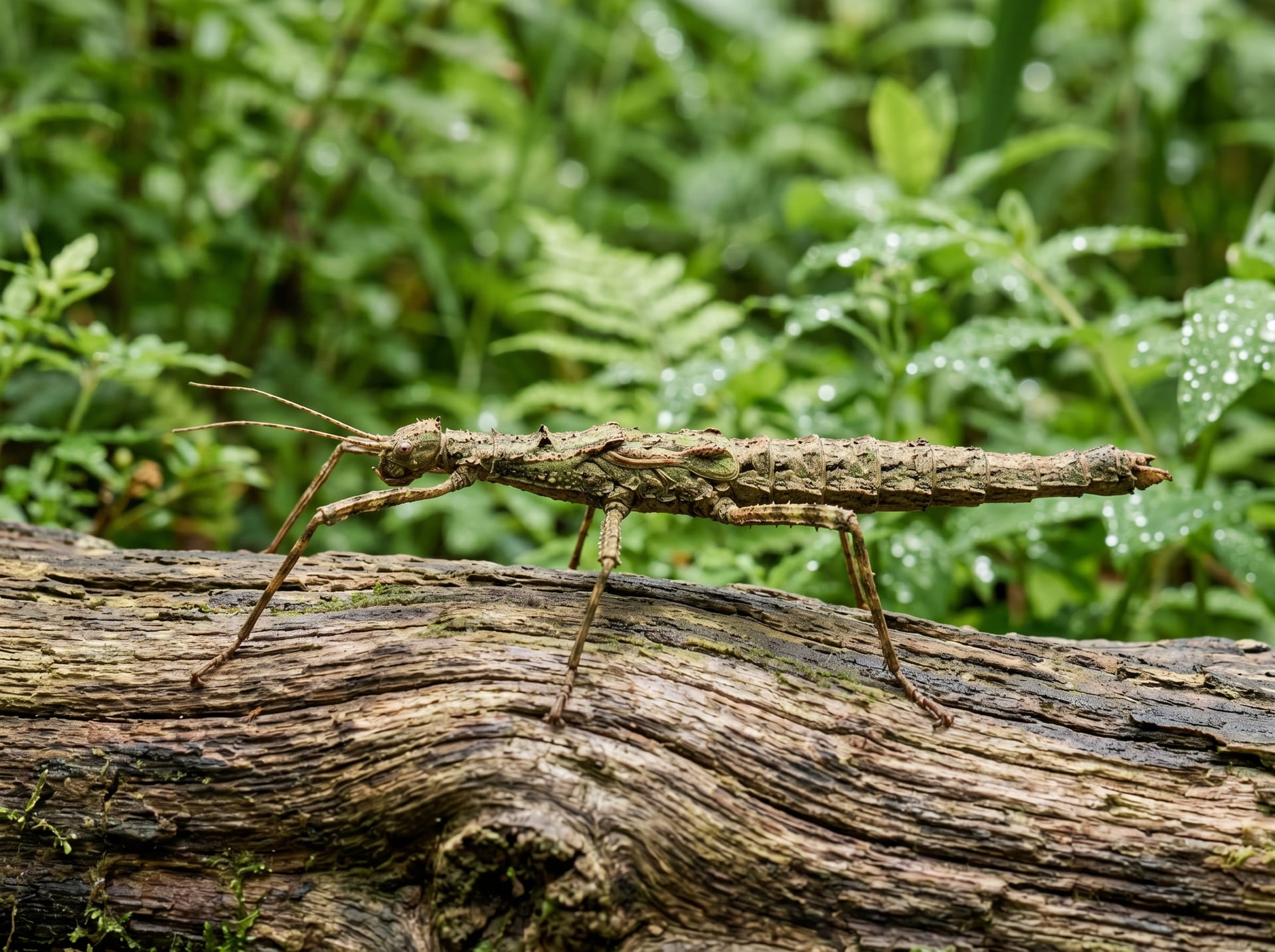
竹節蟲
一種體型細長、善於在枝條上偽裝的昆蟲。全球存在眾多種類。飼養容易,只需提供植物葉子即可。許多種類進行單為生殖,繁殖也很簡單。作為教育工具也很受歡迎。
View 竹節蟲 encyclopedia →成交手續費 0%!2026年9月30日前註冊,前 2 筆成交免佣金!
繁殖者 招募中!
在 BreederDirect 上架,直接銷售給全國各地的客戶!
BreederDirect 承諾的 6 個透明度要點
刊登昆蟲時,繁殖者會明示以下資訊。我們保證成長階段與繁殖配對的透明性。
- 階段明示
- 代數明示
- 實物照片
- 繁殖單位
- 原產國
- 體長明示
查看全部26個品種
昆蟲分類正在招募認證繁殖者
繁殖者正在陸續註冊,即將上架。設定上架通知,不錯過新商品。
「接收上架通知」需免費註冊會員即可設定。當有符合您儲存條件的新商品上架時,我們會以郵件和站內通知提醒您。
竹節蟲的基本資料
- 飼養難度
- 適合新手
- 壽命
- 6 months-2 years (varies by species)
- 體型
- 50-300mm (varies by species)
- 適宜溫度
- 20〜26℃
- 適宜濕度
- 50〜70%
- 飲食
- Beech, oak, rose family plant leaves
- Enclosure
- Tall mesh cage. At least 3x body length height
- Food
- Keep fresh leaves in water vase at all times
- Breeding
- Drops eggs to floor. Hatches after several months
- Notes
- Don't touch during molting. Needs hanging space
關於竹節蟲
屬於竹節蟲目的竹節蟲在全球熱帶和溫帶地區有超過3,000種已知品種,它們大多數擁有完美偽裝在樹木和草莖上的細長身體。在日本,竹節蟲模仿蟲和枝竹節蟲作為熟悉的種類而聞名,作為寵物流通的主要是印度竹節蟲和刺竹節蟲等。體長因物種而異,從數厘米到30厘米以上,顏色包括綠色、棕色、黑色等,能融入環境。性格非常溫和,動作緩慢,緊緊抓住樹枝的樣子散發著某種禪意的寧靜感。飼養的魅力首先在於其便利性,只要有清潔的飼養空間和新鮮的植物葉子就能健康地養育。進行單為生殖的種類可以從一隻雌蟲開始繁殖,能近距離感受生物的神秘,在教育價值上也得到高度評價。
迎接竹節蟲前需要了解的7件事
1選擇適當的飼養籠
竹節蟲喜歡縱向的空間,因此需要一個足夠高的籠子,使其在蛻皮時能夠吊掛身體。作為參考,應確保體長的3倍以上的高度。通風性良好且配有網布蓋的籠子是合適的。
2食草的種類和給食方法
不同種類喜歡的食草各異,日本竹節蟲喜歡櫻花或薔薇科植物的葉片,棘竹節蟲則喜歡荊棘或橡樹的葉子。應將新鮮葉片插入裝水的瓶子中飼餵,並用棉花或保鮮膜封住瓶口以防竹節蟲溺水。需要注意不要提供噴過農藥的葉片。
3脫皮期間的護理方法
竹節蟲在生長過程中會脫皮多次。脫皮期間身體極其脆弱,不能觸摸或製造震動。如果濕度過低容易脫皮不全,應該在飼養箱內輕輕噴霧以保持適度的濕度。
4單為生殖與繁殖基礎
許多飼養種類可以透過單為生殖進行繁殖,即使沒有雄蟲也能產卵。產下的卵放在泥炭土或腐葉土上,保持適度的濕度後數個月便可孵化。卵的管理訣竅是與底材分開放置,以防意外丟棄。
5處理時的注意事項
竹節蟲基本上很溫順,幾乎不會咬人,但腳極其纖細,如果被拉扯會發生自切。將竹節蟲放在手上時,應該讓它自己走上來,不要強行抓握。特別是幼蟲期更要謹慎處理。
6溫度和濕度管理
許多種類在室溫20~26℃的條件下可以正常飼養。冬季要注意暖氣的乾燥,應該以50~70%的濕度為目標,用噴霧調整。極端的高溫或低溫會導致身體狀況惡化,應避免直射日光和冷暖氣風直接吹向飼養箱。
7飼育成本的目安
竹節蟲是昆蟲中特別容易飼養的品種,只要能準備好飼養箱和食草就可以了,基本不需要額外費用。食草可以從公園或花園採集,但請選擇沒有農藥污染的地方。即使包括飼養箱的費用,初期投資也只需數千日圓左右就能開始。
竹節蟲的常見問題
- Q.竹節蟲的壽命大約是多長?
- A.這取決於具體品種,但常見的寵物品種在成蟲後通常能活6~12個月左右。從卵孵化開始計算,整個生命週期大約是1~1.5年。
- Q.冬天需要做防寒措施嗎?
- A.如果在室內飼養,大多數品種在使用暖氣的正常室溫(20℃左右)下就沒有問題。但要避免環境溫度低於10℃,同時要特別注意避免溫度急劇變化。
- Q.卵應該如何管理呢?
- A.通常的做法是將產下的卵放在濕潤的蛭石或細沙上進行管理,以防乾燥。由於卵的孵化可能需要數個月甚至1年以上的時間,耐心等待很重要。
- Q.飼養所需的植物在哪裡能買到?
- A.黑莓和樹莓可以在家居中心的園藝區購買苗木,在家中栽培。若在公園等地採集野生葉子,需注意選擇未施農藥或除草劑的地方。
- Q.小孩也能安全飼養嗎?
- A.這種昆蟲基本不會咬人,也沒有毒性,小孩可以安全飼養。不過由於腿容易折斷,建議小孩接觸時一定要有大人在旁看管。
適合飼養竹節蟲的實用工具
在圖鑑中詳細了解竹節蟲
查看竹節蟲的圖鑑條目 →
收錄飼養難度、壽命、體長、食性等基礎資料。