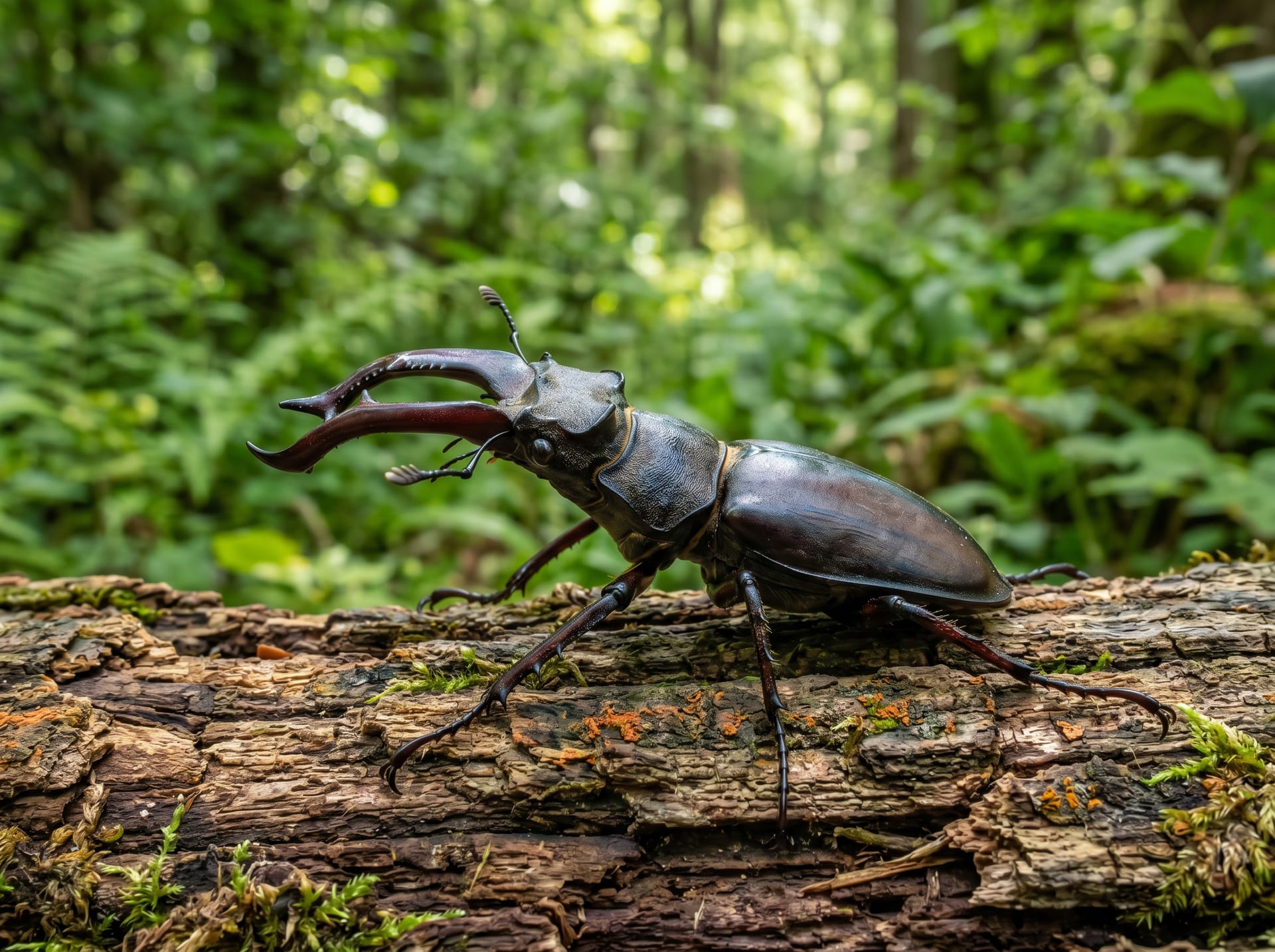
鍬形蟲
鍬形蟲是一種擁有強大大顎的甲蟲,魅力十足,包括大鍬形蟲、扁鍬形蟲等在內,國內外存在許多種類。只要準備飼養箱、昆蟲墊料和木屑,就能相對輕鬆地飼養這種受歡迎的昆蟲寵物。壽命因種類而異,從數個月到數年不等,可以享受觀察其成長的樂趣。
成交手續費 0%!2026年9月30日前註冊,前 2 筆成交免佣金!
繁殖者 招募中!
在 BreederDirect 上架,直接銷售給全國各地的客戶!
BreederDirect 承諾的 6 個透明度要點
刊登昆蟲時,繁殖者會明示以下資訊。我們保證成長階段與繁殖配對的透明性。
- 階段明示
- 代數明示
- 實物照片
- 繁殖單位
- 原產國
- 體長明示
查看全部26個品種
昆蟲分類正在招募認證繁殖者
繁殖者正在陸續註冊,即將上架。設定上架通知,不錯過新商品。
「接收上架通知」需免費註冊會員即可設定。當有符合您儲存條件的新商品上架時,我們會以郵件和站內通知提醒您。
關於鍬形蟲
鍬形蟲屬於甲蟲目鍬形蟲科,最大的特徵是雄蟲擁有發達的大顎(上顎)。這種大顎用於雄蟲間的爭鬥和爭奪樹液,其形狀和大小因種類差異很大。日本約有40種生息,大鍬形蟲、扁鍬形蟲、鋸鍬形蟲等最具代表性。成蟲在夏季活動,喜歡櫟樹的樹液。幼蟲生活在朽木中,通過分解菌類而成長,在森林生態系統中也起著重要作用。飼養的魅力在於可以近距離觀察變態過程,卵、幼蟲、蛹、成蟲逐步變化的樣子是生命的奇蹟。由於相對安靜、氣味也很少,即使在公寓裡也容易飼養,從孩子到成人都有廣泛的愛好者,作為一種昆蟲寵物長期以來廣受歡迎。
經營鍬形蟲的精選繁殖者
查看全部鍬形蟲繁殖者列表(4)→迎接鍬形蟲前需要了解的7件事
1選擇品種是關鍵的第一步
鍬形蟲的國內種類(大鍬形蟲、鋸鍬形蟲等)和外國產種類(長顎鋸鍬形蟲、巴布亞金色鍬形蟲等)在飼養難度和所需溫度方面差異很大。對初學者來說,推薦大鍬形蟲、小鍬形蟲等溫度管理相對容易的國內種類。
2溫度管理左右壽命
許多鍬形蟲對高溫敏感,夏季保持在28℃以下至關重要。相反,國外熱帶種類不耐低溫,因此請提前確認每個品種的適溫範圍。通常採用空調或冰袋進行管理。
3產卵木和墊材的準備
飼養需要昆蟲墊材(發酵墊材)和用於產卵的朽木。由於不同品種對產卵木的硬度和發酵度的偏好不同,請準備適合您品種的套裝。墊材乾燥會導致產卵失敗和羽化不全,因此需要定期加濕。
4幼蟲期的菌絲瓶管理
要將大型品種養大,使用營養價值高於發酵墊材的菌絲瓶(大平菇·川原茸菌床等)進行幼蟲管理效果顯著。菌絲瓶需要定期更換,不同品種適合的菌類也不同。雖然初期投資較大,但對成蟲體型影響深遠。
5成蟲的壽命與越冬
大鍬形蟲等部分品種可活2~3年,冬季活動減弱並進入越冬。越冬期間牠們停止進食,但請繼續保持墊材濕潤以防乾燥。根據活動期和越冬期切換管理方法是延長壽命的秘訣。
6禁止雄性個體多頭飼養
鍬形蟲公蟲互相用大顎激烈爭鬥,會相互傷害,因此單獨飼養是基本原則。公蟲和母蟲的配對也應僅限於短期產卵目的,應避免長期同居。特別是扁鍬形蟲有可能會攻擊母蟲,需要特別注意。
7了解飼料和食欲信號
成蟲的主要飼料是昆蟲果凍,高蛋白質類型適合產卵前後使用。如果食欲急劇下降,可能是越冬開始的信號或健康狀況不佳的表現,請確認溫度和濕度。果凍應每2〜3天更換為新鮮的,以防止雜菌繁殖。
鍬形蟲的常見問題
- Q.鍬形蟲的壽命有多長?
- A.壽命因種類而大不相同。鋸鍬形蟲的成蟲壽命約為數個月,而大鍬形蟲的成蟲可以活2〜5年。包括幼蟲期間在內,大鍬形蟲從卵到成蟲需要1〜3年。
- Q.鍬形蟲可以多隻一起飼養嗎?
- A.由於公蟲之間會激烈爭鬥,應避免在同一容器中飼養多隻公蟲。母蟲之間相對溫和,但如果容器太小也可能會產生爭鬥。除非是為了繁殖,否則基本上應該採用1隻一個單獨飼養的方式。
- Q.越冬應該如何管理?
- A.大鍬形蟲等越冬種在氣溫降至15℃以下時會停止活動並在墊材內冬眠。這個時期無需頻繁更換食物,只需防止墊材乾燥即可。過度加溫會破壞冬眠周期,導致體力消耗,需要特別注意。
- Q.怎樣才能讓牠們產卵呢?
- A.將確認交配的雌蟲移到裝有產卵木(軟材或硬材,因品種而異)和發酵墊材的產卵箱中。保持適當的溫度和濕度,1~2個月後打開箱子確認幼蟲。產卵木的硬度和材料種類因品種而異,提前調查很重要。
- Q.鍬形蟲不動了。牠死了嗎?
- A.在氣溫較低的時期,鍬形蟲有時會在墊材內呈假死狀態而不動,但這不一定意味著死亡。輕輕觸摸腿部有反應的話,很可能還活著。如果沒有反應且身體已乾燥變輕,往往說明已經死亡。