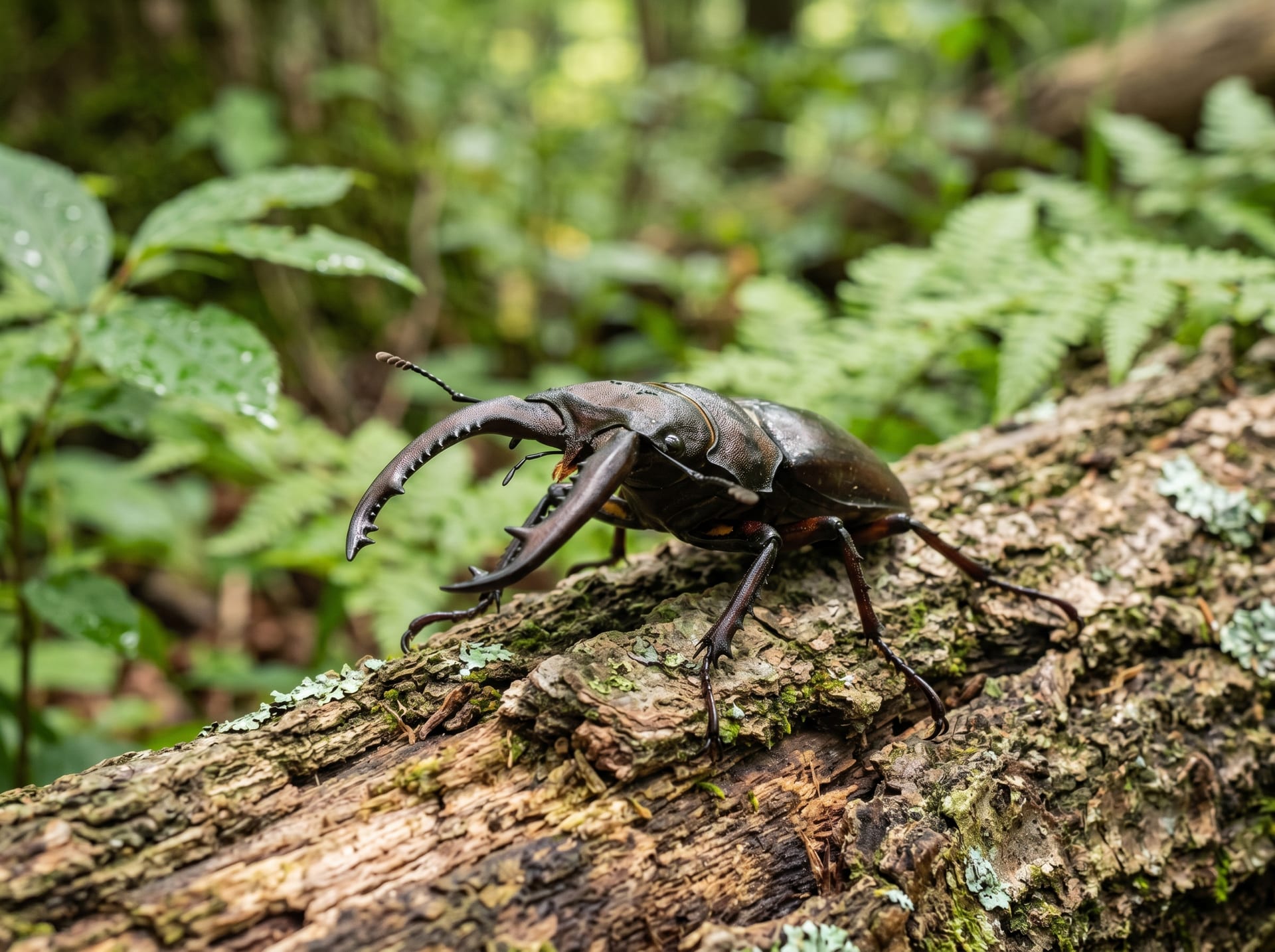
鋸鍬形蟲
鋸鍬形蟲是一種以彎曲的大顎為特徵的日本代表性鍬形蟲,廣泛棲息於夏季雜木林中。雄性個體的大顎形狀因個體而異,具有很高的蒐集價值,從初學者到高級愛好者都很受歡迎。相對來說比較強壯,容易飼養,也是鍬形蟲入門種的最佳選擇。
View 鋸鍬形蟲 encyclopedia →成交手續費 0%!2026年9月30日前註冊,前 2 筆成交免佣金!
繁殖者 招募中!
在 BreederDirect 上架,直接銷售給全國各地的客戶!
BreederDirect 承諾的 6 個透明度要點
刊登昆蟲時,繁殖者會明示以下資訊。我們保證成長階段與繁殖配對的透明性。
- 階段明示
- 代數明示
- 實物照片
- 繁殖單位
- 原產國
- 體長明示
查看全部26個品種
昆蟲分類正在招募認證繁殖者
繁殖者正在陸續註冊,即將上架。設定上架通知,不錯過新商品。
「接收上架通知」需免費註冊會員即可設定。當有符合您儲存條件的新商品上架時,我們會以郵件和站內通知提醒您。
鋸鍬形蟲的基本資料
- 飼養難度
- 適合新手
- 壽命
- Adult 2-3 months
- 體型
- Up to 70mm
- 適宜溫度
- 20〜28℃
- 飲食
- Beetle jelly
- Temperature
- 20-28°C
- Keeping
- Very easy to keep
- Collecting
- Can be collected at tree sap in summer
- Breeding
- Lays eggs in substrate. Easy to breed
- Notes
- Short adult lifespan — active only in summer
關於鋸鍬形蟲
鋸鍬形蟲(Prosopocoilus inclinatus)分布於北海道至九州、屋久島的日本全國各地,是典型的國產鍬形蟲。顧名思義,雄性個體的大顎上排列著細小的鋸齒狀內齒,形狀隨體長而大幅變化,這是其最大的特徵。大型個體擁有優美彎曲的「水牛型」大顎,小型個體則為直線條的小齒「短齒型」,同種個體間表現出驚人的多樣性。夜行性,夏日夜晚聚集在槲樹和柞樹樹液處的身影對許多人來說是原始回憶般的場景。飼養方面相對強壯,溫度管理也不需要過於謹慎,是適合作為國產鍬形蟲入門種。產卵和幼蟲飼養的難度適中,可以體驗繁殖的樂趣。這是一個有魅力的種類,可以在欣賞每個個體不同大顎形狀的同時,近距離感受日本昆蟲文化。
經營鋸鍬形蟲的精選繁殖者
查看全部鋸鍬形蟲繁殖者列表(1)→迎接鋸鍬形蟲前需要了解的7件事
1大顎形狀個體差異大
鋸鍬形蟲的雄性個體大顎形狀隨體長而大幅變化,大型個體呈現彎曲明顯的「水牛型」,小型個體則為直線型的「短齒型」。同種個體之間外形差異大,這正是這個種類的魅力之一。
2幼蟲期間需要1〜2年
鋸鍬形蟲幼蟲成長相對緩慢,從幼蟲到成蟲羽化一般需要1〜2年。要獲得飼養成蟲羽化的樂趣,需要制定長期的飼養計畫。通常用菌絲瓶或發酵墊料進行管理。
3成蟲壽命較短。
羽化後成蟲的活動壽命約為3〜6個月左右,在國產鍬形蟲中屬於相對短命的種類。由於無法越冬,如果想長期欣賞成蟲,羽化時期的管理就變得很重要。
4產卵需要選擇合適的墊材
雌性個體有在腐爛木根部附近或軟的腐葉土墊料中產卵的習性。產卵設置的關鍵是要將充分發酵的產卵墊料緊實填入,並配合使用產卵木也很有效。產卵數量因個體而異,一次產卵通常是20〜50枚左右。
5溫度管理改變活動期
鋸鍬形蟲雖然耐高溫,但如果環境溫度持續超過30℃,會容易耗盡體力。成蟲的最適飼養溫度約為20〜28℃,夏季應避免直射日光,在通風良好的地方飼養是基本原則。
6公蟲和母蟲的混養需要謹慎
交配後如果長期讓公蟲和母蟲同居,公蟲可能會傷害母蟲。確認交配完成後,應將公蟲和母蟲分開飼養,或在較大的容器中設置多個隱蔽處,可以降低這種風險。
7初期投資成本相對較低
飼育容器、底材、昆蟲果凍、防翻轉墊等初期套件價格從幾千日元起就能配齊。成蟲對的價格根據從飼養者處購買的品種和個體大小而異,但由於是國產品種,價格相對實惠。如果從幼蟲開始飼養,還需考慮菌瓶和發酵墊的持續成本。
鋸鍬形蟲的常見問題
- Q.鋸鍬形蟲成蟲能活多久?
- A.羽化後的活動期約為3〜6個月。由於不能越冬,在夏季開始活動的個體通常在該年的秋冬季節達到壽命終點。
- Q.幼蟲應該用什麼來飼養?菌絲瓶和墊料哪種更適合?
- A.兩種方法都可行,但鋸形鍬形蟲的幼蟲用墊料(發酵鋸末)飼養實績豐富,易於管理是其特點。使用菌絲瓶則容易產出大個體,但因與菌種的相容性問題,初心者建議先從發酵墊料開始。
- Q.公蟲和母蟲可以在同一個飼養箱裡一起飼養嗎?
- A.短期同居或為了交配可以接受,但長期同居有公蟲傷害母蟲的風險。確認交配後應迅速分開,或在設置了多個隱蔽處的寬敞飼養箱中飼養會更安心。
- Q.野生個體和人工飼養的個體有什麼區別?從飼養者購買有什麼優點?
- A.飼養者出品的個體具有清晰的羽化日期和親代血統信息,管理狀態也很到位,因此長期飼養往往更容易。另外,野外採集可能因採集地點和季節的不同而受到法律限制,所以購買是更安心的選擇。
- Q.為了讓牠們產卵,應該準備什麼樣的環境?
- A.準備用充分發酵的產卵墊料填充的飼養箱,深度要達到15cm以上,並填充緊實。埋入產卵木(選擇較軟的栲樹材)能讓產卵更容易。保持溫度在25℃左右,將飼養箱放在黑暗安靜的環境中,可以促進產卵。
適合飼養鋸鍬形蟲的實用工具
在圖鑑中詳細了解鋸鍬形蟲
查看鋸鍬形蟲的圖鑑條目 →
收錄飼養難度、壽命、體長、食性等基礎資料。