成交手續費 0%!2026年9月30日前註冊,前 2 筆成交免佣金!
繁殖者 招募中!
在 BreederDirect 上架,直接銷售給全國各地的客戶!
BreederDirect 承諾的 6 個透明度要點
刊登昆蟲時,繁殖者會明示以下資訊。我們保證成長階段與繁殖配對的透明性。
- 階段明示
- 代數明示
- 實物照片
- 繁殖單位
- 原產國
- 體長明示
查看全部26個品種
昆蟲分類正在招募認證繁殖者
繁殖者正在陸續註冊,即將上架。設定上架通知,不錯過新商品。
「接收上架通知」需免費註冊會員即可設定。當有符合您儲存條件的新商品上架時,我們會以郵件和站內通知提醒您。
日本獨角仙的基本資料
- 飼養難度
- 適合新手
- 壽命
- 成蟲2~3個月 / 幼蟲約10個月
- 體型
- 30~80mm(包含雄性角)
- 適宜溫度
- 20〜28℃
- 飲食
- 昆蟲果凍(成蟲)/ 腐葉土、發酵墊材(幼蟲)
- 飼育容器
- 中型塑膠盒。墊材深度15cm以上
- 產卵
- 在發酵墊材中產卵。一隻雌蟲可產20~30個卵
- 幼蟲管理
- 每2~3個月更換一次墊材。欲培育大型個體,應使用營養豐富的墊材
- 注意事項
- 成蟲之間容易打鬥,需加以注意。飼育多隻雌蟲時也要設置防翻倒材料
關於日本獨角仙
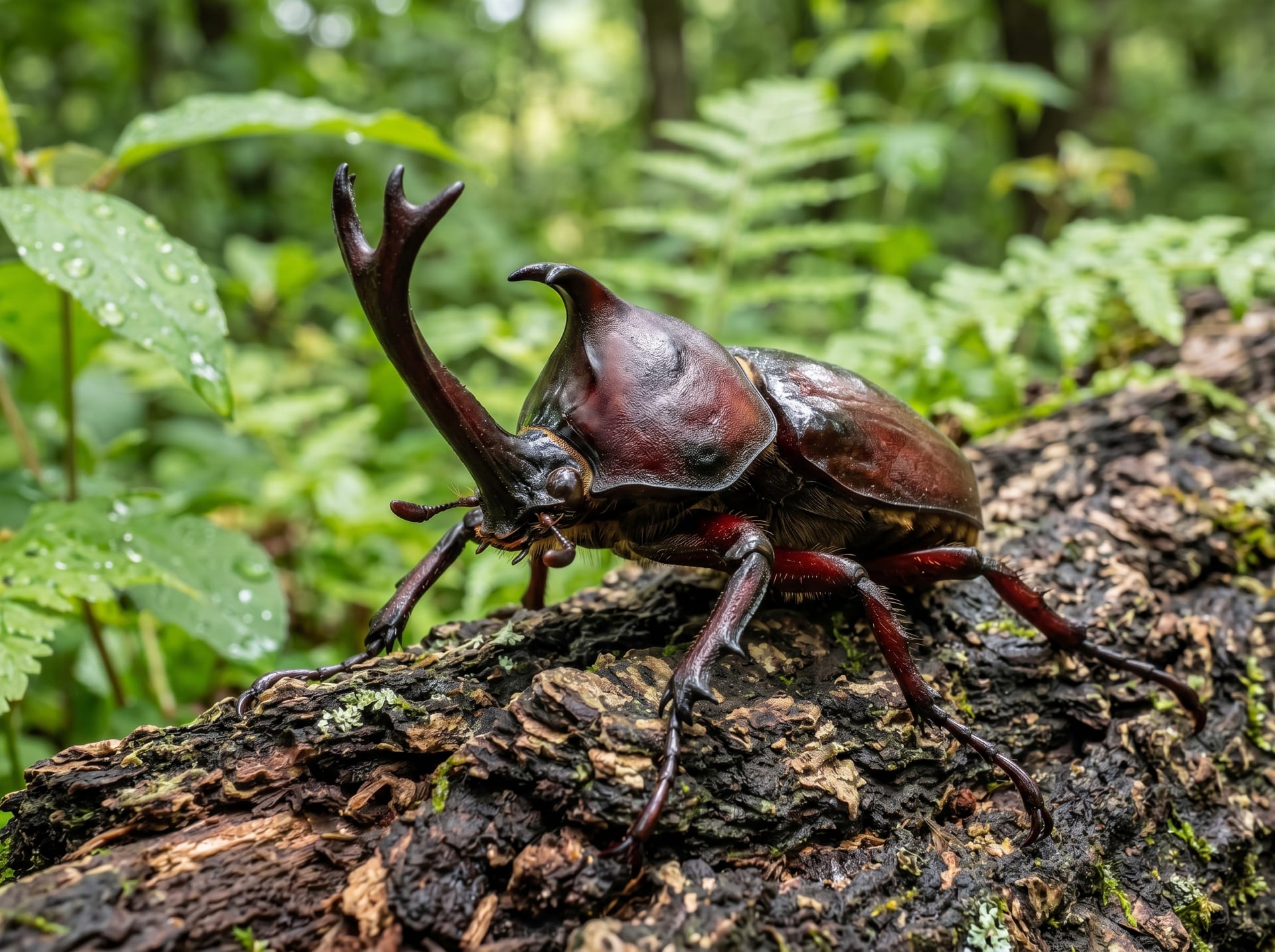
國產獨角仙(Trypoxylus dichotomus)屬於鞘翅目金龜子科,是日本最大級別的甲蟲之一,自古以來就作為夏季的象徵而備受喜愛。雄蟲頭部和胸部有Y形的角,在爭奪樹液的領地中靈巧地使用這些角。體長方面,雄蟲約50~80mm,雌蟲沒有角,大小約30~60mm前後,體型略小。特徵是具有黑色~赤褐色有光澤的外骨骼,根據採集地和個體差異,顏色範圍較廣。幼蟲食用腐葉土或發酵墊料,花費約1年時間成長,經過蛹期後在初夏羽化。成蟲的飼養相對容易,只要有昆蟲果凍和恰當的墊料、溫度管理,初學者也能放心地享受飼養。從卵到成蟲的整個生命週期都能在手邊觀察到,這既是孩子自然學習的好材料,也是成年人進行高級累代飼養的熱門對象,因此備受歡迎。
經營日本獨角仙的精選繁殖者
查看全部日本獨角仙繁殖者列表(4)→迎接日本獨角仙前需要了解的7件事
1飼育容器的選擇方法
一隻成蟲需要至少30公分寬的飼養盒為宜。雄性個體容易激烈打鬥,若要混養則需確保充足的空間,或考慮單獨飼養。使用透氣的帶蓋飼養盒防止逃脫。
2墊材的深度與選擇
成蟲飼育通常鋪5~10公分厚的昆蟲墊材(闊葉樹系)。母蟲為了產卵喜歡較深的墊材,如果想促進產卵,建議鋪深度15公分以上。墊材需定期更換以保持清潔。
3溫度和濕度管理
適宜溫度為20~28℃,超過30℃容易導致體力消耗。通過噴霧保持墊材濕度,表面保持濕潤程度即可。高溫高濕的密閉環境容易滋生蟎蟲。
4飼料與給水方法
市售昆蟲果凍(高蛋白型)既便捷又衛生。西瓜和水果也可接受,但含水量高容易導致墊材腐爛,需注意不要過量投喂。需每日檢查飼料,及時清理食物殘渣。
5成蟲的壽命與季節性
成蟲的壽命大約在羽化後1~3個月左右,野生環境下僅限於夏季。在人工飼養條件下也很難長期保活,需要接納其生命短暫這一事實。如果從幼蟲開始飼養,可以觀察到翌年夏季。
6幼蟲飼育的基礎知識
幼蟲通過食用腐葉土或發酵墊料而生長。在幼蟲發育到三齡階段前,需要進行數次墊料更換,並始終保持充足的墊料量。由於幼蟲用手直接接觸容易沾染細菌,因此最好使用手套,避免過度翻動是基本原則。
7費用估算
初期費用包括容器、墊料、飼食台和果凍,大約需要2,000~5,000日圓。從繁殖者購買的成蟲價格因個體和產地而異,稀有地域種或大型個體可能更昂貴。從幼蟲開始飼養更容易控制成本,且具有豐富的學習價值。
日本獨角仙的常見問題
- Q.兜蟲能活多少年?
- A.成蟲的壽命約為1~3個月,不進行越冬。包括幼蟲期在內,從卵到成蟲的完整生活周期約為1年。
- Q.公蟲和母蟲可以一起飼養嗎?
- A.如果目的是繁殖,可以一起飼養,但交配後為了減少母蟲的壓力,分開管理會提高產卵率。此外,公蟲之間的同居會引發激烈爭鬥,應避免。
- Q.幼蟲飼養很難嗎?
- A.基本上,只要把幼蟲放在裝有深厚發酵墊料的容器中,就能輕鬆飼養。注意墊料老化、乾燥和果蠅,每2〜3個月更換一次墊料,即使是初學者也能養到羽化。
- Q.擔心臭味和衛生問題,沒問題嗎?
- A.只要妥善管理,就幾乎不會產生強烈的臭味。在密封性高的容器中管理發酵墊料,定期更換可以抑制果蠅的產生。昆蟲果凍也要每2〜3天更換一次,就能保持清潔。
- Q.從飼養者那裡購買有什麼好處?
- A.飼養者的個體羽化日期和健康狀態明確,與野外採集品相比,寄生蟲風險較低。此外,由於能直接獲得飼養建議,即使是初學者也能安心開始。
適合飼養日本獨角仙的實用工具
在圖鑑中詳細了解日本獨角仙
查看日本獨角仙的圖鑑條目 →
收錄飼養難度、壽命、體長、食性等基礎資料。