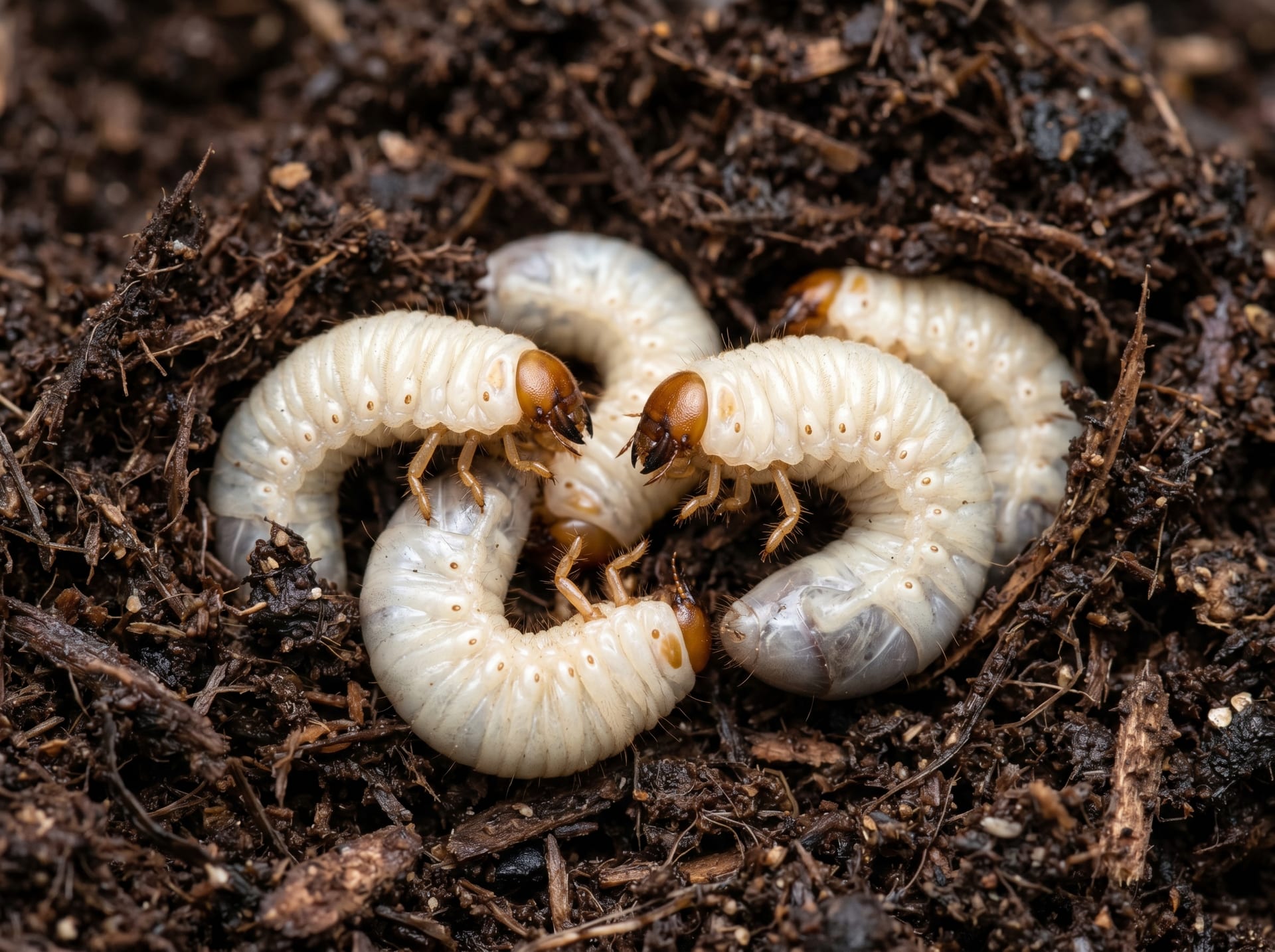
Larvae represent one of the most critical stages in an insect's life cycle, growing through repeated molts before eventually reaching adulthood. Beetle and stag beetle larvae feed on leaf mold or decaying wood, slowly building their bodies over months. With the right setup, rearing larvae is a rewarding introduction to insect breeding and multi-generation keeping.
前 3 筆銷售免佣金!於 2026 年 7 月 31 日前註冊成為繁殖者,前 3 筆銷售免收佣金!
繁殖者 招募中!
在 BreederDirect 上架,直接銷售給全國各地的客戶!
刊登昆蟲時,繁殖者會明示以下資訊。我們保證成長階段與繁殖配對的透明性。
繁殖者正在陸續註冊,即將上架。設定上架通知,不錯過新商品。
「接收上架通知」需免費註冊會員即可設定。當有符合您儲存條件的新商品上架時,我們會以郵件和站內通知提醒您。
想上架昆蟲嗎?
註冊成為繁殖者,即可與買家直接聯繫。
價格區間
地區
屬性
The history of larval keeping is closely tied to the rise of rhinoceros and stag beetles as iconic summer companions for Japanese children from the mid-Showa era onward. Early hobbyists relied on simple leaf compost gathered from forests, but the widespread adoption of mycelium bottles and high-quality fermented substrates from the 1990s onward brought dramatic advances in producing larger, healthier adults. Physically, larvae are recognized by their plump, white, C-shaped bodies; depending on species, they can measure anywhere from a few centimeters to well over ten. While they lack the personality of vertebrate pets, the raw determination with which they tunnel through substrate—and the dramatic transformations of molting and pupation—holds a captivating appeal. Witnessing the precise moment a fully formed adult emerges from its pupal chamber is an experience few other animals can match. From seasoned breeders managing multi-generational bloodlines to children discovering insects for the first time, larval keeping offers something rewarding at every level.
1Diet Varies by Species
Rhinoceros beetle larvae thrive in fermented leaf-mold substrate, while stag beetle larvae typically prefer fungal mycelium bottles or decaying wood. Confirm the species before purchasing so you can prepare the correct food source. Feeding the wrong substrate often leads to poor growth or death.
2Container Size Matters
As larvae grow, they need more space to build a pupal chamber before metamorphosis. A container that is too small may prevent proper pupation and lead to deformed adults. Choose bottle or container sizes appropriate for the species and larval instar (stage).
3Substrate Swaps and Temperature
Mycelium bottles and substrate mats degrade over time and should be replaced roughly every two to four months. Most species prefer temperatures between 15 and 25 degrees Celsius. Excessive heat can kill the fungal mycelium and stress the larvae, so summer temperature management is especially important.
4Minimize Disturbance
Larvae live quietly underground and are easily stressed by frequent disturbance. Digging them out—especially near or during pupation—can cause malformation during emergence. Observe from outside the container whenever possible and avoid unnecessary handling.
5Care Changes by Instar
Larvae pass through first, second, and third instar stages after hatching, and each stage calls for different container sizes and substrate types. Placing a tiny first-instar larva in a large mycelium bottle can result in the fungus overwhelming the larva. Tracking the growth stage helps you make the right care decisions.
6Costs Vary Widely by Species
Common rhinoceros beetle larvae are relatively affordable, but rare stag beetle or exotic species larvae can cost thousands of yen or more. Ongoing expenses such as mycelium bottles and temperature-control equipment add up over time. Since the larval stage lasts longer than adulthood, plan for sustained costs before committing.
7Wait Before Handling Adults
Even after the adult successfully emerges, it needs several weeks inside the pupal chamber for its exoskeleton to fully harden. Digging it out too soon can deform the wings or weaken the insect. Once you confirm emergence, wait patiently until the beetle begins feeding before removing it.