Verified 繁殖者s wanted for Hercules Beetle | Notify me on launch | BreederDirect
海格力斯長戟大兜蟲的基本資料
飼養難度
適合中級者
壽命
Adult 6-12 months, larva 1-2 years
體型
Up to 180mm (including horn)
飲食
Beetle jelly (adult), fermented substrate (larva)
Temperature
20-25°C (heat-sensitive)
Larval period
1-2 years. Large container needed
Substrate
Larvae consume large amounts of fermented substrate
Emergence
Do not disturb pupal chamber
Notes
Temperature control is critical — use wine cooler etc.
特徵Worlds largestKing of beetlesDream speciesTemperature critical
關於海格力斯長戟大兜蟲
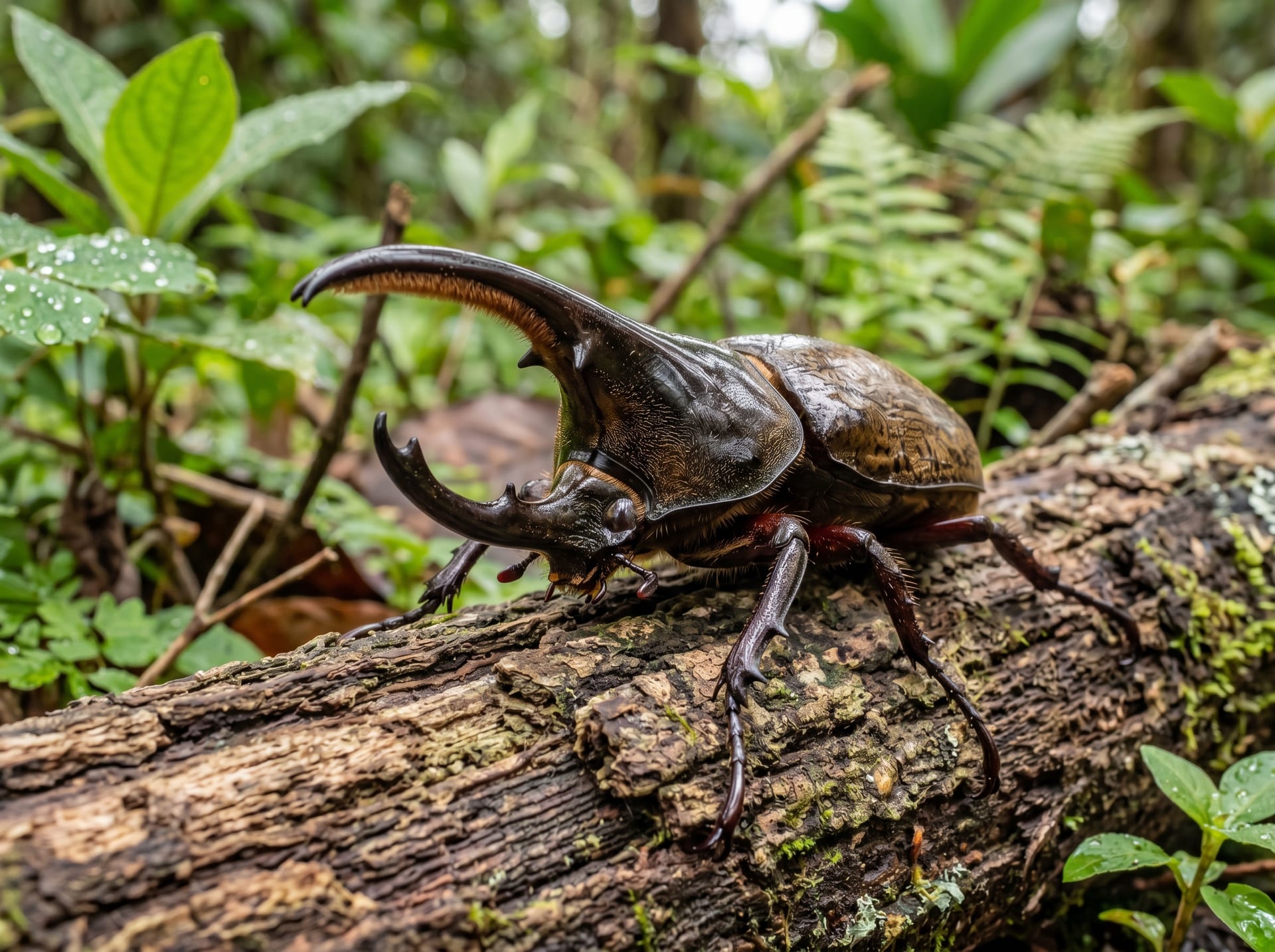
The Hercules Beetle, known scientifically as Dynastes hercules, is the world's largest beetle species native to the tropical rainforests of Central and South America. Its name, drawn from the legendary hero of Greek mythology, reflects the awe-inspiring presence this insect commands. The distinctive crossed horns of the male — one from the head, one from the thorax — are unique among beetles, with the largest individuals exceeding 180mm in total length. Body coloration varies significantly between individuals and can shift between black and yellowish-brown depending on humidity levels. Temperamentally, Hercules Beetles are relatively calm and move more slowly than many other species, making them easier to observe. The true reward of keeping this species lies in witnessing complete metamorphosis from larva to adult. After 1–2 years of careful substrate management, watching a larva pupate and finally emerge as a magnificent adult beetle is a moment of genuine wonder — even for seasoned keepers. It remains one of the most celebrated species in the beetle-keeping hobby worldwide.
迎接海格力斯長戟大兜蟲前需要了解的7件事
1Enclosure Size
Adult males require a large enclosure such as a 60-liter or bigger container to accommodate their impressive horn length. Ensure the height is sufficient to prevent horn damage during movement. Cramped spaces increase the risk of escape attempts and injury from tipping over.
2Long Larval Stage
The larval stage lasts one to two years, during which you will need to regularly replace fermented substrate. Temperatures that are too high can accelerate development and lead to molting defects, so maintaining a stable environment around 20–25°C is ideal. This species suits keepers who enjoy the long-term process of rearing.
3Larval Diet and Care
Larvae feed on fermented substrate and require high-quality, well-composted mat to grow properly. Maintaining appropriate moisture is crucial — the substrate should feel damp but not waterlogged. Change the mat every three to four months, or sooner if frass accumulates heavily.
4Adult Lifespan and Activity
Adult Hercules Beetles live approximately six to twelve months after eclosion, somewhat shorter than Japanese rhinoceros beetles. They are nocturnal and most active in the evening, so daytime observation may show little movement. After eclosing, they often burrow into substrate before beginning to feed — allow them time to acclimate without disturbance.
5Adult Diet and Nutrition
Adult beetles primarily eat insect jelly, preferably high-protein or high-sugar varieties. Some keepers supplement with fruit such as banana or peach, but this can soil the enclosure quickly and requires vigilant hygiene management. Always keep food available, as running out of food can shorten their lifespan.
海格力斯長戟大兜蟲的常見問題
Q.Is it better to start with a larva or an adult?
A.Starting with an adult is generally recommended for beginners. Larval rearing requires 1–2 years of careful management, and mistakes in substrate quality or temperature can directly affect size and survival. It's easier to gain experience with adults first before attempting larval care.
Q.Is air conditioning absolutely necessary for keeping this species?
Both adults and larvae thrive at temperatures of around 20–25°C, meaning supplemental heating or cooling may be necessary during Japanese summers and winters. Keep substrate humidity at a level where it feels slightly damp to the touch, avoiding both over-drying and waterlogging. Prolonged heat above 28°C can be stressful and weaken the beetle.
7Initial and Ongoing Costs
Hercules Beetles command relatively high prices due to their rarity, with larvae ranging from several thousand to tens of thousands of yen, and large adult males often priced even higher. Factor in initial costs for an enclosure, fermented substrate, jelly, and temperature-control equipment. Rearing from larva is rewarding but requires budgeting for ongoing care over one to two years.
A.It is not strictly required, but summer temperatures above 30°C significantly raise the risk of health problems and death. Some keepers use cooler boxes or ice packs as alternatives, but air conditioning offers the most stable and reliable temperature control for year-round care.
Q.Can males and females be kept together?
A.Separate enclosures are recommended except during intentional mating. The male's large horn can injure the female, and repeated mating can exhaust the female and shorten her lifespan. After mating is complete, separate them promptly.
Q.Is it safe to keep this beetle with children around?
A.Hercules Beetles are non-venomous and do not have a strong bite, so children can handle them with appropriate adult supervision. However, the delicate horn can break if handled incorrectly, so adults should teach proper holding technique before allowing children to interact with the beetle.
Q.What environment is needed to encourage egg-laying?
A.Provide a mated female with a container filled with fermented substrate to a depth of at least 20cm. Maintain appropriate moisture levels and ensure the substrate is deep enough for the female to burrow. After egg-laying, remove the female and leave the substrate undisturbed until the eggs hatch.