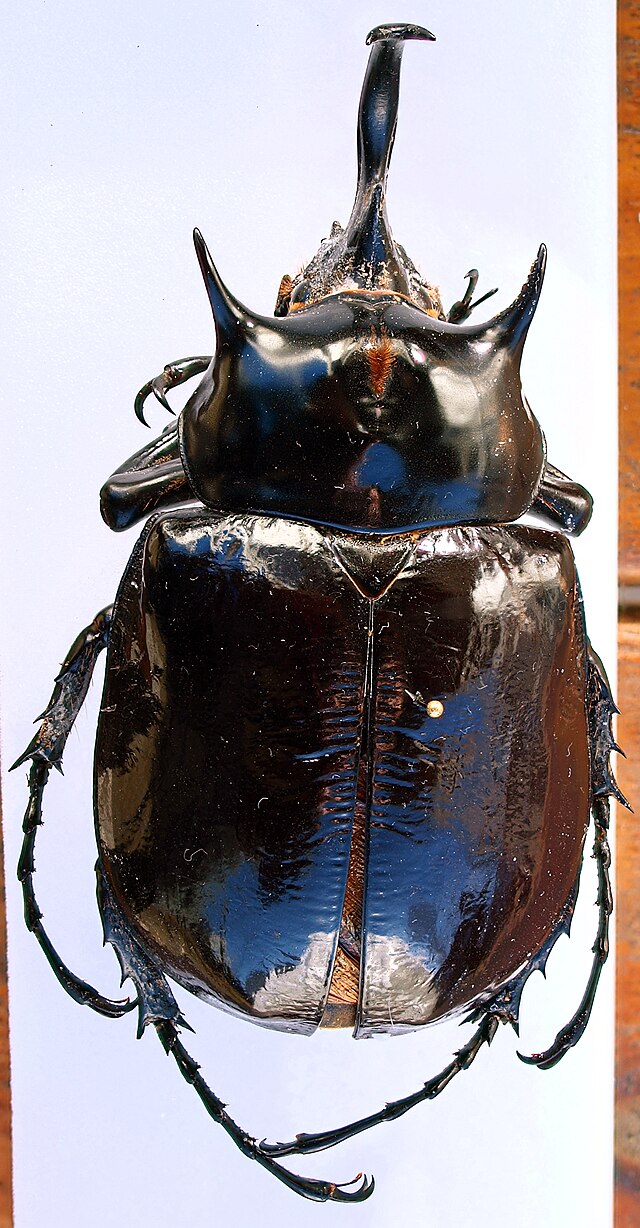
 © JohnSka / CC BY-SA 3.0
馬爾斯象兜蟲
The Mars Elephant Beetle is a large elephant beetle species native to Brazil in South America, prized for its glossy black armor and powerful, sweeping horns. Adults grow to an impressive 70-130mm, giving them a commanding presence that beetle enthusiasts find hard to resist. Their temperament tends to be calm, especially when housed alone, but successfully raising larvae through to adulthood requires careful attention to temperature and humidity, making this a species best suited to experienced keepers. Adults feed mainly on insect jelly and typically live 3 to 6 months. For keepers who enjoy observing a truly imposing beetle up close, this species delivers.
View 馬爾斯象兜蟲 encyclopedia →成交手續費 0%!2026年9月30日前註冊,前 2 筆成交免佣金!
繁殖者 招募中!
在 BreederDirect 上架,直接銷售給全國各地的客戶!
BreederDirect 承諾的 6 個透明度要點
刊登昆蟲時,繁殖者會明示以下資訊。我們保證成長階段與繁殖配對的透明性。
- 階段明示
- 代數明示
- 實物照片
- 繁殖單位
- 原產國
- 體長明示
查看全部296個品種
昆蟲分類正在招募認證繁殖者
繁殖者正在陸續註冊,即將上架。設定上架通知,不錯過新商品。
「接收上架通知」需免費註冊會員即可設定。當有符合您儲存條件的新商品上架時,我們會以郵件和站內通知提醒您。
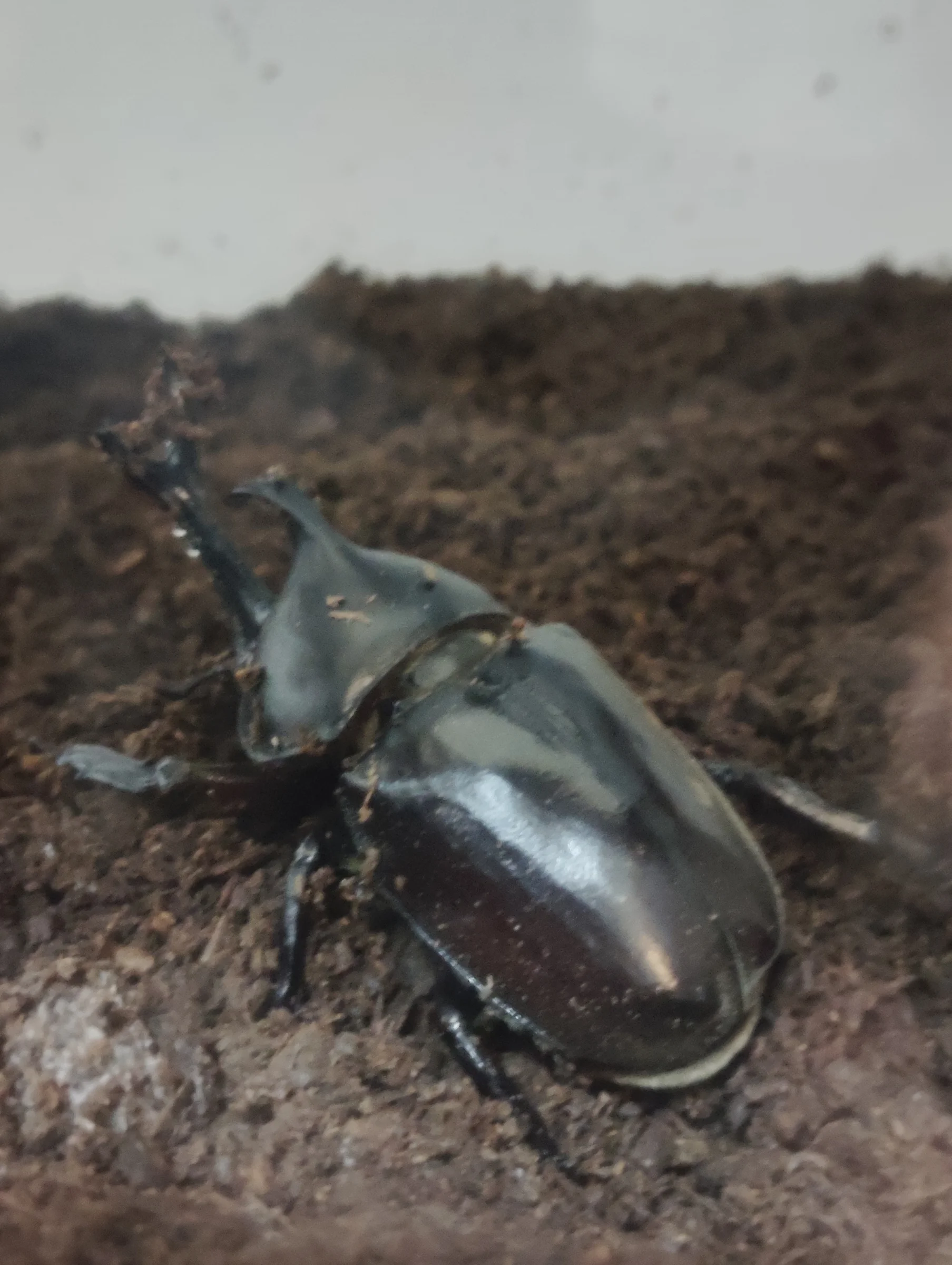
關於馬爾斯象兜蟲
Mars Elephant Beetle: a large Brazilian elephant beetle with glossy black armor and powerful horns. Adults reach 70-130mm and live 3-6 months. Best suited to experienced keepers.
迎接馬爾斯象兜蟲前需要了解的7件事
1Best for Experienced Keepers
Raising Mars Elephant Beetle larvae to adulthood calls for careful control of humidity and substrate, especially if you're aiming to breed them. First-time beetle keepers may want to build experience with an easier species before taking this one on.
2Adult Lifespan: 3-6 Months
Adult Mars Elephant Beetles typically live for around 3 to 6 months. When you bring one home, it helps to consider how much of that adult life it has already lived, and to make the most of the time you have together.
3Size Varies: 70-130mm
Adults range from 70 to 130mm, so individual beetles can look quite different in scale and presence. Horn length also varies from beetle to beetle, so it's worth seeing the actual individual or photos before deciding.
4House Them Individually
Males in particular are strong and can injure each other's legs and horns if housed together. Keep each beetle in its own enclosure with plenty of room to move.
5Diet: Insect Jelly
Their main food is insect jelly, ideally a type close to natural tree sap in composition. Leftover jelly can attract mold and pests, so replace it regularly to keep the enclosure clean.
6A Bold, Glossy Black Build
A glossy black, heavily armored body paired with thick, powerful horns is this species' signature look. Sturdy legs and antennae add to its substantial, imposing presence compared to many other beetles.
7Temperature & Humidity Matter
As a South American species, it does best in a stable environment that avoids extremes of heat and humidity. Check the enclosure placement and substrate condition regularly as the seasons change.
馬爾斯象兜蟲的常見問題
- Q.Is this beetle suitable for beginners?
- A.The Mars Elephant Beetle is considered a species for experienced keepers. Successfully raising the larvae and managing their environment takes some know-how, so first-time keepers may want to start with an easier species.
- Q.Can I keep multiple beetles together?
- A.Males are strong and can injure each other's legs and horns if kept in the same enclosure. It's best to house each beetle individually.
- Q.What should I feed it?
- A.Insect jelly is their main food source. Replace leftovers regularly, since uneaten jelly can attract mold and pests.
- Q.How long do adults live?
- A.Adults typically live for about 3 to 6 months. It's worth keeping that timeframe in mind and making the most of the time with your beetle.
- Q.Is this species subject to CITES?
- A.The Mars Elephant Beetle is not subject to CITES.
適合飼養馬爾斯象兜蟲的實用工具
在圖鑑中詳細了解馬爾斯象兜蟲
查看馬爾斯象兜蟲的圖鑑條目 →
收錄飼養難度、壽命、體長、食性等基礎資料。