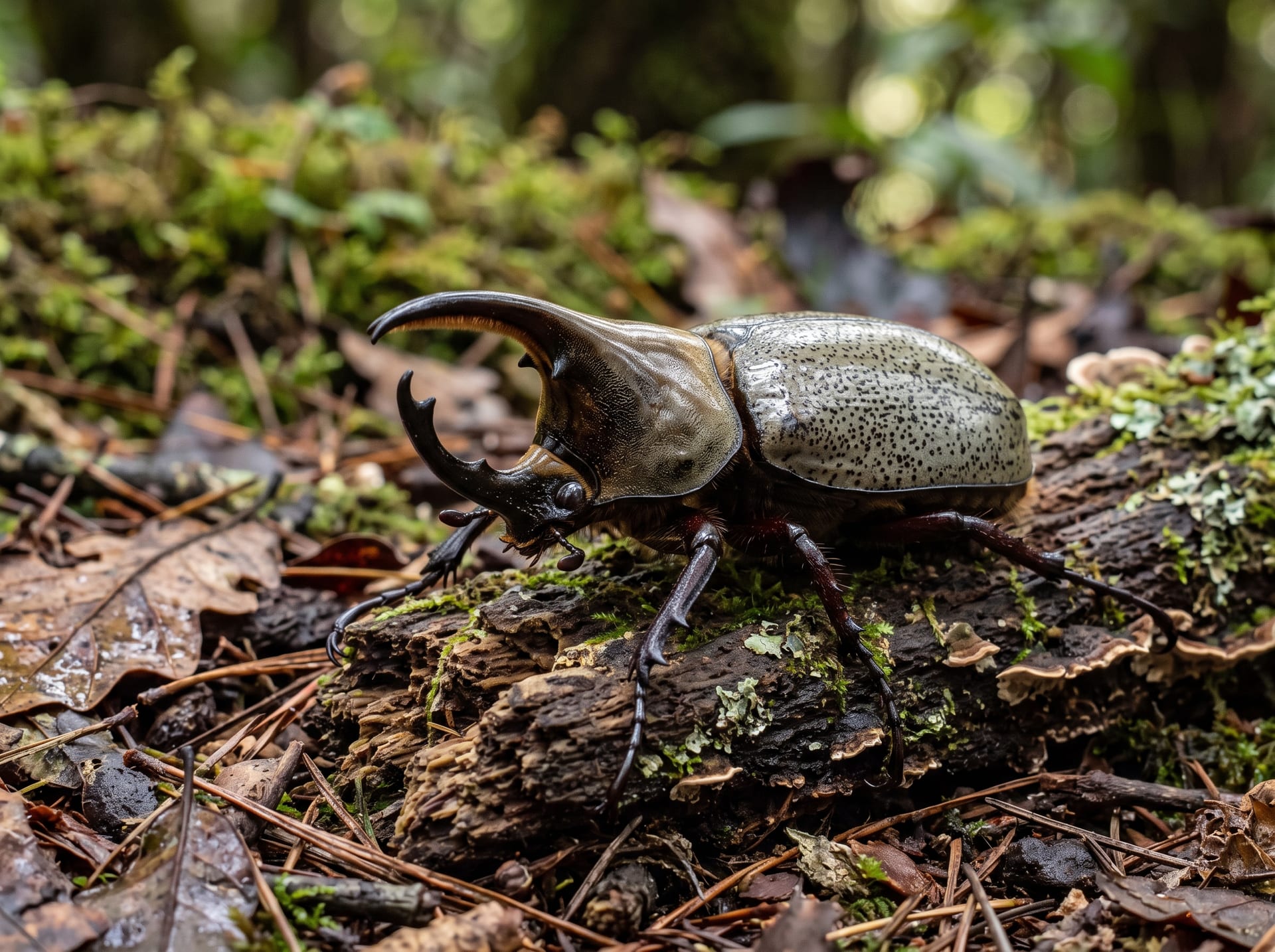
宮下象鼻蟲(Dynastes miyashitai)
Miyashita's Rhinoceros Beetle is a white-horned beetle native to Mexico's Pacific coast. Originally described as a subgroup within the Hilus complex, it was classified as a distinct species in 2004, though some taxonomies still treat it as synonymous with Hilus. Males display an impressive horn that makes them a striking sight, and the species is considered suitable for keepers with some prior beetle-keeping experience. It rewards those who enjoy observing its behavior closely over time.
View 宮下象鼻蟲(Dynastes miyashitai) encyclopedia →成交手續費 0%!2026年9月30日前註冊,前 2 筆成交免佣金!
繁殖者 招募中!
在 BreederDirect 上架,直接銷售給全國各地的客戶!
BreederDirect 承諾的 6 個透明度要點
刊登昆蟲時,繁殖者會明示以下資訊。我們保證成長階段與繁殖配對的透明性。
- 階段明示
- 代數明示
- 實物照片
- 繁殖單位
- 原產國
- 體長明示
查看全部296個品種
昆蟲分類正在招募認證繁殖者
繁殖者正在陸續註冊,即將上架。設定上架通知,不錯過新商品。
「接收上架通知」需免費註冊會員即可設定。當有符合您儲存條件的新商品上架時,我們會以郵件和站內通知提醒您。
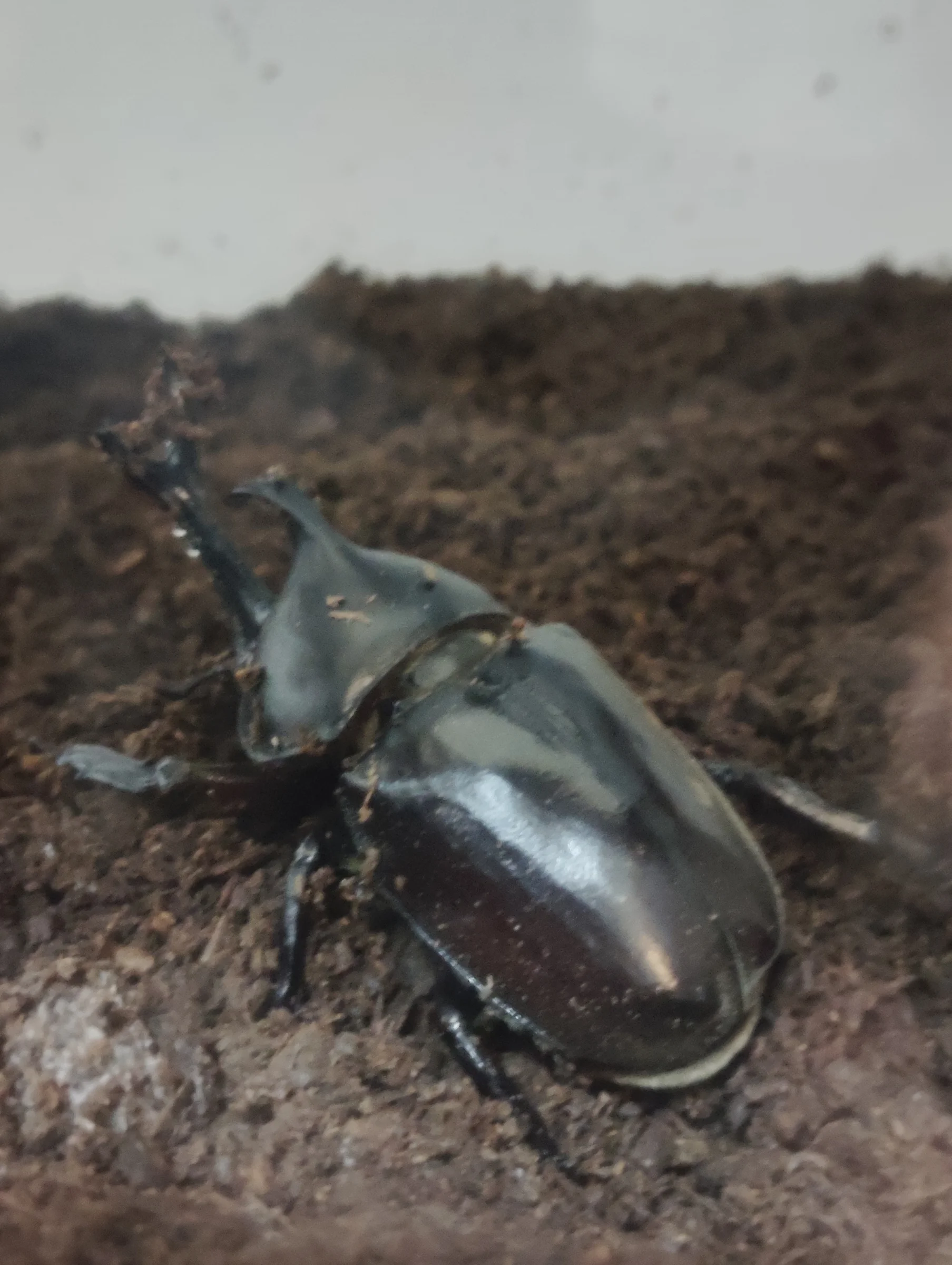
關於宮下象鼻蟲(Dynastes miyashitai)
A white-horned beetle native to Mexico's Pacific coast, known for the male's striking horn and intermediate care requirements.
迎接宮下象鼻蟲(Dynastes miyashitai)前需要了解的7件事
1Know Its Taxonomic Background
This species was formally described in 2004 as distinct from the Hilus rhinoceros beetle, though some databases such as GBIF still list it as a synonym of Hilus. Because naming and classification can vary between sources, it helps to check appearance and locality information alongside the species name when acquiring one.
2Size Difference Between Sexes
Males range from 41 to 95mm, with larger individuals showing an especially impressive horn. Females are smaller and hornless, typically measuring 48 to 52mm with less size variation.
3Intermediate-Level Care
This species is rated as suitable for intermediate keepers. Prior experience with basic rhinoceros beetle husbandry makes day-to-day care — such as humidity management and feeding — considerably easier.
4Setting Up the Enclosure
Before bringing one home, prepare a suitable substrate depth and a setup where temperature and humidity can be managed consistently. Deciding on placement and care routines in advance makes the transition smoother once the beetle arrives.
5Keep Males Separated
As with rhinoceros beetles generally, housing multiple males together can lead to horn-driven conflicts. Keeping them individually — or pairing under careful supervision — is the standard approach.
6Daily Health Checks Through Observation
Monitoring activity level, feeding behavior, and substrate condition day to day is the foundation of good health management. Building this observation habit from the start makes it easier to notice changes early.
7Research Before You Bring One Home
Reviewing the listing details and asking the breeder questions about the individual's condition and rearing environment beforehand helps you feel confident. Since this species has some ambiguity in its classification, it's worth clarifying any questions before acquiring one.
宮下象鼻蟲(Dynastes miyashitai)的常見問題
- Q.Is Miyashita's Rhinoceros Beetle a different species from the Hilus beetle?
- A.It was described as a distinct species in 2004, but some databases such as GBIF still classify it as a synonym of the Hilus rhinoceros beetle. Its taxonomic status varies depending on the source.
- Q.How large do males grow?
- A.Males range from 41 to 95mm. Larger individuals tend to have more impressive horns, and this wide size variation is one of the species' notable traits.
- Q.Do females have horns too?
- A.Females do not have horns, and they are generally smaller than males, measuring 48 to 52mm with relatively little size variation.
- Q.Can beginners keep this species?
- A.This species is rated as suitable for intermediate keepers. Having some prior experience with rhinoceros beetle care makes ongoing management easier.
- Q.Are there any legal restrictions on this species?
- A.This species is not subject to CITES. There are no other legal restrictions to note in this regard.
適合飼養宮下象鼻蟲(Dynastes miyashitai)的實用工具
在圖鑑中詳細了解宮下象鼻蟲(Dynastes miyashitai)
查看宮下象鼻蟲(Dynastes miyashitai)的圖鑑條目 →
收錄飼養難度、壽命、體長、食性等基礎資料。