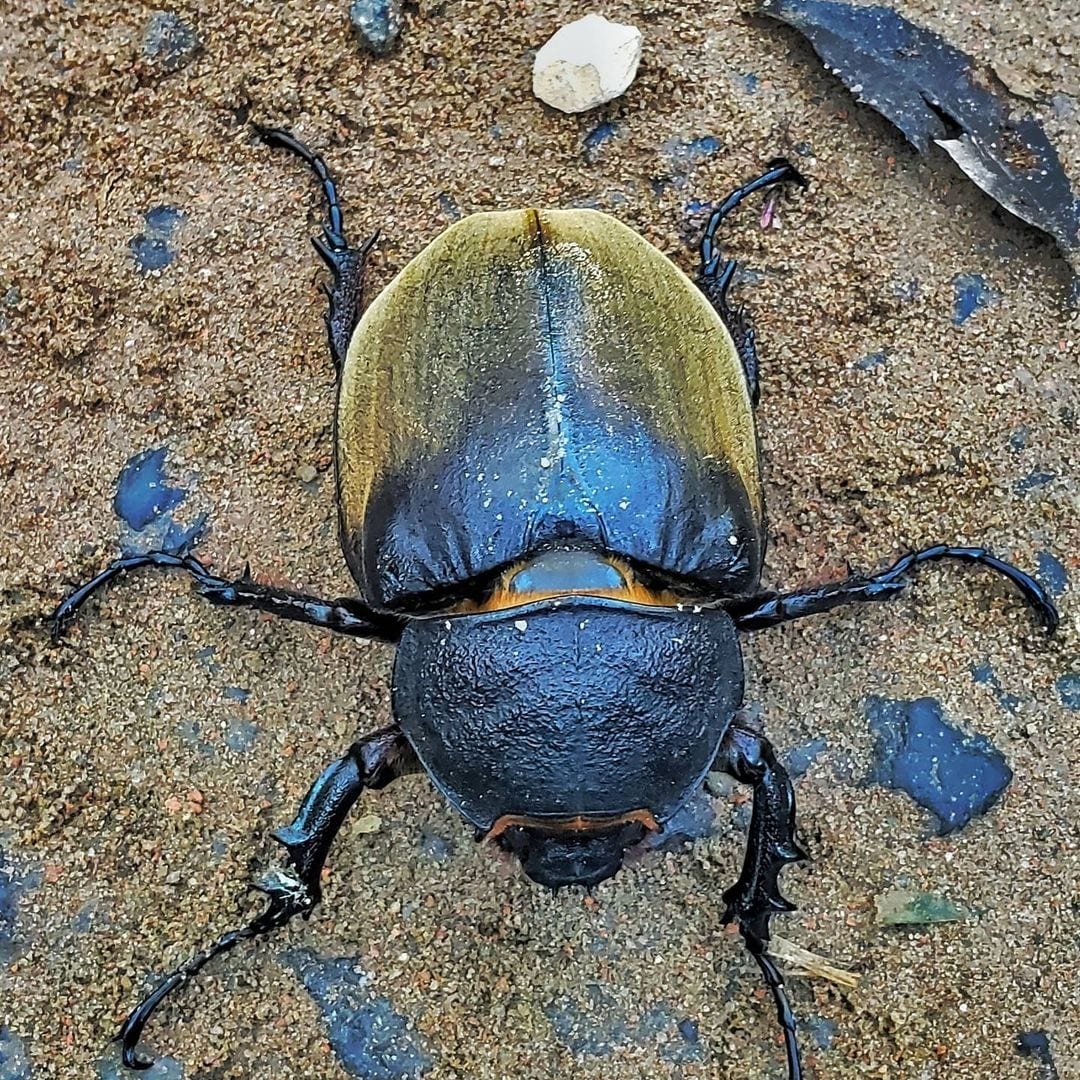
 © Gilmar R. Ferreira / CC BY-SA 4.0
阿努比斯象鼻蟲
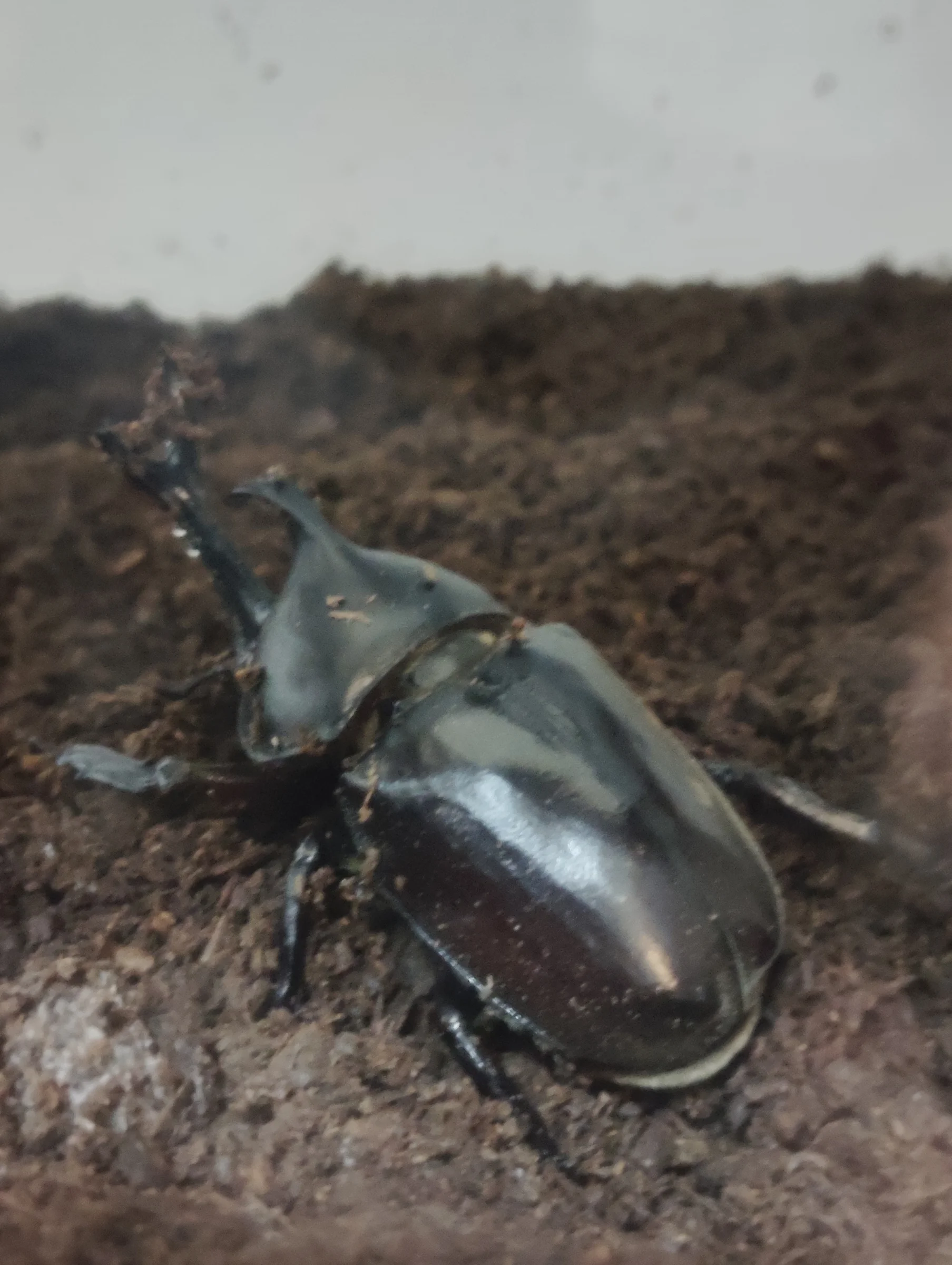
The Anubis Elephant Beetle is a hairy-type elephant beetle native to a range spanning southern Brazil to northern Argentina, its body covered in fine, velvety hair. Males carry a short horn on the thorax that splits into a broad fork at the tip, giving them a strikingly powerful look that has made them a favorite among beetle keepers. In the wild, larvae feed and develop inside palm inflorescences, spending one to two years in the larval stage before pupating — a slow, rewarding growth process to watch. Adults reach roughly 60–90.4mm (males) and 40–65mm (females). Given their size and the care their life stages require, this species is generally considered better suited to keepers with some prior beetle-rearing experience.
View 阿努比斯象鼻蟲 encyclopedia →成交手續費 0%!2026年9月30日前註冊,前 2 筆成交免佣金!
繁殖者 招募中!
在 BreederDirect 上架,直接銷售給全國各地的客戶!
BreederDirect 承諾的 6 個透明度要點
刊登昆蟲時,繁殖者會明示以下資訊。我們保證成長階段與繁殖配對的透明性。
- 階段明示
- 代數明示
- 實物照片
- 繁殖單位
- 原產國
- 體長明示
查看全部296個品種
昆蟲分類正在招募認證繁殖者
繁殖者正在陸續註冊,即將上架。設定上架通知,不錯過新商品。
「接收上架通知」需免費註冊會員即可設定。當有符合您儲存條件的新商品上架時,我們會以郵件和站內通知提醒您。
關於阿努比斯象鼻蟲
A hairy-type elephant beetle native to southern Brazil–northern Argentina. Males have a short, broadly forked horn. Larvae take 1–2 years to mature; adults reach 60–90.4mm (male) or 40–65mm (female). Suited to intermediate keepers.
迎接阿努比斯象鼻蟲前需要了解的7件事
1A Hairy-Bodied Beetle
The Anubis Elephant Beetle's whole body is covered in fine hair, giving it a distinctly velvety look among elephant beetles. Males also carry a short horn on the thorax with a broad, forked tip that adds to its powerful presence.
2Native Range and Origins
This species is found from southern Brazil through to northern Argentina. In the wild, larvae develop inside palm inflorescences, a habit tied closely to its native habitat.
3A Long, Slow Larval Stage
The larval stage lasts roughly one to two years, so growth takes patience. Don't expect a quick path to adulthood — steady, ongoing care is part of keeping this species.
4Size Differs by Sex
Adults reach about 60–90.4mm for males and 40–65mm for females, with males growing noticeably larger. The presence of a horn, along with the size gap, gives males and females a very different look.
5Best Suited to Experienced Keepers
Given the long larval period and the beetle's substantial size, this species is generally rated as suited to intermediate-level keepers. Some prior experience with beetle rearing will help you feel more confident.
6Handle the Horn and Legs Gently
Males have a horn on the thorax, and adults have strong legs, so avoid pulling or forcing them when handling. Having a horn doesn't mean the beetle is aggressive, but gentle handling is still the right approach.
7Prepare Housing Before You Bring One Home
Because this is a large-bodied species, it helps to set up an appropriately sized enclosure for both the larval and adult stages in advance. With a long larval period ahead, plan for a care routine you can sustain over time.
阿努比斯象鼻蟲的常見問題
- Q.How large does the Anubis Elephant Beetle get?
- A.Adults reach roughly 60–90.4mm for males and 40–65mm for females. Males grow larger and carry a horn, so the two sexes differ noticeably in both size and appearance.
- Q.How long does the larval stage last?
- A.The larval stage lasts about one to two years. In the wild, larvae develop inside palm inflorescences, and captive-raised larvae likewise take their time growing.
- Q.Is this beetle suitable for a first-time keeper?
- A.This species is generally considered suited to intermediate-level keepers. Some prior experience keeping beetles will help you care for it with more confidence.
- Q.How can you tell males and females apart?
- A.Males have a short horn on the thorax with a broad, forked tip, while females have no horn at all. Males also grow larger overall, making the sexes fairly easy to distinguish once they reach adulthood.
- Q.Are there any legal restrictions on keeping this species?
- A.The Anubis Elephant Beetle is not subject to CITES.
適合飼養阿努比斯象鼻蟲的實用工具
在圖鑑中詳細了解阿努比斯象鼻蟲
查看阿努比斯象鼻蟲的圖鑑條目 →
收錄飼養難度、壽命、體長、食性等基礎資料。