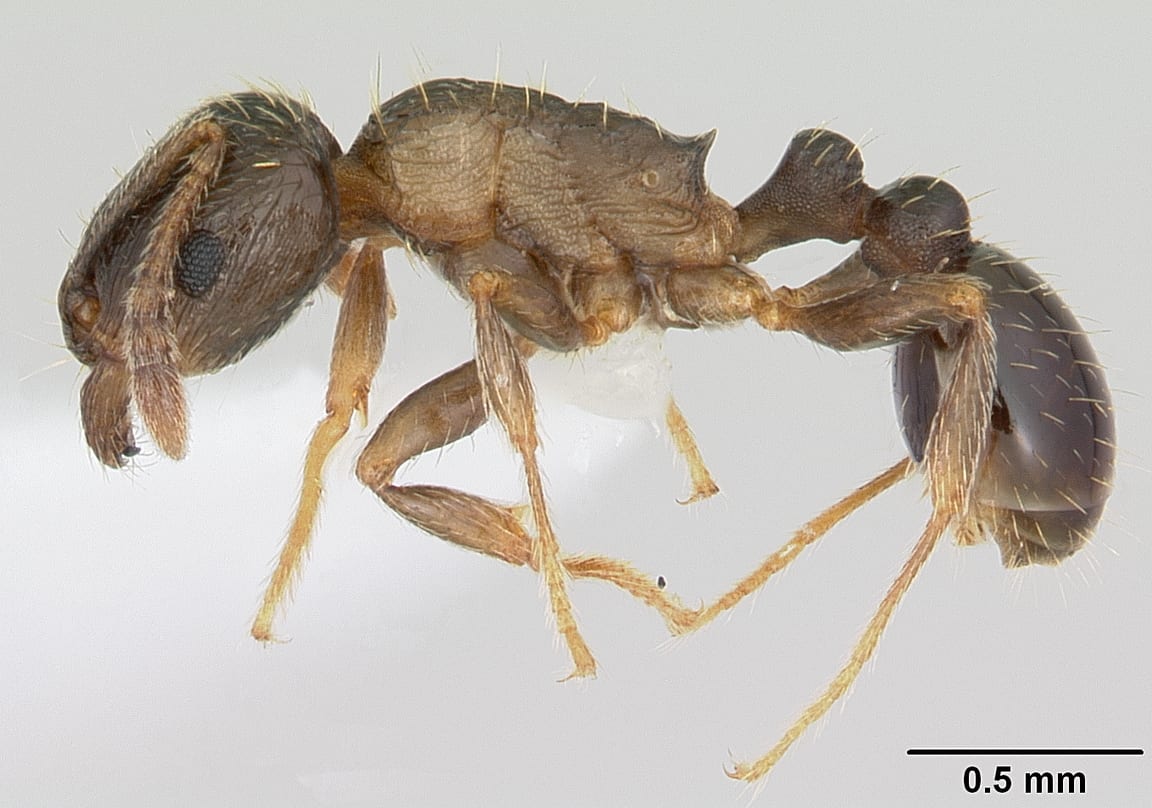
 © April Nobile (AntWeb) / CC BY 4.0
日本皺蟻
The Tobiiro Ant is a small ant species commonly seen in vacant lots and along roadsides across western Japan. Colonies are polygynous and polydomous, meaning multiple queens live together across a network of interconnected nests, allowing a single colony to grow into the tens or even hundreds of thousands. They're opportunistic omnivores, readily feeding on sweet nectar, insect carcasses, and plant seeds alike, so they're never fussy eaters. Their constant, lively foraging makes them fun to watch, and their overall hardiness against changing conditions makes them one of the most approachable species for anyone just starting out in ant keeping.
View 日本皺蟻 encyclopedia →成交手續費 0%!2026年9月30日前註冊,前 2 筆成交免佣金!
繁殖者 招募中!
在 BreederDirect 上架,直接銷售給全國各地的客戶!
BreederDirect 承諾的 6 個透明度要點
刊登昆蟲時,繁殖者會明示以下資訊。我們保證成長階段與繁殖配對的透明性。
- 階段明示
- 代數明示
- 實物照片
- 繁殖單位
- 原產國
- 體長明示
查看全部296個品種
昆蟲分類正在招募認證繁殖者
繁殖者正在陸續註冊,即將上架。設定上架通知,不錯過新商品。
「接收上架通知」需免費註冊會員即可設定。當有符合您儲存條件的新商品上架時,我們會以郵件和站內通知提醒您。
關於日本皺蟻
A small, widespread ant common across western Japan, known for its polygynous, polydomous colonies. Hardy and omnivorous, eating nectar, insects, and seeds alike, it's a popular beginner species for ant keeping.
迎接日本皺蟻前需要了解的7件事
1Polygynous, Polydomous Colonies
Multiple queens live together within a single nest, and colonies can extend across a loosely connected network of nests. This gives keepers flexibility, from housing several queens together to splitting a colony as it grows.
2Easy Omnivorous Feeding
They eat almost anything, from sweet nectar to insect remains to plant seeds. This unfussy diet makes feeding straightforward for keepers, since there's no need to hunt down a specific food source.
3Size Difference: Workers vs Queen
Workers measure about 2.5mm, while queens are noticeably larger at 7 to 8mm. This size gap makes it easy to tell the two castes apart when observing the nest.
4Beginner-Friendly Hardiness
This species is considered beginner-friendly and tolerates fluctuations in temperature and humidity reasonably well. It's often the first choice for people trying ant keeping for the first time.
5Easy to Observe in the Nest
Being small and highly active, they're easy to watch foraging and moving around inside a clear artificial nest. The sight of many workers bustling about becomes more impressive as the colony grows.
6Temperature and Dormancy Care
Since this species lives outdoors in Japan, it may enter a dormancy-like state during colder months. Adjusting temperature care by season and not forcing activity during this period helps keep the colony healthy long-term.
7Setup to Prepare Beforehand
Since colonies tend to grow, it helps to choose a nest and foraging area with some extra room from the start. Also check seams and lid gaps on the housing beforehand to prevent any escapes.
日本皺蟻的常見問題
- Q.Can beginners keep the Tobiiro Ant?
- A.Yes, its hardiness and unfussy diet make it a recommended beginner species. As long as you avoid sudden changes to its environment, it's a relatively stable and easy ant to raise.
- Q.How large can a colony grow?
- A.Thanks to their polygynous, polydomous nature, colonies in the wild can reach tens or even hundreds of thousands of individuals. Growth under captive care, however, depends on the environment and how the colony is managed.
- Q.What should I feed it?
- A.It's an omnivore that eats sweet liquids like nectar, protein sources such as insect remains, and even plant seeds. Its unfussy appetite means keepers rarely struggle to find something it will eat.
- Q.How can I tell workers and queens apart?
- A.Workers are small, at about 2.5mm long, while queens are clearly larger at 7 to 8mm. Comparing body size makes it easy to distinguish the two.
- Q.Are there any legal regulations on the Tobiiro Ant?
- A.The Tobiiro Ant is not subject to CITES. It falls outside the international framework regulating trade in endangered species.
適合飼養日本皺蟻的實用工具
在圖鑑中詳細了解日本皺蟻
查看日本皺蟻的圖鑑條目 →
收錄飼養難度、壽命、體長、食性等基礎資料。