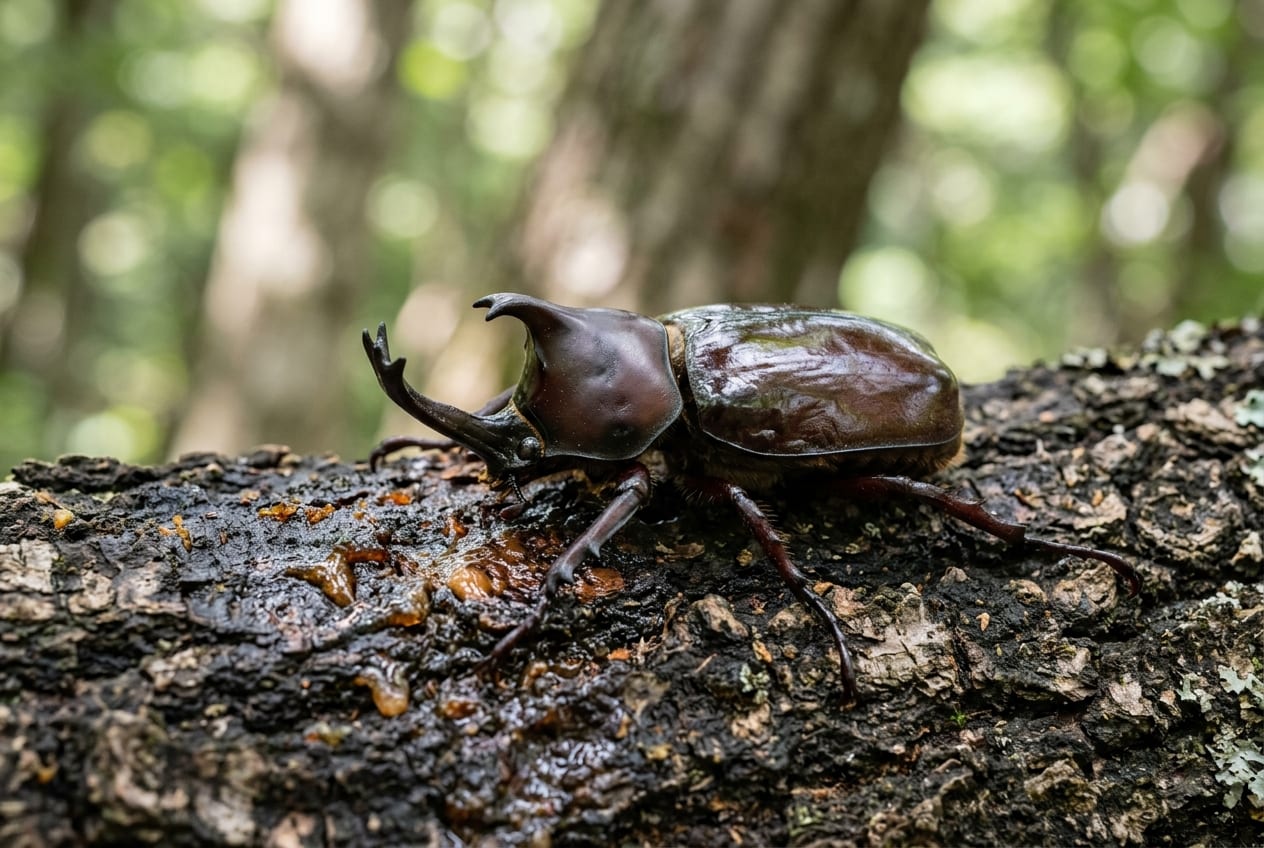
土屋獨角仙
The Tsuchiya's Rhinoceros Beetle is a subspecies found only on Kuchinoerabu Island, Japan. Compared to the mainland form, it's smaller but noticeably broader-bodied, and males show off smooth, strongly glossy elytra — some individuals have almost no hair at all, giving them a sleek look. Suited to keepers with some prior experience, this beetle appeals to anyone who wants to observe a rare island subspecies up close. Since adult activity is relatively short-lived, plan to enjoy and care for it attentively from day one.
View 土屋獨角仙 encyclopedia →成交手續費 0%!2026年9月30日前註冊,前 2 筆成交免佣金!
繁殖者 招募中!
在 BreederDirect 上架,直接銷售給全國各地的客戶!
BreederDirect 承諾的 6 個透明度要點
刊登昆蟲時,繁殖者會明示以下資訊。我們保證成長階段與繁殖配對的透明性。
- 階段明示
- 代數明示
- 實物照片
- 繁殖單位
- 原產國
- 體長明示
查看全部296個品種
昆蟲分類正在招募認證繁殖者
繁殖者正在陸續註冊,即將上架。設定上架通知,不錯過新商品。
「接收上架通知」需免費註冊會員即可設定。當有符合您儲存條件的新商品上架時,我們會以郵件和站內通知提醒您。
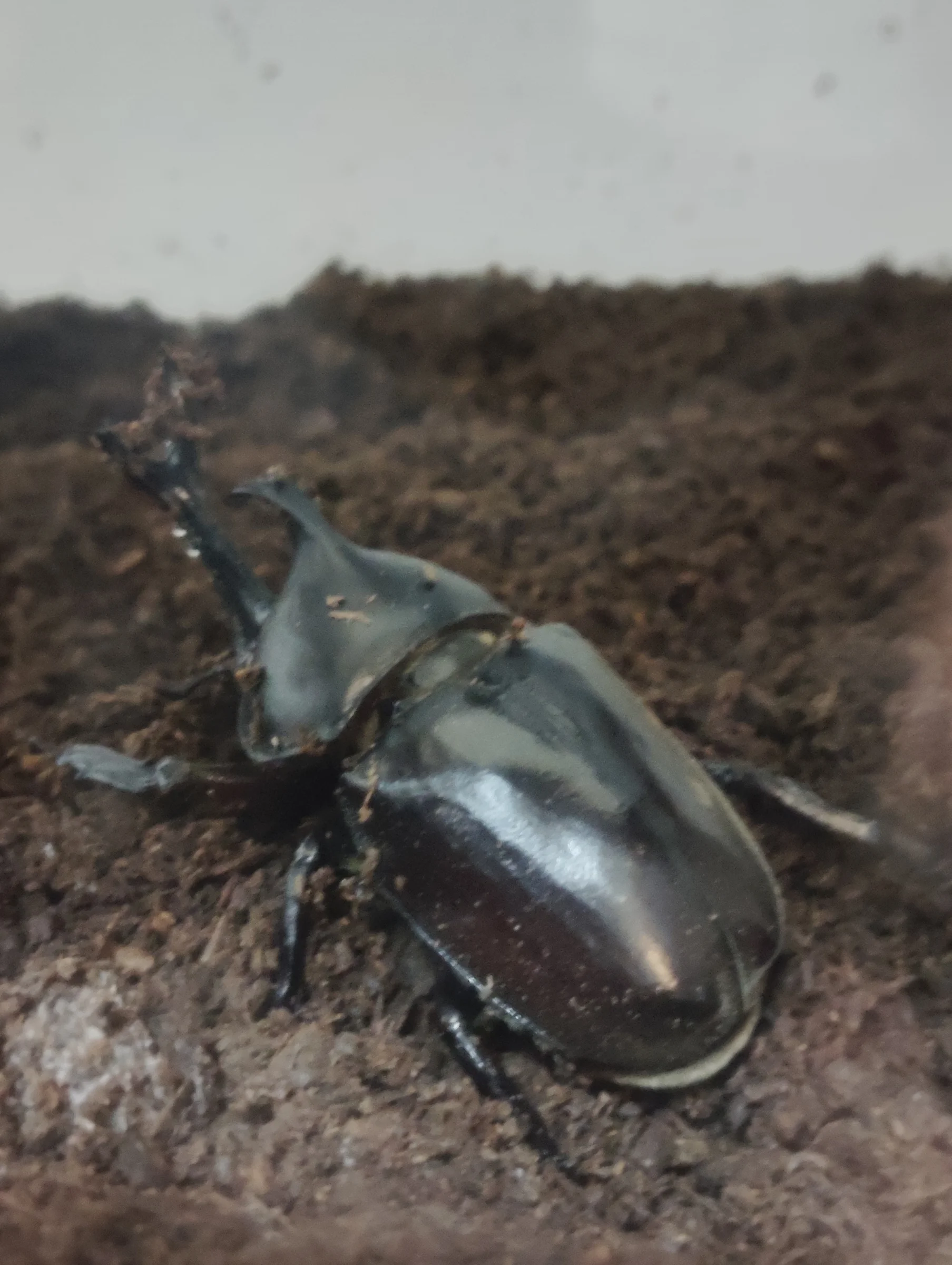
關於土屋獨角仙
Tsuchiya's Rhinoceros Beetle, a subspecies unique to Kuchinoerabu Island, known for its broad body and glossy elytra.
迎接土屋獨角仙前需要了解的7件事
1Enclosure and Substrate Setup
Adult beetles do best in a well-ventilated case with insect mat kept lightly moist. Add enough depth for them to burrow, which gives them a secure place to rest. Have the case, substrate, and a climbing branch ready before your beetle arrives.
2Care Level: Intermediate
This subspecies is considered suitable for keepers with intermediate experience. Beyond basic temperature and humidity control, there are moments where care specific to an island-origin subspecies matters, so some prior insect-keeping experience helps.
3Adult Lifespan of 1–3 Months
Adults are active for only about one to three months. Set up the enclosure as soon as possible after bringing your beetle home so it can spend that limited time in good condition.
4Size Difference Between Sexes
Adult body length runs 33.9–48.8mm for males and 31.6–43.6mm for females, excluding the horn, with males slightly larger on average. Comparing horn presence and body width between the sexes is part of the fun of keeping this beetle.
5Glossy, Nearly Hairless Elytra
Hair on the pronotum and elytra is very short or, in some individuals, nearly absent, and males' elytra have a smooth, strongly glossy surface. This distinctive texture is worth a closer look when observing or photographing your beetle.
6Calm and Best Kept Solo
As with rhinoceros beetles in general, males housed together in the same case may fight. For a calmer environment, it's generally best to keep one beetle per enclosure.
7Temperature Care After Arrival
Since this subspecies originates from an island environment, avoid extreme heat or cold and keep the enclosure out of direct sunlight in a stable spot. Pay extra attention to environmental changes right after your beetle arrives.
土屋獨角仙的常見問題
- Q.Where does Tsuchiya's Rhinoceros Beetle live in the wild?
- A.It's a subspecies found only on Kuchinoerabu Island, having evolved independently in that island environment, distinct from mainland populations.
- Q.How does it look different from mainland rhinoceros beetles?
- A.It's smaller but broader-bodied than the mainland subspecies, with very short or nearly absent hair on the pronotum and elytra, and males have smooth, strongly glossy elytra.
- Q.Is this beetle suitable for beginners?
- A.It's classified as suitable for intermediate keepers. It suits those already comfortable with basic insect care like temperature and humidity management; first-time keepers should research thoroughly before bringing one home.
- Q.How long do adults live?
- A.Adults are active for roughly one to three months. Since this period is limited, set up the enclosure as soon as possible after arrival.
- Q.Are there legal restrictions on obtaining this species?
- A.Tsuchiya's Rhinoceros Beetle is not subject to CITES.
適合飼養土屋獨角仙的實用工具
在圖鑑中詳細了解土屋獨角仙
查看土屋獨角仙的圖鑑條目 →
收錄飼養難度、壽命、體長、食性等基礎資料。