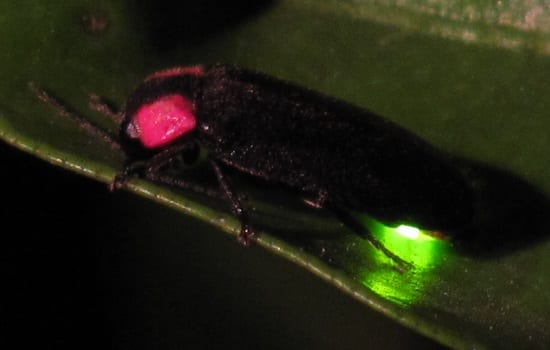
 © yellow_bird_woodstock (Flickr) / CC BY-SA 2.0
平家螢
The Heike firefly is a smaller, aquatic firefly compared to the Genji firefly. Rather than flowing streams, it breeds mainly in still waters such as rice paddies and wetlands, with its larvae feeding underwater on aquatic snails. Its signature charm is the male's flash pattern, noticeably faster than the Genji firefly's, creating a twinkling, star-like effect that has long captivated onlookers. Because it can turn up in familiar wetland environments, it has traditionally been a well-loved sight. Keeping them well calls for consistent attention to water quality and temperature, making this a species suited to keepers who enjoy hands-on care.
View 平家螢 encyclopedia →成交手續費 0%!2026年9月30日前註冊,前 2 筆成交免佣金!
繁殖者 招募中!
在 BreederDirect 上架,直接銷售給全國各地的客戶!
BreederDirect 承諾的 6 個透明度要點
刊登昆蟲時,繁殖者會明示以下資訊。我們保證成長階段與繁殖配對的透明性。
- 階段明示
- 代數明示
- 實物照片
- 繁殖單位
- 原產國
- 體長明示
查看全部296個品種
昆蟲分類正在招募認證繁殖者
繁殖者正在陸續註冊,即將上架。設定上架通知,不錯過新商品。
「接收上架通知」需免費註冊會員即可設定。當有符合您儲存條件的新商品上架時,我們會以郵件和站內通知提醒您。
關於平家螢
The Heike firefly is a small aquatic firefly living in still waters like rice paddies and wetlands, known for its fast, star-like flashing. Suited to keepers who enjoy careful water quality management.
迎接平家螢前需要了解的7件事
1Compact Body Size
Heike fireflies are compact, with males around 6.5-9.5mm and females around 7.5-10.5mm, smaller than the Genji firefly. Their small size calls for gentle handling and a carefully sized enclosure.
2Prefers Still Water
Unlike species that favor flowing streams, Heike fireflies breed mainly in still waters such as rice paddies and wetlands. In captivity, avoid strong water flow and keep the surface calm.
3Larvae Eat Snails
Larvae feed on aquatic snails such as Radix and Physa species. Being able to keep a steady supply of these snails is key to raising them successfully.
4Adults Don't Eat
Once they become adults, Heike fireflies no longer eat solid food and live mainly on moisture. Feeding preparation should focus on the larval stage rather than adulthood.
5Flashing Is Courtship
The flashing light is the male's courtship signal to females. Heike fireflies flash noticeably faster than Genji fireflies, creating a twinkling, star-like effect unique to this species.
6Water Quality Is Key
This species suits intermediate keepers mainly because larval-stage water quality and temperature need careful, consistent management. Avoid sudden changes in water conditions and keep the environment clean.
7Prepare the Habitat First
As larvae mature, they leave the water and pupate in moist soil on land. Before bringing them home, prepare both a water area and a suitably moist land area in advance.
平家螢的常見問題
- Q.How is the Heike firefly different from the Genji firefly?
- A.The main differences are habitat and flash pattern. The Heike firefly favors still waters like rice paddies and wetlands, is smaller in body size, and flashes at a noticeably faster tempo than the Genji firefly.
- Q.Is it difficult to keep at home?
- A.It's considered suitable for intermediate keepers. Careful water quality and temperature management during the larval stage, plus a steady supply of snails for food, are needed, so first-time aquatic insect keepers should learn the basics beforehand.
- Q.What should adults be fed?
- A.Adults have reduced mouthparts and eat almost no solid food. Focus feeding preparation on the larval stage; for adults, simply maintaining a moist environment is enough.
- Q.What do Heike firefly larvae eat?
- A.They prey on aquatic snails such as Radix and Physa species. Being able to reliably supply these snails is key to raising healthy larvae.
- Q.Are there any legal regulations on keeping or importing it?
- A.The Heike firefly is not subject to CITES.
適合飼養平家螢的實用工具
在圖鑑中詳細了解平家螢
查看平家螢的圖鑑條目 →
收錄飼養難度、壽命、體長、食性等基礎資料。