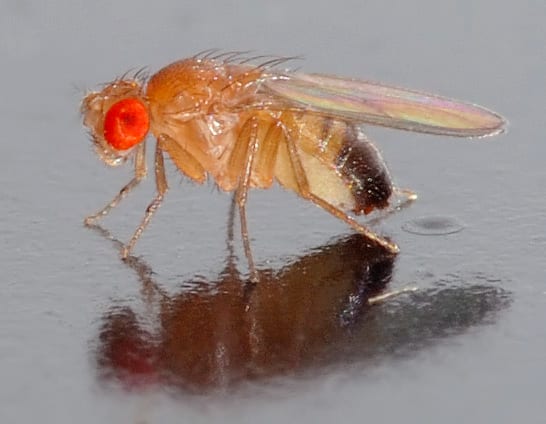
 © André Karwath aka Aka / CC BY-SA 2.5
黑腹果蠅
The common fruit fly is a tiny fly, just 2-3mm long, recognizable by its yellowish body and bright red eyes. The flightless strain commonly kept by hobbyists can't take off, so it simply wanders around inside its container, making it easy to observe and handle. Because of its small size, it's a popular live food choice for young mantis nymphs and small frogs that need bite-sized prey. Rated beginner-friendly to keep, it thrives in a simple culture container with breeding medium, making it a practical staple for anyone who wants a steady, low-maintenance feeder insect on hand.
View 黑腹果蠅 encyclopedia →成交手續費 0%!2026年9月30日前註冊,前 2 筆成交免佣金!
繁殖者 招募中!
在 BreederDirect 上架,直接銷售給全國各地的客戶!
BreederDirect 承諾的 6 個透明度要點
刊登昆蟲時,繁殖者會明示以下資訊。我們保證成長階段與繁殖配對的透明性。
- 階段明示
- 代數明示
- 實物照片
- 繁殖單位
- 原產國
- 體長明示
查看全部336個品種
昆蟲分類正在招募認證繁殖者
繁殖者正在陸續註冊,即將上架。設定上架通知,不錯過新商品。
「接收上架通知」需免費註冊會員即可設定。當有符合您儲存條件的新商品上架時,我們會以郵件和站內通知提醒您。
黑腹果蠅的基本資料
- 飼養難度
- 適合新手
- 壽命
- 成蟲約2個月(實驗室飼養條件下)
- 體型
- 體長2〜3mm
- 適宜溫度
- 20〜30℃
- 飲食
- 酵母(發酵培地、熟果)
- 溫度・濕度
- 在20〜30℃環境下飼養,溫度不低於15℃。溫度越高發育越快,在25℃左右環境下,從放入親蟲到下一代成蟲出現約需2週。
- 飼養環境
- 使用300〜600ml左右的帶蓋容器,在蓋子開孔處夾入衛生紙以兼顧通氣和防止逃脫。在培地上方放置塑膠或木質碎片作為踏腳點。發酵軟化培地時,沒有踏腳點成蟲容易溺水。
- 飼料・餵食
- 培地可用啤酒和馬鈴薯泥粉混入醋,加入少量乾酵母製成。實驗室常用酵母、玉米粉、蔗糖混合後用洋菜固化的飼料。添加水果或糖會產生異味。
- 繁殖・產卵
- 將15〜30隻成蟲放入新容器後,數天內可在培地中見到若蟲。在25℃下,卵孵化1天、若蟲約4天、蛹約5天即可羽化成蟲。為防止飼料不足,應每1〜2週將親蟲轉移到新培地,輪流使用多個容器。
- 壽命・飼養期間
- 成蟲壽命約2個月。培地通常1〜2週內會乾燥耗盡,若短時間內不使用,可添加少量新培地延長成蟲壽命。
- 健康・注意事項
- 確保蓋子密閉以防逃脫。使用過的培地或多餘成蟲應密閉後處理,不可隨意棄置戶外。若培地過濕或長黴菌會產生異味,應儘早清理該容器。
關於黑腹果蠅
A tiny (2-3mm), flightless strain of the common fruit fly, easily cultured in a simple container as beginner-friendly live food for young mantises and small frogs.
迎接黑腹果蠅前需要了解的7件事
1Tiny at Just 2-3mm
Adults measure just 2-3mm, making this one of the smallest flies commonly kept as feeder insects, with a yellowish body and bright red eyes. That tiny size makes them an easy catch for young mantis nymphs and small frogs that can't handle larger prey.
2A Flightless Strain
The strain typically available has underdeveloped wings and cannot fly, so opening the container lid doesn't risk a swarm taking off. Even if some escape, they can only crawl, which makes handling indoors considerably less stressful.
3Adults Live About 2 Months
Lab-reared records put the adult lifespan at around two months. Since you'll want a steady supply of live food, it helps to think of care as running an ongoing breeding cycle rather than keeping a single batch alive.
4Beginner-Friendly to Keep
This species is rated beginner-friendly and doesn't require specialized equipment to get started. That said, keeping a reliable feeder colony going still means staying on top of daily container upkeep.
5Needs a Culture Container and Medium
The basic setup is a small container holding a culture medium that doubles as food for the flies. Choose a container that seals well, and aim for a balance of ventilation and humidity to keep the culture healthy.
6Temperature Affects Breeding Pace
Room temperature has a noticeable effect on how quickly the flies breed and turn over generations, so keep an eye on where you place the container. Avoid spots that swing to extreme heat or cold, and aim for a stable, moderate temperature instead.
7Match Prey Size to Your Feeder
Because these flies are so small, they suit predators with tiny mouths, such as young mantis nymphs and small frogs. As your animal grows, watch for the point where it's ready to move on to larger live food.
黑腹果蠅的常見問題
- Q.How big is the common fruit fly?
- A.Adults are only about 2-3mm long, making it one of the smallest flies kept as feeder insects. Its yellowish body and bright red eyes are its most recognizable features, and its tiny size suits predators with small mouths.
- Q.Can they fly away and escape?
- A.The strain typically sold has underdeveloped wings and can't actually fly. Even if some get out of the container, they can only crawl, so the risk of them flying off is low.
- Q.How long do adults live?
- A.Lab-reared records put the adult lifespan at around two months. To keep a steady supply as live food, you'll need to maintain an ongoing breeding cycle rather than rely on a single batch.
- Q.What animals are they good food for?
- A.They're well suited as live food for young mantis nymphs, small frogs, and other animals with mouths too small for larger prey. Their 2-3mm size matches what these smaller predators can comfortably eat.
- Q.Is this species hard to keep?
- A.It's rated beginner-friendly to keep. With a culture container, breeding medium, and attention to temperature, it's manageable without any specialized equipment.
適合飼養黑腹果蠅的實用工具
在圖鑑中詳細了解黑腹果蠅
查看黑腹果蠅的圖鑑條目 →
收錄飼養難度、壽命、體長、食性等基礎資料。