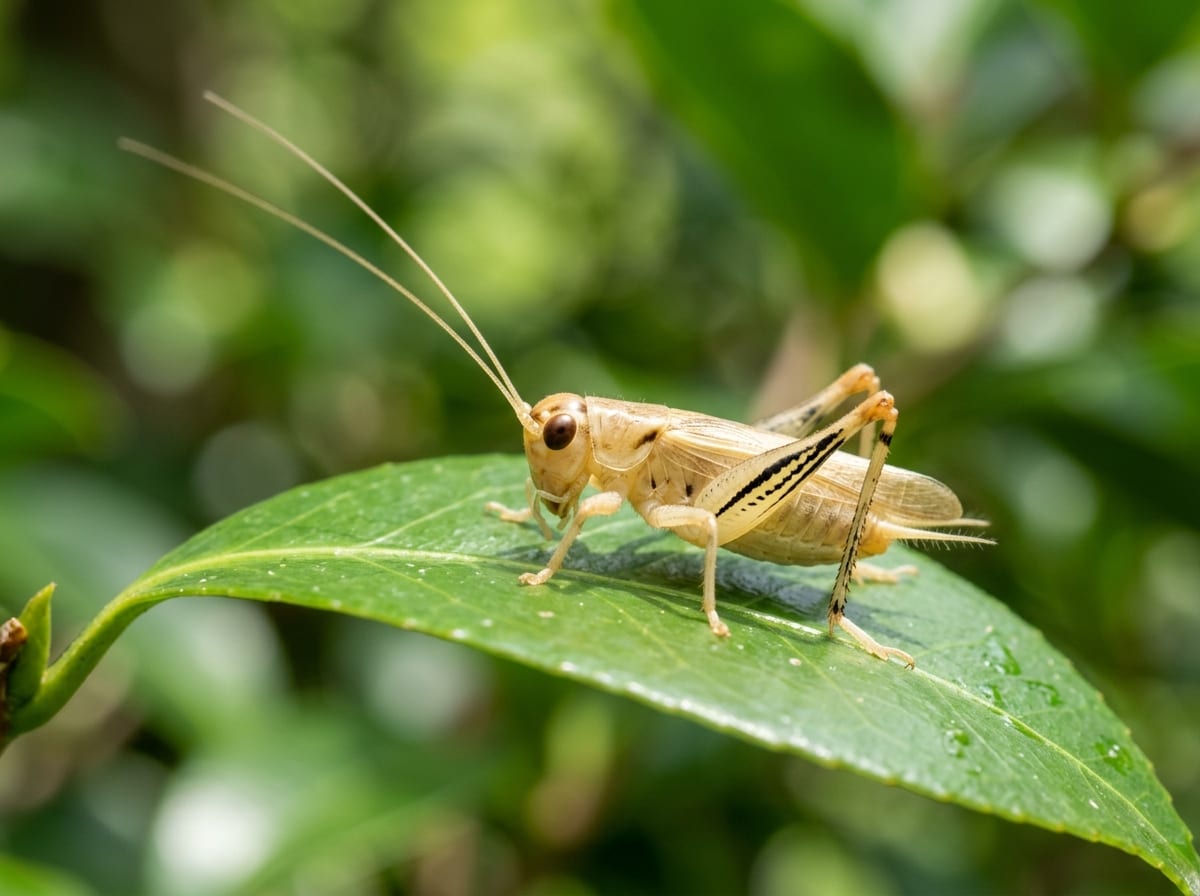
草蟋(Svistella bifasciata)
The kusa-hibari, or grass cricket, is a tiny singing insect only about 7–8mm long that hides in shrubs along forest edges and sings a high, clear "phiriririri" call both day and night. Because it often sings around dawn, it is sometimes nicknamed the "morning bell cricket," and its voice has a distinctive coolness in the quiet hours. Two black stripes mark the femur of its hind legs, giving this small insect a look to match its voice, so it can be enjoyed both by sight and by sound. It tends to be shy and quick to retreat into cover, so setting up a calm, settled environment is the key to hearing its song at its best.
View 草蟋(Svistella bifasciata) encyclopedia →成交手續費 0%!2026年9月30日前註冊,前 2 筆成交免佣金!
繁殖者 招募中!
在 BreederDirect 上架,直接銷售給全國各地的客戶!
BreederDirect 承諾的 6 個透明度要點
刊登昆蟲時,繁殖者會明示以下資訊。我們保證成長階段與繁殖配對的透明性。
- 階段明示
- 代數明示
- 實物照片
- 繁殖單位
- 原產國
- 體長明示
查看全部336個品種
昆蟲分類正在招募認證繁殖者
繁殖者正在陸續註冊,即將上架。設定上架通知,不錯過新商品。
「接收上架通知」需免費註冊會員即可設定。當有符合您儲存條件的新商品上架時,我們會以郵件和站內通知提醒您。
草蟋(Svistella bifasciata)的基本資料
- 飼養難度
- 適合中級者
- 壽命
- 成蟲於8月上旬〜11月上旬出現
- 體型
- 體長6.9〜8毫米
- 飲食
- 野外食物資料較少
- 飼養環境
- 這個物種棲息在林緣灌木叢和河川敷的深層灌木叢中,應在容器中放入供其停留的植物進行飼養。由於體型小且動作敏捷,應使用目數細密的蓋子,在照顧過程中要小心避免逃脫。
- 飼料與餵食
- 關於野外食物,資料較少。飼養時應投餵少量食物並及時清除未食用的部分,保持容器清潔。
- 繁殖與產卵
- 雌蟲會將產卵管插入樹幹或灌木莖幹中產卵,產卵後會塗上泥土封閉孔洞。為了讓雌蟲產卵,應在容器中提供帶有莖幹的植物。
- 壽命與飼養期間
- 成蟲於8月上旬〜11月上旬出現。晝夜都會鳴叫,特別是在黎明時分鳴叫最頻繁。
- 健康與注意事項
- 體形容易與薄煙蟋混淆,鳴聲容易與鬚白蟋混淆。後腳腿節上的2條黑色縱紋是區分的關鍵特徵。作為國內原生種,飼養個體不應在採集地以外的地方放生。
關於草蟋(Svistella bifasciata)
A guide to the kusa-hibari cricket (about 7–8mm long), covering its clear song, hind-leg markings, and the season adults can be seen (early August to early November) for anyone considering keeping one.
迎接草蟋(Svistella bifasciata)前需要了解的7件事
1Song and Timing
The kusa-hibari sings a high, clear "phiriririri" call. It can be heard both day and night, but sings especially often around dawn, which is why it's sometimes called the "morning bell cricket."
2Black Stripes on the Hind Legs
A distinctive feature is the two black stripes on the femur of its hind legs. At just 6.9–8mm long, it's worth taking a close look to spot this detail.
3Provide Hiding Spots
This species favors shrubby forest edges and tends to stay hidden in cover. Adding leaves or small twigs it can hide among helps create a setting where it feels settled.
4Adult Season
Adults are typically seen from early August through early November. Since their active period follows the season, this is a useful guide for timing when to bring one home.
5Best Suited to Intermediate Keepers
The kusa-hibari is generally considered suitable for intermediate keepers. Having some prior experience keeping singing insects makes managing its environment easier.
6Prepare the Setup in Advance
Have a properly sized enclosure, hiding spots, and appropriate humidity ready beforehand to suit its small size. Decide on your setup before bringing one home.
7Observe in a Quiet Space
It's sensitive to noise and vibration and will quickly retreat into cover if startled. Keeping the enclosure in a quiet spot and observing gently makes it easier to enjoy its song and appearance.
草蟋(Svistella bifasciata)的常見問題
- Q.What does the kusa-hibari's song sound like?
- A.It sings a high, clear "phiriririri" call. It can be heard both day and night, but sings especially often around dawn, earning it the nickname "morning bell cricket."
- Q.When can adult kusa-hibari be seen?
- A.Adults are typically seen from early August through early November. Keep in mind that their active period is tied to the season.
- Q.Is it suitable for beginners to keep?
- A.The kusa-hibari is generally considered suitable for intermediate keepers. It's easier to manage if you already have some experience keeping singing insects.
- Q.How big does it get?
- A.It's a tiny singing insect, about 6.9–8mm in body length. It also moves quickly, so take a close look when observing it.
- Q.Does it have any distinctive features?
- A.A key feature is the two black stripes on the femur of its hind legs. It also favors shrubby forest edges and tends to stay hidden in cover.
適合飼養草蟋(Svistella bifasciata)的實用工具
在圖鑑中詳細了解草蟋(Svistella bifasciata)
查看草蟋(Svistella bifasciata)的圖鑑條目 →
收錄飼養難度、壽命、體長、食性等基礎資料。