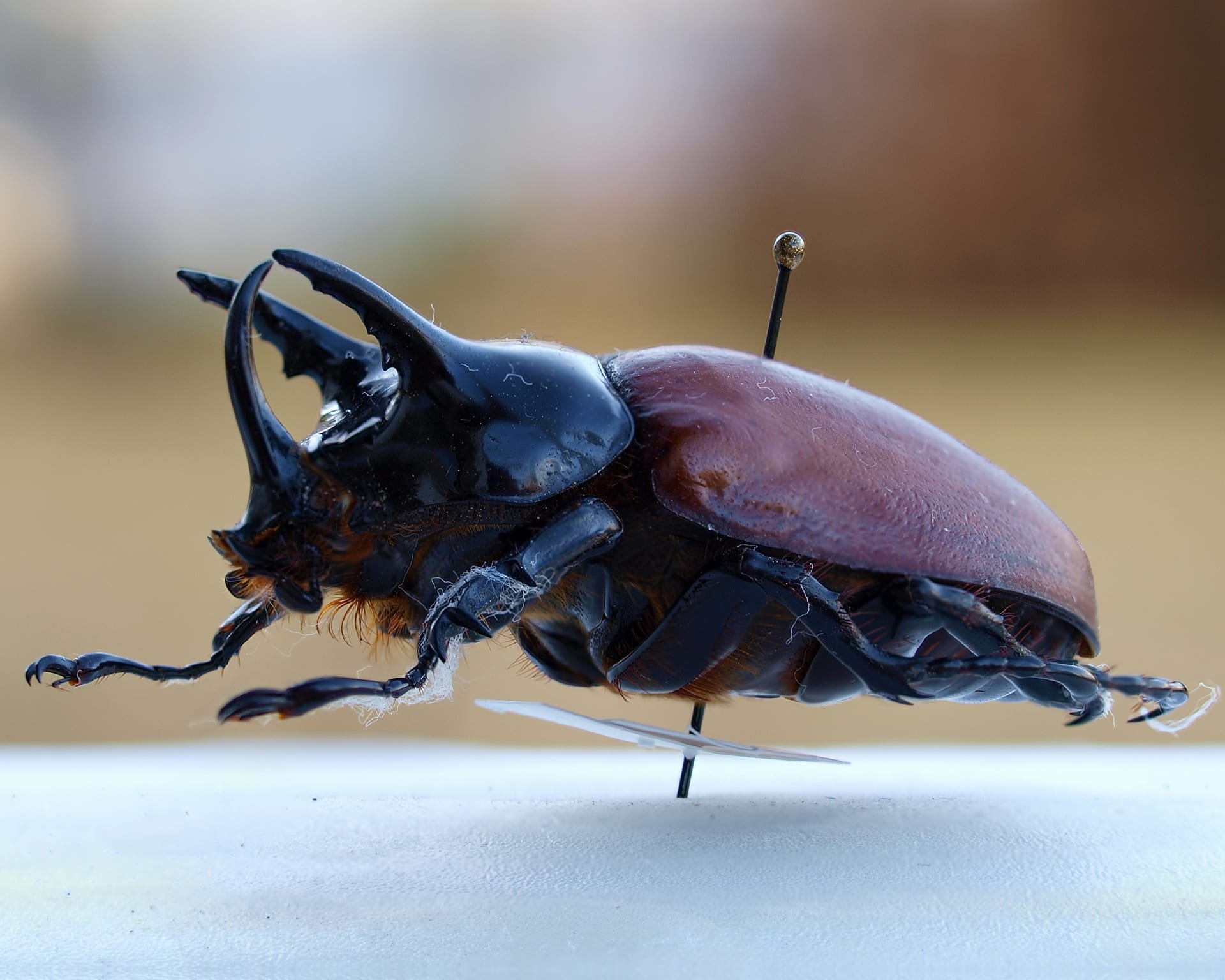
 © JohnSka / CC BY-SA 3.0
三本角兜甲蟲 (Debeckius beccarii)
Beccari's three-horned beetle is native to New Guinea and is the sole species in the genus Debeckius. It was formerly placed in the genus Beckius, and dealers still sometimes list it under that older name. Within its tribe, it sits in the same subtribe as the Atlas beetles (Chalcosoma) and the five-horned beetles (Eupatorus). Three subspecies are recognized — the nominotypical form, koletta and ryusuii — so it's important to confirm both the scientific and subspecies names when buying. Because it calls for a bit more husbandry know-how, it tends to suit keepers who already have some beetle-rearing experience.
View 三本角兜甲蟲 (Debeckius beccarii) encyclopedia →成交手續費 0%!2026年9月30日前註冊,前 2 筆成交免佣金!
繁殖者 招募中!
在 BreederDirect 上架,直接銷售給全國各地的客戶!
BreederDirect 承諾的 6 個透明度要點
刊登昆蟲時,繁殖者會明示以下資訊。我們保證成長階段與繁殖配對的透明性。
- 階段明示
- 代數明示
- 實物照片
- 繁殖單位
- 原產國
- 體長明示
查看全部336個品種
昆蟲分類正在招募認證繁殖者
繁殖者正在陸續註冊,即將上架。設定上架通知,不錯過新商品。
「接收上架通知」需免費註冊會員即可設定。當有符合您儲存條件的新商品上架時,我們會以郵件和站內通知提醒您。
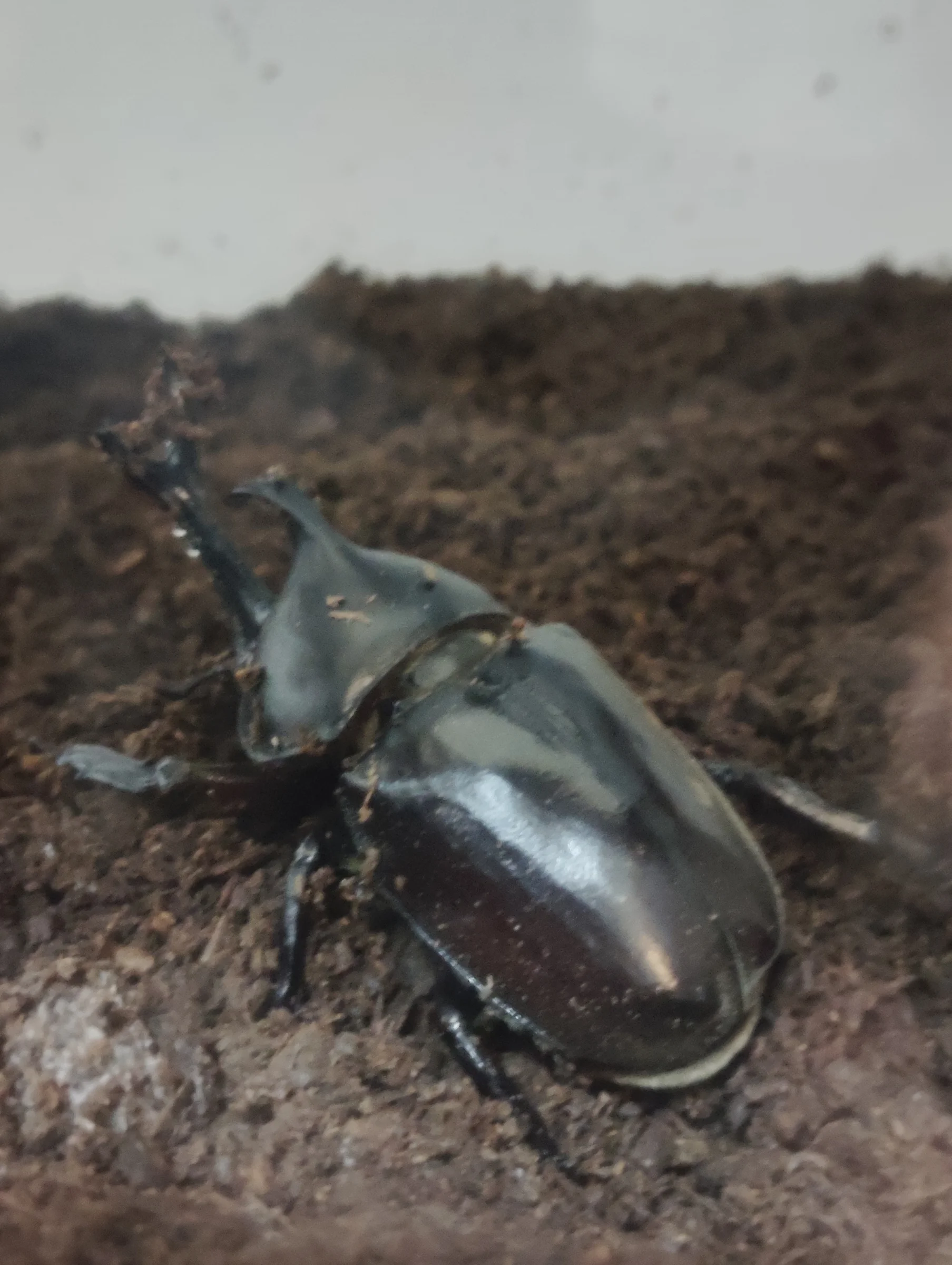
三本角兜甲蟲 (Debeckius beccarii)的基本資料
- 飼養難度
- 適合中級者
- 壽命
- 資料不足
- 體型
- 飼育記錄78.1毫米
- 飲食
- 成蟲食昆蟲果凍,幼蟲食發酵基質
- 溫度和濕度
- 本物種缺乏溫度的數值資料。由於該物種主要記錄來自紐幾內亞高地,應避免夏季高溫過於悶熱的環境。
- 繁殖和產卵
- 本物種繁殖資料較少。應參考同亞族的阿特拉斯大兜甲蟲屬等,將發酵基質深層放置以促進產卵。
- 混養和相容性
- 雄蟲會用角互相爭鬥,故成蟲應單獨飼養,僅在配對時才允許同居。
- 壽命和飼育期間
- 本物種的幼蟲期及成蟲壽命資料不足。
- 健康和注意事項
- 由於該物種有時被稱為舊屬名Beckius或舊分類的Chalcosoma和Eupatorus,應確認學名及亞種名。外國進口的鍬形蟲和兜甲蟲類受《植物防疫法》和《外來物種法》(種類證明書)管制,各物種的可行性需由植物防疫部門確認,因此選擇國內繁殖的個體較為穩妥。不應將飼育個體放入野外。
關於三本角兜甲蟲 (Debeckius beccarii)
Beccari's three-horned beetle is the only species in the genus Debeckius, found in New Guinea. Also sold under the old genus name Beckius and divided into three subspecies, it's a rewarding beetle for intermediate keepers.
迎接三本角兜甲蟲 (Debeckius beccarii)前需要了解的7件事
1Suited to Intermediate Keepers
Beccari's three-horned beetle is considered a species for intermediate-level keepers. It calls for reasonably careful temperature and humidity management, so some prior experience with beetle keeping is helpful. First-time insect keepers should brush up on the basics before bringing one home.
2Mostly Recorded From the Highlands
This beetle is native to New Guinea, and most records come from highland areas. There's little numerical data on its temperature needs, so avoid places where summer heat builds up and aim for an environment without sudden temperature swings.
3Named for Its Three Horns
Its Japanese name, meaning "three-horned," refers to its horns. Detailed information on horn shape and development is limited, and size varies between individuals. The BE-KUWA captive-bred record is 78.1mm.
4Variation Across Three Subspecies
The species is divided into three subspecies, with body shape and coloration varying slightly by region of origin. Paying attention to which subspecies you're getting can add another layer of enjoyment.
5Best Kept Individually
Horned males can be territorial and prone to fighting, so it's best to avoid housing multiple males together and to keep them individually. Cohabiting with a female is generally best reserved for breeding attempts.
6Limited Data on Lifespan
There isn't much published data on how long Beccari's three-horned beetle typically lives, since documented keeping records and research remain limited. After bringing one home, keep an eye on its day-to-day condition and activity level.
7Larval Care Matters Too
Beyond the adult beetle, how you manage the substrate and temperature during the larval stage matters just as much. Avoiding abrupt environmental changes and keeping the setup clean supports healthy development.
三本角兜甲蟲 (Debeckius beccarii)的常見問題
- Q.How difficult is it to keep?
- A.It's considered suitable for intermediate keepers. Since temperature and humidity management require some know-how, prior experience keeping beetles will help you feel more confident.
- Q.How large do adults grow?
- A.A record specimen of 78.1mm has been documented among kept individuals. Size varies depending on the individual and subspecies.
- Q.How long do they live?
- A.There isn't much detailed information available yet, so a clear lifespan hasn't been established. You'll need to observe the individual's condition as you keep it.
- Q.Is it listed under CITES?
- A.Beccari's three-horned beetle is not covered by CITES. Many live foreign Scarabaeoidea (stag beetles, rhinoceros beetles, flower chafers and relatives) are quarantine pests whose import is banned under Japan's Plant Protection Act, and even importable species require a species-name certificate from a foreign government body under the Invasive Alien Species Act (entry only via designated airports, never by international post). Whether a species may enter must be checked with the Plant Protection Station in advance, so choose domestically bred stock and never release captive beetles.
- Q.I've seen it listed under genus Beckius — is that a different species?
- A.No, it's the same species. It's currently classified under the genus Debeckius, but it was formerly placed in Beckius, so you may still see it listed under that older name.
適合飼養三本角兜甲蟲 (Debeckius beccarii)的實用工具
在圖鑑中詳細了解三本角兜甲蟲 (Debeckius beccarii)
查看三本角兜甲蟲 (Debeckius beccarii)的圖鑑條目 →
收錄飼養難度、壽命、體長、食性等基礎資料。