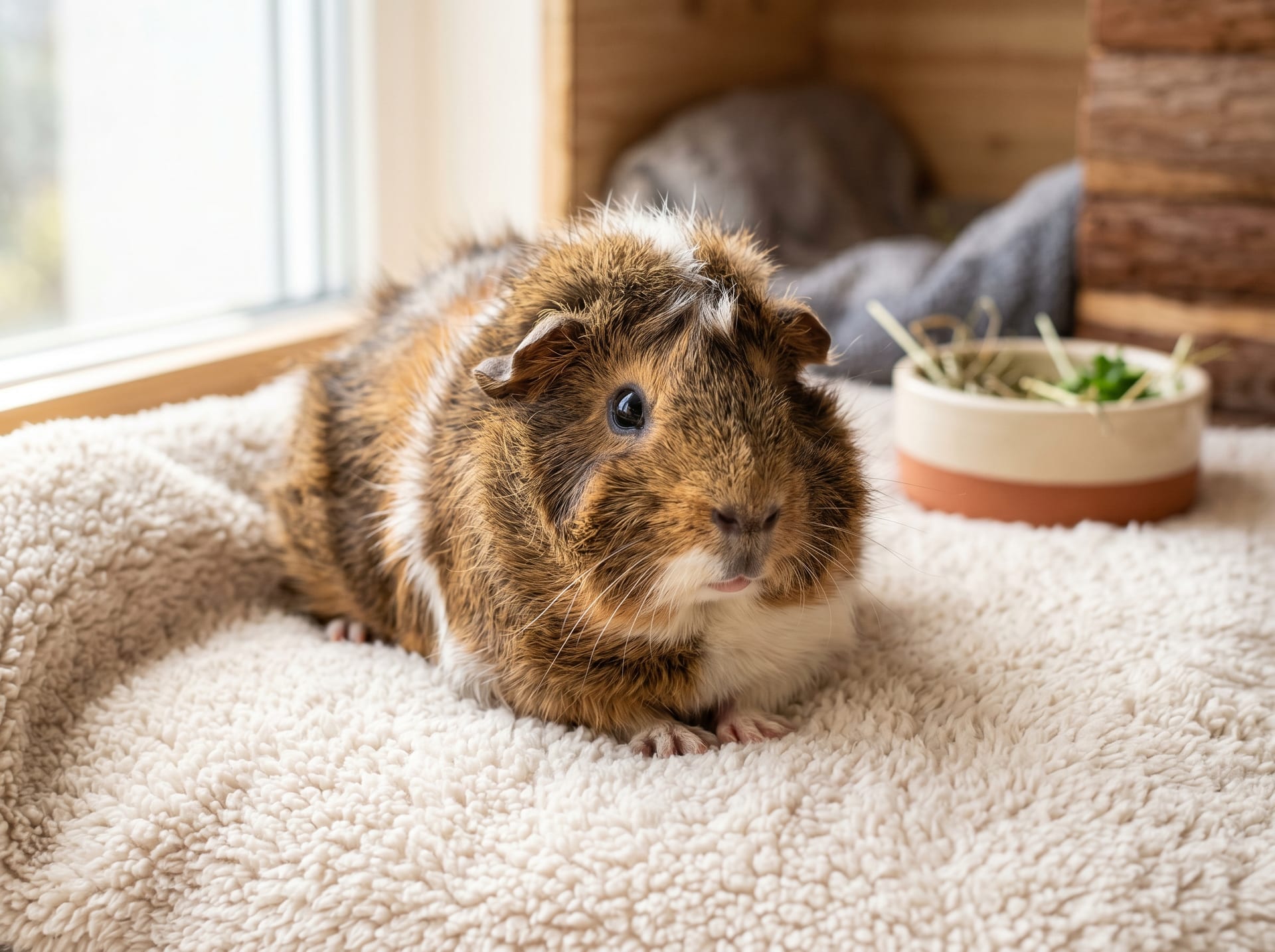
Guinea Pig
Gentle and social small animal. Communicates through various vocalizations and bonds closely with owners. Cannot synthesize vitamin C, so diet management is essential.
View Guinea Pig encyclopedia →0% commission on your first sales!Register by September 30, 2026 and your first 2 sales are commission-free!
Breeder Wanted!
List on BreederDirect and sell directly to customers nationwide!
6 Transparency Commitments from Br-Choku
Every Small Pets listing from Breeder includes the information below. We guarantee transparency through health checks, vaccinations, microchips, and more.
- Hand-Tamed
- Health Checked
- Vaccinated
- Microchipped
- Real Photos
- Age Specified
Browse all 28 breeds
Care Difficulty
No listings match your filters
Adjust your filters, or get notified when new listings arrive.
Getting alerts is free with a member account. When new listings match your saved search, we'll notify you by email and in-app.
Browse other categories
Verified breeders (preview)
Are you raising small pets?
Register as a breeder and connect with buyers directly.
Apply as a breederGuinea Pig key facts
- Care level
- Beginner-friendly
- Lifespan
- 5-7 years
- Size
- 20-30cm / 700-1200g
- Temperature
- 18〜24℃
- Humidity
- 40〜60%
- Diet
- Timothy hay (staple), pellets, vitamin C-rich vegetables
- Housing
- Social animals — keep 2+ recommended. Same-sex pairs are safest
- Diet
- Unlimited hay + daily vitamin C (bell peppers, broccoli)
- Cage
- Wide floor space cage. Width matters more than height
- Notes
- Watch for scurvy. Dental malocclusion is also common
About Guinea Pig
The guinea pig's ancestors are wild animals of the Caviidae family native to the Andean region of South America, where they were kept for food and ceremonial purposes as far back as the Inca civilization. They were brought to Europe in the 16th century and subsequently spread around the world. Today, numerous selectively bred varieties exist, offering a wide range of appearances including different coat lengths, colors, and curl patterns. Adults typically measure 20–30 cm in length and weigh 700–1,200 g, with a stocky build and rounded face that adds to their charm. Their temperament is generally calm and relatively trusting; once accustomed to handling, they will sit in a hand or communicate through vocalizations. They have a remarkably varied vocal range—purring sounds when content, excited squeals, and more—making their emotional expressiveness one of their most endearing qualities.
7 things to know before welcoming a Guinea Pig
1Daily Vitamin C Is Essential
Guinea pigs cannot produce vitamin C internally, so a deficiency can lead to scurvy. Offer small amounts of vitamin C-rich vegetables such as bell peppers, leafy greens, or parsley every day. Even if your pellets are fortified with vitamin C, supplementing through fresh vegetables is a good habit to maintain.
2Hay Is the Dietary Foundation
Timothy hay and other grass hays should make up the bulk of a guinea pig's diet. Hay keeps the digestive system functioning properly and naturally wears down their continuously growing teeth. Keep hay available at all times, and treat pellets and vegetables as supplementary foods rather than the main course.
3They Need Plenty of Space
Guinea pigs are active animals that can easily become stressed in cramped enclosures. Aim for a cage at least 90 cm wide to give them room to move freely. Multi-level cages with ramps carry a risk of falls and injury, so single-level enclosures are generally recommended.
4Pairs or Groups Are Ideal
As highly social animals, guinea pigs can experience stress and loneliness when kept alone. Housing them in same-sex pairs or small groups is generally ideal for their well-being. Keep in mind that not all individuals get along immediately—introduce new companions gradually in a neutral, spacious area.
5Sensitive to Temperature Extremes
Guinea pigs are sensitive to both heat and cold, with a comfortable temperature range of roughly 20–26°C (68–79°F). Take precautions against heatstroke in summer and hypothermia in winter by maintaining a stable indoor temperature with climate control. Avoid placing their enclosure in direct sunlight or near drafts.
6Regular Grooming Is Needed
Short-haired guinea pigs benefit from brushing once or twice a week, while long-haired breeds such as Teddy or Peruvian varieties may need daily grooming. Neglected tangles and dirt can lead to skin problems. Their nails also grow continuously and will need trimming approximately every one to two months.
7Vocalizations Signal Their Mood
Guinea pigs communicate through a rich variety of sounds, including high-pitched squeaks, purring, and rumbling. Rapid, high-pitched calls often signal excitement or a request for attention, while low rumbling can indicate unease or a warning. Learning to recognize these vocal patterns helps you respond to their needs and spot early signs of illness or stress.
Frequently asked questions about Guinea Pig
- Q.Can guinea pigs be kept alone?
- A.It is possible, but as naturally social animals, guinea pigs kept alone are prone to loneliness and stress. If kept singly, frequent interaction with the owner becomes especially important, and keeping two or more together is generally preferable.
- Q.How long do guinea pigs live?
- A.Guinea pigs typically live around 5–7 years, which is relatively long for small animals. Proper diet management and regular health checkups can help support a longer, healthier life.
- Q.Are odor and noise a concern?
- A.With regular cleaning, odor is generally manageable, though cage hygiene is key. Their vocalizations are not as loud as cats or dogs, but they may squeal when excited or hungry. They are relatively suitable for apartment living.
- Q.How should I provide vitamin C?
- A.The basic approach is to offer small amounts of vitamin C-rich vegetables such as komatsuna, bell pepper, or broccoli every day. Specially formulated pellets also contain vitamin C, but it degrades after the package is opened, so combining pellets with fresh vegetables is recommended.
- Q.Can any vet clinic treat guinea pigs?
- A.Guinea pigs are classified as exotic animals, so not all veterinary clinics offer treatment for them. Before bringing one home, it is advisable to identify a nearby clinic that explicitly states it treats exotic animals.
Useful tools for Guinea Pig care
Learn more about Guinea Pig in the encyclopedia
View Guinea Pig encyclopedia entry →
Care difficulty, lifespan, size and diet — all basics covered.
Guinea Pig related articles
Guinea Pig Multi-Housing & Compatibility Guide | Cage Layout, Fighting Prevention, and Socializing Methods
This guide explains compatible pairings, gradual introduction methods, cage layout strategies, and fighting warning signs for successful multi-housing of guinea pigs. We introduce breeding methods that leverage their natural social behaviors as social animals.
Peruvian Guinea Pig Complete Care Guide | Long-haired Breed Characteristics, Lifespan, and Coat Maintenance
Complete guide to Peruvian guinea pig lifespan, long-haired breed-specific care environments, brushing 2-3 times per week, trimming, and diet management. We provide detailed information on care points specific to long-haired breeds and skin problem prevention.
Extending the Lifespan of Peruvian Guinea Pigs: Age-Specific Care Guide and Longevity Secrets
This guide explains age-specific care to extend the lifespan of Peruvian guinea pigs (average 4–7 years). It covers the different dietary, environmental, and health management needs for young, adult, and senior stages, along with practical tips from breeders who have achieved longevity.
Peruvian Guinea Pig Price Guide: Breeder vs. Pet Shop Costs and Selection Tips
Complete guide to Peruvian guinea pig purchase prices (¥3,000–¥30,000), differences between breeders and pet shops, how to select healthy individuals, and initial setup costs after bringing one home.
Guinea Pig Breed Comparison Guide | Characteristics of Abyssinian, Sheltie, Teddy, Peruvian, and Crested
A comprehensive comparison of 5 popular guinea pig breeds (Abyssinian, Sheltie, Teddy, Peruvian, and Crested) by coat, temperament, care difficulty, and lifespan. We also explain how to choose the right breed for you and how to obtain them.
Lifespan of Peruvian Guinea Pigs and Tips for Longevity | Senior Care, Disease Prevention, and Nutritional Management
Explains the average and maximum lifespans of Peruvian guinea pigs, along with detailed guidance on diet, environment, and health management to promote longevity. Also introduces early detection and management strategies for diseases common in senior age (dental issues, tumors, arthritis).
More in this category
Can't find the one you're looking for?
Post your wishes for free and breeders with matching animals will contact you with introductions.