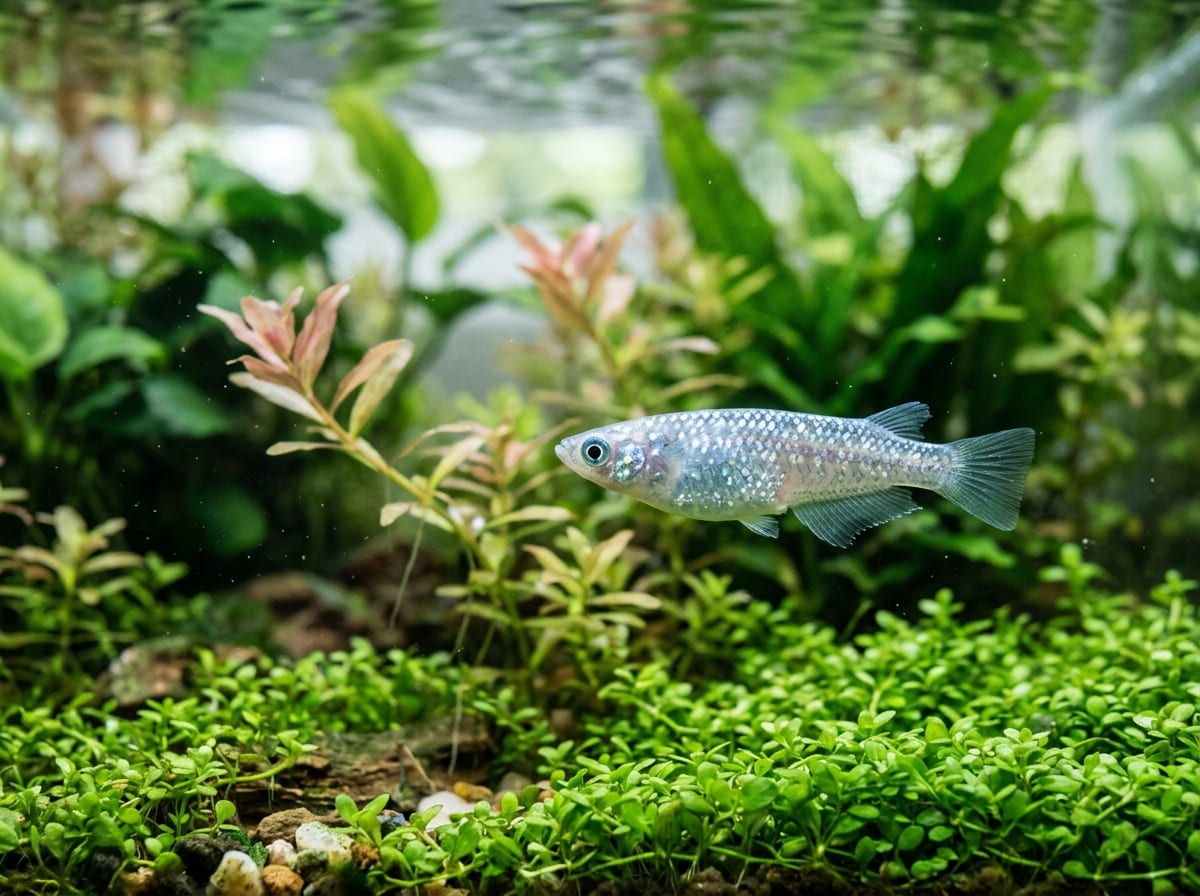
Lame (Glitter)
Lame (glitter) medaka feature sparkling scale particles that shimmer like a starry sky, creating exceptional ornamental value indoors and outdoors alike. Their dazzling appearance shifts with every change of light, making them a favorite among hobbyists. As a group, they retain the hardy, beginner-friendly nature that medaka are known for.
- Price Range
- ¥4,000〜¥4,000
0% commission on your first sales!Register by September 30, 2026 and your first 2 sales are commission-free!
Breeder Wanted!
List on BreederDirect and sell directly to customers nationwide!
9 Transparency Commitments from Br-Choku
Each Medaka listing includes the following from Breeder. Full transparency on color variations (Yokihi/Miyuki/Lame) and lineage guaranteed.
- Variety Name
- Lineage
- Actual Photos
- Color Classification
- Body Type
- Scale Type
- Size
- Origin
- Age/Generation
Browse all 20 breeds
Color
Scale Type
No listings match your filters
Adjust your filters, or get notified when new listings arrive.
Getting alerts is free with a member account. When new listings match your saved search, we'll notify you by email and in-app.
Browse other categories
Verified breeders (preview)

About Lame (Glitter)
Lame-series medaka emerged as a relatively new group during Japan's medaka boom in the 2010s. Their defining feature is the expression of highly reflective pigment cells — known as "lame" — across the scales, back, and belly, which sparkle brilliantly like scattered stardust under light. Their origins trace back to selective crossbreeding with hikari-body and miyukei lines, and through continued refinement, breeders developed the rich variety of shimmer types seen today. Body shapes range from rounded to slender, and lame colors span gold, silver, blue, and iridescent hues, giving them strong collectibility appeal. In temperament, they are gentle and enjoy schooling, and watching a group glide together is a key part of their charm. They are hardy and adapt well to a range of water conditions, making them an excellent choice for beginners stepping into the world of medaka keeping. When housed in dark containers under proper lighting, their brilliance shines at its peak — a living piece of natural beauty you can enjoy every day.
Featured breeders for Lame (Glitter)
See all Lame (Glitter) breeders (2) →7 things to know before welcoming a Lame (Glitter)
1Lighting Affects Sparkle
The sparkle of lame medaka varies greatly depending on light angle and water clarity. They look especially stunning under direct sunlight or strong LED lighting. Keep in mind that in dim conditions, the glitter effect becomes much less visible.
2Black Tanks Enhance Looks
Lame medaka show their best colors against black or dark navy containers and substrate, which create strong contrast with the glittering scales. White or clear tanks tend to wash out body color and reduce the lame effect. Choosing a dark tank is one of the most impactful decisions for displaying lame varieties.
3Water Quality Shapes Color
Poor or eutrophic water can dull body color and reduce lame vibrancy. Regular partial water changes of about one-third weekly help prevent ammonia and nitrite buildup and maintain coloration. Raising lame medaka in green water, rich in phytoplankton, is also considered beneficial for enhancing color expression.
4Lame Traits Are Often Unstable
Many lame varieties have low trait fixation rates, meaning offspring from the same parents can vary considerably in the amount and intensity of glitter. If you plan to breed, selecting individuals with the strongest lame expression for pairing is key to maintaining quality. Beginners may find it easier to purchase fully developed adults rather than raising from eggs.
5Avoid Overcrowding Fry
Lame medaka fry are tiny and susceptible to stunted growth and body deformities when raised in overcrowded conditions. Start them in small, dedicated containers with low stocking density and expand space as they grow. Feed fine powdered fry food two to three times daily in small amounts for best results.
6Prices Vary by Variety
Lame medaka are generally priced higher than common varieties, ranging from a few hundred yen per fish for standard types to several thousand yen or more for rare strains or highly fixed individuals. Researching typical price ranges before buying helps you find options that fit your budget. Purchasing sets or breeding pairs can also be a cost-effective approach.
7Outdoor Wintering Is Feasible
Lame medaka inherit the hardiness of domestic Japanese medaka and can generally survive outdoor winters as long as the water does not freeze solid. When water temperature drops below 10°C, activity and appetite decrease significantly, so reduce feeding to prevent water quality deterioration. In colder regions, use insulating containers or move them to sheltered spots away from frost.
Frequently asked questions about Lame (Glitter)
- Q.How long does it take for lame to increase?
- A.Lame particles tend to increase as the fish grows, and most individuals approach their full brilliance around 3 to 6 months after hatching. However, there is significant individual variation, and factors like diet and water conditions also play a role. It is worth observing the fish patiently until they reach adulthood.
- Q.Can lame-series medaka be kept outdoors?
- A.Outdoor keeping is entirely feasible and many enthusiasts prefer tub gardens because natural sunlight brings out the lame effect most vividly. That said, guard against high summer temperatures and winter freezing by using shade screens or insulating materials to buffer temperature fluctuations.
- Q.Is it okay to keep different lame varieties together?
- A.Keeping different lame varieties together is not harmful in itself, but they will crossbreed naturally, and over generations the distinct traits of each variety may fade. If you want to preserve the characteristics of specific lineages, it is advisable to house each variety separately.
- Q.What should I feed lame-series medaka?
- A.Commercial medaka food is sufficient for healthy growth. To further enhance lame brilliance and body coloration, supplementing with color-boosting foods containing carotenoids or astaxanthin is considered effective by many keepers. Feed once or twice a day in amounts the fish can consume within three to five minutes.
- Q.How can I improve breeding success?
- A.Spawning is encouraged by maintaining water temperatures between 20°C and 26°C with at least 13 hours of light per day. Move eggs to a separate container promptly to prevent the parents from eating them. To produce offspring that inherit strong lame characteristics, pair individuals that display abundant, high-quality lame expression.
Useful tools for Lame (Glitter) care
Lame (Glitter) related articles
Mariage Medaka Breeding & Care Guide | Management & Selection Methods to Enhance Lame Coloration
Complete guide to Mariage medaka care and breeding methods. Learn how to maximize the contrast between pure white coloration and lame through lighting, tank, and nutritional management, plus the complete breeding flow from egg-laying through fry care and selection, and easy-to-understand disease prevention tips for beginners.
Medaka's Latest Varieties 2026 Complete Guide | Bulging Eye, Lame, and Long-Fin New Variety Catalog
A comprehensive roundup of the most anticipated medaka varieties of 2026 across three categories: bulging eye (swallow), lame (shimmer), and long-fin types. An expert breakdown of each new variety's characteristics, genetic background, price ranges, and where to acquire them.
2026 Latest Medaka Breed Guide | Trend Breeds, Price Ranges, and How to Obtain Them
Introducing the latest medaka breeds of 2026 (Lame, Deep Sea, and Rainbow types) organized by price range. Also covers how to distinguish quality, tips for selecting breeders, and the basics of breeding management.
Medaka Breed Guide | Popular Varieties, Characteristics, and Selection Tips
Discover popular medaka varieties. Learn about the characteristics, price ranges, and breeding lineages of Yohkihi, Miyuki, Tri-color, and Lame medaka.
Medaka Breed Comparison Guide|Differences Between Youkaihi, Miyuki, and Sanshoku and How to Choose
Comprehensive comparison of popular medaka breeds by body color, body shape, and price range. This guide explains the characteristics, difficulty level, and selection tips for each breed including Youkaihi, Miyuki, Sanshoku, Lame, and Daruma varieties.
Medaka Breed Catalog | Features and Selection Guide for Youkihi, Miyu, and Sanshoku
A guide to popular medaka breeds organized by body color and body type. Explaining the features, care tips, and price ranges of Youkihi, Miyu (Miyuki), Sanshoku, Lame varieties, Daruma, and more.
More in this category
Can't find the one you're looking for?
Post your wishes for free and breeders with matching animals will contact you with introductions.