2026 Latest Medaka Breed Guide | Trend Breeds, Price Ranges, and How to Obtain Them
Introducing the latest medaka breeds of 2026 (Lame, Deep Sea, and Rainbow types) organized by price range. Also covers how to distinguish quality, tips for selecting breeders, and the basics of breeding management.
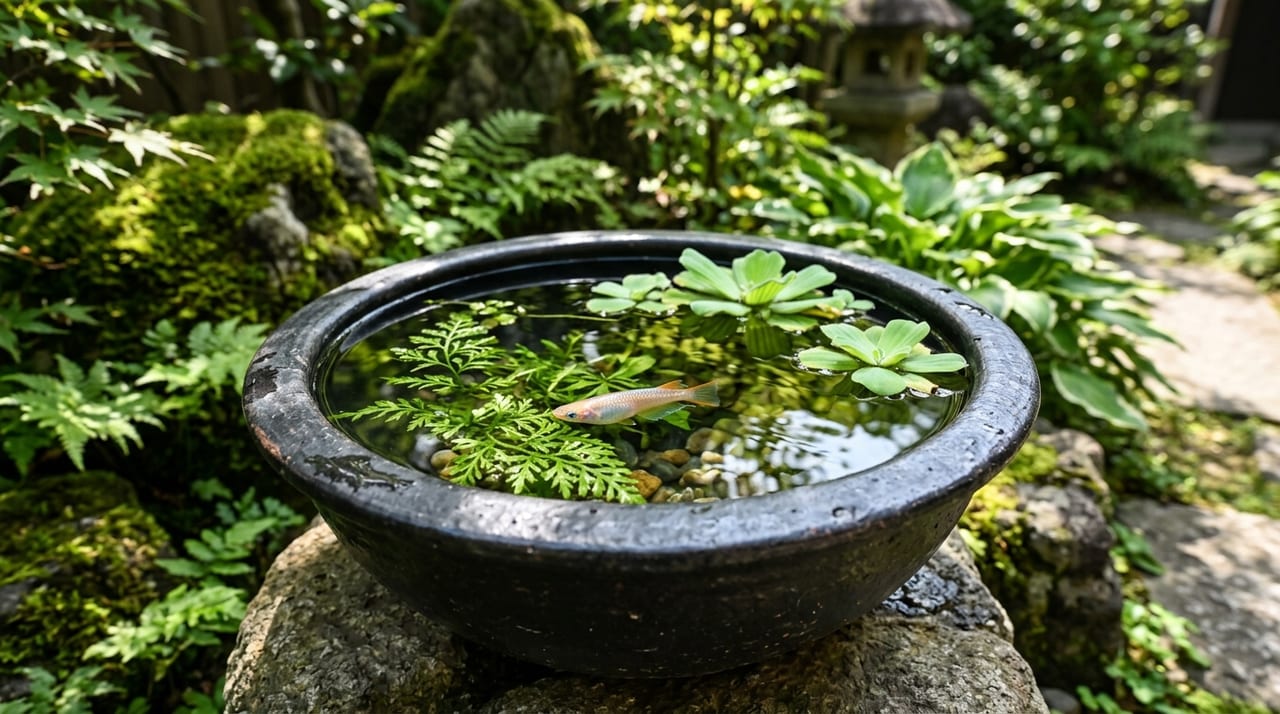
Key Takeaways
Introducing the latest medaka breeds of 2026 (Lame, Deep Sea, and Rainbow types) organized by price range. Also covers how to distinguish quality, tips for selecting breeders, and the basics of breeding management.
Related Species
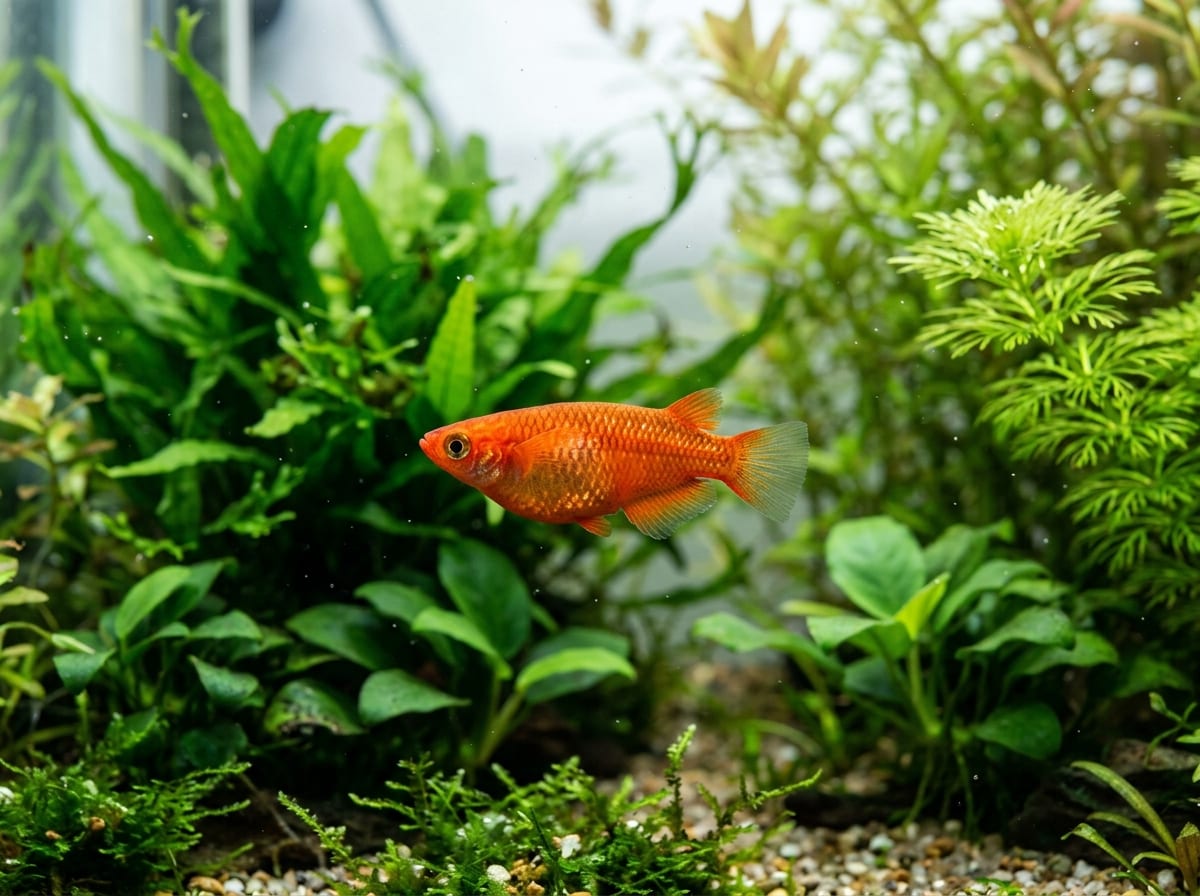
Medaka breeding sees the emergence of new breeds every year, and 2026 is no exception with many notable breeds in circulation. "Medaka latest breeds 2026" is a frequently searched keyword among enthusiasts, reflecting high demand for the latest information. This article explains the trending medaka breeds of 2026, along with selection criteria, price ranges, and where to obtain them.
2026 Medaka Breeding Trends
Evolution of Lame-Type Breeds
The most active area of medaka breeding in recent years has been the development of lame-type breeds. Breeds featuring lame (metallic sheen) on their scales continue to maintain strong popularity, while increasingly diverse lame expressions are being created.
2026 Lame-Type Trends:
- Full-Body Lame: Phenotype with uniform lame across the entire body
- Mother-of-Pearl (Raden) Lame: Interference-color lame that changes with light angles
- Mirror Lame: Lame with mirror-like strong reflectivity
New Body Color Expressions
- Dark Base + Vibrant Lame: An updated version of the Yozakura type with vibrant colors standing out against dark body coloring
- Purple-Toned Body Color: Development of purple and wisteria-toned body color breeds progressing from 2025 through 2026
- White Body + Multi-Color Lame: Complex breeds featuring multiple colored lames on white base
Fin Variation and Improvement
- Matsui Long Fin (Swallow): Established phenotype with elongated fins
- Celestial Maiden Dance-Type: Characterized by fin spread when viewed from above
- Lame Entry on Individual Fins: Breeds where lame appears not just on the body but on the fins as well
Notable Breeds List (2026)
High Price Range (¥10,000+ per fish)
1. Latest Improved Deep Sea-Type Breeds Deep Sea-type breeds with transparent body coloring and distinctive luster. In 2026, improved breeds with greater transparency such as "Equator Deep Sea" and "Crystal Deep Sea" are garnering attention.
Characteristics:
- Body transparency (combined with skeleton-type expression)
- Deep color variation
- Individual character depending on the breeder
2. Rainbow-Type Highest Quality Specimens Rainbow-type breeds, which exploded in circulation during the 2020s, now show clear quality differentiation as of 2026, with high-quality specimens commanding premium prices.
3. House Dust-Type New Breeds New phenotypes of house dust-type breeds characterized by diffuse light reflection patterns.
Mid Price Range (¥1,000–¥10,000 per fish)
4. Yozakura Upgraded Version Mid-price breed that maintains the basic concept of the Yozakura with three-color body (black, yellow, red) and high-density lame, while improving body color balance and transparency fin completion.
5. Five-Color (Goshiki) Type Complex body color expression mixing five colors: black, white, red, yellow, and orange. Goshiki-type remains steadily popular in 2026.
6. Blue Mikine (Aomiiyuki) Type Blue body color variation of the Mikine. The color gradient is beautiful.
Entry Price Range (¥100–¥1,000 per fish)
7. Yangguifei (Yōkihi) High-Color Specimens The standard Yōkihi breed continues to improve in color development through ongoing selective breeding by breeders. Quality varies significantly even among entry-level breeds.
8. Daruma Medaka Round, compact body type. Extreme body shape variations are distinctive. Water temperature management is critical.
9. Mikine Body-Luster Type Standard body-luster-type breed with stable popularity. Perfect for beginners.
Judging Medaka Quality and Price
Quality Evaluation Standards
| Evaluation Item | Check Points |
|---|---|
| Lame Density | Does lame appear on each individual scale? |
| Body Color Uniformity | Are colors even with consistent coloring throughout? |
| Fin Condition | Are fins undamaged and bright without cloudiness? |
| Body Shape Balance | Are the fins free of deformities with normal swimming? |
| Selection Rigor | Is the breeder's selection standard clear? |
Notes When Purchasing from Breeders
- Direct purchase at exhibitions/medaka sales events: Most reliable method with ability to verify specimens in person
- Direct sales from established breeders: Purchase through SNS or websites. Select breeders whose track record and reputation can be verified
- Online purchase: Be cautious about photo-to-actual differences. Check return guarantee and live animal guarantee terms
Points to Avoid:
- Suspiciously low pricing (quality issues or counterfeit brands)
- Excessive image correction (differs significantly from actual specimens)
- Sales without parent fish photographs
- Unknown origin or bloodline
Tips for Maintaining Medaka Breeds and Breeding
Maintaining Breed Purity
Maintaining high-quality breeds requires rigorous selective breeding.
Selection Basics:
- Select individuals where target traits (color, lame, fins) are strongly expressed as parents
- Do not breed individuals with weak traits or body shape issues
- Manage one breed per tank to prevent cross-breeding
Seasonal Spawning Management
| Season | Spawning Conditions | Management Tips |
|---|---|---|
| Spring (Mar–May) | Natural spawning begins | Increase food as water temperature rises |
| Summer (Jun–Sep) | Peak spawning | Watch for high water temperatures (30°C+), shade needed |
| Fall (Oct–Nov) | Spawning subsides | Plan final spawning at season start |
| Winter (Dec–Feb) | Natural spawning stops | Year-round spawning possible with indoor heater |
Egg Collection and Hatch Management
- Collect eggs using spawning beds (water lettuce, artificial spawning beds)
- Keep eggs separate from parent fish in hatch containers (prevents cannibalism)
- Eggs hatch in approximately 10 days at 25°C water temperature
- Feed fry with powdered food or paramecium after hatching
Conclusion
2026 medaka breeding focuses on lame-type, transparent body colors, and complex phenotype expressions at the forefront. High-quality breeds remain expensive, but continuous annual improvements persist, keeping enthusiasts' eyes keen. When bringing home medaka, clarifying your purpose (ornamental viewing, breeding, competition entry) and selecting appropriate breeds and quality specimens from trustworthy breeders leads to long-term satisfaction.