Medaka Breed Catalog | Features and Selection Guide for Youkihi, Miyu, and Sanshoku
A guide to popular medaka breeds organized by body color and body type. Explaining the features, care tips, and price ranges of Youkihi, Miyu (Miyuki), Sanshoku, Lame varieties, Daruma, and more.
Key Takeaways
A guide to popular medaka breeds organized by body color and body type. Explaining the features, care tips, and price ranges of Youkihi, Miyu (Miyuki), Sanshoku, Lame varieties, Daruma, and more.
Related Species
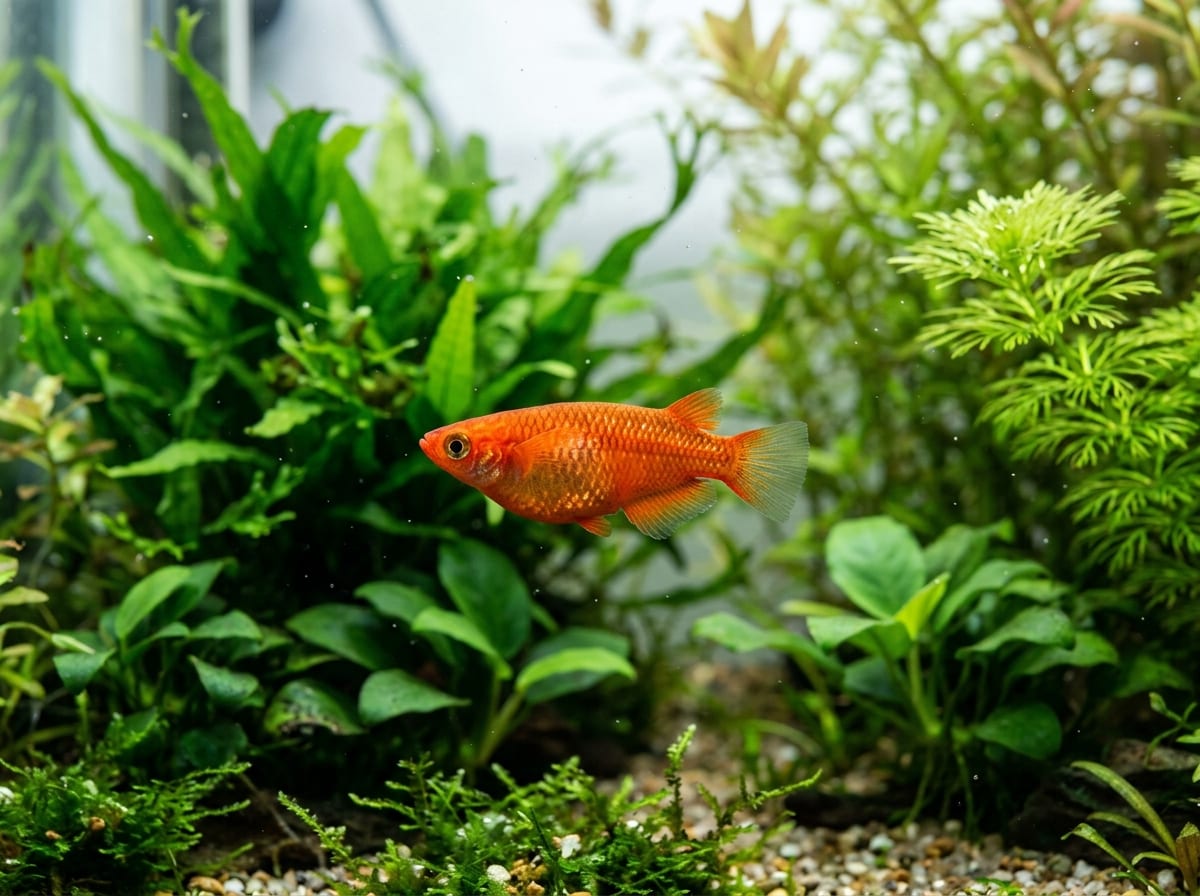
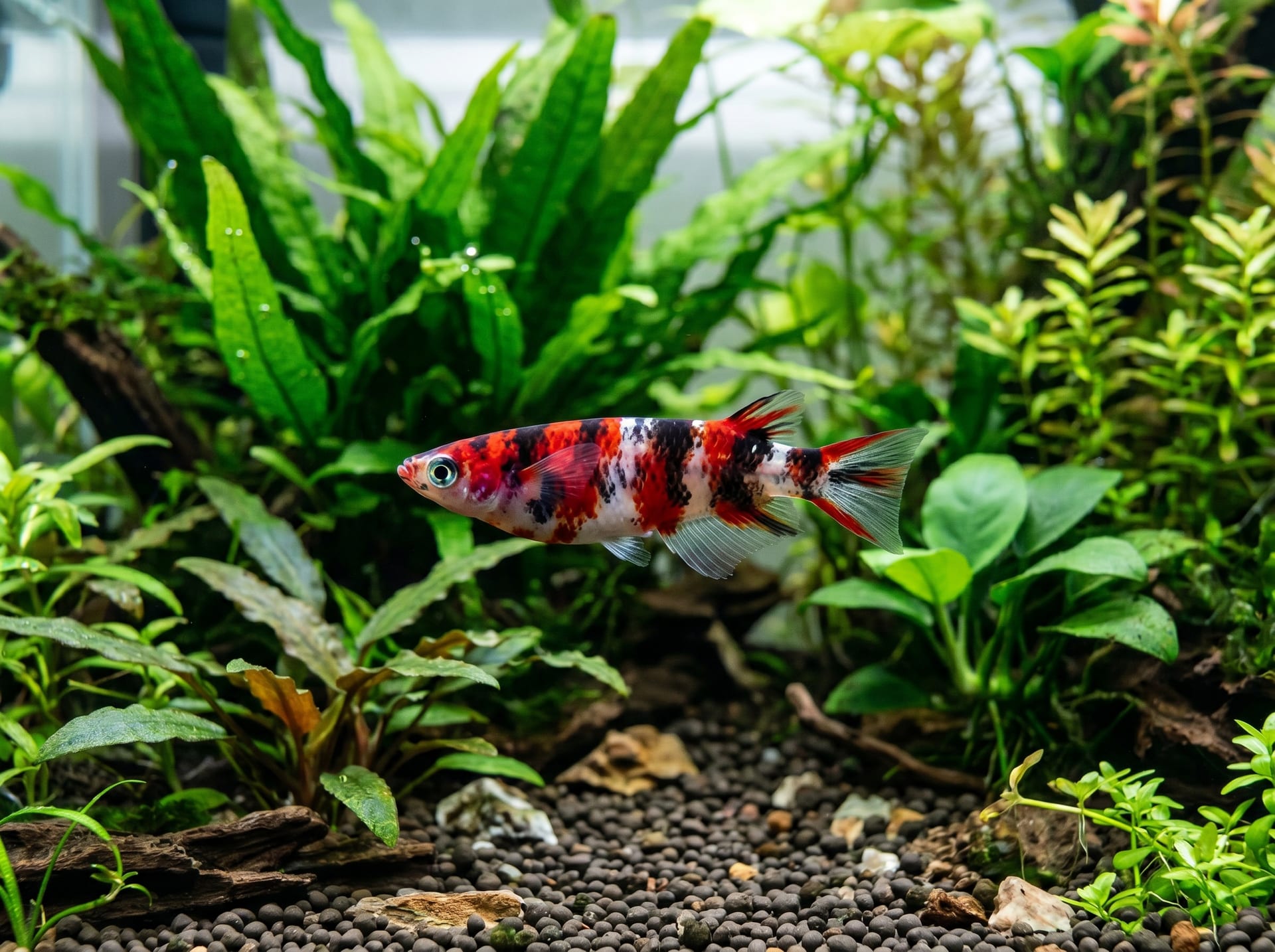
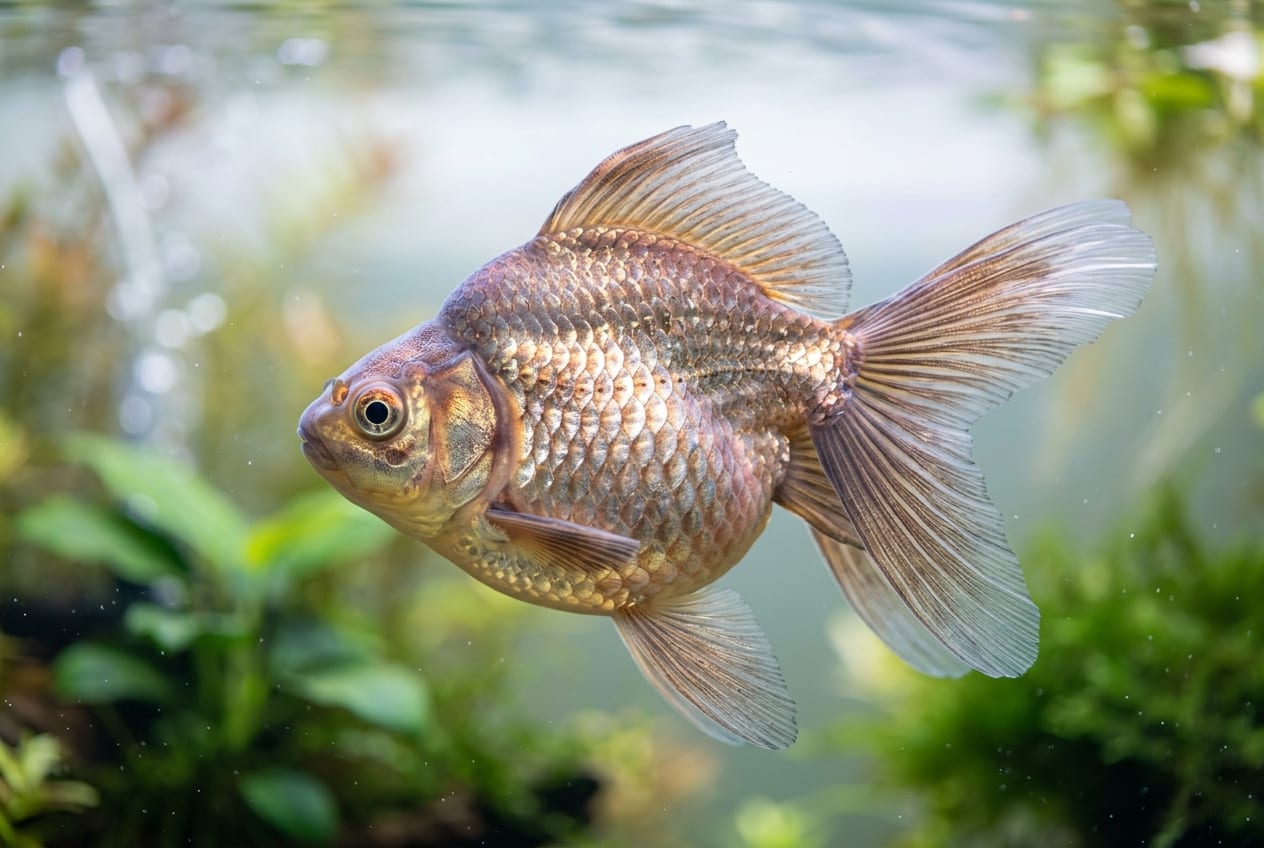
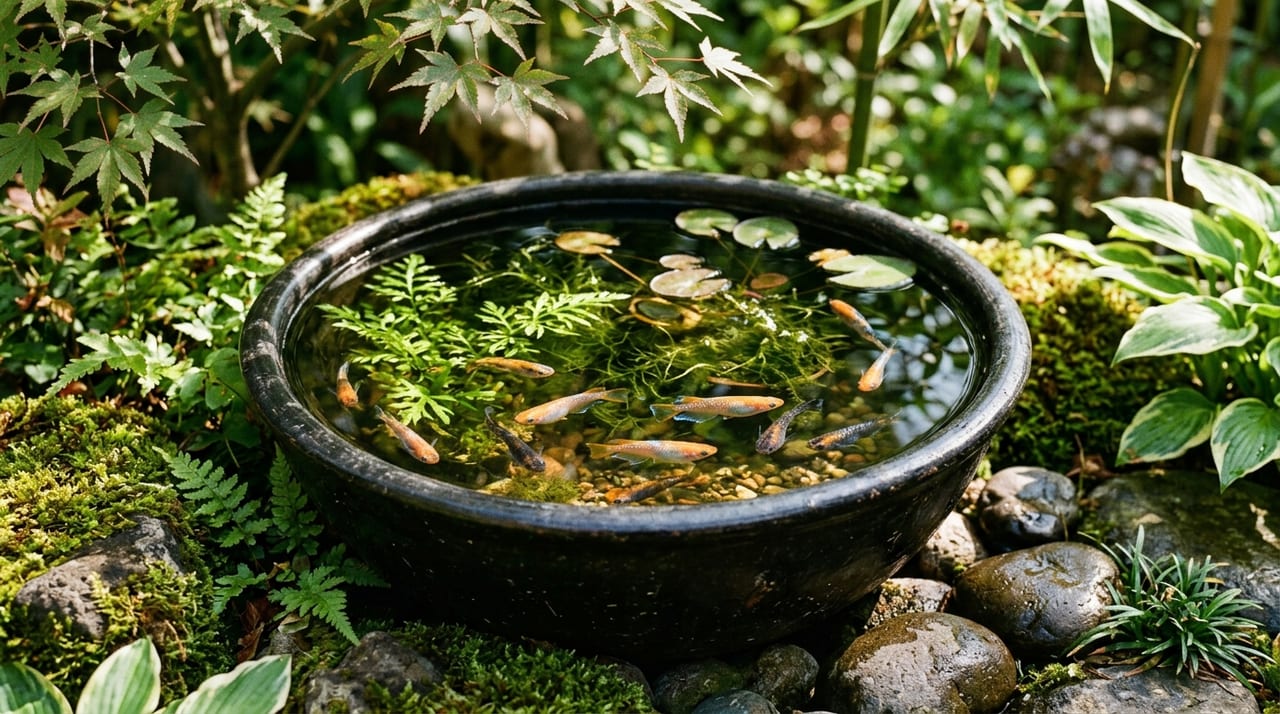
Medaka were once commonly perceived as "drab fish living in rivers and rice paddies," but selective breeding in recent years has dramatically transformed their appearance. The brilliant deep scarlet Youkihi, the Miyu with its mystical sheen on its back, the Sanshoku with its one-of-a-kind pattern—the world of ornamental medaka has evolved into a profound hobby field where gem-like beautiful varieties are continually born.
In this article, we provide clear explanations of popular breed characteristics, difficulty levels, and selection tips—organized by body color, body type, and special patterns—to help both beginners starting their first medaka and experienced breeders searching for their next addition.
Choosing Breeds by Body Color
Youkihi
Youkihi is one of the most popular medaka varieties for ornamental purposes. True to its name, it's characterized by a vibrant body color ranging from deep orange to vermillion red, and despite its classic status, it remains highly sought after even today.
- Difficulty: Low (Suitable for beginners)
- Price Range: Several hundred to several thousand yen (premium-grade individuals may cost more)
- Care Tips: Sunlight is essential for color enhancement. Raising them outdoors in a sunny location will deepen and intensify their body coloration. Using a black container (such as a black trough) makes the orange color pop and dramatically improves their visual appeal. Selecting feed with color-enhancing properties further boosts results.
Miyu
Miyu's greatest appeal is the pale blue-white luminescence running along its back—a phenomenon known as "external light" or iridophore shine. This glow results from melanin pigment mutations, with grades finely divided based on the extent of the light pattern, such as "Super Light" or "Full Body."
- Difficulty: Moderate
- Price Range: Several hundred yen to tens of thousands of yen (full body and "iron mask" grades are especially expensive)
- Care Tips: The key to appreciating the beauty of external light is top-down viewing. Viewing from above showcases the luminescence on the back far better than side viewing. When assessing quality, checking the light pattern from above is essential.
Sanshoku
Sanshoku medaka feature white, vermillion red, and black scattered across their bodies—a variety that lets you enjoy "one-of-a-kind patterns." Since siblings from the same parents display different markings, they have exceptional collectibility and attract passionate enthusiasts.
- Difficulty: Moderate to High (pattern consistency is difficult)
- Price Range: Several hundred yen to tens of thousands of yen
- Care Tips: Individuals with well-defined black pigmentation (sumi) are considered high quality. The sumi can increase or fade as the fish grows, making their development rewarding to observe. Breeding is challenging because pattern variation is significant and achieving desired markings is difficult—it's best suited for advanced keepers.
Lame Varieties
Lame varieties feature shimmering, glitter-like scales across their body surface. These include many variations, from "Miyu Lame" (a cross with Miyu) to Sanshoku Lame and Black Lame Miyu.
- Difficulty: Moderate
- Price Range: Several hundred yen to tens of thousands of yen
- Care Tips: The sparkle of lame scales varies greatly depending on the light source angle. Indoors, careful positioning of aquarium lights will make the lame shimmer beautifully.
Choosing Breeds by Body Type
Daruma and Semi-Daruma
Daruma medaka are characterized by shortened spines and rounded bodies. Their cute, waddle-like swimming style makes them appealing as ornamental fish. However, due to their body structure, the digestive organs experience greater stress, making them more challenging to manage than standard medaka.
- Difficulty: High (Daruma) / Moderate (Semi-Daruma)
- Caution: They're sensitive to sudden temperature changes and prone to digestive issues during hot summer months. Overfeeding must also be avoided. Semi-Daruma are more hardy than full Daruma and spawn more readily, making them better suited for those attempting a Daruma body type for the first time.
Long-Finned (Matsui Long-Finned, Tennyo no Mai)
Long-finned medaka have elongated dorsal, anal, and pectoral fins. Their graceful swimming with flowing fins is so beautiful that one variety is named "Tennyo no Mai" (Dance of the Heavenly Maiden).
- Difficulty: Moderate
- Care Tips: Long fins are easily damaged, so avoid filter intake ports and sharp-edged plant stems. When keeping multiple individuals, monitor for any that might nip the fins.
Key Points for Choosing a Breed
To avoid mistakes when selecting medaka, clarify the following points before purchase.
1. Clarify Your Purpose The ideal breed depends on whether you want to enjoy them purely for display or breed them to increase numbers. For breeding-focused keepers, Youkihi and Miyu have high stability, while Sanshoku and Nishiki varieties are excellent for those who enjoy pattern variety.
2. Choose a Breed Matching Your Skill Level Beginners are encouraged to start with "foundational varieties" like Youkihi, Miyu, and Lame types. These are relatively hardy and easy to raise, making them ideal for learning the basics of medaka keeping. More challenging breeds like Daruma and Sanshoku are best attempted after gaining experience.
3. Optimize Your Display Environment Most ornamental medaka look most beautiful when raised in black containers. This is due to their "body color adaptation"—the ability to adjust their coloration to match the background. In white containers, colors may appear washed out. For outdoor setups, direct sunlight significantly enhances color intensity.
BreederDirect's Safe and Reliable System
BreederDirect is a marketplace connecting you directly with medaka specialists and breeders. Its greatest appeal is the ability to purchase premium-grade individuals and rare varieties directly from breeders—offerings often unavailable through home improvement stores or pet shops.
- Breed Authenticity: Individuals from pedigree-managed breeders have breed names that match their actual expression. Mismatches like "labeled as Youkihi but the color is pale" are rare.
- Access to Premium Individuals: Breeders offer only carefully selected individuals, allowing you to find quality that surpasses typical retail offerings.
- Latest and Rare Varieties: Medaka selective breeding continues to evolve, with many new varieties distributed only within breeder communities. BreederDirect provides access to these cutting-edge varieties.
- Secure Transaction Support: Transactions occur through the platform, providing peace of mind for those hesitant about private individual-to-individual sales.
The allure of medaka keeping lies not just in breed diversity, but in every step of the process—raising them, breeding them, and discovering new favorites. We invite you to find your own special medaka on BreederDirect.