How Long Do Medaka Live? Tips for Longevity and Lifespan by Breed
The average lifespan of medaka is 2-3 years, but with proper care, they can live 4 years or more. This article explains the differences in lifespan by breed and covers tips for water temperature management, feeding, and stress reduction to help your medaka live longer.
Key Takeaways
The average lifespan of medaka is 2-3 years, but with proper care, they can live 4 years or more. This article explains the differences in lifespan by breed and covers tips for water temperature management, feeding, and stress reduction to help your medaka live longer.
Related Species
Medaka are small fish long cherished in Japan's waters, and their endearing nature and ease of care have made them hugely popular as ornamental fish. Many people worry, "Are medaka short-lived?" but with proper care, they can live surprisingly long as companions. This article explains lifespan expectations by breed and provides easy-to-understand tips for keeping your medaka healthy and extending their lives.
Average Medaka Lifespan and Factors Affecting Longevity
Wild medaka typically live 1-2 years, while in captivity they average 2-3 years. With optimal conditions, it's not uncommon for individuals to live 4 years or more.
The main factors affecting lifespan are:
- Water Quality: Water contaminated with ammonia or nitrite damages internal organs
- Water Temperature: Sudden temperature fluctuations or prolonged high temperatures cause significant physical stress
- Stress: Overcrowding and predators cause chronic stress that weakens the immune system
- Nutrition: Unbalanced diets or overfeeding burden the digestive system
- Genetic Factors: The degree of selective breeding affects the fragility of the fish's body
Captive medaka tend to live longer than wild ones because they have no predators and receive consistent food. In other words, a medaka's lifespan largely depends on the owner's care.
Lifespan Expectations by Breed
Medaka now exist in hundreds of selectively bred varieties. Generally, breeds closer to wild-type body forms are hardier and longer-lived. For detailed breed information, see Medaka Breed Encyclopedia | Popular Breeds and How to Choose.
Hardy and Long-Lived Breeds
| Breed | Expected Lifespan | Characteristics |
|---|---|---|
| Black Medaka (Wild-type) | 2-4 years | Hardiest breed. Excellent adaptability to environmental changes |
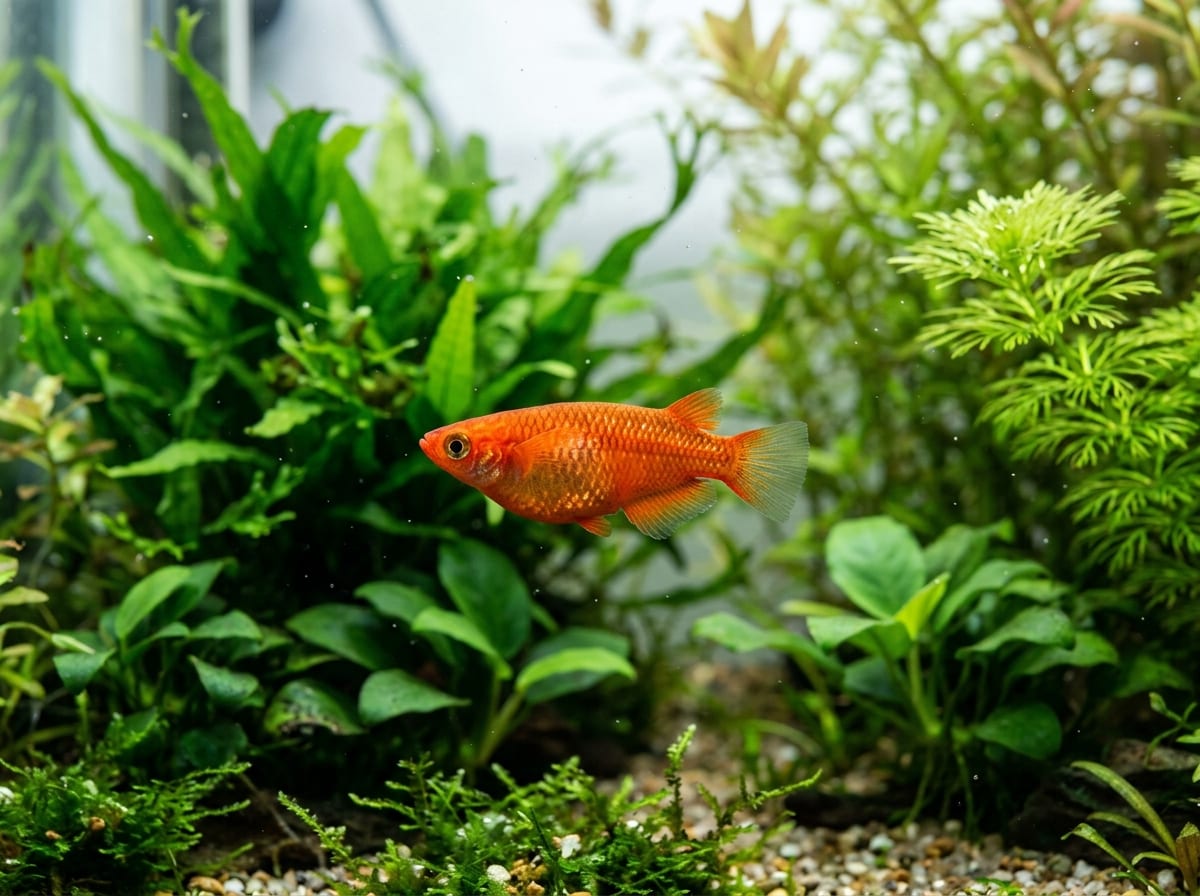
| Yang Guifei | 2-3 years | Striking orange color. Relatively hardy among selectively bred varieties |
| Miuki (Mikado) | 2-3 years | Beautiful iridescent sheen on back. Widely available and easy to obtain |
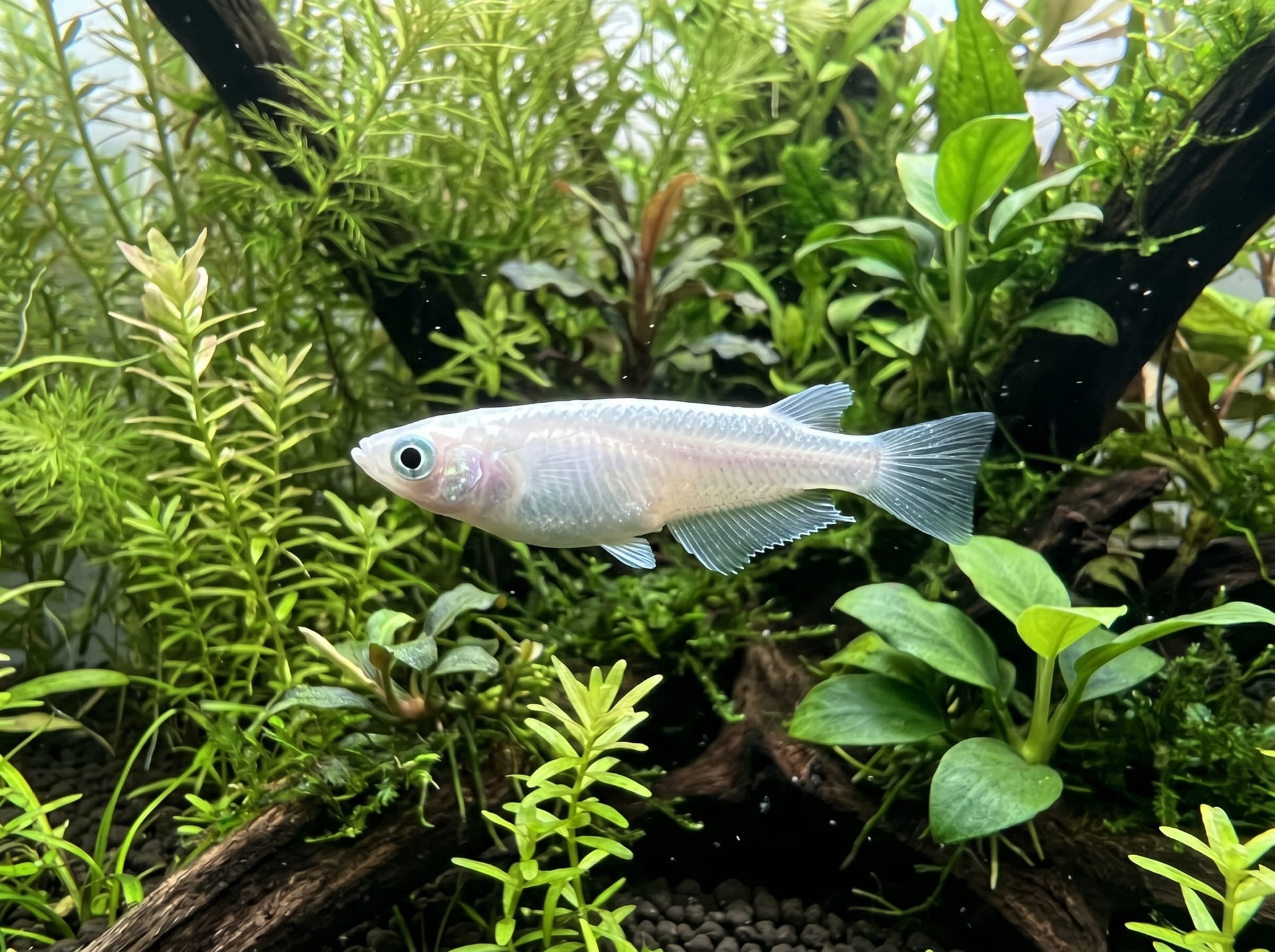
| White Medaka | 2-3 years | Reduced pigmentation but normal body shape and relatively strong |
More Delicate Breeds
| Breed | Expected Lifespan | Characteristics |
|---|---|---|
| Daruma Medaka | 1-2 years | Distinguished by short, compact body shape. Digestive organs are compressed, increasing risk of swim bladder disease |
| Albino Types | 1.5-2.5 years | Weak eyesight, poor at catching food. Care needed when selecting tank mates |
| Long-Fin Types (Swallow, etc.) | 2-3 years | Beautiful long fins but easily damaged. Avoid high-water-flow environments |
| Three-Color and Red-White Types | 2-3 years | Beautiful patterns but high individual variation; some require careful management |
Breeds with unusual body shapes like Daruma Medaka and Albino types tend to be shorter-lived than normal body-type breeds. However, this is just a guideline—with attentive care, many individuals live longer than average.
Creating the Right Environment for Longevity
Water Quality Management is Critical
The most important factor for medaka longevity is water quality. Dirty water causes chronic damage and becomes a breeding ground for disease.
- Regular Water Changes: Change approximately 1/3 of the total water volume once per week
- Filter Use: Even a small filter enables biological filtration through bacteria, stabilizing water quality
- Dechlorination: Always dechlorinate tap water before use
- Substrate Cleaning: Food waste and feces accumulate at the bottom, so regularly siphon with a gravel vacuum
Water Temperature Management
The ideal temperature range for medaka is 18-28°C. Within this range, they swim actively and maintain good immune function.
- Summer: Dangerous above 32°C. Use shade cloth or awnings to block direct sunlight and use aeration to prevent temperature rise. For detailed summer care strategies, see Medaka Summer Care | Heat Management Guide
- Winter: Below 5°C, they enter dormancy. In outdoor tanks, watch for freezing and maintain greater water depth. Indoors, maintaining around 10°C ensures stable overwintering
- Sudden Temperature Changes: Fluctuations of 3°C or more in a day cause significant stress. Be mindful of temperature differences when changing water
Feeding
It's easy to overfeed out of affection, but excessive feeding worsens water quality and burdens the digestive system.
- Frequency and Amount: Feed 1-2 times per day, using an amount that can be consumed in 2-3 minutes as a guideline
- Live Food: Daphnia, paramecium, and tubifex worms have high nutritional value and are effective for enhancing color and promoting spawning. If considering breeding, see Spring Breeding Season Preparation Guide
- Winter Feeding: When water temperature drops below 10°C, reduce feeding or switch to easily digestible food in small amounts. Poor digestion can lead to swim bladder disease
Appropriate Tank Density and Environment
- Density Guidelines: The standard is 1 fish per liter of water. Overcrowding causes stress and oxygen depletion
- Hiding Places: Aquatic plants (Hornwort, Watersprite, etc.) and driftwood provide secure refuge for medaka
- Outdoor vs. Indoor: Outdoor tanks develop green water from sunlight, with plant plankton serving as a natural food source. Indoor tanks offer easier temperature control and observation. Either way, protect from excessive direct sunlight
Medaka Health Signs and Early Disease Detection
Extending your medaka's life depends on careful observation to catch problems early.
Signs of a Healthy Medaka
- Swimming actively near the water surface
- Quick to respond to food
- No wounds or cloudiness on the body
- Fins are held firmly erect
Signs Requiring Attention
- Sitting still on the bottom or gasping at the surface
- Fins appearing frayed or melting (possible fin rot disease)
- White spots on the body (possible white spot disease)
- Extremely swollen abdomen (possible dropsy or swim bladder disease)
If you notice anything unusual, isolate the fish and try a salt bath (0.5% saline solution). Many early-stage symptoms recover with salt baths. Addressing problems before they worsen is the key to longevity.
BreederDirect's Safe and Reliable System
BreederDirect lets you purchase medaka directly from specialist breeders nationwide. By eliminating middlemen from the distribution chain, you reduce transport stress and receive individuals in excellent condition.
- Direct Consultation with Breeders: Get expert advice from experienced breeders about breed characteristics, care methods, and lifespan expectations before you buy
- Selecting Individuals Suited to Your Environment: Receive accurate guidance on choosing breeds appropriate for your setup—whether outdoor or indoor, beginner or advanced
- Confident Purchase of Healthy Fish: Use breeder reviews and ratings to choose trusted sellers. For post-purchase quarantine procedures, see Quarantine Basics for New Fish
With correct knowledge and attentive care, medaka—despite their small size—can live remarkably long and bring daily comfort to your life. As of 2026, the selectively bred medaka boom continues to grow, and rare varieties are easier to find on BreederDirect. Start exploring to find your ideal medaka today.