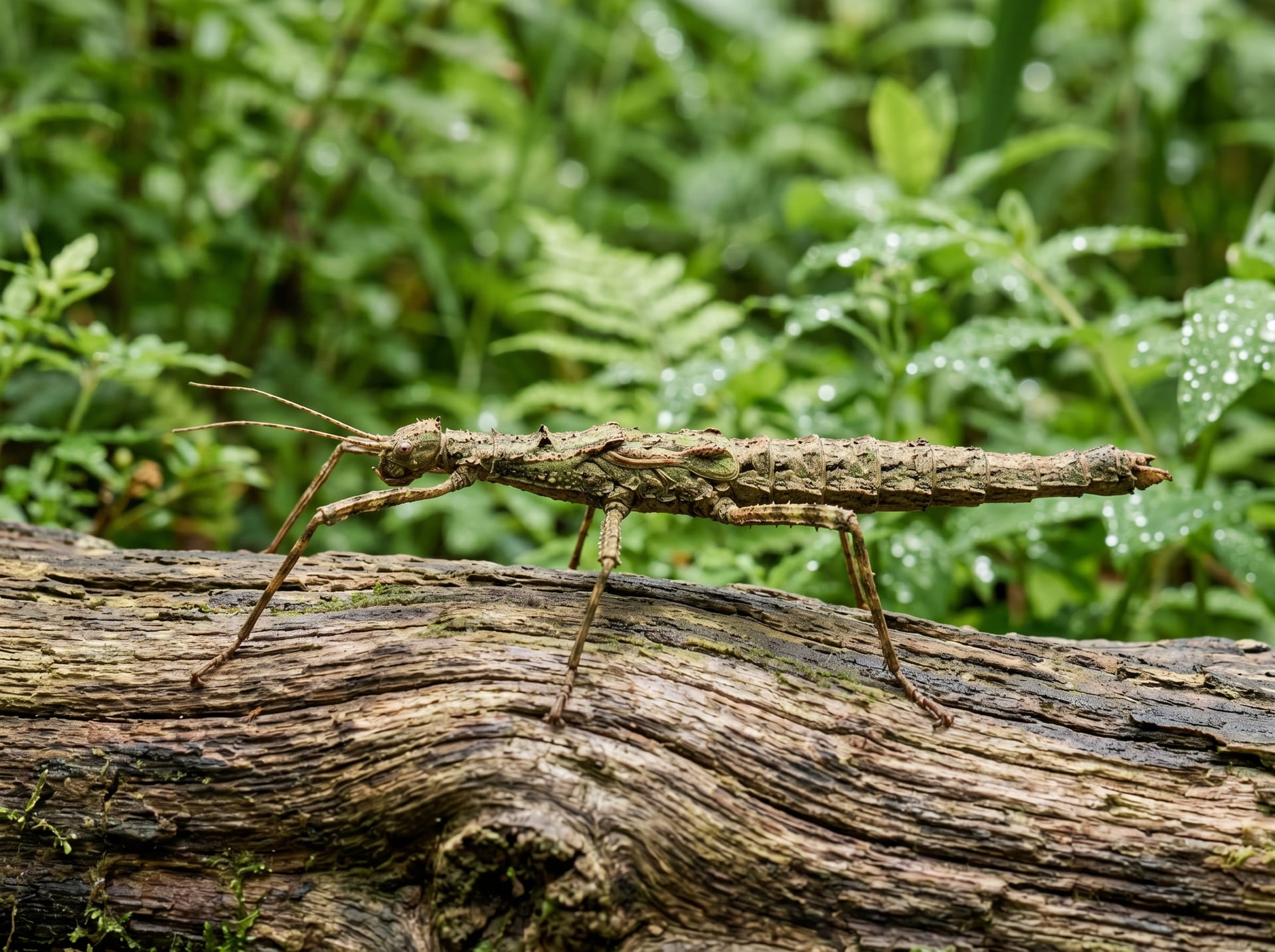
Stick Insect
Elongated insect mimicking twigs. Many species worldwide. Easy care — just feed plant leaves. Many species reproduce parthenogenetically. Popular for education.
View Stick Insect encyclopedia →0% commission on your first sales!Register by September 30, 2026 and your first 2 sales are commission-free!
Breeder Wanted!
List on BreederDirect and sell directly to customers nationwide!
6 Transparency Standards You Can Trust
When listing Insects, Breeders disclose the following. We guarantee transparency on growth stage and breeding unit.
- Life Stage Clarity
- Generation Info
- Real Photos
- Breeding Unit
- Country of Origin
- Body Length (mm)
Browse all 26 breeds
No listings match your filters
Adjust your filters, or get notified when new listings arrive.
Getting alerts is free with a member account. When new listings match your saved search, we'll notify you by email and in-app.
Browse other categories
Verified breeders (preview)
Stick Insect key facts
- Care level
- Beginner-friendly
- Lifespan
- 6 months-2 years (varies by species)
- Size
- 50-300mm (varies by species)
- Temperature
- 20〜26℃
- Humidity
- 50〜70%
- Diet
- Beech, oak, rose family plant leaves
- Enclosure
- Tall mesh cage. At least 3x body length height
- Food
- Keep fresh leaves in water vase at all times
- Breeding
- Drops eggs to floor. Hatches after several months
- Notes
- Don't touch during molting. Needs hanging space
About Stick Insect
Stick insects belong to the order Phasmatodea, with over 3,000 species distributed across tropical and temperate regions worldwide, virtually all of them masters of camouflage. Popular pet species include the Indian stick insect and the spiny leaf insect, ranging from just a few centimeters to over 30 centimeters in length. Their coloration — greens, browns, and blacks — blends seamlessly into foliage, making them one of nature's most remarkable illusionists. Temperamentally, they are among the calmest of all invertebrate pets: slow-moving, non-aggressive, and content to grip a branch for hours. Care requirements are refreshingly minimal — a tall, ventilated enclosure and a steady supply of pesticide-free leaves are the main essentials. For those interested in natural reproduction, many species reproduce parthenogenetically, allowing a single female to produce viable offspring, offering a window into one of biology's most intriguing phenomena right in your own home.
7 things to know before welcoming a Stick Insect
1Choosing the Right Enclosure
Stick insects need vertical space to hang during molting, so a tall enclosure is essential. Aim for a height at least three times the insect's body length. A well-ventilated cage with a mesh lid works best.
2Foodplants and Feeding
Preferred foodplants vary by species; some favor cherry or rose family leaves, while others prefer oak or bramble. Place fresh cuttings in a water-filled vial and block the opening with cotton or wrap to prevent drowning. Always avoid leaves that may have been treated with pesticides.
3Supporting Successful Molts
Stick insects molt several times as they grow, and they are extremely vulnerable during this process. Avoid handling or disturbing them while molting. Lightly misting the enclosure helps maintain adequate humidity and reduces the risk of incomplete molts.
4Parthenogenesis and Breeding
Many commonly kept species can reproduce parthenogenetically, meaning females lay fertile eggs without a male. Place eggs on a substrate such as peat moss, keep them slightly moist, and they will typically hatch within a few months. Manage eggs separately from the substrate to avoid accidentally discarding them.
5Handling with Care
Stick insects are generally docile and rarely bite, but their legs are delicate and may detach if pulled. When handling, encourage the insect to walk onto your hand rather than grabbing it. Take extra care with juveniles, as they are especially fragile.
6Temperature and Humidity
Most species thrive at room temperatures between 20–26°C. In winter, watch for low humidity caused by heating and aim to keep levels at 50–70% by misting. Avoid placing the enclosure in direct sunlight or near heating and cooling vents, as temperature extremes can harm the insects.
7Estimated Keeping Costs
Stick insects are among the most affordable pets to keep; once you have a suitable enclosure and access to foodplants, ongoing costs are minimal. Leaves can sometimes be gathered from gardens or parks, provided the plants have not been treated with pesticides. Startup costs, including an enclosure, can often be kept to just a few thousand yen.
Frequently asked questions about Stick Insect
- Q.How long do stick insects live?
- A.Lifespan varies by species, but most commonly kept species live for 6–12 months as adults. From hatching to the end of their life, the total lifespan is typically around one to one and a half years.
- Q.Do I need to heat the enclosure in winter?
- A.For most popular species kept indoors, standard room temperature maintained by household heating (around 20°C) is sufficient. Avoid exposing them to temperatures below 10°C, and prevent sudden temperature fluctuations.
- Q.How do I care for the eggs?
- A.Collect eggs and place them on slightly moist vermiculite or sand in a small container. Keep the substrate just damp — not wet — to prevent mold. Incubation can take anywhere from a few months to over a year depending on the species, so patience is key.
- Q.Where can I find suitable food plants?
- A.Bramble (blackberry or raspberry) plants are readily available at garden centers and can be grown in pots at home. If foraging wild leaves, be sure to collect only from areas free of pesticides and herbicides — roadsides and sprayed parks are best avoided.
- Q.Is it safe for children to keep stick insects?
- A.Stick insects are non-venomous and rarely bite, making them a safe choice for children. However, because their legs are extremely fragile, adult supervision is recommended whenever young children handle them to prevent accidental injury to the insect.
Useful tools for Stick Insect care
Learn more about Stick Insect in the encyclopedia
View Stick Insect encyclopedia entry →
Care difficulty, lifespan, size and diet — all basics covered.
Stick Insect related articles
See more Stick Insect articles →More in this category
Can't find the one you're looking for?
Post your wishes for free and breeders with matching animals will contact you with introductions.