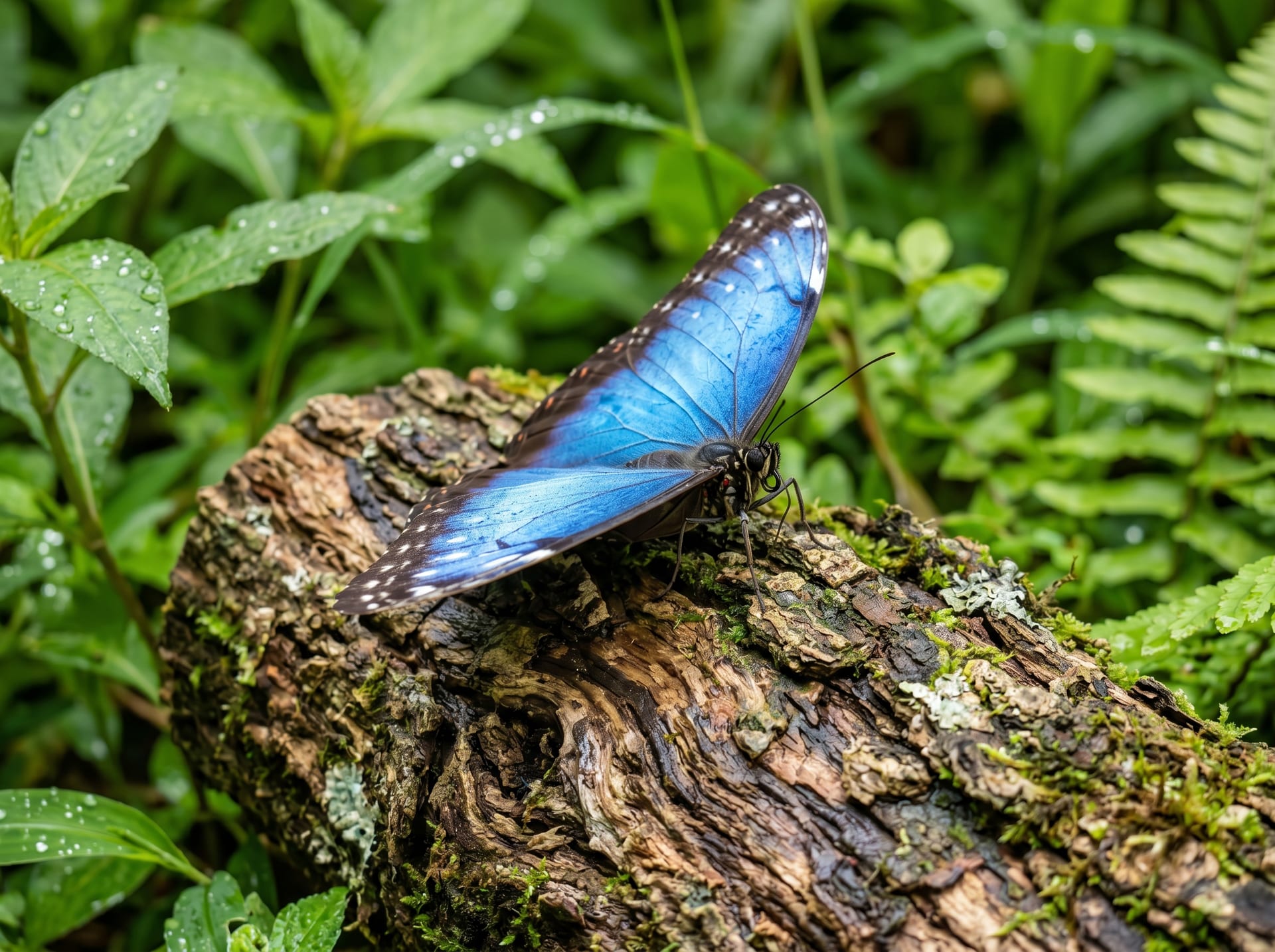
Butterfly
Butterflies captivate enthusiasts with their stunning wing patterns and graceful flight, offering the unique opportunity to witness the dramatic metamorphosis from caterpillar to adult. Since host plants and care requirements vary greatly by species, choosing a species that fits your lifestyle is key to successful long-term keeping.
View Butterfly encyclopedia →0% commission on your first sales!Register by September 30, 2026 and your first 2 sales are commission-free!
Breeder Wanted!
List on BreederDirect and sell directly to customers nationwide!
6 Transparency Standards You Can Trust
When listing Insects, Breeders disclose the following. We guarantee transparency on growth stage and breeding unit.
- Life Stage Clarity
- Generation Info
- Real Photos
- Breeding Unit
- Country of Origin
- Body Length (mm)
Browse all 26 breeds
No listings match your filters
Adjust your filters, or get notified when new listings arrive.
Getting alerts is free with a member account. When new listings match your saved search, we'll notify you by email and in-app.
Browse other categories
Verified breeders (preview)
Butterfly key facts
- Care level
- Intermediate
- Diet
- Larvae eat host-plant leaves; adults feed on nectar or sugar solution
- Housing
- Set up a warm, well-ventilated rearing space. Provide footholds for pupation and emergence, with enough height to spread the wings.
- Diet & Feeding
- Feed larvae the host-plant leaves specific to each species, and feed adults sugar water or fruit. Securing the host plant is the key to rearing.
- Breeding & Egg-laying
- They develop through complete metamorphosis: egg, larva, pupa and adult. Breeding success depends largely on securing the larval host plant.
- Health & Cautions
- Difficulty ranges from beginner to advanced depending on the species. Check the host plant and life cycle of your target species before acquiring it.
About Butterfly
Butterflies (Order Lepidoptera, true butterflies) number approximately 20,000 species worldwide, with around 240 species recorded in Japan alone. They have been beloved in Japanese culture for centuries, frequently appearing in waka poetry and classical paintings. Their greatest appeal lies in the opportunity to observe complete metamorphosis — egg, caterpillar, chrysalis, and adult — entirely at home, making them popular with everyone from children learning about nature to dedicated adult breeders. Appearance varies enormously by species: from the metallic blue of morpho butterflies, to the vivid yellow-and-black of swallowtails, to the intricate eyespots of satyrid species. While butterflies do not have "personalities" in the conventional sense, each species displays distinctive flight patterns and activity rhythms that make extended observation endlessly engaging. As long as the appropriate host plant is available, difficulty of care is relatively low, and many species serve as excellent entry points for insect keeping.
7 things to know before welcoming a Butterfly
1Host Plant Is Essential
Caterpillars will only eat specific host plants, so securing a reliable supply before you begin is essential. Swallowtails rely on citrus family plants, while cabbage whites need brassica family plants. Running out of host plants means the caterpillars will starve, so always keep a steady stock on hand.
2Choosing the Right Enclosure
A plastic rearing container of 20–30 cm works fine for caterpillars, but adults need adequate vertical space to expand their wings after emerging from the chrysalis. Wings that touch a surface immediately after eclosion can become deformed, so it is safer to move the chrysalis to a tall mesh cage before emergence.
3Temperature and Humidity
Most native Japanese species thrive between 20–28°C, but direct summer sun and temperatures above 30°C can be harmful. Overly dry conditions cause molting failures, so maintain adequate humidity inside the enclosure. In winter, different species overwinter in different forms — chrysalis, egg, or larva — so research your species' requirements.
4Adult Lifespan Is Short
Adult lifespan varies by species but is typically only a few weeks to about one month. Adults spend most of their time flying and reproducing, so if you want extended observation, consider a continuous breeding cycle — raising successive generations from eggs or caterpillars.
5Feeding Adult Butterflies
Adults primarily drink flower nectar; in captivity, diluted honey water (5–10 parts water to 1 part honey) or sports drinks absorbed in cotton wool are common substitutes. Gently coaxing the proboscis out with a thin stick often encourages feeding, so assist the butterfly until it learns to feed on its own.
6Egg Collection and Breeding
To breed, place a female with her host plant in the enclosure; she will lay eggs on the undersides of leaves or stems. Cut the leaf with the eggs attached and transfer it to a separate container to wait for hatching. Higher temperatures speed up hatching and growth, but avoid sudden environmental changes.
7Wild Collection and Legal Notes
Collecting most butterfly species within Japan is generally legal, but collection is prohibited or restricted in national parks and for rare protected species such as Shijimiaeoides divinus and Melitaea protomedia. Purchasing captive-bred individuals or eggs from reputable breeders is the safest and most reliable way to start.
Frequently asked questions about Butterfly
- Q.What is the minimum equipment needed to keep butterflies?
- A.A plastic rearing container, a ventilated lid or mesh cage, and the appropriate host plant are enough to get started. For eclosion, a tall mesh cage is recommended to give adults enough vertical space to expand their wings safely.
- Q.Why has my caterpillar stopped eating?
- A.Caterpillars typically stop eating for several hours to a day just before molting. Avoid disturbing them or changing the host plant during this period, as it can injure the caterpillar mid-molt. If the host plant has simply wilted, replace it with fresh material.
- Q.Are there tips for keeping adult butterflies alive longer?
- A.Keep adults in a temperate spot out of direct sunlight and replace their diluted honey water with a fresh supply daily. Minimize handling to avoid wing damage, and place the enclosure in a quiet location to reduce stress — both factors contribute to a longer lifespan.
- Q.My chrysalis is turning dark — is that normal?
- A.A chrysalis darkening and becoming translucent so you can see the wing pattern inside is a completely normal sign that eclosion is imminent. However, if the chrysalis develops mold on its surface or emits an unusual odor, it may indicate disease or death.
- Q.Is it possible to breed butterflies indoors?
- A.Indoor breeding is possible for many species as long as adequate host plants and a stable temperature of 20–28°C are maintained. That said, some species benefit from open flight space or UV light (natural sunlight) to mate successfully, so starting with smaller or more adaptable species is advisable.
Useful tools for Butterfly care
Learn more about Butterfly in the encyclopedia
View Butterfly encyclopedia entry →
Care difficulty, lifespan, size and diet — all basics covered.
Butterfly related articles
Butterfly Captive Breeding Guide: From Pairing Swallowtails, Brush-footed, and Blue Butterflies to Larval Management
A practical guide to captive breeding of butterflies. Explains specific procedures for managing host plants, inducing mating, managing eggs, and all developmental stages from larvae through pupation and emergence of Swallowtails, Brush-footed, and Blue butterflies.
Raising Swallowtail Butterfly Larvae from Pupation to Emergence: A Complete Record to Enjoy with Children
A complete guide to collecting and raising Swallowtail butterfly larvae and bringing them through to emergence. We explain how to source food, prepare raising containers, observe pupation and emergence in ways children can enjoy.
How to Create a Butterfly Garden Guide | Building and Planting a Garden That Attracts Butterflies
Learn how to create a butterfly garden that attracts butterflies. Discover how to choose nectar plants and host plants, plus layout tips.
More in this category
Can't find the one you're looking for?
Post your wishes for free and breeders with matching animals will contact you with introductions.