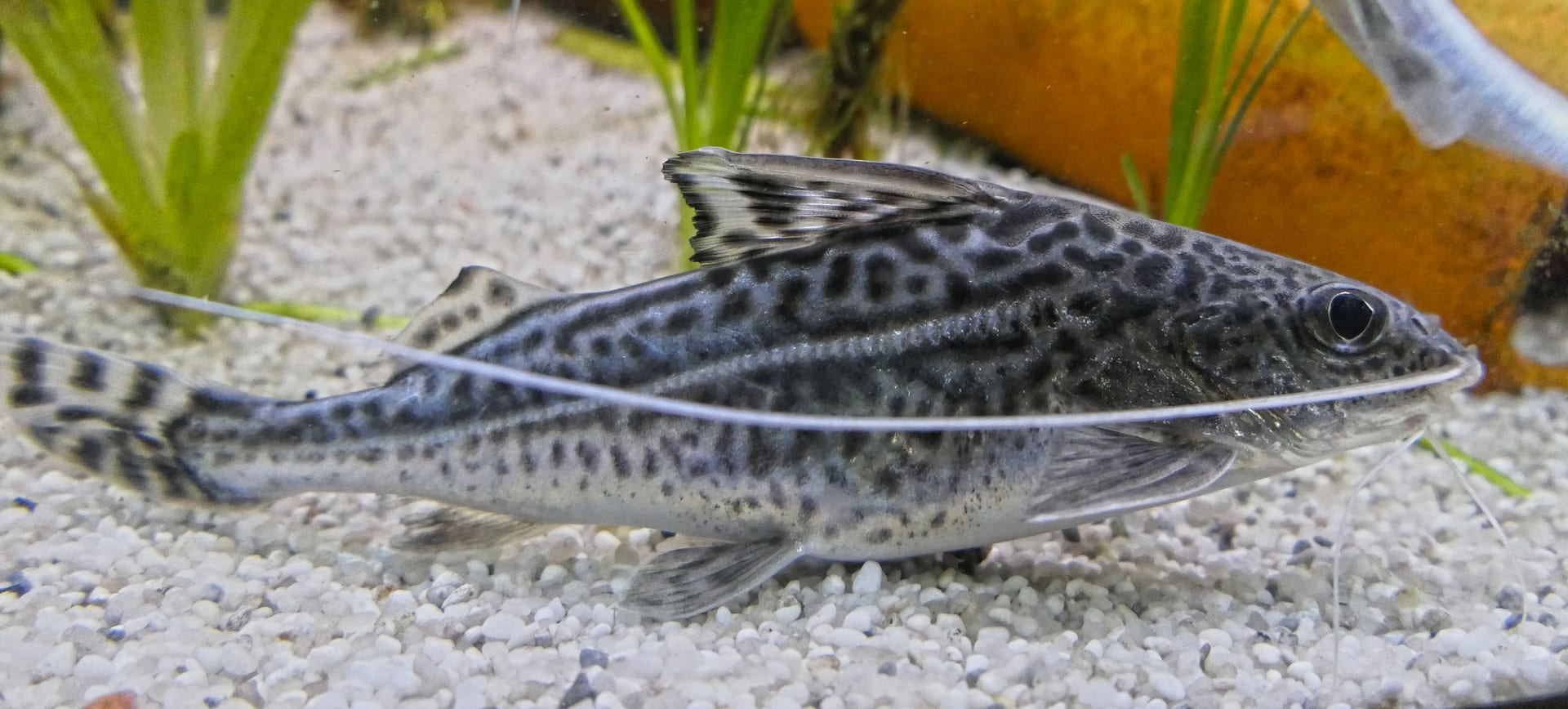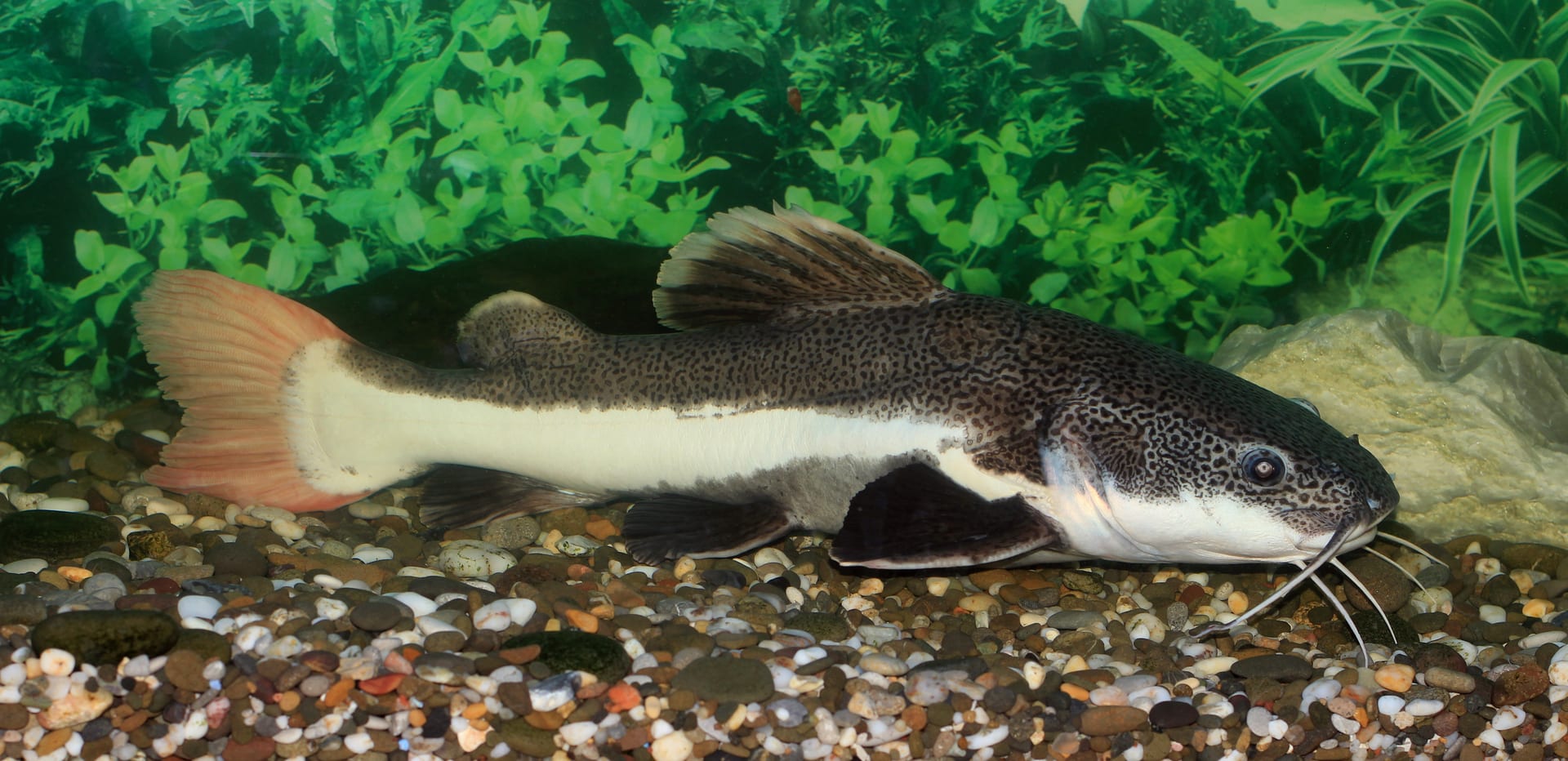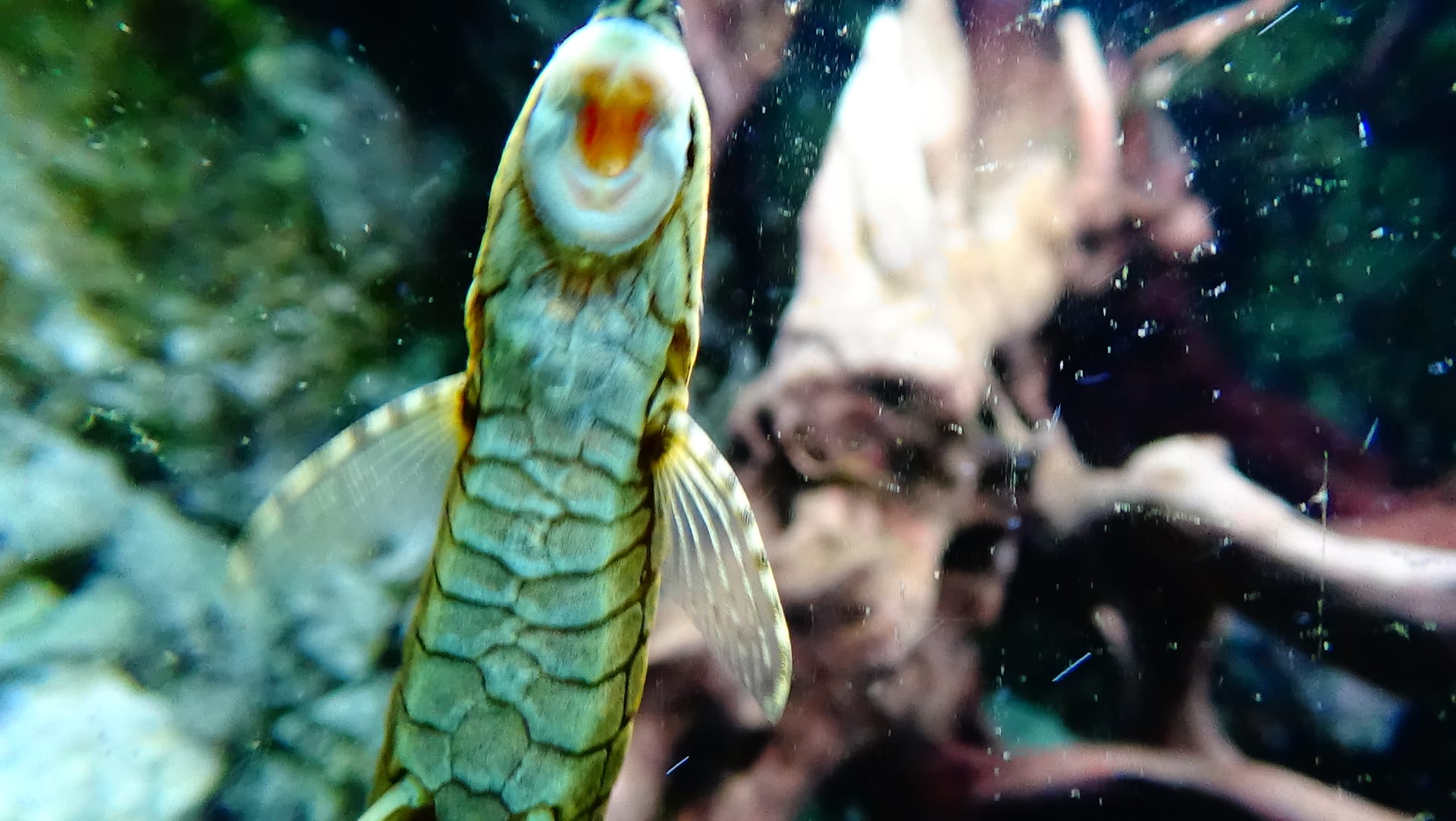
Source: Wikimedia Commons
Twig Catfish
AdvancedFarlowella acus
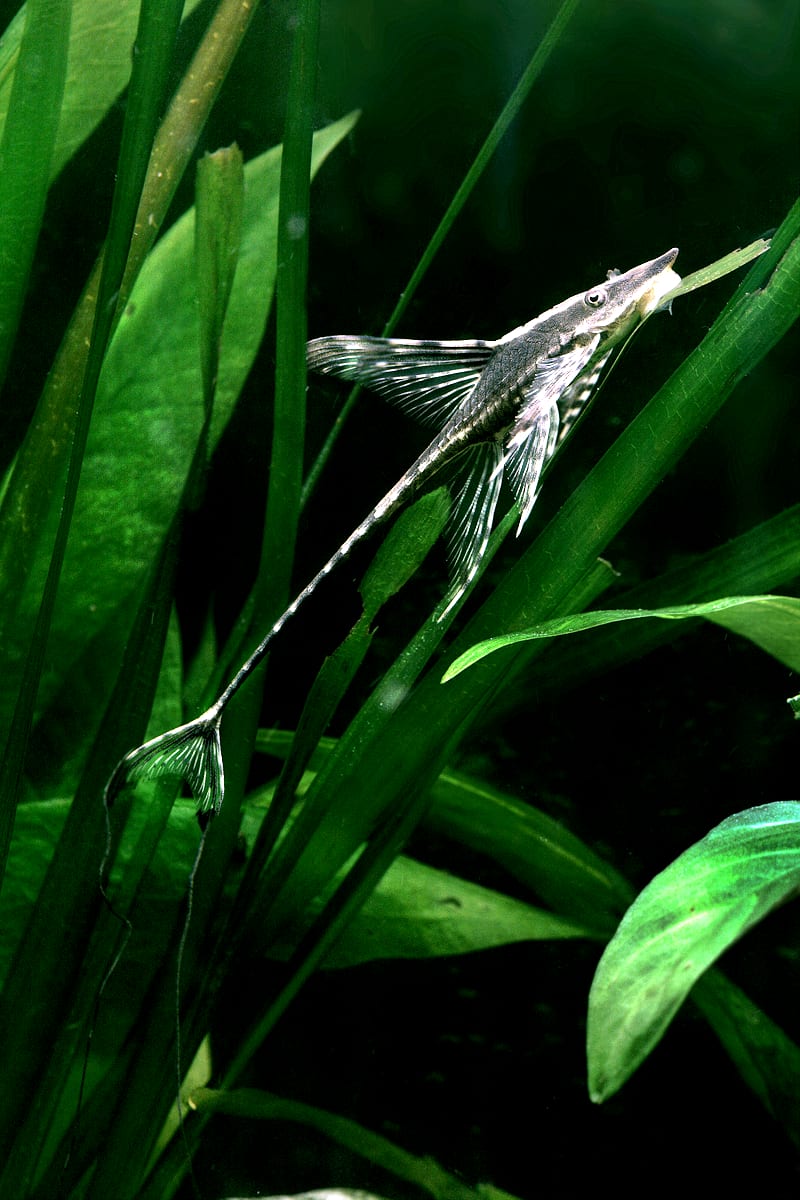
A catfish shaped like a slender twig, olive-green to yellow-brown with an irregular dark band running from the head to the tail root. It grazes algae and is extremely sensitive to sudden changes in water chemistry, making it demanding to keep.
Difficulty
Advanced
Temperature
24〜26℃
Size
14-16cm
Diet
Algae, spirulina tablets and blanched vegetables
About
Farlowella acus is the type species of the genus Farlowella, a loricariid catfish with a disjunct range in the upper Meta basin of Colombia and the Lake Valencia basin and Rio Torito of Venezuela. Rudolf Kner described it as Acestra acus in 1853, but the genus name was preoccupied and Farlowella replaced it in 1889. FishBase records 16.0cm standard length with pH 6.0-7.0, 3-8dH and 24-26C. The body is olive-green to yellow-brown with an irregular dark band running from head to tail root; males have a broader snout that develops odontodes at maturity. Wikipedia recommends a tank of at least 60cm or about 35 US gallons, roughly 132 litres, and warns that the fish succumbs to the shock of large water changes, so several small changes a week are better. A female lays 60 to 80 eggs on a vertical surface; the male tends them and they hatch in six to ten days. The IUCN assesses it as Vulnerable.
Source: Wikipedia (CC BY-SA 4.0)
Size of the Twig Catfish
The Twig Catfish grows to 14-16cm.
Temperature & humidity for the Twig Catfish
The ideal temperature for the Twig Catfish is 24〜26℃.
Basic Info
Origin
South America (upper Meta basin in Colombia; Lake Valencia basin and Rio Torito in Venezuela)
Size
14-16cm
Temperature
24〜26℃
Diet
Care Specifications
- pH
- 6–7
- Hardness (GH)
- 3–8 dGH
- Water Temp.
- 24–26℃
- Min. Tank
- 132 L
PeacefulBreeding: Moderate
Sources: FishBase / Wikipedia / Seriously Fish (Farlowella vittata)
References & Sources
Edited & verified by: BreederDirect editorial team
The taxonomic, regulatory, and husbandry data on this page are compiled and verified against the authoritative primary sources below.
Taxonomy & Authority
Accepted name: Farlowella acus (Kner, 1853)
Synonyms: Acestra acus
Authority databases: FishBase
Nomenclature follows global taxonomic authority databases.
Regulations & Conservation Status
Not CITES-listedIUCN VU · Vulnerable
Sources: CITES Appendices (species not listed) / IUCN Red List
Regulations may change. Always verify the latest information with the relevant authorities.
Twig Catfish Listings
Loading latest listingsFind listings for this species