Black Arowana
AdvancedScleropages jardinii
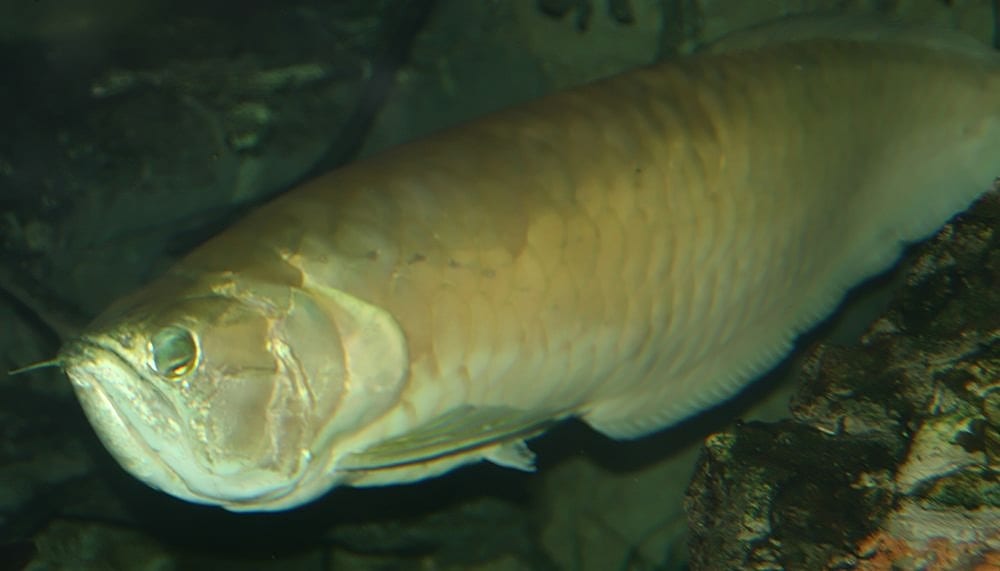
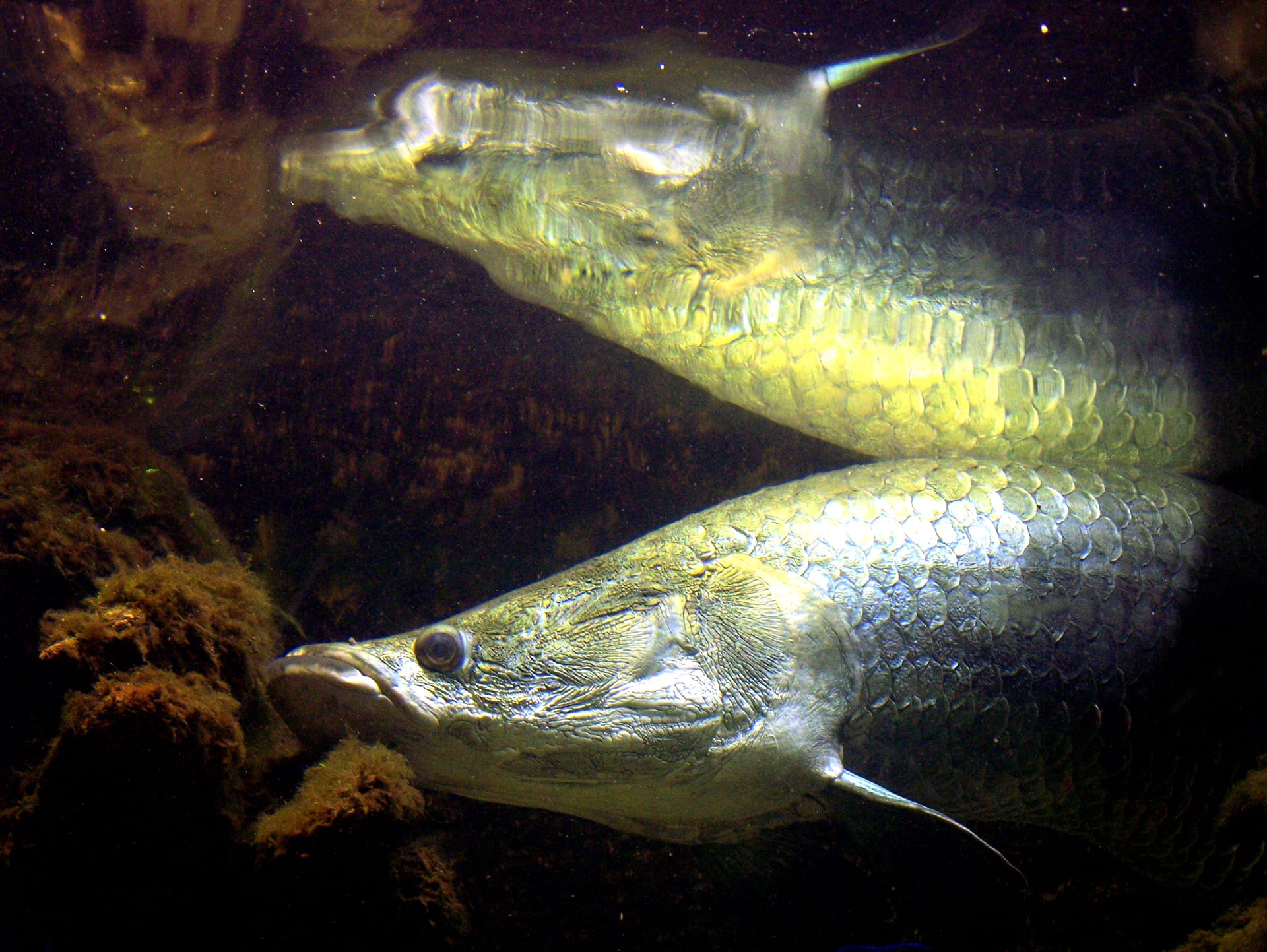
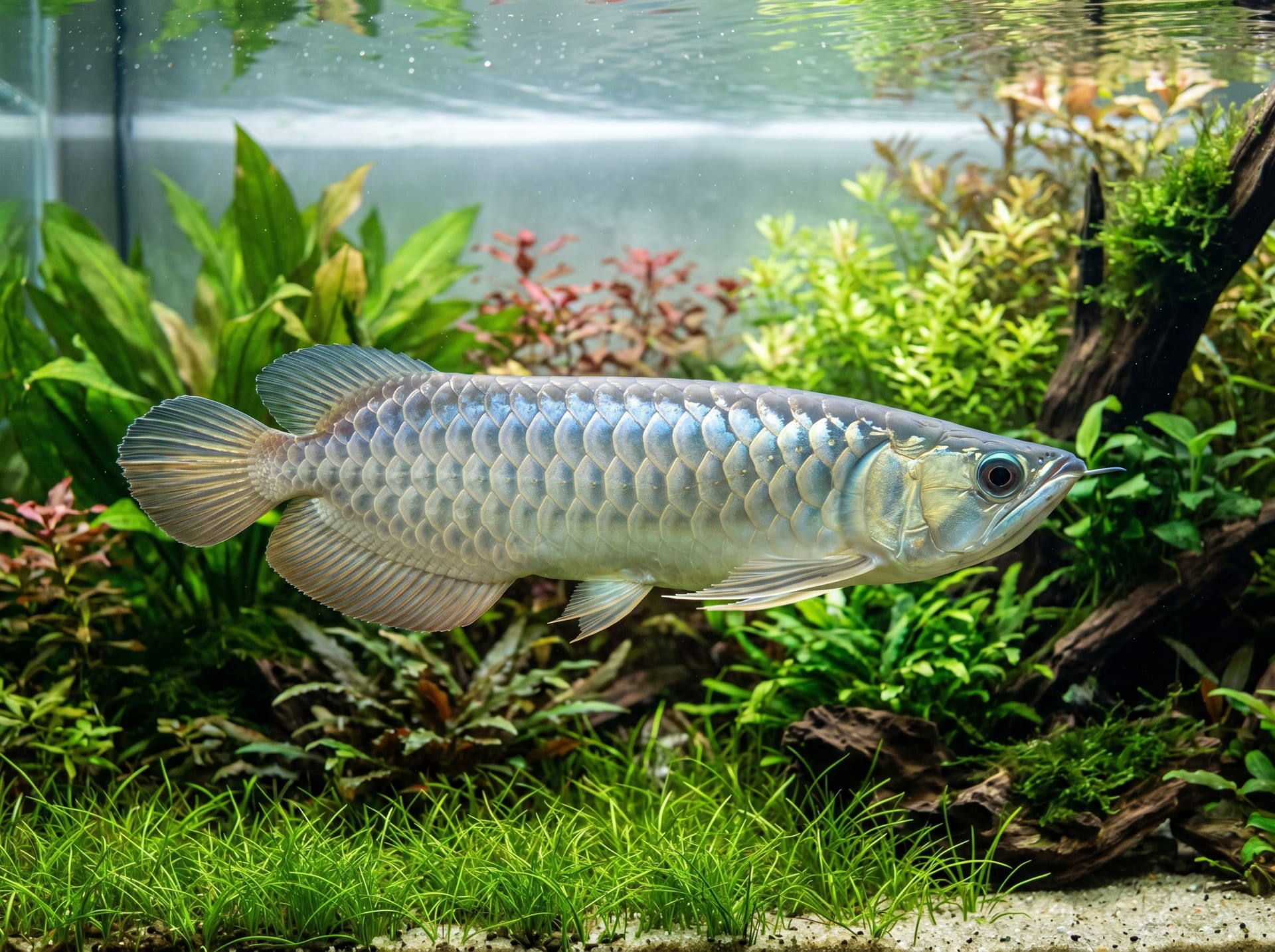
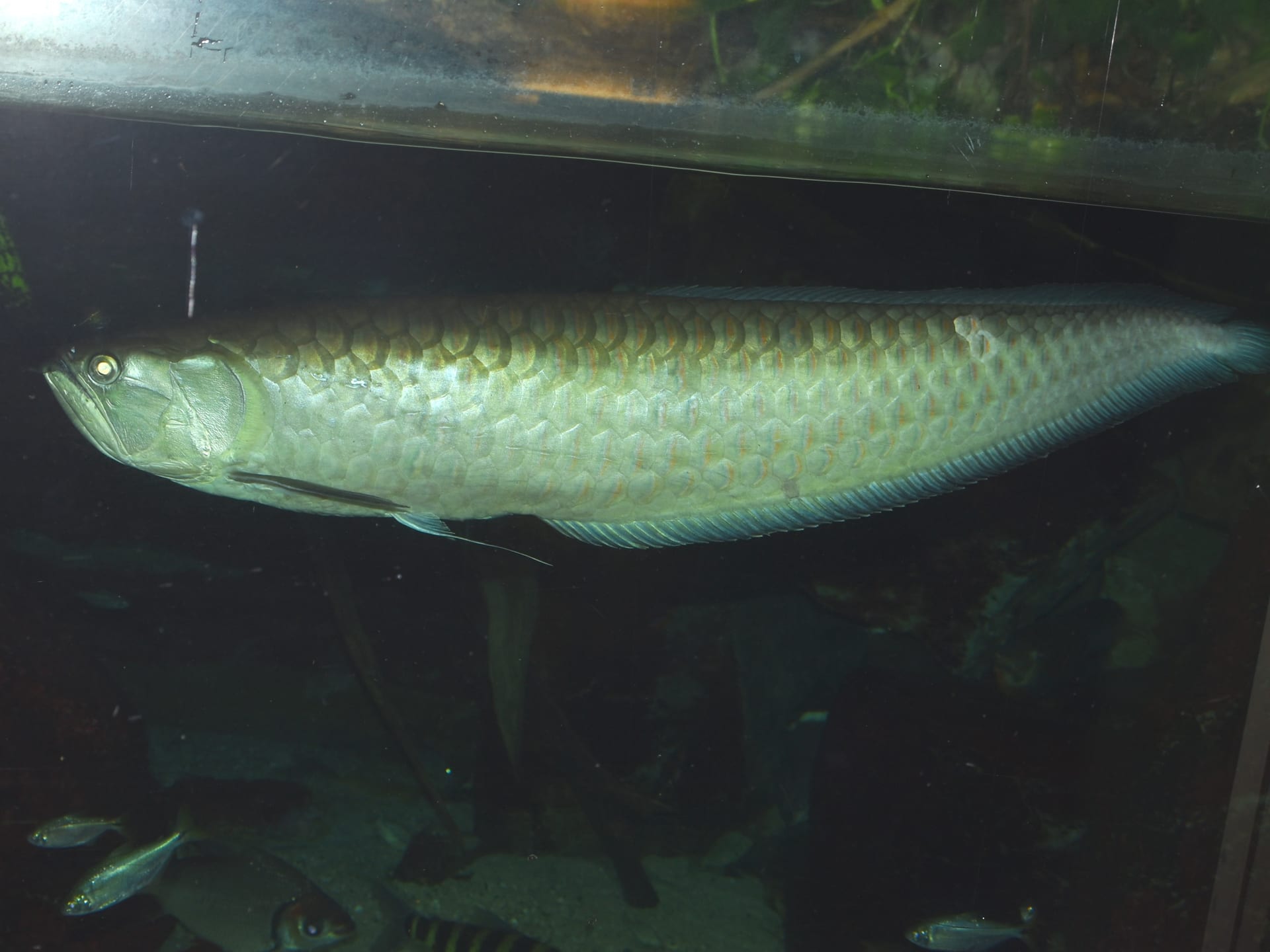
An arowana relative from northern Australia and New Guinea. Each scale carries a red-orange spot, and the fish reaches 90-100cm. It is belligerent and is normally kept on its own.
Scleropages jardinii is a large osteoglossid from northern Australia and central-southern New Guinea. FishBase gives a maximum of 100cm SL with a common length of 55cm. Each flank scale bears a red-orange spot and mature fish take on a metallic sheen. Seriously Fish gives 24-29C, pH 6.8-7.5 and 8-15 degrees hardness, warning that a pH above 7.5 can cause eye problems. A base of 180 x 60cm (about 648 litres) is the bare minimum for an adult. Feed a varied diet of earthworms, gut-loaded mealworms, frozen bloodworm, prawn and mussel plus pellets, since the fish will otherwise fixate on one food. Fish under about 30cm benefit from several feeds a day; adults need only one. In the wild it spawns before the wet season as surface temperatures approach 30C, the female carrying the eggs in her mouth. It is territorial and belligerent, especially towards other arowana, so it is normally kept singly.
Source: Wikipedia (CC BY-SA 4.0)
The Gulf Saratoga grows to Up to about 90-100cm.
The ideal temperature for the Gulf Saratoga is 24〜29℃.
Origin
Oceania (northern Australia and central-southern New Guinea)
Size
Up to about 90-100cm
Temperature
24〜29℃
Sources: Seriously Fish / FishBase
Edited & verified by: BreederDirect editorial team
The taxonomic, regulatory, and husbandry data on this page are compiled and verified against the authoritative primary sources below.
Accepted name: Scleropages jardinii (Saville-Kent, 1892)
Authority databases: FishBase
Nomenclature follows global taxonomic authority databases.
Sources: CITES Appendices (species not listed) / IUCN Red List
Regulations may change. Always verify the latest information with the relevant authorities.
Find listings for this species
Earthworms, frozen foods (bloodworm, prawn, mussel), pellets
A base of 180 x 60cm (about 648 litres) is the absolute minimum for an adult. The fish jumps, so cover the surface with a heavy lid.
24-29C, pH 6.8-7.5, 8-15 degrees hardness. A pH above 7.5 is reported to cause eye problems, so keep the water from drifting alkaline.
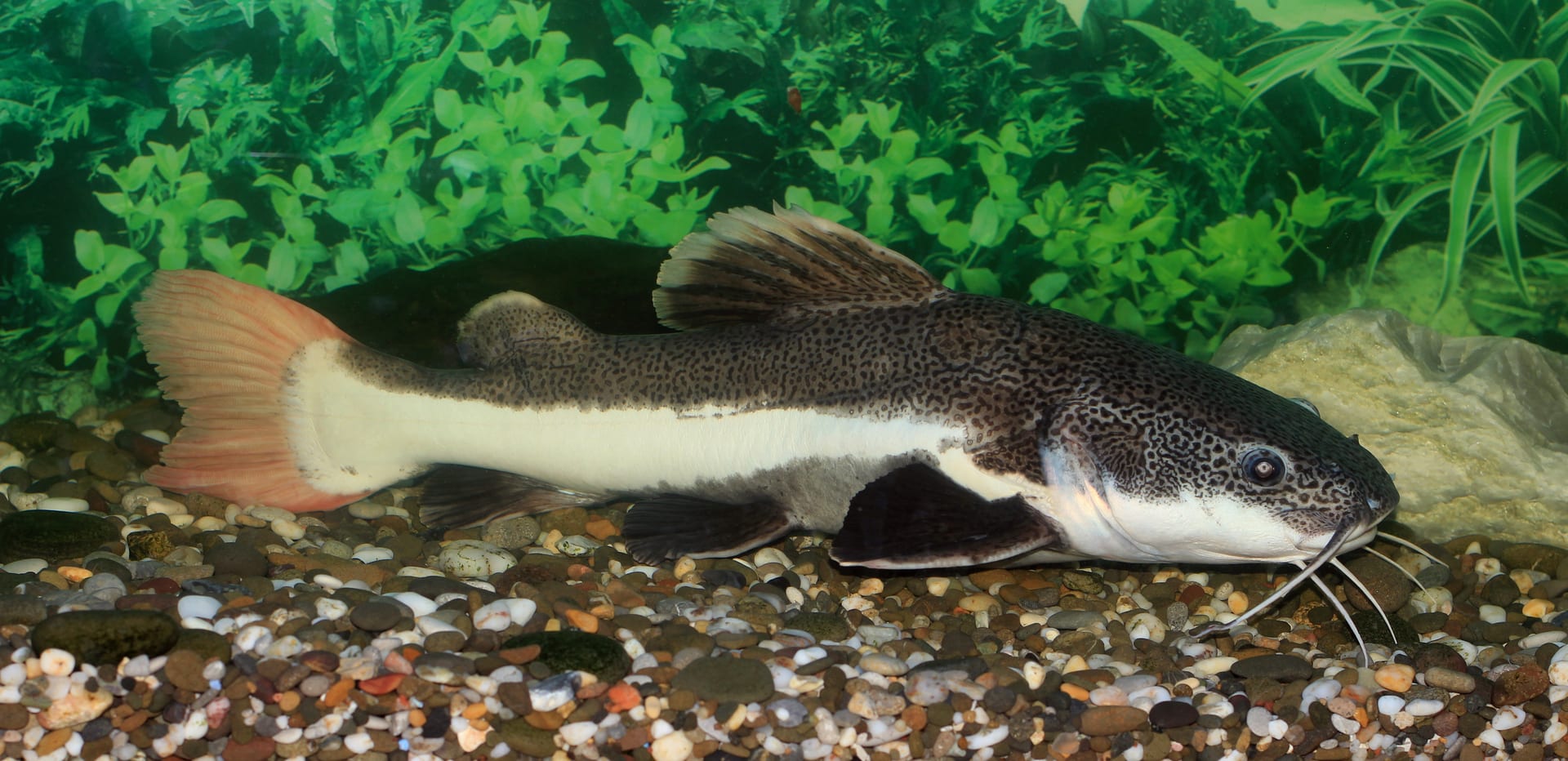
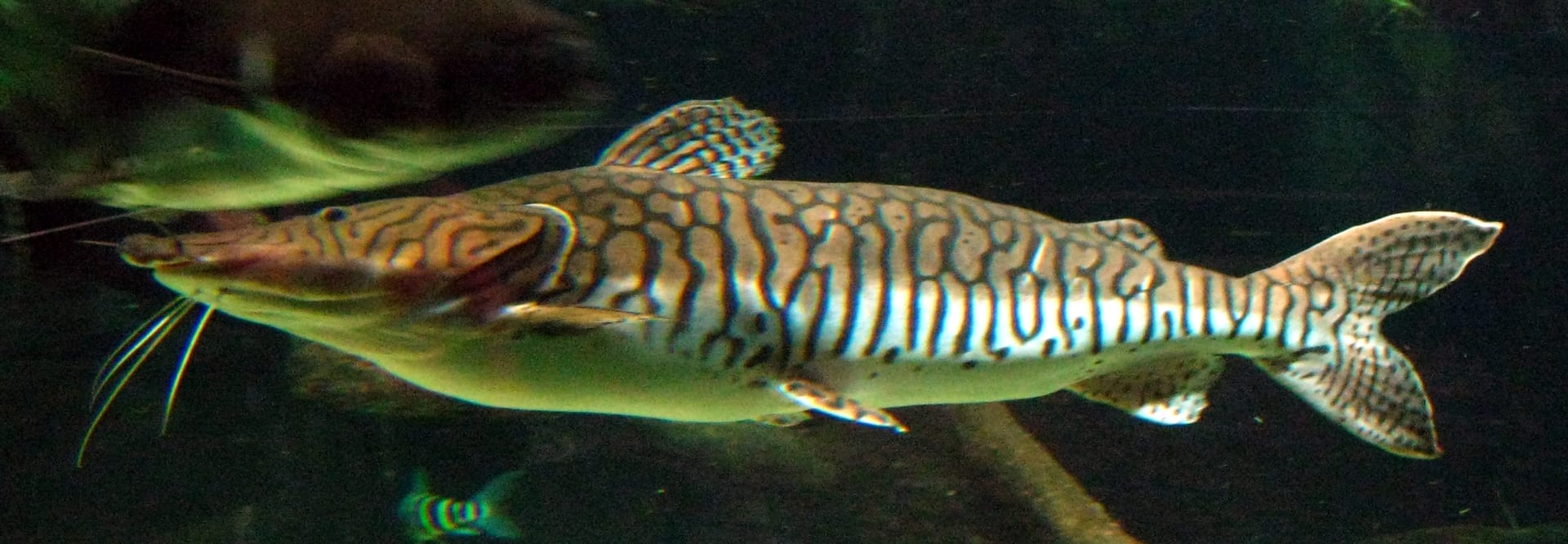
Very territorial towards other arowana; keep singly as a rule. Large catfish, cichlids and knifefish of similar size can sometimes share the tank.
Mix earthworms, frozen bloodworm, prawn, mussel and pellets, and keep it varied. Fish under 30cm several times a day, adults once daily.
A maternal mouthbrooder that spawns before the wet season as water approaches 30C. Rarely bred in tanks; commercial production uses outdoor ponds.
Watch for eye problems if pH rises. Growth is fast and the fish is aggressive, so plan for an adult-sized tank and solitary housing from the start.
Advanced. This is an advanced-level species. It requires specialized equipment and advanced husbandry skills with precise environmental control.
The ideal temperature for Gulf Saratoga is 24〜29℃. Avoid sudden temperature changes and maintain a stable environment.
Gulf Saratoga typically reaches Up to about 90-100cm as an adult. Size may vary depending on care conditions and individual genetics.
Gulf Saratoga feeds on: Earthworms, frozen foods (bloodworm, prawn, mussel), pellets. Aim for a balanced diet with appropriate feeding frequency.
The price of Gulf Saratoga varies significantly depending on morph, size, and lineage. Check our market price page for the latest pricing information.
Last updated: September 16, 2026