Source: Wikimedia Commons
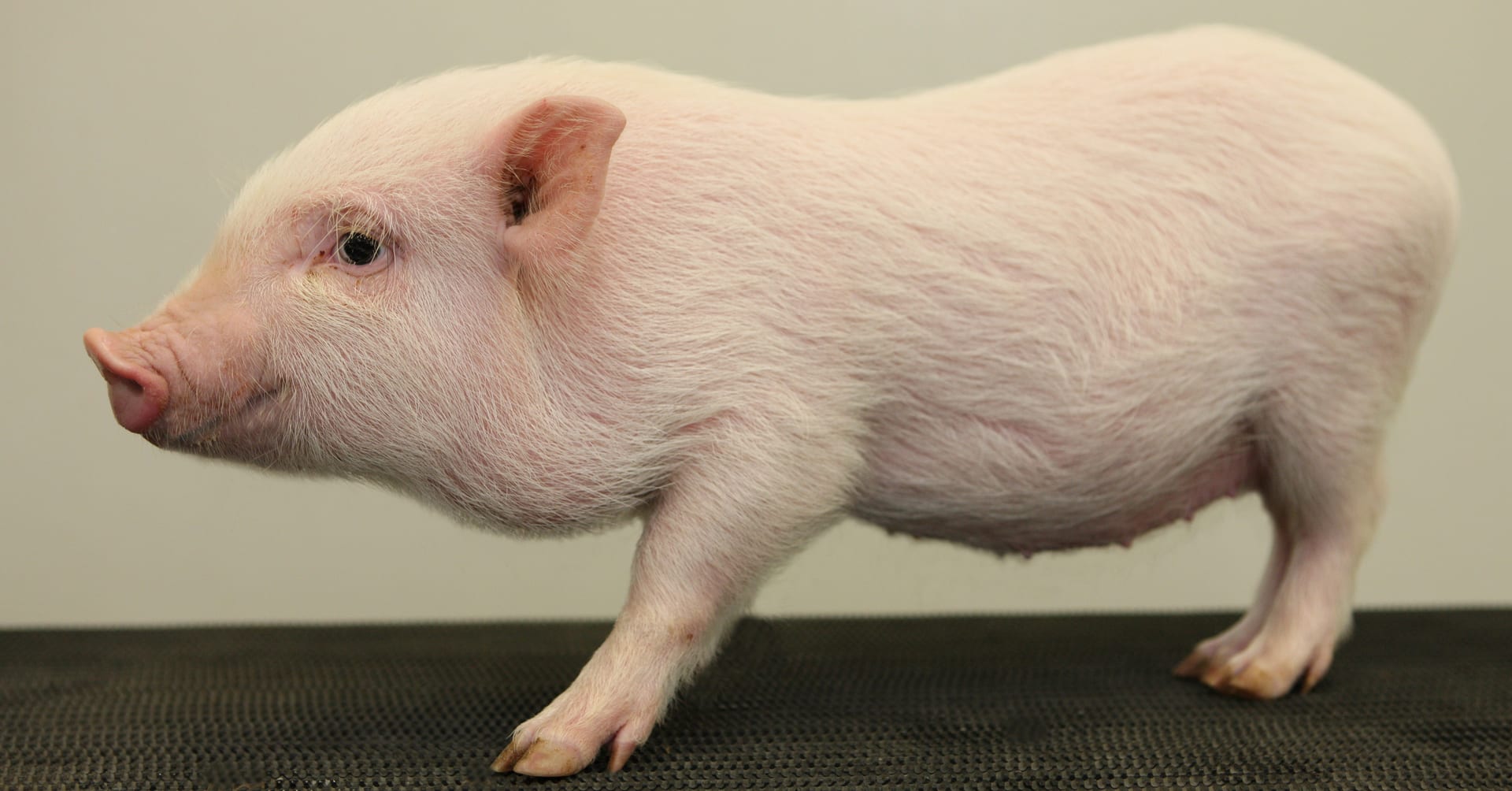
Vietnamese Pot-bellied Pig
IntermediateSus scrofa domesticus
A small pig from Vietnam's Red River Delta that became a North American pet in the 1980s. Even as pets they fall under Japan's livestock disease law, with hygiene standards and annual reporting.
Difficulty
Intermediate
Temperature
18〜26℃
Lifespan
10-15 years
Size
Height about 35cm / about 50kg (40-70kg for miniature pigs generally)
Humidity
40〜60%
Diet
Miniature-pig feed, vegetables, fruit
About
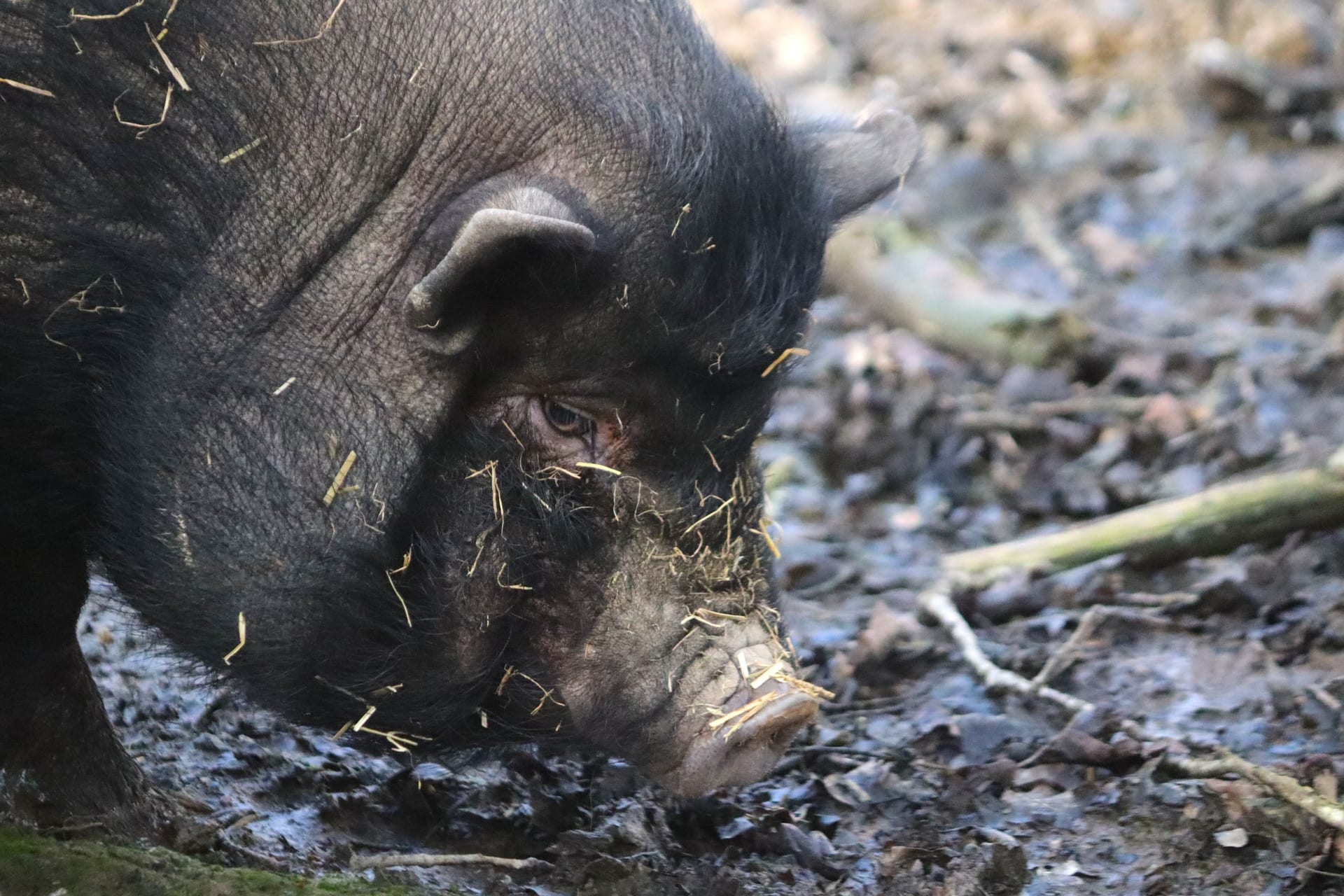
The Vietnamese pot-bellied pig (Sus scrofa domesticus) is a small native pig of the Red River Delta in Nam Dinh Province, northern Vietnam, marked by a large sagging belly, sway back and heavily wrinkled black skin. Small numbers were exported to Canada and Sweden in the 1960s; the breed reached the United States in the mid-1980s and was being sold as a pet by the end of that decade. Most miniature pigs in Japan trace to this lineage. Adults average about 50 kg for males and 48 kg for females at 35-36 cm tall, while miniature pigs in general run 40-70 kg and some exceed 100 kg, clearly larger than the existing micro pig entry. It is robust, resistant to disease and parasites, and thrives on coarse fare. It fattens easily, leading to joint and circulatory problems, so weight must be managed strictly on a miniature-pig feed. Boars' tusks grow continuously and need periodic trimming. In Japan even pet pigs fall under the hygiene management standards of the Act on Domestic Animal Infectious Diseases Control, with mandatory annual reporting of numbers kept to the prefecture by April 15. Municipal rules on keeping pigs vary, so check beforehand. In its homeland numbers fell so sharply that the FAO rated it endangered in 2007.
Source: Wikipedia (CC BY-SA 4.0)
Lifespan of the Vietnamese Pot-bellied Pig
The Vietnamese Pot-bellied Pig lives 10-15 years.
Lifespan is 10-15 years.
Size of the Vietnamese Pot-bellied Pig
The Vietnamese Pot-bellied Pig grows to Height about 35cm / about 50kg (40-70kg for miniature pigs generally).
Basic Info
Origin
Vietnam (Nam Dinh Province, Red River Delta)
References & Sources
Edited & verified by: BreederDirect editorial team
The taxonomic, regulatory, and husbandry data on this page are compiled and verified against the authoritative primary sources below.
Taxonomy & Authority
Accepted name: Sus scrofa domesticus Linnaeus, 1758
Authority databases: GBIF
Nomenclature follows global taxonomic authority databases.
Regulations & Conservation Status
Not CITES-listed
Domestic law: Covered as a pig under the hygiene management standards of the Act on Domestic Animal Infectious Diseases Control; annual reporting to the prefecture by April 15 is required regardless of purpose (pet, exhibition, etc.). Imports are subject to cloven-hoofed animal quarantine.
Sources: CITES Appendices (not listed) / MAFF Hygiene Management Standards for Livestock / Animal Quarantine Service: other animals (cloven-hoofed import quarantine)
Regulations may change. Always verify the latest information with the relevant authorities.
Vietnamese Pot-bellied Pig Listings
Loading latest listingsFind listings for this species