Source: Wikimedia Commons
Nigerian Dwarf Goat
IntermediateCapra hircus
A miniature dairy breed developed in the US from West African dwarf goats. Under 57-60cm at the withers and about 35kg. Distinct from the meat-type Pygmy Goat.
Difficulty
Intermediate
Temperature
18〜26℃
Lifespan
8-12 years
Size
Under 57-60cm at withers / about 35kg
Humidity
40〜60%
Diet
Pasture, hay, goat feed
About
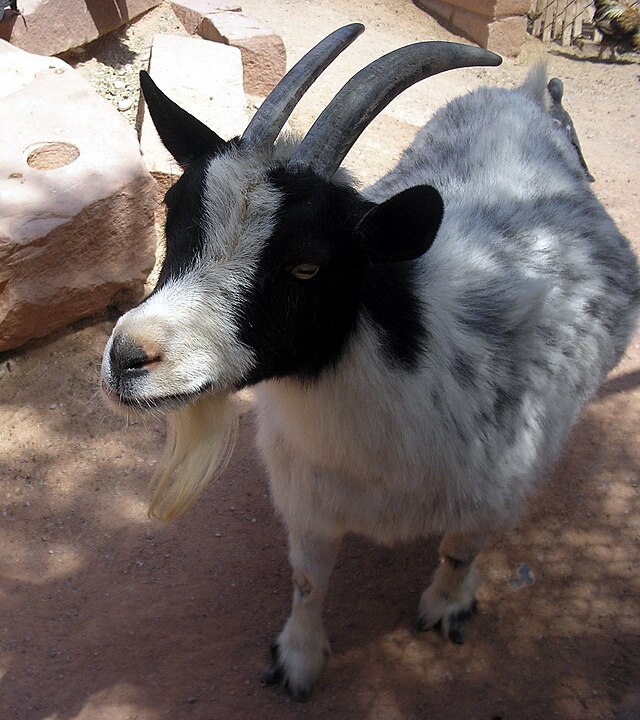
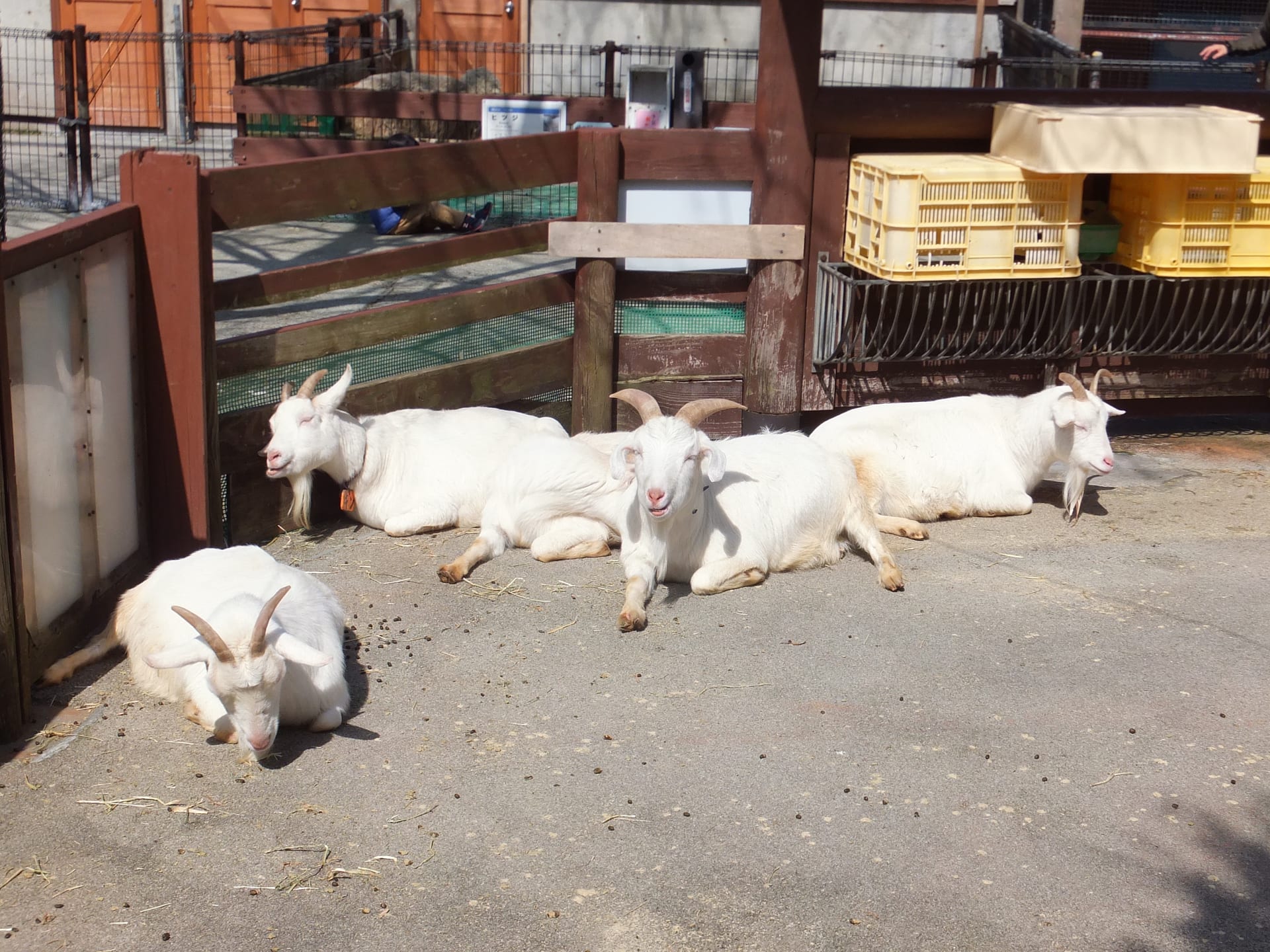
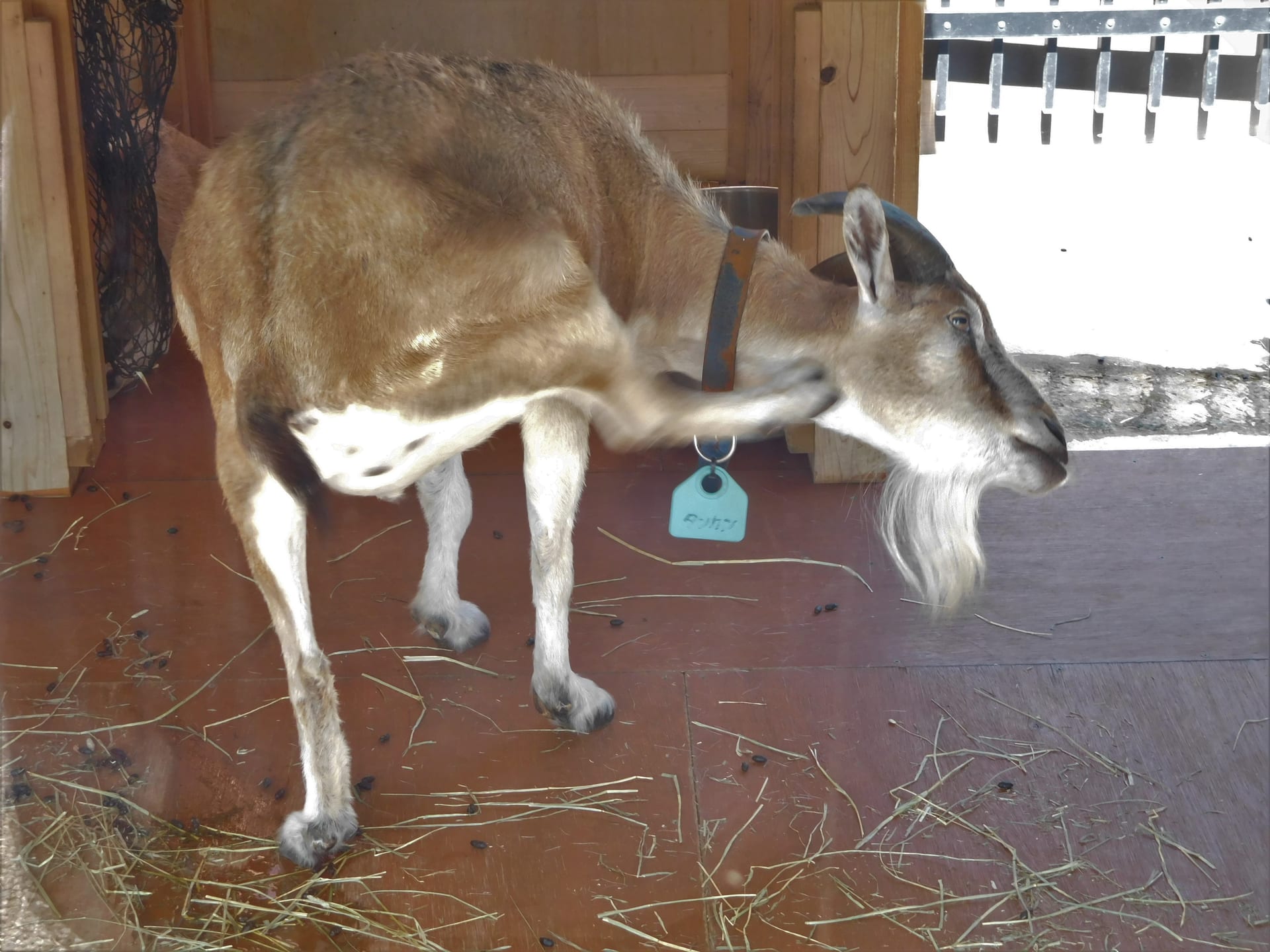
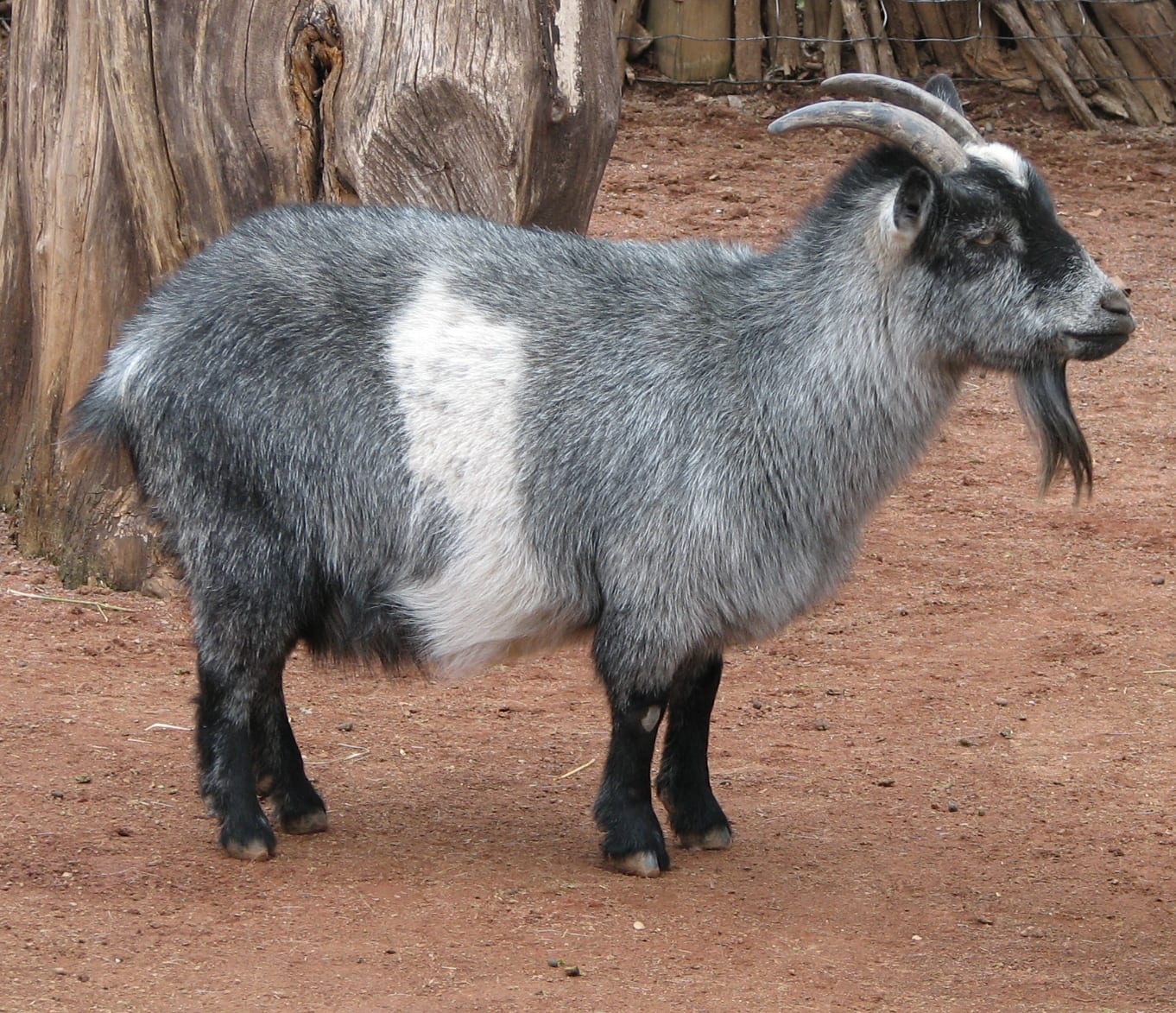
The Nigerian Dwarf goat (Capra hircus) descends from small West African Dwarf goats imported from Africa to American zoos between about 1930 and 1960, and was selectively bred away from the stocky original toward the balanced proportions of a scaled-down dairy goat. Whereas the Pygmy Goat of the same origin was fixed as a heavy-boned meat type, this is a dairy type and treated as a separate breed. Any color is allowed; gold, chocolate and black, often with white markings, are common. Average annual yield is 340 kg of milk rich in butterfat (6.5%) and protein (3.9%), suited to cheese and butter. Selection emphasized docility along with appearance, so the breed is friendly and easy to handle. It breeds year-round; does can be bred from seven or eight months, twins are common and triplets or quadruplets not unusual. Registries include the American Dairy Goat Association (recognized 2005), the American Goat Society and the Nigerian Dwarf Goat Association. In Japan even pet goats fall under the livestock disease law hygiene standards, with annual reporting to the prefecture by April 15. A small number are bred on Japanese farms.
Source: Wikipedia (CC BY-SA 4.0)
Lifespan of the Nigerian Dwarf Goat
The Nigerian Dwarf Goat lives 8-12 years.
Lifespan is 8-12 years.
Size of the Nigerian Dwarf Goat
The Nigerian Dwarf Goat grows to Under 57-60cm at withers / about 35kg.
Maximum height is 60 cm for bucks and 57 cm for does, with a weight of about 35 kg.
Basic Info
Origin
United States (developed from West African Dwarf stock)
References & Sources
Edited & verified by: BreederDirect editorial team
The taxonomic, regulatory, and husbandry data on this page are compiled and verified against the authoritative primary sources below.
Taxonomy & Authority
Accepted name: Capra hircus Linnaeus, 1758
Authority databases: GBIF
Nomenclature follows global taxonomic authority databases.
Regulations & Conservation Status
Not CITES-listed
Domestic law: Covered as a goat under the hygiene management standards of the Act on Domestic Animal Infectious Diseases Control; annual reporting to the prefecture by April 15 is required regardless of purpose (pet, exhibition, etc.). Imports are subject to cloven-hoofed animal quarantine.
CITES lists the domestic goat (Capra hircus) in Appendix III at Pakistan's request (effective 10 October 2014), but the listing carries the annotation "Specimens of the domesticated form are not subject to the provisions of the Convention", so this domesticated breed is exempt. As a cloven-hoofed animal it is subject to import quarantine under Japan's Act on Domestic Animal Infectious Diseases Control.
Sources: CITES Appendices (not listed) / MAFF Hygiene Management Standards for Livestock / Animal Quarantine Service: other animals (cloven-hoofed import quarantine)
Regulations may change. Always verify the latest information with the relevant authorities.
Nigerian Dwarf Goat Listings
Loading latest listingsFind listings for this species